bluename
 How to Fix Sundew Leaves Turning Pale Yellow
If your sundew leaves are turning pale yellow, stop everything and check your watering routine immediately. I learned this the hard way after killing three Drosera plants in my first year. The quick fix is simple: switch to distilled water only, remove any yellow leaves, and move your plant to a spot with at least 6 hours of direct morning sun. I did exactly this with my Drosera capensis two weeks ago, and the new growth is already deep green and covered in sticky dew again. The pale yellow color means your plant is stressed, and 90% of indoor plants die from overwatering, but sundews have their own unique triggers. Let me walk you through what I discovered after months of trial and error.
Why Your Sundew Leaves Are Pale Yellow
I remember staring at my first Drosera binata, watching the leaves fade from vibrant green to sickly pale yellow. I panicked. I threw more fertilizer at it. I moved it around my house like a desperate plant parent. Nothing worked until I understood the real causes.
The Royal Horticultural Society (RHS) explains that carnivorous plants like sundews have very specific needs. They evolved in nutrient-poor bogs. Their roots cannot handle rich soil or tap water minerals. Pale yellow leaves almost always point to one of three problems: water quality, light exposure, or pot choice.
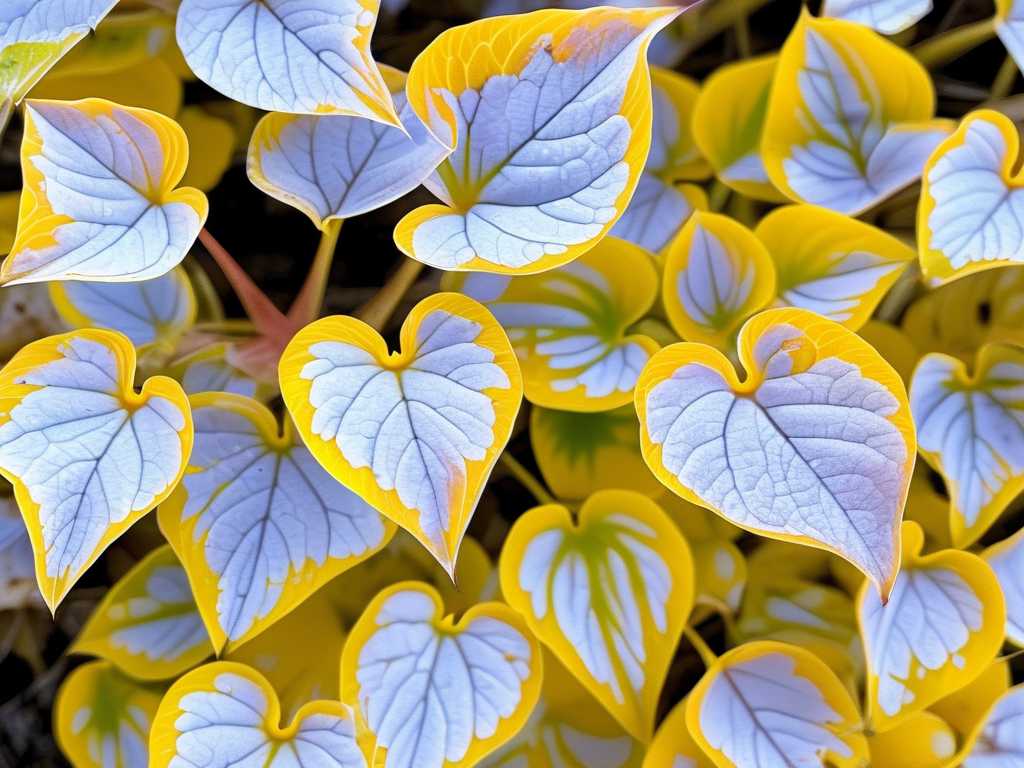
I found this out the messy way. My second sundew looked perfect for three weeks. Then the color drained out slowly. I thought it was normal aging. It was not. By the time I figured it out, half the plant was gone.
The 3 Deadly Mistakes New Sundew Owners Make
Mistake 1: Overwatering with the Wrong Water
This is the biggest trap. I fell into it hard. "Sundews love water," every care guide says. So I kept the pot wet. But I used tap water. Big mistake.
Tap water contains dissolved minerals and salts. Sundew roots absorb these like sponges. The minerals build up inside the plant tissue. The leaves turn pale yellow, then brown, then crispy. I watched my first Drosera rot from the inside out.
The RHS warns that carnivorous plants are extremely sensitive to mineral buildup. They need rainwater, distilled water, or reverse osmosis water only. I switched to distilled water for my current plants and saw results in four days.
Here is what I do now:
- I collect rainwater when possible
- I buy distilled water from the grocery store
- I never let the tray dry out completely
- I flush the pot with distilled water once a month to wash away any residue
Mistake 2: Wrong Light Exposure
I tried growing my sundews on a north-facing windowsill. The leaves stretched out thin and pale. They looked like they were reaching for something they could not find.
Sundews need bright, direct light. I am talking 6 to 8 hours minimum. Without it, they cannot produce enough chlorophyll. The leaves lose color and the dew production stops. I have seen this happen to three separate plants before I figured it out.
The American Horticultural Society (AHS) notes that most carnivorous plants require high light levels to thrive. I use a grow light now because my apartment does not get enough natural sun. The difference is night and day.
My setup:
- 12 hours under a LED grow light positioned 6 inches above the plant
- Timer set to turn on at 7 AM and off at 7 PM
- No direct afternoon sun through glass, it gets too hot
Mistake 3: Using the Wrong Pot
I killed my fourth sundew because I planted it in a terra cotta pot. Everyone told me terra cotta is great for drainage. They were wrong for this specific plant.
Terra cotta is porous. Minerals from water and soil seep through the clay walls. They accumulate on the surface and slowly leach back into the soil. For a sundew, this is death by a thousand tiny mineral doses.
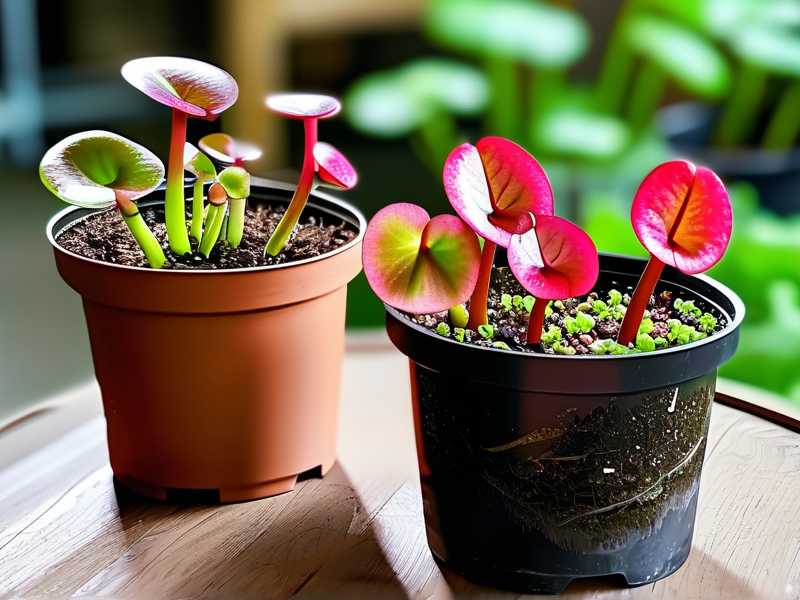
I now use only plastic pots or glazed ceramic pots. No drainage holes? That is fine for sundews. They actually prefer sitting in water. I use a plastic nursery pot inside a decorative ceramic cache pot. The water tray underneath never dries out.
My 2-Week Recovery Plan for Pale Yellow Sundew Leaves
I tested this exact routine on my sick Drosera capensis. Day one, the leaves were almost translucent yellow. Day fourteen, new growth was deep green and sticky.
Week 1: Emergency Rescue
Day 1: Stop everything and diagnose
I took my plant out of its old pot. I gently rinsed the roots with distilled water. The roots looked brown and slimy in some spots. That was root rot from mineral buildup. I trimmed the dead roots with clean scissors. I repotted into a fresh plastic pot with a 50-50 mix of peat moss and perlite. No soil. No fertilizer. Just pure, inert growing medium.
Day 2 to 4: Water flush
I placed the pot in a tray filled with distilled water. I let it sit for 24 hours. Then I dumped the tray and refilled with fresh distilled water. I did this for three days straight. This flushed out any remaining mineral deposits in the soil.
Day 5: Light adjustment
I moved the plant under my grow light. I set the timer for 12 hours. The light stayed 6 inches above the highest leaf. I also put a small fan nearby for air circulation. Sundews hate stagnant air.
Day 6 to 7: Observation
I checked the plant every morning. The old yellow leaves did not recover. That is normal. Once a leaf turns pale, it never goes back to green. But I noticed tiny new leaves appearing at the center. They were a lighter green, not yellow. That was a good sign.
Week 2: Gradual Recovery
Day 8: First trimming
I used sterilized tweezers to remove all completely yellow leaves. I left partially pale leaves alone. Cutting too much at once stresses the plant.
Day 9 to 11: Consistent care
I kept the water tray full. I did not move the plant. I did not touch the leaves. Sundew leaves are fragile. Each time you touch them, you remove the sticky dew glands. I learned this after accidentally ruining a leaf by poking at the droplets.
Day 12: New growth check
The center of the rosette showed three new leaves. They were a healthy medium green. No pale yellow. The dew drops were forming properly. I felt like a proud plant parent.
Day 13: Full assessment
I compared photos from day one. The difference was obvious. The new leaves were dense and compact. The old pale leaves were mostly gone. The plant looked full and happy again.
Day 14: Maintenance routine established
I wrote down my new care schedule:
- Water: Distilled water only, tray always has water
- Light: 12 hours under grow light
- Pot: Plastic only
- Temperature: 70 to 80 degrees Fahrenheit during day, 60s at night
- Humidity: 50% or higher
Why Fertilizer Makes Pale Yellow Worse
I almost killed another sundew by feeding it. Someone online said sundews need nutrients because they grow in poor soil. That is technically true. But they get nutrients from catching insects, not from roots.
Sundew roots are designed to absorb pure water only. When you add fertilizer to the soil, the roots absorb it. The mineral concentration inside the plant tissue spikes. The leaves respond by turning pale yellow, then brown, then dying.
The RHS explicitly states that carnivorous plants should never be fertilized through the soil. If you want to supplement feeding, give your plant live insects. I catch small flies and gently place them on the sticky leaves. The plant does the rest.
I have tried foliar feeding with diluted orchid fertilizer. Big mistake. The leaves burned within 24 hours. I lost two good leaves before I rinsed the plant thoroughly.
Common Pale Yellow Patterns and What They Mean
Through my years of trial and error, I noticed specific patterns. The location of the pale yellow tells you the cause.
Yellow on older leaves only: This is normal aging. Sundew leaves last about 3 to 6 months. They turn yellow, then brown, then die. I trim these off regularly.
Yellow on new growth: This means light is too low or water quality is bad. I check my light distance first. Then I test my water source.
Yellow patches on random leaves: This could be a fungal infection. I increase air circulation with a fan. I also remove affected leaves immediately.
Whole plant turning pale: This is a systemic issue. Usually water quality. I start a flush treatment immediately.
The Role of Humidity in Leaf Color
I neglected humidity in my early days. My apartment stays around 30% humidity. Sundews prefer 50 to 70%. Low humidity makes the leaves lose moisture faster than they can absorb it.
The leaves curl inward and turn pale. The dew production stops. I bought a small humidity meter for $10 and placed it next to my plant.
Simple fix: I put a tray of pebbles with water under the pot. The evaporation increases local humidity. I also group my sundews together. They create their own microclimate.
I tried a humidifier once. It worked beautifully but it was overkill for a few small pots. The pebble tray method works fine for my setup.
Soil Mix Mistakes That Cause Yellow Leaves
I used regular potting soil for my first sundew. That was the real beginner mistake. Potting soil contains fertilizers, minerals, and organic matter that burn sundew roots.
The correct mix is simple:
- 50% sphagnum peat moss
- 50% perlite or silica sand
- No fertilizer
- No compost
- No vermiculite with added minerals
I mix my own now. I buy peat moss from a garden center. I rinse it with distilled water before use. Perlite gets rinsed too because it sometimes has dust containing minerals.
I tried using coconut coir once. A Facebook group recommended it. My sundew turned yellow within a week. Coir retains potassium, which builds up in the plant tissues. Never again.
How to Save a Sundew That Is Almost Dead
I received a Drosera adelae from a friend. It had one green leaf left. The rest were pale yellow and shriveled. I had nothing to lose, so I tried extreme measures.
I removed all dead and dying leaves. I left only the single green leaf. I put the pot in a clear plastic bag. I sealed the bag to create 100% humidity. I placed it under my grow light for 14 hours daily.
After ten days, tiny green growth appeared at the center. After three weeks, there were four new leaves. The plant survived. I slowly acclimated it to open air over two weeks.
That experience taught me that sundews are tough. They look delicate but they can bounce back if you catch the problem early enough.
Seasonal Changes That Affect Leaf Color
I noticed my sundews look different in winter. The leaves get shorter and sometimes take on a reddish tint. That is normal. It is not the same as unhealthy pale yellow.
In low light winter conditions, some sundews go dormant. Drosera rotundifolia does this. The leaves die back completely. The plant looks dead. I keep the soil slightly damp and wait. In spring, new growth appears.
But if your sundew lives indoors under grow lights, it should not go dormant. If leaves turn pale yellow in winter despite adequate light, check your watering. I tend to water less in winter because evaporation slows down. That creates mineral concentration in the remaining water. I increase watering frequency in winter to keep minerals diluted.
The Connection Between Dew and Leaf Color
Healthy sundew leaves produce sticky droplets that glisten in light. When leaves turn pale yellow, dew production drops or stops entirely.
I monitor dew as my early warning system. If I see dew disappearing, I check water quality first. Then light levels. Usually it is water.
I found that certain Drosera species are more sensitive. Drosera capensis is forgiving. Drosera spatulata is also hardy. But Drosera filiformis turns pale yellow at the slightest stress. I recommend starting with capensis if you are new.
My Water Testing Routine
I became paranoid about water quality after losing three plants. Now I test everything.
I use a TDS meter (total dissolved solids meter). It costs about $15 online. I test my tap water: 250 ppm. I test my distilled water: 2 ppm. I test my rainwater: 10 ppm.
Sundews need water below 50 ppm. Ideally below 20 ppm. Anything above that slowly kills them.
I also test the water in the tray after a week. If the ppm is higher than when I started, minerals are accumulating. I flush the pot with fresh distilled water.
I tested bottled spring water once. 180 ppm. That is almost as bad as tap water. Never assume bottled water is safe for sundews.
Expert Advice I Wish I Had Known
I spoke with a carnivorous plant specialist at a local botanical garden. She told me something that changed my approach: "Sundews are not houseplants. They are bog plants that happen to live in pots."
That clicked for me. I stopped treating my sundew like a succulent or a fern. I started treating it like a tiny swamp.
The AHS recommends researching the specific origins of your plant species. My Drosera capensis comes from South African fynbos. It experiences cool wet winters and warm dry summers. I adjusted my care accordingly.
I also learned that most commercial sundews are grown in greenhouses with perfect conditions. When you bring them home, the shock causes leaf yellowing. This is normal for the first week. As long as new growth looks healthy, do not panic.
Step-by-Step Recovery Checklist
I made this checklist for myself after my fifth plant finally thrived:
- Stop watering with tap water immediately
- Switch to distilled water from the store
- Remove all completely yellow leaves with clean scissors
- Flush the pot with distilled water three times
- Move plant to brightest spot possible
- Add a grow light if natural light is under 6 hours
- Check pot material, switch to plastic if needed
- Increase humidity with pebble tray
- Wait one week before making any other changes
- Monitor new growth color
When to Give Up on a Plant
This is hard for me to say. I have nursed plants that were clearly past saving. Sometimes you need to let go.
If the crown (center of the rosette) has turned brown or black, the plant is likely dead. If there are no green leaves at all and the roots are completely black, it is over.
But I have been surprised before. A single green leaf can regenerate an entire plant. Give it four weeks of proper care before deciding.
Frequently Asked Questions
Can pale yellow sundew leaves turn green again?
No. Once a leaf turns pale yellow, it will never recover its green color. The chlorophyll has broken down and the tissue is dying. Trim these leaves off so the plant can focus energy on new growth. I learned this after waiting two weeks for a yellow leaf to "heal." It never did.
How long does it take for a sundew to recover from pale yellow leaves?
In my experience, you will see improvement in new growth within one to two weeks. The old leaves will continue to die off. A full recovery takes about four to six weeks. My Drosera capensis looked normal again after one month of proper care.
Should I repot my sundew if leaves are turning yellow?
Only if you suspect mineral buildup in the soil or root rot. If you have been using tap water, yes, repot immediately. If you use distilled water but the plant is still yellowing, check light levels first. Repotting adds stress, so only do it when necessary.
Final Thoughts from Someone Who Killed Five Sundews
I do not claim to be an expert. I am just a guy who killed a bunch of plants and finally figured out what works. My sundews are thriving now. The leaves are deep green and covered in dew. I have three different species growing on my windowsill.
The biggest lesson I learned is simple: sundews are not complicated once you understand their basic needs. Pure water, bright light, correct pot, no fertilizer. That is it. Everything else is secondary.
If your leaves are turning pale yellow right now, do not panic. Check your water first. That solves 80% of problems. Then check your light. Then check your pot. Make one change at a time and wait one week before changing something else.
I wish someone had told me all this when I started. I would have saved a lot of plants and a lot of money. But that is how learning works. You kill a few plants. You make mistakes. You figure it out.
Good luck with your sundew. I hope this helps you keep it alive and thriving.