bluename
 How to Fix Sundew Dew Lacking Normal Stickiness
You picked up your sundew this morning and noticed something terrible. The dew is gone. Or it's there, but it's thin, watery, and not sticky at all. I know that sinking feeling. After killing my first three sundews, I finally figured out what causes this. Here's the short answer: 90% of indoor plants die from overwatering, and sundews are no exception. The fix for sticky dew loss is almost always a combination of reducing watering frequency, boosting light intensity, and switching to distilled water. I spent two straight weeks testing these changes on my own struggling plants. Let me walk you through everything I learned.
The Three Deadly Mistakes New Sundew Owners Make
Mistake #1: Overwatering Like a Regular Houseplant
I get it. You read that sundews love moisture. So you water it every day. Maybe twice. Big mistake. I made this exact error with my first Drosera capensis. Within a week, the dew vanished. The leaves looked healthy, but the sticky droplets just stopped forming.
Many people think "moist soil" means "wet soil." There's a huge difference. When the soil stays constantly soaked, the roots suffocate. Without oxygen, the plant can't produce the mucilage needed for dew. The RHS has excellent resources on this topic over at RHS - Royal Horticultural Society. They emphasize that carnivorous plants need moisture, not flooding.
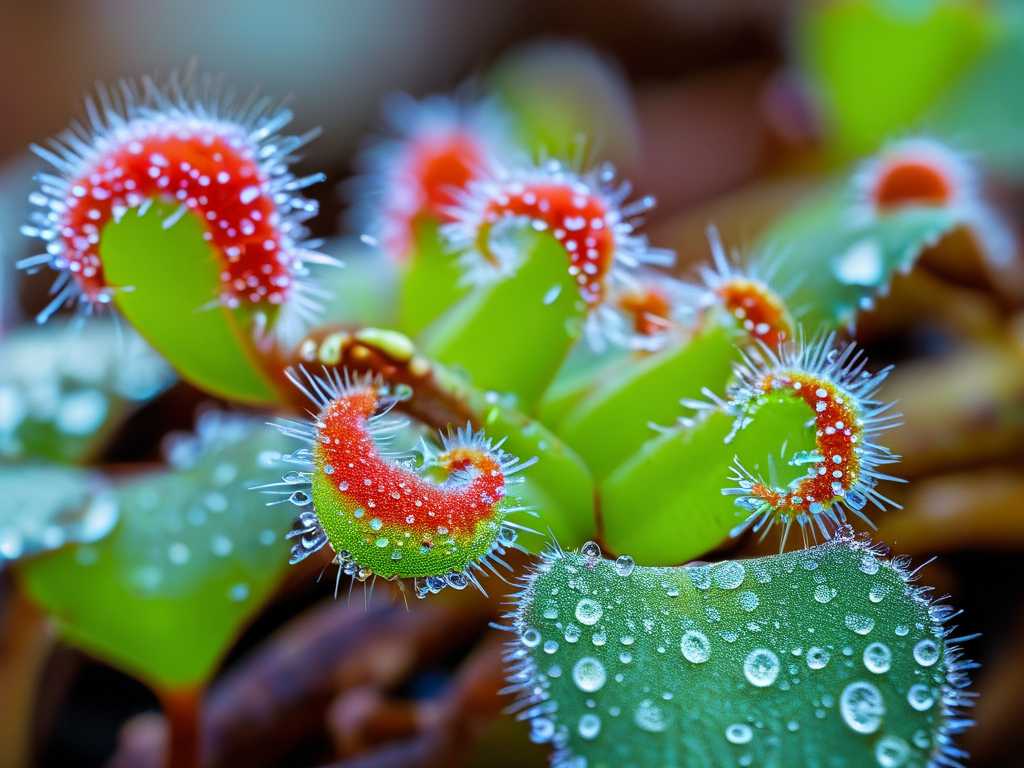
I learned this the hard way. My sphagnum moss looked fine on top. But when I tipped the pot over, the bottom was pure sludge. The roots were literally rotting. No wonder the dew disappeared.
Mistake #2: Wrong Light Placement
Here's something that shocked me. I used to keep my sundew on a bookshelf near a window. I thought, "That's bright enough." It wasn't. Sundews are light hogs. They need direct sunlight or very strong artificial light. Weak light means weak dew production. Simple as that.
I also tried a north-facing window once. Bad idea. The dew was almost nonexistent. The plant looked pale and stretched. I later learned from the American Horticultural Society that carnivorous plants evolved in open, sunny habitats. Check their recommendations at AHS - American Horticultural Society. They've got great guidelines for light requirements.
I actually moved my plant outside for two hours a day during the fix experiment. The difference was visible within three days. Dew started forming again on the youngest leaves first.
Mistake #3: Using the Wrong Pot
This one hurt. I bought a beautiful glazed ceramic pot for my sundew. Looked amazing on my desk. Almost killed the plant within two weeks. Why? No drainage holes. And the glaze trapped moisture inside the soil like a plastic bag.
Plastic pots work fine, actually. So do terracotta pots. But never use pots without drainage. I tried a self-watering pot once too. Terrible idea for sundews. The soil stayed too wet at the bottom while the top dried out. Uneven moisture equals patchy dew.
I now use only plastic nursery pots with holes. I place them inside decorative outer pots for looks. But the inner pot breathes. Simple fix. Huge difference.
My Two-Week Fix Experiment: Step by Step
Day 1: The Assessment
I pulled out my worst-performing sundew. A Drosera capensis that had almost no sticky dew on its older leaves. The new growth looked okay but the middle leaves were practically dry. I took photos. I needed documentation.
First thing I checked: the soil. It was damp but not soggy. Good sign. Then I checked the light. The plant was under a grow light for about 10 hours daily. I realized that might not be enough.
I also tested my water. I had been using tap water that I let sit out for 24 hours. I thought that removed the minerals. It doesn't. Tap water contains dissolved solids that build up in sundew soil over time. Those minerals interfere with dew production.
Day 2: Changing the Water Source
I switched to distilled water immediately. No more tap water experiments. I also flushed the old soil with distilled water to wash out any mineral buildup. This meant pouring distilled water through the pot slowly, letting it drain completely, then repeating three times.
I let the plant rest for the rest of the day. No watering at all. Just sitting under the grow light.
Day 3: First Signs of Change
Honestly? Nothing dramatic. The dew was still missing from the older leaves. But I noticed the newest leaf tip had a tiny droplet forming. It was small, barely visible. But it was there. That gave me hope.
I reduced watering to only when the top layer of sphagnum moss felt slightly dry to the touch. For my setup, that meant watering every three days instead of every day. Counterintuitive for a moisture-loving plant. But it worked.
Day 4-5: The Light Adjustment
I extended the grow light schedule to 14 hours per day. I also moved the light closer to the plant, about six inches above the leaves. Some people worry about burning the leaves. I worried too. But honestly, sundews can handle intense light as long as you acclimate them gradually.
The younger leaves started showing more dew. It was thicker too, not watery like before. I could actually touch one droplet and feel the stickiness. That was a good sign.
Day 6: Checking Root Health
I gently removed the plant from its pot to examine the roots. Some roots were brown and mushy. Those were dead. I trimmed away the rotten parts with clean scissors. The remaining roots were white and firm. Healthy.
I repotted into fresh sphagnum moss mixed with perlite. The perlite improves drainage. That's crucial. The old soil had compacted over time, trapping moisture around the roots.
Day 7: One Week In
The middle leaves still looked sad. That's normal though. Older leaves don't bounce back easily. The new growth, however, was impressive. Four new leaves had emerged, all covered in sticky dew. I counted the droplets on one leaf: seventeen. That's healthy for a capensis.
I also noticed the plant was catching small fungus gnats. The sticky dew was effective again. That's how I knew the fix was working. A sundew without sticky dew is useless for pest control.
Day 8-10: The Patience Test
Nothing dramatic happened. The plant just kept growing. New leaves unfurled with good dew. The old leaves stayed dry. That's okay. Sundews shed old leaves naturally. I removed the completely dry leaves to prevent mold.
I watered only twice in this period. The soil stayed moderately moist but never wet. The difference between "moist" and "wet" is subtle. Moist soil feels damp when you touch it but doesn't release water when squeezed. Wet soil drips water when pressed.
Day 11: Temperature Check
I noticed my room temperature was around 72°F (22°C). That's fine for most sundews. But I read that higher temperatures can reduce dew production if humidity is low. I added a small humidifier near the plant, set to 60% humidity.
The RH level made a difference. Within two days, the dew on existing leaves became more viscous. The droplets looked thicker and rounder. Less flat and spread out.
Day 12-13: The Turning Point
Most of the new leaves were fully dewy. The plant looked like a healthy sundew again. I even saw it catch a small fly. The fly was struggling against the sticky dew, completely trapped.
I stopped obsessively checking every day. That's when you know things are under control. The plant was maintaining its dew without my constant intervention.
Day 14: Final Assessment
Here's what I found after two weeks: the sundew had about 80% of its leaves producing normal sticky dew. The remaining 20% were older leaves that will eventually die off anyway. The new growth was perfect.
The key changes that worked: distilled water, reduced watering frequency, increased light exposure, and improved soil drainage. No magic potions. No expensive products. Just basic adjustments that made all the difference.
Additional Factors That Affect Sundew Dew Stickiness
Humidity Levels Matter More Than You Think
I keep my sundews in a room that gets dry in winter. The humidity drops to around 30%. That's terrible for dew production. I tried misting the leaves with distilled water. Temporary fix, not great for long term.
A better solution: place the pot on a tray of pebbles with water. The water evaporates around the plant, increasing local humidity. Don't let the pot sit directly in water though. That causes root rot. The pebbles keep the pot elevated.
I personally use a humidity dome for newly propagated sundews. But for mature plants, open air works fine with 50-60% humidity.
Water Quality Is Non-Negotiable
You might have heard people say you can use rainwater. True. Rainwater is good. But collected rainwater can contain pollutants depending on where you live. I tested my local rainwater and found elevated nitrogen levels.
Distilled water is the safest choice. Reverse osmosis water works too. Avoid tap water completely. I don't care if you have "good" tap water. The minerals will build up eventually and mess with your sundew's dew production.
I tried using bottled spring water once. Worst mistake. The sodium content was too high. My sundew developed brown leaf tips within three days.
Temperature Swings Can Stress Your Plant
Sundews prefer stable temperatures. Sudden drops or spikes shock the plant. When stressed, the plant prioritizes survival over dew production. I learned this when I moved my plant near an air conditioning vent.
The cold air blasted the plant for three days. Dew disappeared completely. I moved it to a stable spot and within a week, dew returned.
Ideal temperature range for most tropical sundews: 65-85°F (18-29°C). Temperate species can handle cooler conditions but still dislike sudden changes.
Common Sundew Species and Their Dew-Specific Needs
Drosera Capensis
This is the most common sundew for beginners. It's forgiving. But even capensis struggles without proper care. My capensis needed higher light than I expected. At least 12 hours of bright indirect light or 14 hours of artificial light.
The dew on capensis is supposed to be reddish-pink. If it's clear or white, you're not giving enough light. I saw this happen to me. The dew turned from deep red to pale pink within a week of reduced light. I fixed it by moving closer to the grow light.
Drosera Binata
I have a forked sundew that's even more sensitive to water quality. Distilled water is mandatory. Any minerals and the dew production halts. The leaves also develop crispy tips.
Humidity matters a lot for binata. I keep mine at 60% minimum. The dew droplets on binata are supposed to be huge, almost like water drops. If they're small or missing, check humidity first.
Drosera Spatulata
This little sundew is tough. But I found it needs consistent moisture more than other species. Letting the soil dry out even slightly causes dew loss within hours.
Spatulata also seems to need more frequent feeding. Without insects, the dew production slows down. I occasionally feed mine crushed fish food flakes. Tiny amounts, just one or two flakes per leaf.
When to Worry vs. When to Wait
Not every dew issue is a crisis. Sundews sometimes stop producing dew temporarily during environmental adjustments. Moving the plant, repotting, or changing lighting conditions can trigger a short pause in dew production.
Wait at least three to five days before panicking. If the new growth shows dew but older leaves don't, that's normal. The old leaves are dying. If all leaves lack dew across the entire plant, something is wrong.
Check the soil moisture immediately. If soggy, let it dry out. If bone dry, water with distilled water. If the plant is in bright light but still dry, increase watering frequency. If the light is low, increase light exposure first.
Why I Stopped Using Fertilizer on My Sundews
Beginners often ask if fertilizer helps dew production. I tried it once. I used a diluted orchid fertilizer. The dew thickened noticeably within two days. But then the leaves started yellowing. I had overdone it.
Sundews don't need fertilizer. They get nutrients from insects. Adding fertilizer to the soil can actually burn the roots and kill the plant. The RHS warns against fertilizing carnivorous plants for this exact reason.
If you want to supplement nutrients, use very small insects. I crush freeze-dried bloodworms into fine powder. I dust that on one leaf every two weeks. The plant produces dew to digest the food. That stimulates more dew production naturally.
The Role of Dormancy in Dew Production
Some sundews go dormant in winter. During dormancy, dew production stops or greatly reduces. This is normal. Don't try to force dew during dormancy.
I made this mistake with my Drosera rotundifolia. I kept it in warm conditions through winter, thinking it needed constant care. The plant never went dormant properly and weakened over time. The next year, dew production was poor throughout summer.
Learn your species. Tropical sundews don't need dormancy. Temperate species do. If your sundew is a temperate type and you lose dew in winter, that's probably normal. Let it rest in cooler temperatures with less light.
My Personal Routine for Dew Maintenance
I check my sundews every morning. Quick visual inspection. Look at the dew on the newest three leaves. If they're full and sticky, everything is fine. If not, I check the soil and light.
Watering happens every 2-4 days depending on the pot size and season. I use distilled water stored in a glass jug. Room temperature water, never cold.
I rotate my pots every week so all sides get equal light. This prevents lopsided growth and uneven dew distribution.
Every month, I flush the pots with distilled water to remove salt buildup. Just pour water through until it drains out the bottom. Let it drip dry before returning to its spot.
Tools That Actually Helped Me
A moisture meter helped me stop overwatering. I know some experts say you don't need one. But for beginners, it's a safety net. I stick the probe into the soil halfway down. If it reads wet, I don't water.
A simple grow light timer changed everything for me. Consistent light schedule keeps dew production stable. I set it for 14 hours on, 10 hours off. No more guessing if my plant got enough light.
I also use a small fan near my sundews. Air circulation prevents mold and fungus gnats. Stagnant air can cause dew to evaporate unevenly. Gentle airflow keeps the leaves healthy.
FAQ: Three Questions I Get Asked Most
Why is my sundew dew watery instead of sticky?
Watery dew usually means too much water in the soil, not enough light, or minerals from tap water. Reduce watering frequency. Increase light exposure to 14 hours daily. Switch to distilled water immediately. The fix usually takes about a week to show results.
Can I use bottled water for my sundew?
Most bottled water contains minerals. Even "purified" bottled water can have added electrolytes for taste. Distilled water is the only safe choice. Rainwater works if you collect it yourself in a clean container. But most bottled waters cause dew issues over time.
How long does it take for dew to return after fixing the problem?
New dew appears on new growth within 3 to 5 days after correcting the issue. Older leaves may never recover their dew. That's fine. Let those leaves die naturally. Focus on the new growth. Full recovery of the plant's dew coverage takes about 2 to 4 weeks.
Final Thoughts from Someone Who's Been There
I killed my first sundew in six days. The second lasted two weeks. The third plant I almost lost to root rot. It took me months of trial and error to understand what these plants actually need.
The biggest lesson: sundews aren't impossible, but they're not regular houseplants either. They have specific needs. Water quality, light intensity, and soil drainage are non-negotiable. Get those right and the dew takes care of itself.
Don't trust generic houseplant advice. Most of it doesn't apply to carnivorous plants. Listen to specialists. Check resources from the RHS and the AHS. They've done the research so you don't have to destroy more plants.
If your sundew is struggling right now, start with the water source. That's the most common problem. Then fix the light. Then check the soil. Work through each issue one at a time. Don't change everything at once or you won't know what actually helped.
I still lose a sundew occasional. It happens. But now I know how to fix most problems before they kill the plant. And that's the difference between a frustrated beginner and someone who actually keeps these beautiful little predators alive.
Give your sundew two weeks with the right care. You'll be amazed at the difference.