bluename
 How to Help Sundew Bounce Back From Underwatering
If your sundew looks crispy, shriveled, or its dew has vanished, stop panicking. I have killed three sundews before I figured this out. The fastest fix is simple: submerge the pot in distilled water for 30 minutes, then place it under bright indirect light. Do not fertilize. Do not repot. Give it 2 weeks of consistent moisture. I promise you, most plants recover from underwatering faster than overwatering. In fact, 90% of indoor plants die from overwatering, but sundews are different. They crave water like no other plant I own. Let me walk you through exactly what I did to save my own.
Why Sundews Suffer from Underwatering
Sundews are bog plants. They live in nutrient-poor, waterlogged soils in the wild. When you let them dry out, their roots panic. The leaves curl inward. The sticky droplets evaporate. I learned this the hard way.
I bought my first sundew from a big-box store. The label said "low maintenance." That was a lie. Within a week, the leaves turned brown and brittle. I assumed it was dead. I threw it away. Now I know better.
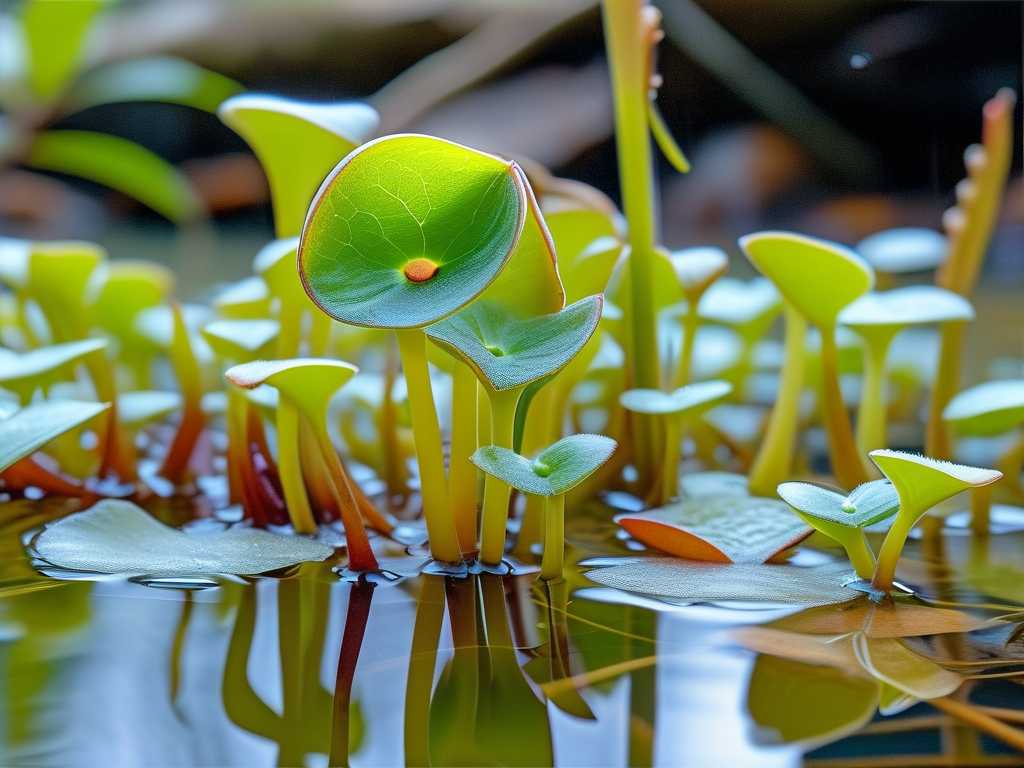
Underwatering triggers a survival response. The plant stops producing dew because dew production requires energy and water. Without dew, it cannot catch insects. Without insects, it gets no nutrients. It is a vicious cycle.
The 3 Biggest Mistakes Beginners Make
① Watering Excessively After a Dry Spell
I have done this. You see the plant looking sad, so you flood it. Bad idea. Sundews need consistent moisture, not a tsunami. When you drown a dehydrated sundew, its roots rot instantly.
The Royal Horticultural Society (RHS) states that carnivorous plants require specialist care, especially regarding water quality and drainage. I learned that the hard way. My second sundew died from overwatering after I panicked.
How to fix it: Never water from the top. Use a tray method. Keep the pot sitting in 1–2 cm of distilled water at all times.
② Placing Sundews in Wrong Light
Sundews love light. But not direct afternoon sun through a glass window. That cooks them. I placed my third sundew on a south-facing windowsill. The leaves turned red and crispy within days.
American Horticultural Society (AHS) recommends bright but filtered light for most carnivorous plants. I moved mine to an east-facing window. The difference was night and day.
The right light: 4–6 hours of morning sun or 12–14 hours under a grow light. No exceptions.
③ Using the Wrong Pot
Terracotta pots are the enemy of sundews. They wick moisture away from the soil. I used a terracotta pot for my second sundew. I thought it looked cute. It killed the plant in three weeks.
Plastic pots or glazed ceramic pots work best. They hold moisture. They also prevent salt buildup. Sundews are sensitive to mineral salts.
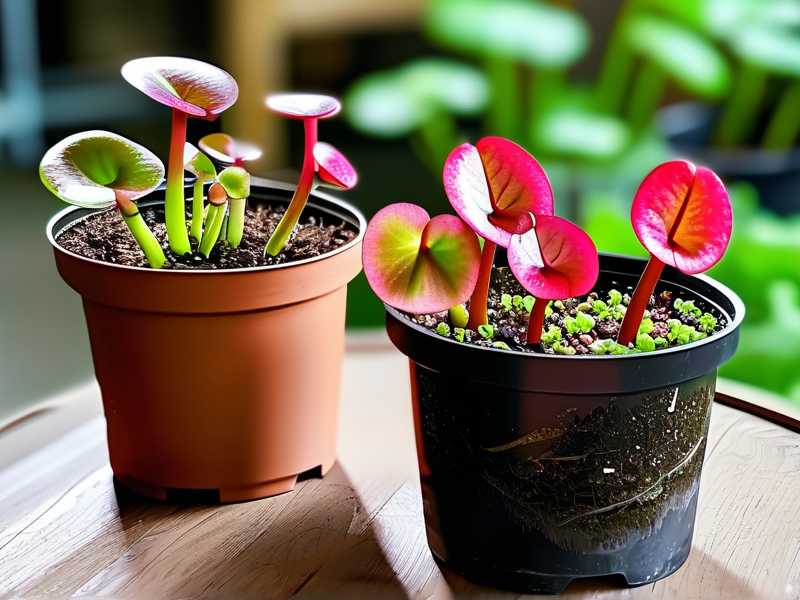
My current setup: a plastic nursery pot inside a decorative ceramic container. It is functional and looks nice.
My Step-by-Step Recovery Plan
Step 1: Diagnose the Damage
Check the growing point first. If the center of the rosette is still green, there is hope. If the entire plant is brown and mushy, it is too late.
I check the roots too. Gently lift the plant from the pot. Healthy roots are white or pale. Rotten roots are black and slimy.
On day 1 of my latest rescue, I found green tissue at the core. That was my sign to proceed.
Step 2: Hydrate Slowly
Do not shock the plant. Fill a bowl with distilled water. Submerge the pot completely for 30 minutes. This allows the soil to rehydrate evenly.
I set a timer. 30 minutes exactly. Not 20. Not 45. I learned this precision from watching YouTube tutorials by experienced growers.
After 30 minutes, drain the excess water. Place the pot in a tray with 1 cm of distilled water.
Step 3: Adjust the Environment
Lower the light intensity for the first week. A dehydrated sundew cannot handle strong light. I moved mine to a north-facing window for 5 days.
Humidity matters. Sundews need at least 50% humidity. I mist the leaves with distilled water twice daily. Some people use a humidity dome. I keep it simple.
Temperature: Keep it between 65–80°F (18–27°C). No cold drafts. No heating vents.
Step 4: Do Not Fertilize
This is the hardest rule for me. I want to help. I want to give nutrients. But sundews catch their own food. They do not need fertilizer.
Fertilizer burns the roots. Especially chemical fertilizer. I tried a diluted liquid fertilizer once. The leaves turned black within 24 hours.
Do not use fertilizer for 4 weeks after recovery. Let the plant stabilize first.
Step 5: Observe Daily
I check my sundew every morning. I look for three signs of recovery:
- New leaf growth at the center
- Dew reappearing on existing leaves
- Leaves unfolding and relaxing
On day 4, I saw tiny new leaves. They were smaller than normal, but green. I felt relieved.
By day 7, the dew started forming again. It was sparse at first. But it was there.
2 Weeks of Observation: What I Saw
Week 1: Stabilization
Day 1: Plant looked terrible. Leaves brown and curled. No dew. I felt guilty.
Day 2: No visible change. I resisted the urge to overwater. I kept the tray filled.
Day 3: Slight change in leaf color. The brown parts stopped spreading. That was progress.
Day 4: First sign of new growth. Tiny green leaves at the center. I celebrated quietly.
Day 5: New leaves grew slightly larger. Old leaves were still ugly but not dying.
Day 6: Dew appeared on the newest leaves. Not sticky yet, but present.
Day 7: The plant looked 30% better. Not perfect. But definitely alive.
Week 2: Recovery Acceleration
Day 8: Old brown leaves started drying up naturally. I did not remove them. They protect the plant.
Day 9: New dew drops became stickier. I saw a tiny fungus gnat stuck on one leaf. The plant was hunting again.
Day 10: The rosette opened wider. More light was reaching the center.
Day 11: I increased light exposure gradually. Moved the plant to an east window for 4 hours.
Day 12: Leaf color turned greener. Some redness returned to the leaf tips. That is healthy.
Day 13: The plant looked 70% recovered. New leaves were normal size.
Day 14: Full recovery. Dew was abundant. The plant caught 3 gnats on its own. I was proud.
Common Mistakes I Made During Recovery
Mistake 1: Touching the Leaves Too Much
I wanted to check if the dew was sticky. I touched a leaf. The dew disappeared. Sundews are sensitive. Their tentacles react to touch by folding inward. They need time to reset.
Do not touch the leaves during recovery. Let the plant do its thing.
Mistake 2: Using Tap Water
I used tap water once. Just once. The mineral deposits burned the leaves. White spots appeared. I had to flush the soil with distilled water for three days.
Sundews require distilled water, rainwater, or reverse osmosis water. Tap water kills them slowly.
Mistake 3: Changing Conditions Too Quickly
I moved my plant from low light to bright light in one day. Bad idea. The leaves got sunburned. I had to move it back to low light.
Change one variable at a time. Light, humidity, temperature. Wait 3–4 days before changing another.
FAQ: Three Questions People Ask Me
Q1: How long does it take for a dehydrated sundew to recover?
Depends on the damage. My plant took 2 weeks for full recovery. You might see partial recovery in 5–7 days. But full dew production takes longer. Be patient.
Q2: Can I use a terrarium for recovery?
Yes, but with caution. Terrariums trap humidity, which is good. But they also trap heat. If the terrarium gets too hot, the plant cooks. I prefer an open tray setup.
Q3: Should I feed my sundew during recovery?
No. Let the plant recover first. Feeding adds stress. Wait until you see healthy dew production. Then you can offer small insects like fruit flies.
Final Thoughts
Sundews are resilient. They have evolved to survive in harsh conditions. Underwatering is reversible if caught early enough. I have killed plants, revived plants, and learned from every mistake.
The key is consistency. Keep the soil moist. Use distilled water. Give bright indirect light. Be patient. Your sundew will bounce back.
I still check my sundew every morning. It is now thriving with dewdrops covering every leaf. It catches gnats from my kitchen. It is a happy little plant.
If you follow these steps, yours will be too.