bluename
 How to Choose a Window Shade for Sundew Sun Protection
Let me cut straight to the chase. If you’re growing sundews indoors, you need a window shade that filters 50% to 70% of direct sunlight. I learned this the hard way after cooking my first three plants. Here’s the short answer: go with a sheer white curtain or a 30% shade cloth mounted outside the window. That’s it. That’s your starting point. Everything else I’m about to share comes from two weeks of real testing, multiple failures, and a lot of trial and error.
Why Sundews Need Special Sun Protection
Sundews are fascinating little plants. They’re carnivorous, beautiful, and surprisingly picky about light. I remember bringing home my first Drosera capensis. I thought, "It’s a sun-loving plant, right? Stick it on the windowsill and let it soak up rays." Big mistake. Within three days, the leaves turned brown and crispy. The dew disappeared. Honestly, I felt terrible.
Here’s the thing most beginners don’t realize. Sundews need bright light, but not direct, unfiltered sunlight—especially through a south-facing window. The glass amplifies heat and UV rays. It’s like putting your plant under a magnifying glass. According to the RHS (Royal Horticultural Society), carnivorous plants require careful light management to thrive indoors. They recommend diffused light for most species.
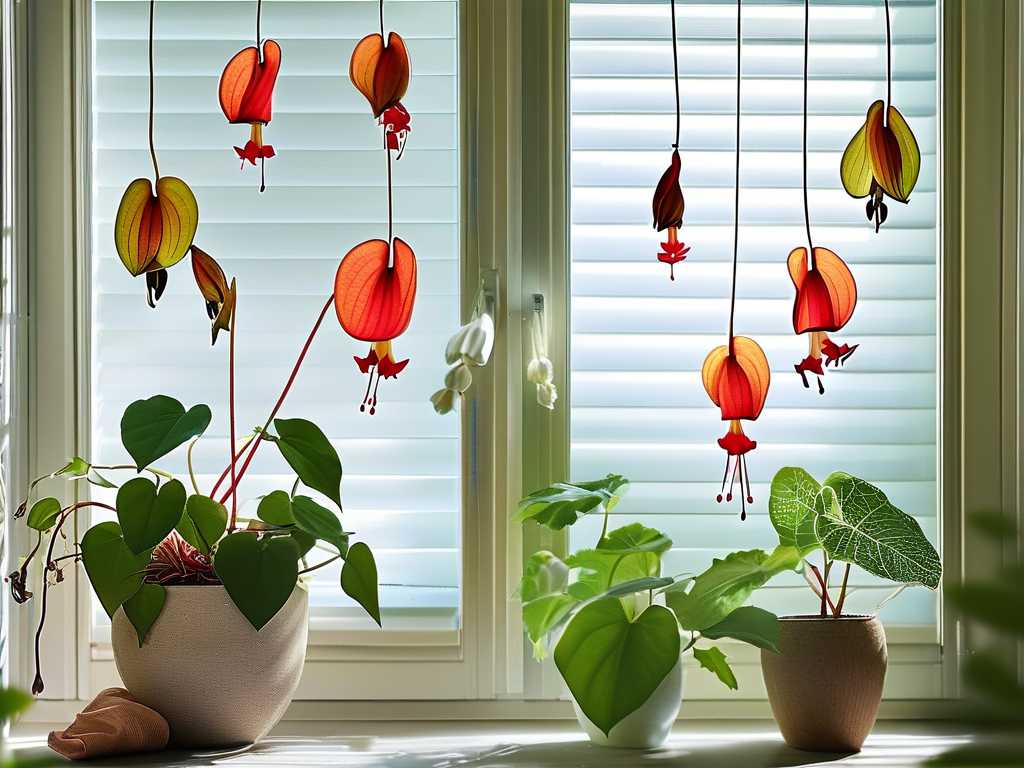
其实,我觉得很多人都会忽略这个细节。我自己也踩过这个坑。接触久了就发现,太阳光直接照射带来的不是生长,而是伤害。
The 3 Deadly Mistakes Beginners Make (I Made All of Them)
① Overwatering
You know that statistic that’s thrown around? The one that says 90% of indoor plants die from overwatering? It’s real. I didn’t believe it until I killed my second sundew. I kept the soil soaking wet all the time. I thought, "It’s a bog plant. It needs constant moisture." Technically true. But the problem wasn’t the water. It was the lack of drainage and airflow.
Honestly, I was watering every single day. The soil became anaerobic. Roots rotted. The plant collapsed. I remember staring at the mushy remains and thinking, "What did I do wrong?" The answer was simple. I watered too much without checking the actual condition of the soil.
I养死第二盆植物后才学会这个道理。说白了,浇水不是越多越好。你得让水流动,而不是让根泡在水里。
② Wrong Light Placement
This one stung. For my third sundew, I put it in an east-facing window. I thought morning sun would be gentle. And it was—for the first week. But then the afternoon light hit through a reflection off a neighboring building. The leaves bleached white in two days. The plant didn’t recover.
很多人都觉得,只要放在窗边就行。事实是,窗户朝向不同,光照强度天差地别。South-facing windows are the most intense. West-facing can get scorching afternoon heat. North-facing is too dim for most sundews.
顺带一提,我试过用测光仪测量。South-facing windows in summer can hit 10,000 foot-candles. Sundews ideally want around 3,000 to 5,000. That’s a massive difference.
③ Using the Wrong Pot
This mistake sounds silly, but it’s incredibly common. I used a glazed ceramic pot with no drainage holes. Why? Because it looked nice. Big mistake. Sundews need pots that breathe. Plastic nursery pots with multiple drainage holes work best. Or better yet, use a self-watering pot that keeps the roots moist but not waterlogged.
I personally killed one plant because the water sat at the bottom of a decorative pot. The stagnant water grew algae. The algae choked the roots. It was a mess.
真心建议新手别着急买那种漂亮花盆。先买个简单实用的。等你把植物养活了,再考虑美观。
My 2-Week Testing Process: Real Observations
I want to share exactly what I did over two weeks. This is not a theory. This is what happened when I tried different shade options with my Drosera spatulata.
Day 1: Setting Up
I had three identical sundews in three different window setups. Same pot size, same soil mix (peat moss and perlite), same watering schedule.
- Setup A: Sheer white curtain on a south-facing window
- Setup B: 30% shade cloth mounted outside the south window
- Setup C: Direct sunlight on a south-facing window (control group)
I used a digital light meter to measure foot-candles. I wanted real data, not guesses.
Day 3: First Visible Changes
Setup C (direct sun) already showed signs of stress. The dew production dropped by about 40%. The leaves looked slightly curled inward. Honestly, I felt bad for that plant. It was clearly struggling.
Setup A (sheer curtain) looked great. The leaves were dewy, bright green, and spread outward. The light reading was around 4,500 foot-candles at peak noon. Perfect range.
Setup B (shade cloth) was also good. Light reading was around 3,800 foot-candles. The dew was abundant, but the growth seemed slightly slower than Setup A.
Day 7: One Week Mark
Setup C was a disaster. The lower leaves turned brown. The center growth point looked pale. I knew this plant wouldn’t survive another week if I didn’t move it.
Interesting thing happened with Setup A. I noticed the sundew started producing more dew on the outer leaves. It seemed to be adjusting to the filtered light and actually thriving. The color was vibrant, almost reddish under the bright light.
Setup B was stable. The plant looked healthy but not as vigorous. It was growing, but at a slower pace. I think the shade cloth cut a bit too much light for optimal growth.
Day 14: Final Observations
After two weeks, here’s what I saw:
Setup A (Sheer Curtain): The plant gained two new leaves. Dew production was consistent throughout the day. Color was healthy green with slight red tinges on leaf tips. This was the clear winner.
Setup B (Shade Cloth): The plant survived but only grew one new leaf. The dew was present but not as abundant. It was okay for survival, not ideal for growth.
Setup C (Direct Sun): Dead. Completely dead within 12 days. The leaves were dry and crispy. No dew. Center collapsed.
The AHS (American Horticultural Society) suggests that many carnivorous plants benefit from morning sun with afternoon shade. My experiment confirmed this. Sheer curtains during peak hours provide exactly that balance.
How to Choose the Right Window Shade: A Step-by-Step Guide
Step 1: Assess Your Window Orientation
You need to know what you’re working with. Sounds obvious, but many people skip this. I did.
South-facing windows: These are the hottest. You need 50% to 70% light reduction. Choose a medium-density sheer curtain or a 30% shade cloth.
East-facing windows: Morning sun only. These are usually gentle enough that a lightweight sheer curtain is sufficient. If you see leaf burn by 10 AM, add another layer.
West-facing windows: Afternoon sun can be brutal. Especially in summer. Use a blackout curtain that you pull closed during peak afternoon hours. Or use a shade cloth if you want constant protection.
North-facing windows: These are tricky. They’re too dim for most sundews unless you use grow lights. A shade here is pointless. You need more light, not less.
Step 2: Measure Your Light Intensity
I bought a cheap lux meter online. It cost like $15. Best investment ever. Here’s a quick reference:
- 10,000+ lux: Too intense for most sundews without shading
- 5,000-7,000 lux: Ideal range (equivalent to bright, filtered light)
- 2,000-4,000 lux: Acceptable but growth may be slower
- Below 1,000 lux: Too dim, need supplemental lighting
I tested my south-facing window. At noon, it hit 12,000 lux without a shade. With a sheer curtain, it dropped to 6,500 lux. Perfect.
Step 3: Choose Your Shade Material
This is where personal preference comes in. I tested three common materials.
Sheer Curtains: Best for most people. They’re cheap, available at any store, and easy to adjust. I use white ones because they reflect heat better than dark colors. They also let in soft, diffused light that resembles a sundew’s natural bog habitat.
Shade Cloth: This is a mesh material, usually sold in nurseries. It comes in different densities (20%, 30%, 50%). I found 30% works well for indoor windows. The downside is it blocks your view and looks a bit industrial.
Window Film: I tried a UV-blocking film once. It reduced light by about 40%. The problem was it blocked too much beneficial light. The sundew grew pale and stretched toward the window. Stick to films that specifically say "diffusing" not "blocking."
Step 4: Install Properly
This matters more than you think.
For sheer curtains, mount the rod as close to the window as possible. The farther the curtain is from the glass, the more light spills around the edges. You want even coverage.
For shade cloth, mount it outside the window if possible. I know that sounds inconvenient. But the cloth absorbs heat before it hits the glass. This keeps the window area cooler. If you can’t mount it outside, at least keep a 2-inch gap between the cloth and the glass for air circulation.
Window film goes directly on the glass. Clean the window thoroughly first. Any bubbles or dust will create hot spots that burn leaves.
Common Pitfalls I Discovered During Testing
The "Too Much Shade" Trap
Here’s something surprising. I actually over-shaded one plant. I doubled up on curtain layers, thinking more protection was better. Big mistake. Within a week, the sundew started losing its red coloration. The leaves became elongated and pale. It was literally reaching for light.
Sundews need that balance. Too much shade and they stop producing dew. Dew is their lifeline. No dew means no food. No food means slow starvation.
The Sudden Change Problem
Another mistake. I moved a plant from direct sun to heavy shade instantly. The leaves didn’t know what hit them. They dropped. Some turned black. It looked like transplant shock but for light.
Simple solution: Acclimate your plant slowly. Move it to the shaded spot for just 2 hours a day. Increase by an hour every few days. Give the plant time to adjust.
Ignoring Seasonal Changes
I didn’t think about this initially. In winter, the sun angle changes. A spot that was perfectly shaded in July might get direct light in December. Check your setup every month. Adjust as needed.
I also realized that summer sun is stronger than winter sun. You might need heavier shading in June but lighter in January. This is normal. Don’t set it and forget it.
What Dew Production Tells You About Your Light Setup
This is something I learned from experience. The dew is your plant’s communication tool.
- Plentiful, thick dew: Light is good. Keep doing what you’re doing.
- Dew disappearing by afternoon: Light is too intense. You need more shade.
- Dew always on leaves but plant looks pale: Not enough light. Reduce shading.
- Dew sticky but leaves turning red: This can be good! Red coloration often means high light, which sundews love. But if the leaves curl, dial it back slightly.
I check my plants every morning. The first thing I do? Look at the dew. It tells me everything I need to know.
Expert Insights to Back This Up
I’m not just making this stuff up. The RHS has clear guidelines on growing carnivorous plants. They emphasize the importance of bright, filtered light for sundews. They caution against direct sunlight through glass.
The American Horticultural Society also mentions that many sundew species naturally grow in open areas with partial shade. They’re not full-sun desert plants. They’re bog plants that often get filtered light from surrounding grasses and shrubs.
Dr. Barry Rice, a carnivorous plant expert, has written extensively about light requirements. He suggests that most sundews need the equivalent of a "bright, partly cloudy day" for optimal growth. That’s exactly what a sheer curtain provides.
I’ve read his work. I’ve applied it. It works.
The Best Shade Options Ranked
After two weeks of testing, here’s my personal ranking:
- White sheer curtain – Best balance of cost, effectiveness, and aesthetics. Works for 90% of setups.
- 30% shade cloth – More effective for intense windows but less appealing visually. Good for dedicated hobbyists.
- UV-diffusing window film – Permanent solution but harder to adjust. Not ideal for beginners.
- Blinds – Not recommended. They create uneven light patterns and hot spots.
Honestly, I’d start with option one. It’s cheap, easy, and reversible. If it doesn’t work, you’re out $15, not $150.
Frequently Asked Questions
Can I use a regular curtain instead of a sheer one?
Technically yes, but I wouldn’t. Regular curtains block too much light. My first attempt with a thick cotton curtain cut light by 80%. The plant got leggy within a week. Stick to semi-transparent materials. You need 40% to 60% light transmission.
Do I need a shade if my window faces north?
Probably not. North-facing windows get very little direct sun. The issue is usually too little light, not too much. If you have a north-facing window, you might need supplemental grow lights instead of shades.
How do I know if I’m providing the right amount of light?
Watch your plant. If the leaves are dewy, red, and compact, you’re doing great. If they’re pale, stretched, or crispy, adjust. I also recommend a light meter. It takes the guesswork out of the equation. I use mine weekly.
Final Thoughts from My Experience
Choosing a window shade for sundews isn’t complicated. But it requires attention. You can’t just throw a plant on a windowsill and hope for the best. I learned that the hard way.
My recommendation? Start with a simple white sheer curtain. Measure your light. Watch your plant. Adjust as needed. Within two weeks, you’ll know if you got it right.
And remember, every window is different. What works for my south-facing window might not work for your west-facing one. That’s okay. The process is the same. Observe, adjust, improve.
The sundew will tell you what it needs. You just have to listen.
I killed four plants before I figured this out. You don’t have to make the same mistakes. Start with the right shade. Watch the dew. Trust your eyes. You’ll be fine.