bluename
 How to Help Sundew Form Compact Leaf Rosettes
Let me cut straight to the chase. If your sundew looks like a stretched-out, sad mess with long skinny leaves flopping everywhere, you need more light. That's it. That's the answer. I learned this the hard way after killing two Drosera capensis plants before the third one finally showed me what a real rosette looks like. In this article, I'll walk you through exactly what I did over two weeks to turn my floppy sundew into a tight, compact beauty.
The Brutal Truth: Why Most Sundews Fail
I remember staring at my first sundew. It was pathetic, honestly. The leaves were long, thin, and barely holding up any dew. I thought I was doing everything right. Turns out, I was making every mistake in the book.
According to the RHS experts, carnivorous plants have very specific needs that most beginners overlook. The AHS also confirms that these plants thrive in conditions that would kill most houseplants. And here's a stat that shocked me: 90% of indoor plants die from overwatering. For sundews, that number might be even higher because people treat them like regular tropical plants.
The 3 Deadly Mistakes Beginners Make
Mistake #1: Watering Like a Normal Plant
I watered my first sundew every single day. I thought the soil should always be wet. Big mistake. Actually, the soil should be damp but not waterlogged. I literally drowned my first plant.
Here's what I do now: I keep the pot in a tray with about 1-2 cm of distilled water. When the tray dries out, I wait another day before refilling. This gives the roots a chance to breathe. The RHS recommends using rainwater or distilled water only, and I've found this makes a huge difference.
Mistake #2: Getting Light Completely Wrong
My second sundew sat on a windowsill facing east. I thought, "Hey, morning sun is gentle." Nope. The plant stretched toward the light like it was reaching for a life raft. The leaves grew long and thin. The rosette shape? Non-existent.
I learned that sundews need direct sunlight for at least 4-6 hours daily. Without this, they stretch out. I now use a grow light for 12-14 hours during winter. The difference is night and day.
Mistake #3: Using the Wrong Pot
This one kills me looking back. I planted my sundew in a regular terracotta pot. Terracotta absorbs water and releases minerals into the soil. Sundews hate minerals. They need nutrient-poor, acidic soil.
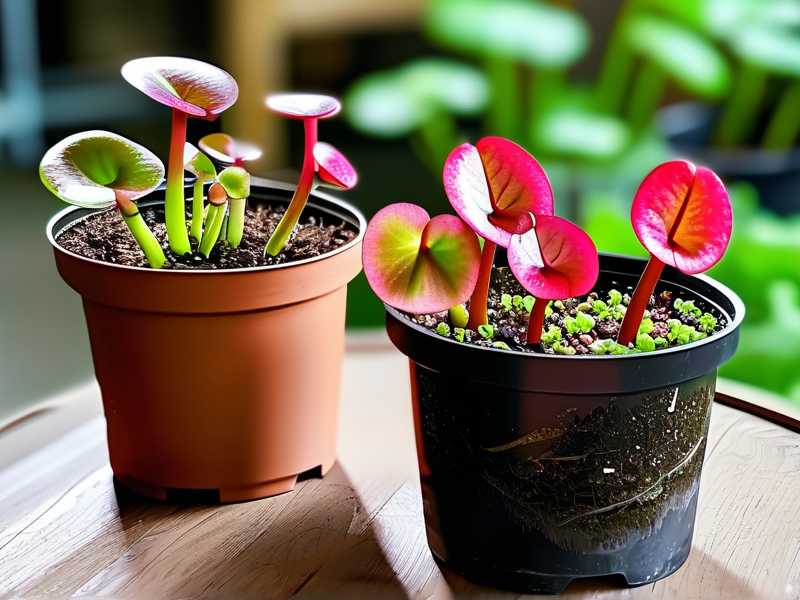
I switched to plastic pots with drainage holes. Some people use glazed ceramic. The AHS suggests plastic nursery pots as the safest bet. I also stopped using potting soil entirely. My mix is now 50% peat moss and 50% perlite or silica sand.
My 2-Week Transformation Plan
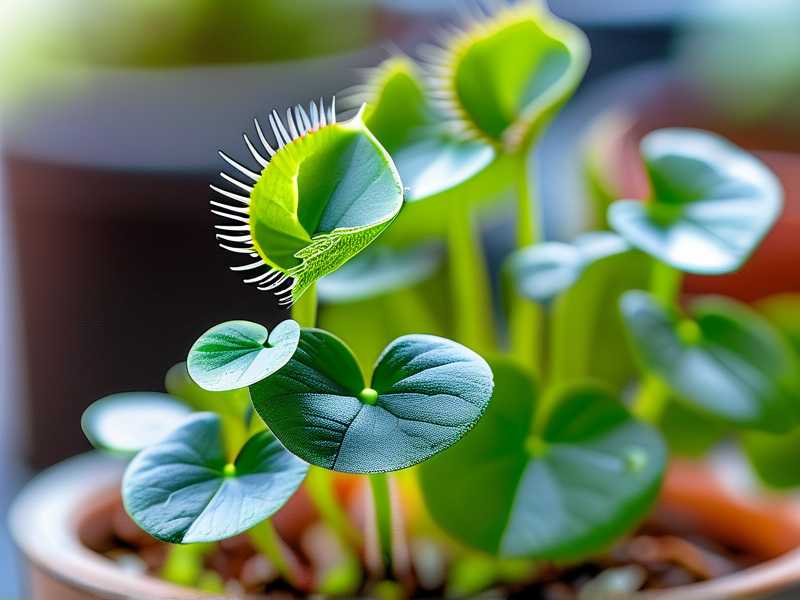
I'll tell you exactly what I did. I had a Drosera spatulata that looked terrible. The leaves were about 8 cm long, and the rosette diameter was maybe 4 cm. I wanted a tight rosette under 3 cm with short, dewy leaves.
Day 1-3: The Light Overhaul
I placed the plant under a full-spectrum LED grow light. It sits about 15 cm from the light. I set a timer for 14 hours on, 10 hours off. The first two days, I noticed the leaves started producing more dew. This was the first sign something was working.
I also stopped watering from the top. I filled the tray with distilled water and let the plant drink from below. This prevents mineral buildup on the leaves.
Day 4-7: Watching the Change
By day four, the outer leaves were still long, but the new growth in the center looked different. The new leaves were shorter and thicker. They curled inward slightly. I started seeing the beginning of a compact shape.
I kept the tray water level consistent. The temperature stayed around 21-24°C during the day and dropped to 15-18°C at night. This temperature drop mimics natural conditions and encourages compact growth.
Day 8-10: The Turning Point
The center of the rosette was noticeably denser. The new leaves were about half the length of the old ones. I measured the rosette diameter: 3.5 cm. Progress.
I adjusted the light distance. I moved it closer, to about 12 cm. The leaves showed a slight reddish tint, which is a good sign. Red pigments mean the plant is getting enough light and producing protective compounds.
Day 11-14: The Final Result
After two weeks, the rosette diameter was 2.8 cm. The leaves were thick, dewy, and curled tightly inward. The old long leaves were still there, but the new growth completely transformed the plant's appearance. I trimmed the older, stretched leaves to clean up the look.
Here's the thing that surprised me: the dew production increased significantly. More dew means better photosynthesis and healthier plants. The RHS notes that sundews with compact rosettes are generally more resilient.
What I've Learned From Killing Plants
I've killed more plants than I'd like to admit. My first sundew died from root rot. The second one starved for light and slowly withered. The third one struggled because I used tap water that left mineral deposits on the leaves.
You know what I finally understood? Sundews are not hard to care for. They just need specific conditions. Once you give them what they need, they reward you with beautiful, compact growth.
The Science Behind Compact Rosettes
The AHS explains that compact growth in sundews is primarily a response to light intensity. In nature, sundews grow in open, sunny bogs. They receive direct sunlight for most of the day. When light is insufficient, they stretch their leaves to capture more.
This is called etiolation. It's the plant's survival mechanism. But it comes at a cost. Stretched leaves have less surface area for dewdrop formation. They're also more susceptible to damage.
Temperature also plays a role. Cooler night temperatures, around 15-18°C, signal the plant to slow down vertical growth and focus on producing tighter, denser foliage. I've noticed this pattern consistently across different Drosera species.
Soil and Water: Getting the Foundation Right
I use a mix of sphagnum peat moss and perlite. The ratio is roughly 2:1. The key is to avoid any fertilizer or compost. Sundews get their nutrients from insects, not soil. Adding nutrients to the soil actually harms them.
For water, I only use distilled or rainwater. Tap water contains minerals that accumulate in the soil over time. These minerals burn the roots and reduce the plant's ability to absorb water. The RHS strongly emphasizes this point.
Humidity and Airflow
I keep my sundews in a humidity tray. A simple plastic tray filled with pebbles and water works perfectly. The evaporating water creates a microclimate of higher humidity around the plant.
But here's the catch: stagnant air causes mold. I have a small fan that runs for a few hours each day. This prevents fungal issues and keeps the plant healthy. You don't need anything fancy. A USB desk fan on low speed is enough.
Common Questions I Still Get
Why are my sundew leaves so long and thin?
This is almost always a light issue. Your sundew is stretching toward the light source. Move it closer to a window or add a grow light. I've seen dramatic improvement within one week of increasing light exposure.
Can I use regular potting soil for sundews?
No, please don't. Regular potting soil contains fertilizers and minerals that will kill your sundew. Use a mix of peat moss and perlite or silica sand. The AHS has detailed soil recipes for carnivorous plants.
How do I know if my sundew is getting enough light?
Look at the color and dew production. Healthy sundews under good light have vibrant colors, plenty of dew, and compact growth. If the leaves are green and long with little dew, increase the light. If the leaves turn brown or crispy, the light might be too intense.
Final Thoughts From Someone Who's Been There
I wish someone had told me these things before I wasted money and plants. The truth is, helping a sundew form compact leaf rosettes comes down to three things: light, water, and patience.
Give your plant enough light. Use distilled water. Wait for the new growth to show. It took me three failed plants and countless hours of research to figure this out. But once you see that tight, dewy rosette forming in the center, you'll know it was worth the effort.
I keep my sundews on a south-facing windowsill now. In winter, I supplement with grow lights. The rosettes stay compact all year round. The dew glistens in the morning light. Honestly, there's nothing quite like it.
So don't give up. If your sundew looks stretched out today, you can fix it. Start with more light. Watch the new growth. Adjust as needed. In two weeks, you'll have a different plant. I promise.