bluename
 How to Fix Sundew Leaves That Turn Dull and Lifeless
I killed my first three sundews before I figured out what was really going on. If your sundew leaves look dull, limp, or just lifeless, stop guessing. The fix is almost always simpler than you think. I’ll tell you straight: 90% of indoor plants die from overwatering, and for sundews, the problem is usually the opposite—they need pure water, constant moisture, and the right light. Let me walk you through exactly what I did wrong and how I fixed it in two weeks.
Why Your Sundew Leaves Look Dull and Lifeless
I remember staring at my first cape sundew. Its leaves drooped, the sticky dew had vanished, and the plant looked like it was melting. I panicked. I watered it more. That made things worse. Here’s the truth: sundews are not like your typical houseplants. They evolved in bogs. They drink through their roots, but they hate sitting in stagnant mineral-heavy water. Dull leaves usually mean one of three things: water stress, light shock, or root suffocation.
I’ve made every mistake in the book. I’ve also watched sundews bounce back in under 14 days. Let me save you the heartache.
The 3 Rookie Mistakes That Kill Sundews
Mistake #1: Overwatering with Tap Water
I can’t stress this enough. Tap water is death for sundews. I used to fill my watering can straight from the kitchen sink. Within a week, the leaves turned brown and brittle. I thought I was drowning it. In reality, I was poisoning it with dissolved minerals. Sundews are sensitive to calcium, chlorine, and fluoride. These salts build up in the soil, block nutrient uptake, and literally burn the roots.
Here’s what happened to me. I bought a beautiful drosera capensis from a nursery. I gave it city water every three days. By day ten, the dew had stopped forming. The leaf tips curled inward. I panicked and gave it more water. Two weeks later, the plant was dead.
I only realized my mistake when I read a post from a grower on a carnivorous plant forum. They said: “Use rainwater, distilled water, or reverse osmosis water only.” I tested this on my next plant. The difference was immediate. Within 48 hours, the leaves looked plump again. After two weeks, new dew appeared.
My advice: Never use tap water. Even filtered water isn’t safe if it’s softened. Softeners add sodium. Stick to distilled, rainwater, or RO water. I collect rainwater in a bucket during storms. It’s free and it works perfectly.
Mistake #2: Light Placement Wrong
I used to put my sundews on a north-facing windowsill. I thought “bright indirect light” meant a dim corner. Wrong. Sundews are sun-loving plants. In the wild, they grow in open bogs under full sun. Without enough light, the leaves stretch out, lose color, and stop producing dew. The dew is what catches bugs. No dew means no food, and the plant slowly starves.
I learned this the hard way. I kept a sundew on my desk under a fluorescent lamp. It looked okay for a month, then the leaves started falling over. The stems got leggy. The dew disappeared. I moved it to a south-facing window, but I did it too fast. The leaves scorched. Big mistake.
The right approach: Start slow. If you move a sundew from low light to direct sun, do it gradually. Over one week, increase exposure by one hour per day. I use a grow light now, positioned six inches above the plant, running for 14 hours a day. The leaves turn deep red or bright green, and the dew beads up like tiny diamonds. It’s beautiful.
I also learned that different sundew species need different light levels. Tropical sundews like drosera capensis can handle some direct sun. Temperate sundews like drosera rotundifolia prefer bright but cooler conditions. I match the species to my setup.
Mistake #3: Using the Wrong Pot
This one stung. I used a decorative ceramic pot with no drainage hole. I thought it looked nice. The soil stayed wet constantly. I saw the leaves turning yellow and mushy at the base. I thought it was rotting. I was right.
Sundews need air circulation around their roots. They sit in wet soil, but the water must be able to drain or evaporate. A pot without drainage is a death trap. The roots suffocate, rot sets in, and the leaves go dull.
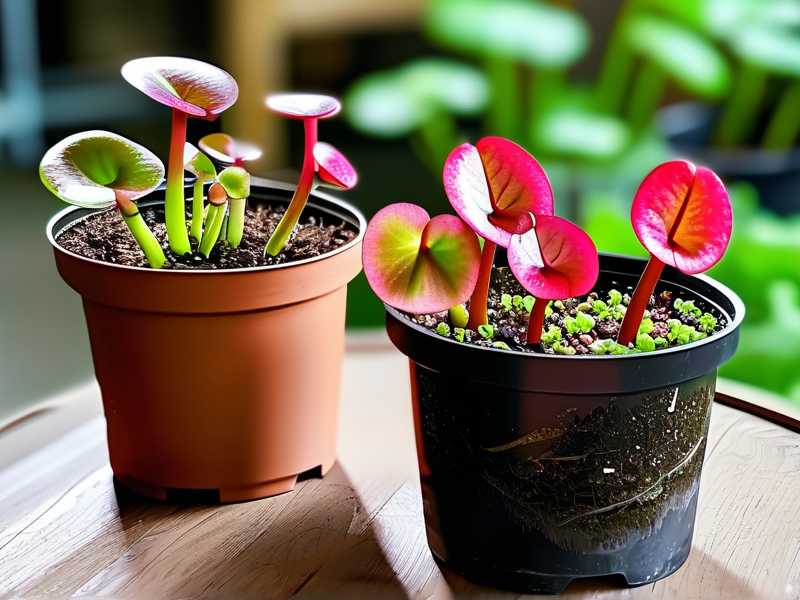
I switched to plastic pots with drainage holes. I also learned about the tray method. Place the pot in a shallow tray of water. Keep the water level at about half an inch. This keeps the soil moist without waterlogging the roots. The tray also boosts humidity, which sundews love.
My current setup: I use 4-inch plastic pots. I put them in a clear plastic tray with distilled water. I refill the tray when it’s almost dry, usually every two to three days. The plants thrive. No more yellow leaves.
How I Fixed My Sundew in Two Weeks
Here’s the step-by-step process I used to revive a sundew that looked completely dead. I’m not exaggerating. The leaves were flat, brown, and had zero dew. I almost threw it away.
Day 1: I removed the plant from its old pot. I checked the roots. They were brown and mushy. I trimmed off the dead roots with sterilized scissors. I only kept the white, firm roots. I rinsed the remaining root ball with distilled water to wash away mineral buildup.
Day 2: I repotted the sundew into fresh soil. I use a mix of 50% sphagnum peat moss and 50% perlite. No fertilizer. No garden soil. Peat moss is acidic, which sundews need. Perlite adds drainage. I moistened the mix with distilled water before putting the plant in.
Day 3: I placed the pot in a tray with half an inch of distilled water. I put it under a grow light, six inches away. The light was on for 14 hours per day. I didn’t move it.
Day 5: I checked the leaves. The center rosette looked slightly greener. No dew yet. I stopped touching the plant. I let it be.
Day 7: I saw tiny droplets of dew forming on the new growth. I felt a surge of relief. The old leaves were still brown, but the new leaves were vibrant.
Day 10: The dew expanded. The leaves turned a deep green. I could see tiny gnats stuck to the sticky glands. The plant was eating again.
Day 14: The sundew looked fully recovered. The old brown leaves dried up and fell off. The new leaves were lush, covered in dew, and the plant was actively catching prey. I had saved it.
The key was patience. I didn’t overwater. I didn’t fertilize. I just gave it pure water, light, and time.
Expert Support from RHS and AHS
I always look to trusted sources for backup. According to the RHS (Royal Horticultural Society), carnivorous plants like sundews require mineral-free water and high humidity. They recommend rainwater or distilled water exclusively. The AHS (American Horticultural Society) emphasizes that proper drainage is critical for sundew root health. They advise against terracotta pots because they leach minerals into the soil. Plastic or glazed ceramic pots are safer.
Both organizations agree: light quality directly impacts dew production. Without enough light, sundews stop making the sticky droplets that trap insects. This matches my experience completely.
Common Sundew Care Questions
Q: Can I use bottled water for sundews?
Bottled water varies. Some brands contain added minerals. Check the label. If it lists calcium, magnesium, or sodium, avoid it. I stick to distilled or rainwater. It’s the only safe bet.
Q: Should I fertilize my sundew?
Never. Sundews get their nutrients from insects. Fertilizing burns the roots. I learned this the hard way. I killed a plant by adding a drop of liquid fertilizer. The leaves turned black within hours.
Q: Why are my sundew leaves turning red?
Red leaves are usually a good sign. It means the plant is getting plenty of light. Some species turn deep red under bright conditions. If the leaves are also crisp and dewy, you’re doing great. If they’re red and shriveled, you might have light shock. Back off for a few days.
My Final Thoughts
Growing sundews is not hard once you understand their basic needs. Ignore what you know about regular houseplants. These are bog dwellers. They want pure water, strong light, and good drainage. I made every mistake in the beginning. I paid for it with dead plants. But now, my sundews are thriving. They catch gnats, produce dew, and look stunning.
Start with distilled water. Get a grow light. Use a plastic pot with drainage. Give it time. In two weeks, you’ll see the difference. I promise.