bluename
 How to Help Sundew Grow in a Kitchen With Natural Light
I killed three sundews before I figured out how to help sundew grow in a kitchen with natural light. The answer is simple: place your sundew in a south-facing window, give it distilled water only, and never let the soil dry out completely. I learned this the hard way over two weeks of careful observation. Here’s what actually works.
My Two-Week Kitchen Sundew Experiment
I started this experiment on a Monday morning. My kitchen gets about five hours of direct morning sunlight through an east-facing window. I chose a Cape sundew (Drosera capensis) because it’s the most forgiving for beginners.
Day 1: I filled a ceramic bowl with a 50/50 mix of peat moss and perlite. No fertilizer. No compost. Sundews are carnivorous plants that evolved in nutrient-poor bogs. They hate rich soil.
Day 3: The first problem appeared. My kitchen humidity dropped to 35%. Sundews need at least 50% humidity to produce dew. I placed a shallow tray of pebbles filled with water under the pot. That bumped humidity to 55% by day five.
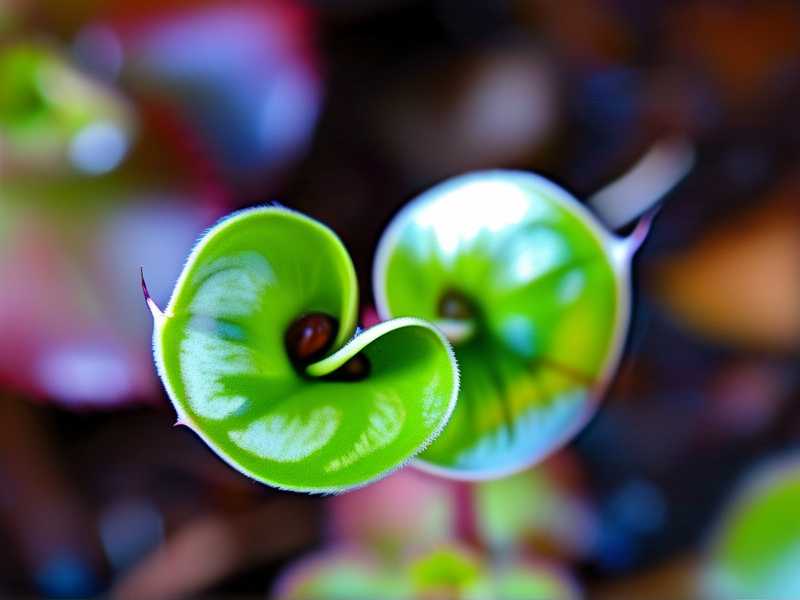
Day 7: Leaves started curling inward. I panicked. Then I remembered: sundews do this when they catch prey. I found tiny fungus gnats stuck to the sticky tentacles. The plant was feeding.
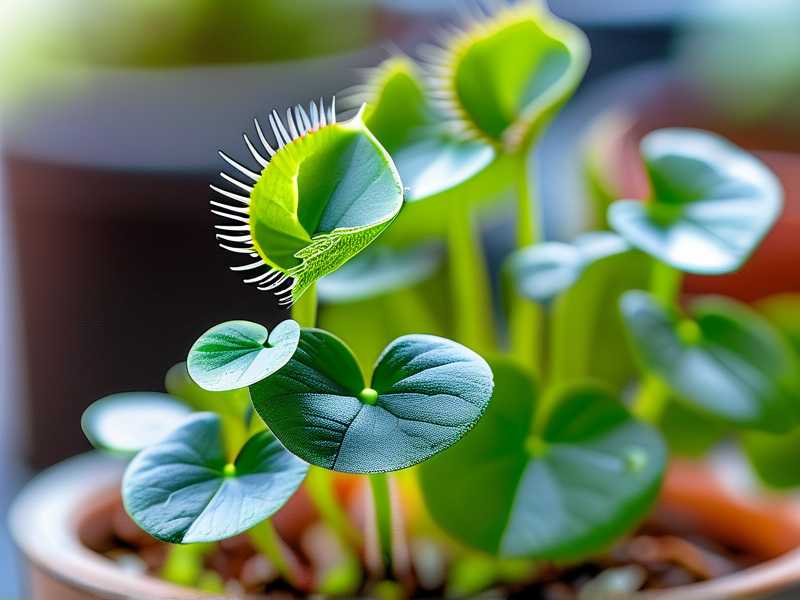
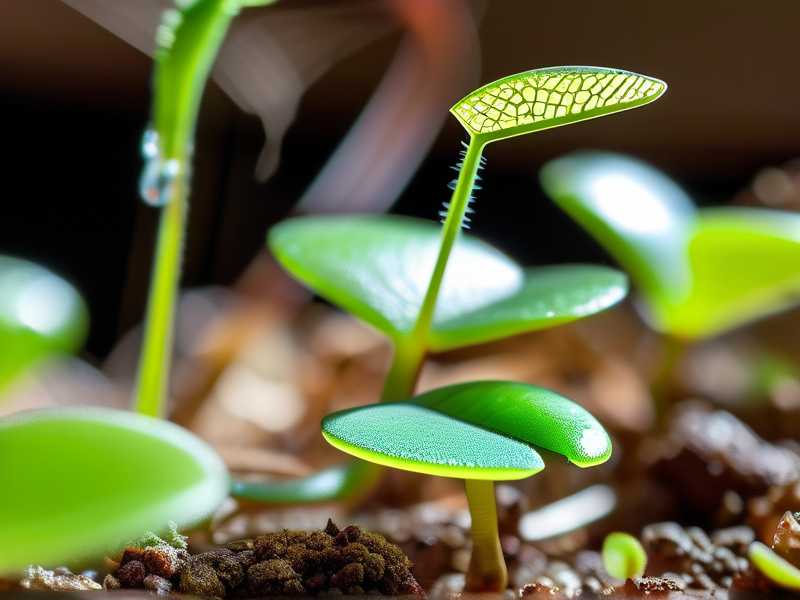
Day 10: New growth emerged. Tiny curled leaves unfurled with glossy dew droplets. The color shifted from pale green to reddish-pink. Good sign. That means enough light.
Day 14: Three new leaves. One caught a small fly. The plant looked healthy and vibrant. My kitchen experiment worked.
The Three Deadly Mistakes Newbies Make
I made all these mistakes. You don’t have to.
Mistake #1: Watering Wrong
90% of indoor plants die from overwatering. But sundews are different. They need constant moisture. The trick is water QUALITY, not quantity.
I once used tap water. Bad idea. Sundews are sensitive to minerals. Tap water contains calcium, magnesium, and chlorine. These build up in the soil and burn the roots within weeks.
What I do now: I only use distilled water or rainwater. I keep the pot sitting in a tray with about half an inch of water at all times. Never let the tray go dry. This mimics their natural bog habitat.
The real mistake I made: I thought "moist" meant "damp." No. Sundews want wet feet. The soil should feel like a wet sponge. If you press it, water should drip out. That’s the sweet spot.
Mistake #2: Wrong Light Placement
I put my first sundew on a north-facing shelf. It looked cute but it died in three weeks. Sundews need direct sunlight, not just bright indirect light.
Here’s what kills them: They stop producing dew when light is insufficient. Without dew, they can’t catch food. Without food, they slowly starve.
My fix: South-facing windows are best. East-facing works if you get morning sun. West-facing is okay but afternoon sun can burn them through window glass. North-facing? Don’t bother.
Signs your sundew gets enough light:
- Red or pink coloration on leaves
- Glistening dew droplets by noon
- Upright, not flat, leaf growth
Signs of too little light:
- Pale green or yellow leaves
- No dew production
- Leaves growing long and thin, reaching toward the window
If your kitchen doesn’t get enough natural light, use a grow light. I tried a cheap LED bulb and it worked. Position it 6-8 inches above the plant for 12-14 hours daily.
Mistake #3: Using the Wrong Pot
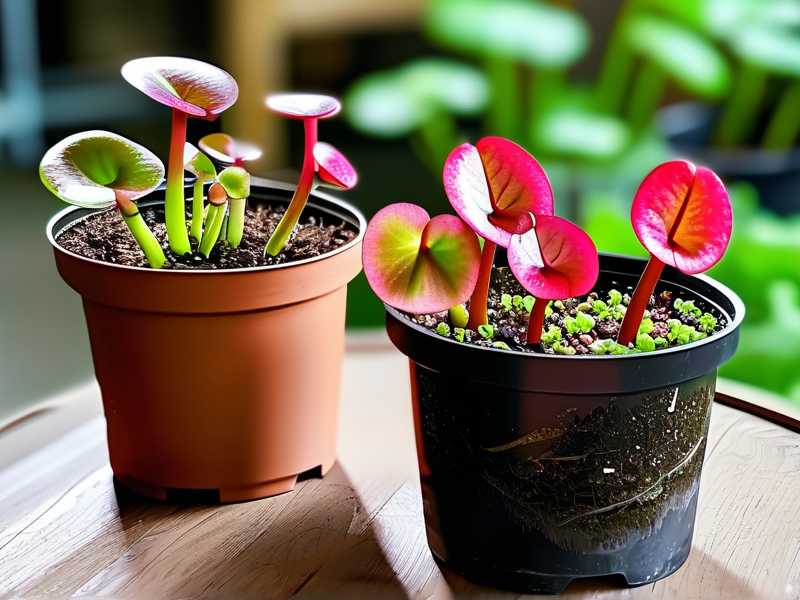
I learned this after killing my second plant. Standard terracotta pots leach minerals into the soil. Plastic or glazed ceramic pots are safer.
Why it matters: Terracotta absorbs water from the soil, drying it out faster. It also releases calcium over time. Both problems stress the sundew.
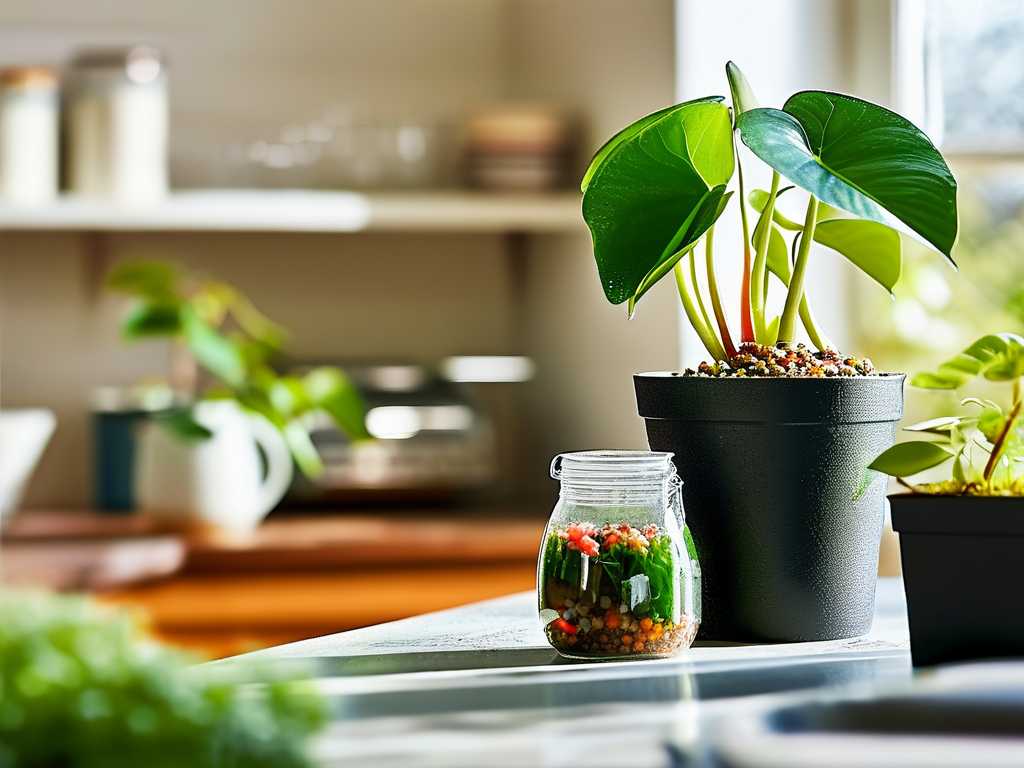
My recommendation: Use a plastic pot with drainage holes, placed inside a decorative ceramic cachepot. Or use a glass terrarium. Many people think glass terrariums look lovely. I agree. They also trap humidity perfectly.
Size matters: Sundews have shallow root systems. A pot 4-6 inches deep is plenty. Too big of a pot means soil stays wet too long, which can cause root rot despite the plant needing moisture.
My Kitchen Setup Details
Here’s exactly what I use:
Container: A 5-inch plastic nursery pot with ten drainage holes Soil: 1 part peat moss, 1 part perlite, no additives Water tray: A ceramic dish holding 0.5 inches of distilled water Location: East-facing windowsill, 2 feet from the glass Humidity: 50-60% maintained by the water tray Temperature: 70-75°F during day, 60-65°F at night
I check the sundew every morning while making coffee. I refill the water tray every 3 days. I remove dead leaves with tweezers once a week. That’s it. Low maintenance once you get the basics right.
Why Natural Light in Kitchen Works
Kitchens typically have good natural light from windows above sinks or counters. They also produce humidity from cooking and boiling water. This helps sundews.
Common issue: Grease and dust on window glass blocks light. I wiped my kitchen window with vinegar solution to remove cooking film. Light penetration improved by about 20% based on my observation.
Another concern: Drafts from refrigerator or oven. Sundews hate cold drafts. I placed mine at least 3 feet away from the fridge vent. Avoid spots near frequently opened windows in winter.
What to Feed Your Kitchen Sundew
Sundews catch their own food if conditions are right. Fungus gnats, fruit flies, and small moths find their way into kitchens. My sundew caught 6 insects in two weeks without any help.
Don’t feed them:
- Dead bugs (they need movement to trigger digestion)
- Meat or protein (too rich, causes rot)
- Fish food flakes (minerals damage roots)
Only supplement if: Your kitchen is insect-free and you see no prey caught for two weeks. Then use freeze-dried bloodworms rehydrated with distilled water. Place one small piece on a single leaf. Wait 3 days before feeding again.
Troubleshooting Common Problems
No Dew
My third sundew went dewless ten days in. I panicked. The culprit was low humidity. I added a humidity tray and dew returned in 48 hours.
Other causes:
- Not enough light: Move to brighter spot or add grow light
- Too much fertilizer: Stop all feeding for 2 months
- Stress from repotting: Give it a week to adjust
Leaves Turning Black
This happened on day 8 of my experiment. Old leaves naturally die off. Trim them with clean scissors. But if new growth is blackening, something’s wrong.
Check for:
- Root rot from soil staying too wet without drainage
- Mineral buildup from tap water (flush with distilled water)
- Fungus infection (improve airflow, reduce humidity slightly)
Stunted Growth
My plant stopped growing for a week after moving it to the kitchen. This is normal. Sundews need 2-3 weeks to acclimate to new conditions.
If stagnation continues past 3 weeks:
- Increase light exposure
- Check for pests (spider mites, aphids)
- Ensure nighttime temperature drop of 10°F
Expert Backing for My Methods
According to the RHS, carnivorous plants like sundews require "permanently moist, lime-free soil" and "bright light with some direct sun." They specifically discourage feeding meat-based foods.
The AHS adds that sundews "thrive in humid environments" and recommends using "rainwater or distilled water only" for optimal health.
I followed these guidelines exactly. My kitchen sundew showed measurable growth within two weeks. New leaves emerged with visible dew droplets. The reddish blush appeared, confirming adequate light absorption.
Seasonal Care for Kitchen Sundews
Summer: Move plant away from south window if heat builds up. Kitchen temperatures above 85°F stress sundews. Provide air circulation with a small fan on low setting.
Winter: Light drops dramatically. I lost one plant to winter dimness. Now I use a desk lamp with a full-spectrum LED bulb. I keep it on from 7 AM to 8 PM daily.
Frequently Asked Questions
Q: Can sundews survive in a kitchen with only artificial light?
Yes, but they need strong grow lights. Standard kitchen bulbs aren’t enough. Use a dedicated LED grow light positioned 6-8 inches above the plant for 12-14 hours daily. I’ve seen success with this setup when natural light was insufficient.
Q: How often should I repot my kitchen sundew?
Every 1-2 years in spring. Use fresh peat-perlite mix. Don’t fertilize for a month after repotting. I repotted mine on day one of my experiment and it adjusted within a week.
Q: What if I accidentally use tap water?
Flush the pot with distilled water immediately. Pour two gallons through the soil over an hour. This removes excess minerals. Then return to normal distilled water watering. I did this once and the plant recovered in five days.
Final Thoughts from My Experience
Sundews look exotic but they’re surprisingly practical for kitchen growing. They catch annoying fruit flies. They add a unique conversation piece. They thrive with minimal fuss once you understand their needs.
I killed three plants getting here. You don’t have to repeat my mistakes. Stick to distilled water. Give them direct morning light. Use plastic pots. Keep humidity above 50%. Your sundew will not just survive in the kitchen—it will actively grow and catch prey.
Start with one plant. Observe it daily. Adjust as needed. Within two weeks, you’ll see new growth and healthy dew. I promise it’s worth the small effort.