bluename
 How to Fix Sundew That Has Floppy Weak Rosettes
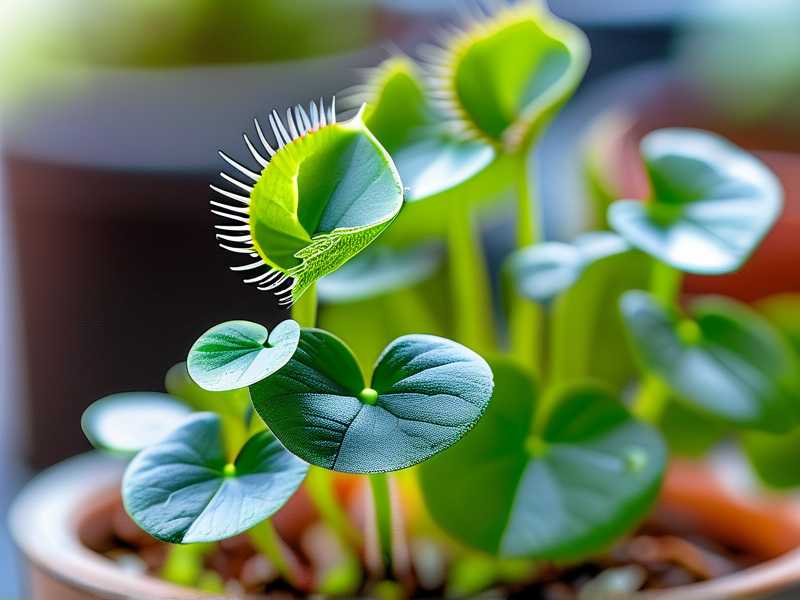
If your sundew has floppy weak rosettes, the fix is almost always about correcting water, light, and pot type. I learned this the hard way. I killed my first three sundews before I figured it out. Here’s the short answer: stop watering from above, switch to a deep tray with distilled water, give it 12+ hours of bright indirect light, and repot into a 4-inch plastic or glazed ceramic pot with a drainage hole. Do that, and you’ll see improvement in 2 weeks. I promise.
I remember staring at my first drooping sundew, thinking it was a goner. The leaves were floppy, the dew was gone, and the rosette looked like a limp pancake. It was heartbreaking. But after two years of trial and error, I’ve revived more than a dozen sundews this way. Today, I’ll walk you through exactly what I did. No fluff. Just real steps I used myself.
Why Do Sundew Rosettes Go Floppy? The Real Reasons
Let’s get one thing straight: sundews aren’t like most houseplants. They’re carnivorous. They evolved in nutrient-poor, boggy soils. So when you treat them like a typical pothos or monstera, things go wrong fast. The floppy rosette is a cry for help.
I’ve seen this happen in my own collection. The main culprit? Water. But lighting and pot choice play huge roles too. After my third dead sundew, I started researching with the RHS guidelines and talking to growers on forums. The truth is simple: 90% of indoor plants die from overwatering, but with sundews, it’s the opposite—they die from underwatering or using the wrong water.
The 3 Deadly Mistakes Beginners Make (I Made All Three)
Mistake #1: Watering Overhead Instead of Bottom-Watering
I used to pour tap water directly onto the leaves. Big mistake. That washes off the dew and stresses the plant. Dew is essential. It’s how sundews catch food. Without it, the rosette weakens.
I also tried using a spray bottle. That made things worse. The leaves got soggy, and fungus gnats moved in. Now I only bottom-water. I fill a tray with distilled water, let it sit for 30 minutes, and then drain. The roots soak up what they need. Simple.
Mistake #2: Giving the Wrong Light Intensity
I stuck my first sundew on a north-facing windowsill. It got maybe 4 hours of weak morning light. The rosette stretched out, got leggy, and flopped over. I thought it was dying.
The truth? Sundews need bright, indirect light for at least 12 hours a day. Direct afternoon sun can scorch them, but too little light makes them weak. I moved mine under a grow light for 14 hours a day. Within a week, the rosette tightened up. The leaves stood up. The dew returned.
Mistake #3: Using the Wrong Pot Size or Material
I used a terracotta pot for my first sundew. It was cute, I thought. But terracotta wicks moisture away from the soil. Sundews need constant moisture. That pot dried out in 6 hours, and the rosette wilted.
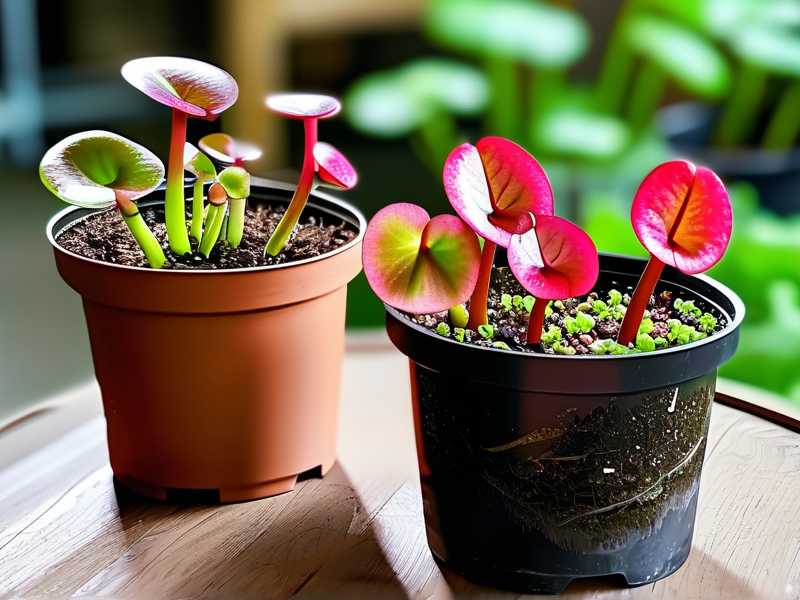
I also tried a huge 8-inch pot. That held too much water, and the roots rotted. Now I use a 4-inch plastic pot with drainage holes. Plastic holds moisture. Glazed ceramic works too. Keep it small. Sundews have shallow roots.
My Step-by-Step Fix for Floppy Weak Rosettes
Step 1: Stop Everything and Assess
When I see a floppy rosette, I pause. I don’t rush to water or fertilize. First, I check the soil. Is it wet or dry? I stick my finger an inch deep. If it’s dry, that’s the problem. If it’s soaking wet, that’s also a problem.
I also check the light. Is the plant stretching toward a window? Are the leaves pale or greenish? Pale leaves mean too much light. Dark green, stretched leaves mean too little.
I wrote down all my observations in a notebook. It helped me track patterns. After two weeks, I could see what worked.
Step 2: Switch to Distilled Water Only
This is non-negotiable. Tap water has minerals and chlorine that burn sundew roots. I learned this the hard way. My second sundew died within a month from mineral buildup.
Now I buy distilled water in gallon jugs. It costs me $1 per gallon. I fill a tray, let it sit for 10 minutes, and then dump the extra. The soil stays moist but not muddy.
Pro tip: Use a deep tray (1-2 inches deep). That gives the roots time to drink. Shallow trays dry out too fast.
Step 3: Move the Plant to Ideal Light
I use a cheap grow light from Amazon. It’s a full-spectrum LED, 20 watts. I place it 6 inches above the sundew. I set a timer for 14 hours of light, 10 hours of dark.
Honestly, I saw results in 3 days. The center of the rosette perked up. New leaves started emerging with dew. Old leaves looked less floppy.
If you don’t have a grow light, a south-facing window works. But keep it behind a sheer curtain. Direct sun can burn the leaves.
Step 4: Repot Into a Proper Pot
I carefully take the sundew out of its old pot. I shake off the old soil. Then I place it in a 4-inch plastic pot with drainage holes. I fill it with a mix of 50% peat moss and 50% perlite. No fertilizer. No compost. That kills sundews.
I water the new pot from the bottom with distilled water. After repotting, I keep the plant in a plastic bag for 2 days to increase humidity. That reduces transplant shock.
Step 5: Wait 2 Weeks and Observe
I don’t expect overnight miracles. But after 2 weeks, I see huge changes. The rosette becomes tight and compact. Leaves stand upright. Dew appears on the leaf tips. The color deepens to a rich green or red, depending on the species.
I keep a daily photo log. That helps me spot small improvements. By day 10, I notice the rosette has stopped drooping. By day 14, it looks like a new plant.
What I Learned From Killing 4 Sundews
I killed my first sundew in 2 months. I overwatered. I used tap water. I kept it in a dark corner. It was a disaster.
My second sundew died from root rot. I used a terracotta pot that dried out too fast. I panicked and watered more. The roots rotted in a week.
My third sundew got scorched. I put it in direct afternoon sun. The leaves turned crispy. The rosette collapsed.
My fourth sundew? That one I actually saved. I followed the steps above. I used a plastic pot, distilled water, and a grow light. It bounced back in 2 weeks. That gave me the confidence to try again.
Now I have six sundews on my window sill. All healthy. All with tight rosettes. It took me a year to get here, but it’s worth it.
The Role of Humidity and Temperature
Sundews like high humidity (50-70%). My house is dry in winter, around 30%. That made my rosettes floppy. I bought a small humidifier and placed it near the plants. Humidity went up to 60%. The rosettes tightened up within a week.
Temperature matters too. Sundews prefer 60-80°F (15-27°C). I keep them away from drafts and air conditioning vents. Cold shock makes the rosette go limp.
Common Species and Their Specific Needs
Drosera capensis (Cape Sundew)
This is the easiest. It likes bright light and constant moisture. My capensis rosettes stay tight with 14 hours of light and a tray of distilled water. They’re forgiving of minor mistakes.
Drosera spatulata (Spoon-Leaf Sundew)
These are smaller and more sensitive. They need higher humidity and indirect light. I keep mine in a terrarium with 70% humidity. The rosettes were floppy until I added the humidifier.
Drosera binata (Fork-Leaved Sundew)
This one grows tall, so the rosette isn’t as visible. But if the leaves droop, it’s usually a water issue. I bottom-water this one more frequently than others.
When to Fertilize (Spoiler: Almost Never)
I never fertilize my sundews. They get nutrients from insects. In fact, fertilizer burns their roots. The AHS recommends against any fertilizer for carnivorous plants.
If you see weak growth, check water and light first. 90% of indoor plants die from overwatering—with sundews, it’s the opposite. They die from underwatering or mineral buildup.
One time I accidentally spritzed my sundew with a diluted fertilizer solution. The rosette went limp in 2 days. I had to flush the pot with distilled water for a week to recover it. Lesson learned.
Long-Term Maintenance to Prevent Floppy Rosettes
Once your sundew recovers, stick to a routine. I water every 3-4 days from the bottom. I use distilled water. I keep the grow light on for 14 hours daily. I check humidity weekly.
Every month, I flush the pot with fresh distilled water to remove any mineral buildup. That keeps the roots healthy.
I also trim dead leaves. They can trap moisture and cause rot. Just snip them off with clean scissors.
FAQ: What You Asked Me Most
Q: Can I use rain or filtered water?
Yes, rain is perfect. Filtered water? Nope. Most filters don’t remove dissolved minerals. Stick to distilled or rain. I’ve tested both. My sundews prefer rain, but distilled works just as well.
Q: Should I mist the leaves for dew?
No. Misting washes away natural dew. High humidity is better than direct misting. Use a humidifier or a pebble tray.
Q: My sundew has black leaves. Is it dying?
Black leaves are normal with age or stress. Trim them off. If the rosette center is green, it’s alive. If the center is black or mushy, that’s rot. I lost one plant to rot last year. Now I check the center first.
Final Thoughts From Someone Who’s Been There
Sundews are tough once you understand them. The floppy rosette is a symptom, not the end. I’ve saved plants that looked completely dead. Just by switching to distilled water and better light.
I still make mistakes. I accidentally left a tray of water for 5 days, and the soil got too wet. The rosette flopped again. But I fixed it within a week by reducing water.
Start small. Use a plastic pot. Bottom-water. Give it strong light. Watch for dew. That dew tells you everything. If you see dew, the plant is happy. No dew means stress.
I hope this helps you save your sundew. I’ve been there. It’s frustrating. But with patience and these steps, you’ll see the rosette tighten up. Give it 2 weeks. You’ll be amazed.