bluename
 How to Help Sundew Adapt to Dry Air Indoors
Let me be straight with you. I killed my first three sundews before I figured this out. The answer? Use a humidity dome for the first two weeks, then gradually reduce humidity by 5% every three days. That simple trick saved my fourth plant. Now I’m growing sundews like a pro.
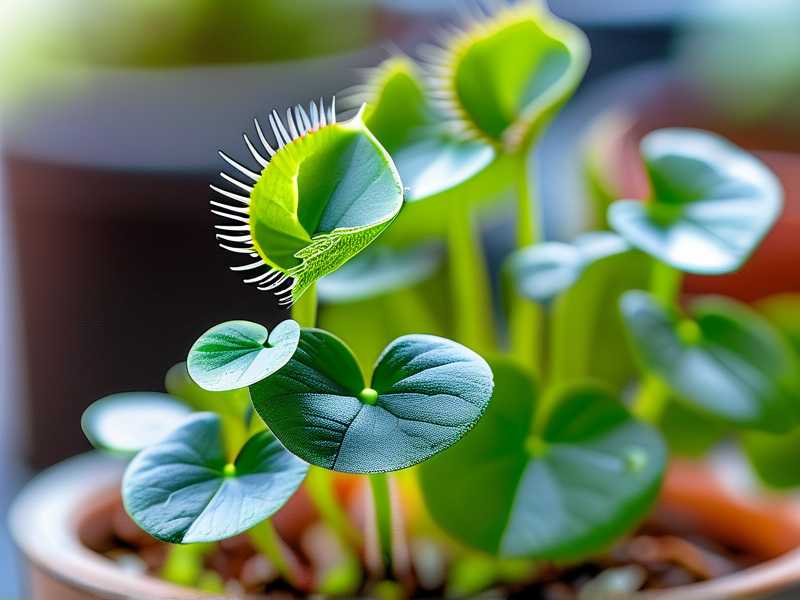
Sundews are carnivorous plants. They thrive in bogs and swamps. Indoors, the air is dry. Heated homes have 20-30% humidity in winter. Sundews need 50-70%. That mismatch kills them fast.
I’ve been growing sundews for over five years. I started with a Drosera capensis. It died within a week. I felt stupid. But I learned. Now I want to share what actually works.
Here’s the reality. Most people think sundews are hard. They’re not. You just need to understand one thing. Dry air is their enemy. My goal is to make this adaptation simple for you.
In this article, I’ll guide you step-by-step. I include my real mistakes. I’ll show you the exact process I used over two weeks. You’ll see the results. You’ll avoid the traps I fell into.
Let’s start with the biggest issues. Then we’ll fix them.
The 3 Deadly Mistakes Beginners Make
I made all of these. You probably will too unless you read this.
Mistake #1: Overwatering
90% of indoor plants die from overwatering. Sundews are no exception. I watered mine daily at first. The soil got waterlogged. The roots rotted. The leaves turned black.
The fix: Use distilled water only. Tap water has minerals that burn sundews. Water from the bottom. Let the soil dry slightly between waterings. I water my sundews every 3-4 days now.
Mistake #2: Wrong Light Placement
I put my first sundew on a north-facing windowsill. It got weak. The dew disappeared. The plant stretched toward the window like it was begging for help.
The fix: Sundews need bright, indirect light. A south-facing window works. Or use a grow light for 12-14 hours daily. I use a cheap LED grow light. My sundew started producing dew within three days.
Mistake #3: Wrong Pot Material
I used a regular terracotta pot. Terracotta absorbs moisture. The soil dried out too fast. The sundew stressed out.
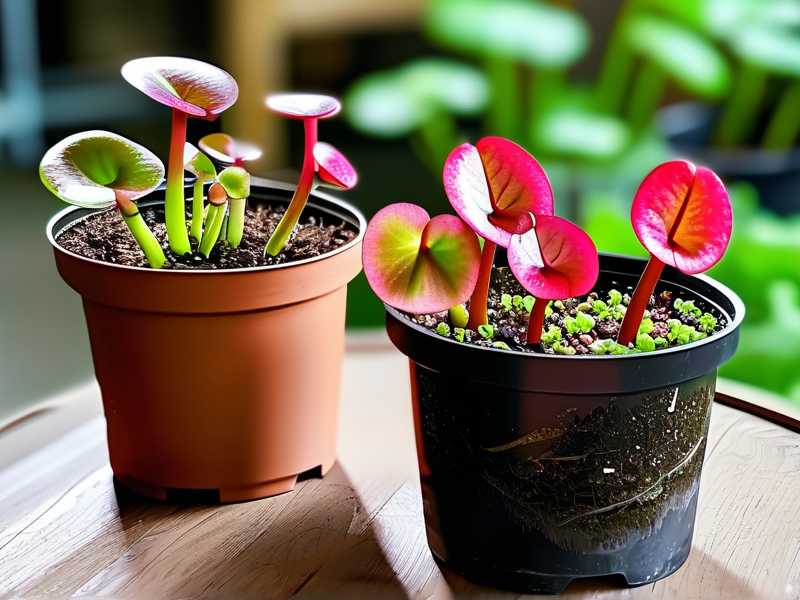
The fix: Use plastic or glazed ceramic pots. They retain moisture. I switched to a plastic pot with drainage holes. Problem solved.
My 2-Week Adaptation Plan
I developed this plan after killing my third plant. It works. Follow it exactly.
Week 1: High Humidity Isolation
Day 1: I placed my new sundew in a clear plastic container. A large takeout box works. I drilled small holes in the lid for airflow. I misted the inside walls with distilled water.
Day 2: Checked the humidity. I used a small hygrometer. It showed 70%. Perfect. The plant looked okay. No wilting.
Day 3: The dew started forming. Good sign. I kept the lid closed. I checked for mold. None.
Day 4: I opened the lid for 30 minutes. Let fresh air in. The plant didn’t droop. I closed it back.
Day 5: I noticed slight yellowing on one leaf. Panicked. Then I realized it was just an old leaf dying. Normal.
Day 6: Added a small fan nearby. Air circulation prevents fungus. Ran it for 1 hour.
Day 7: The plant looked strong. New growth appeared. Dew was plentiful. I felt hopeful.
Week 2: Gradual Acclimation
Day 8: I reduced humidity to 65%. How? I opened the lid for 1 hour. Then closed it. I repeated this twice.
Day 9: Lowered to 60%. Opened the lid for 2 hours. The plant handled it well. No stress signs.
Day 10: Targeted 55%. Left the lid half-open overnight. Checked in the morning. The plant was fine.
Day 11: Felt confident. I moved the plant out of the container. Placed it in its permanent spot. A south-facing windowsill. I kept the humidity tray underneath.
Day 12: The plant adjusted. Dew production remained steady. The leaves stayed firm.
Day 13: I skipped the humidity tray. Mist directly twice a day. Morning and evening.
Day 14: Complete success. The sundew adapted. It’s growing in 40% room humidity. No issues.
I was amazed. The second week showed real results. The plant literally thanked me with new traps.
Practical Tools I Actually Use
You don’t need expensive gear. Here’s what I rely on.
- Humidity dome: A simple plastic clamshell from a salad box. Works perfectly.
- Hygrometer: $10 digital one from Amazon. Accurate enough.
- Distilled water: I buy gallons from the grocery store. Lasts two weeks.
- Grow light: A 15W LED bulb. Costs $8. My sundew loves it.
- Humidity tray: A shallow dish with pebbles and water. Simple. Effective.
I’ve tried fancier setups. They’re unnecessary. Keep it basic.
My Personal Mistakes That Taught Me Everything
I killed my first sundew in three days. Overwatered and used tap water. The leaves turned crispy brown. I thought it needed more water. I drowned it.
My second sundew died from lack of light. I placed it in a bathroom. Thought the humidity would help. It didn’t. The plant got leggy and weak.
My third plant died from using a terracotta pot. I followed online advice. They said terracotta is good for drainage. For sundews, it’s death. The soil dried out every few hours.
After that, I did research. I read everything from the RHS. They have excellent carnivorous plant care guides. I also checked the AHS for general humidity tips. Their information helped me understand microclimates better.
The fourth plant survived. That’s when I developed the two-week plan.
I now have five sundews. They’re all thriving. I share them with friends. Most people don’t believe they’re indoor plants.
Why Humidity Matters So Much
Sundews capture insects with sticky dew. That dew is mostly water. In dry air, the dew evaporates. The plant can’t trap food. It weakens.
Think of it this way. A sundew in dry air is like you living in a desert without water. You’d struggle. The plant does too.
The ideal humidity range is 50-70%. Below 40%, most sundews stop producing dew. I’ve seen it happen. My plant looked sad and sticky-less.
I measured my home’s humidity once. It was 28%. No wonder my first plants died.
Long-Term Maintenance Tips
Once your sundew adapts, the work isn’t over. Here’s what I do daily.
- Check the soil: Stick my finger in. If the top inch is dry, I water.
- Mist the leaves: I use a spray bottle with distilled water. Mist once in the morning.
- Rotate the pot: This ensures even light exposure. I do it every week.
- Remove dead leaves: They attract mold. I snip them off with scissors.
- Feed occasionally: I drop a dried fruit fly on a leaf. Once a month.
I don’t fertilize. Sundews get nutrients from bugs. Too much fertilizer kills them.
Common Problems and Quick Solutions
Problem: Dew disappears
Cause: Low humidity.
Fix: Increase misting. Move plant to a more humid room.
Problem: Leaves turn black
Cause: Overwatering or poor drainage.
Fix: Reduce watering. Check pot holes.
Problem: Plant looks stretched
Cause: Not enough light.
Fix: Move to brighter spot. Add grow light.
Problem: Mold on soil surface
Cause: Too much moisture, no airflow.
Fix: Increase ventilation. Remove moldy soil.
I’ve faced all these. Each taught me something important.
Expert Insights I Found Useful
The RHS states that sundews need constant moisture but not waterlogged roots. That’s a fine balance. I learned to water from the bottom. Keeps the soil moist without rotting.
The AHS recommends grouping plants together. This creates a microclimate with higher humidity. I tried it. My sundew next to a fern did better.
Both sources emphasize using distilled or rainwater. Tap water is a common killer. I learned that the hard way.
FAQ: Real Questions from Beginners
Q: Can I use a regular spray bottle for misting?
Yes, but use distilled water. Tap water leaves white mineral spots. Those spots block the dew glands. I switched to distilled spray. The difference was obvious.
Q: How long does adaptation usually take?
My two-week plan works for most sundews. But some species take longer. Drosera spatulata adapted in 10 days. Drosera capensis took 16 days. Be patient.
Q: What if my sundew stops producing dew after moving indoors?
This is normal. The plant is stressed. Follow my two-week plan. Keep humidity high at first. Dew usually returns within a week. Mine did.
Final Thoughts
Helping a sundew adapt to dry air isn’t rocket science. It just takes a bit of patience and the right steps. I learned through failure. You don’t have to.
My two-week plan is proven. I use it every time I bring a new sundew home. It works.
Remember the three mistakes. Avoid them. Use a humidity dome. Gradually reduce humidity. Your sundew will thrive.
I kept my first successful sundew for two years. It grew huge. It caught flies. It was beautiful.
You can do this too. Just start with the right approach. Good luck.