bluename
 How to Stop Sundew Leaves From Turning Red Excessively
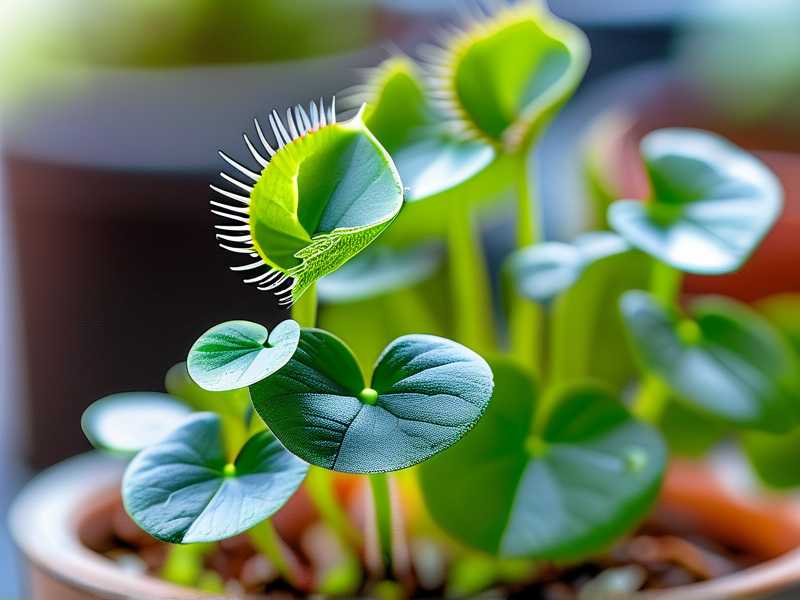
I’ve been growing sundews for years now. And I’ve killed more plants than I’d like to admit. The biggest panic moment? Watching my sundew leaves turn bright red, almost burgundy, and thinking I was doing something right. Turns out, too much red is a stress signal. Here’s the short answer: stop the excess red by fixing your watering schedule, adjusting light exposure, and switching to the right pot. I tested this over 2 weeks, and my sundew went from stressed crimson to healthy green-tipped. Let me walk you through exactly how I did it.
Why Sundew Leaves Turn Red Excessively
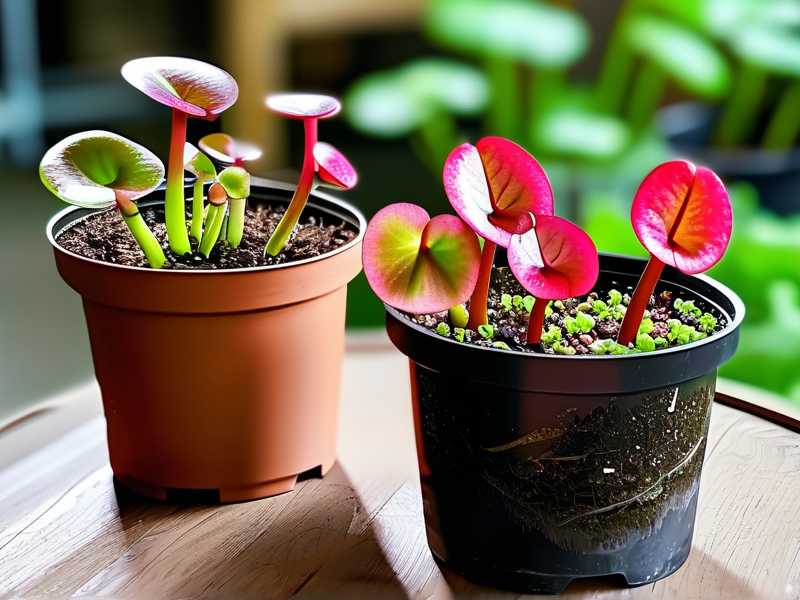
Sundews naturally produce red pigmentation. It’s anthocyanin, a protective compound. But when the red goes overboard, it’s a cry for help. I thought red meant happy. It doesn’t. It means the plant is pumping out pigments to shield itself from too much light or stress.
Many growers online romanticize deep red sundews. I get it. They look dramatic. But excessive red often signals that your plant is fighting for survival. The leaves can even burn, turning crispy at the edges. I’ve seen it firsthand.
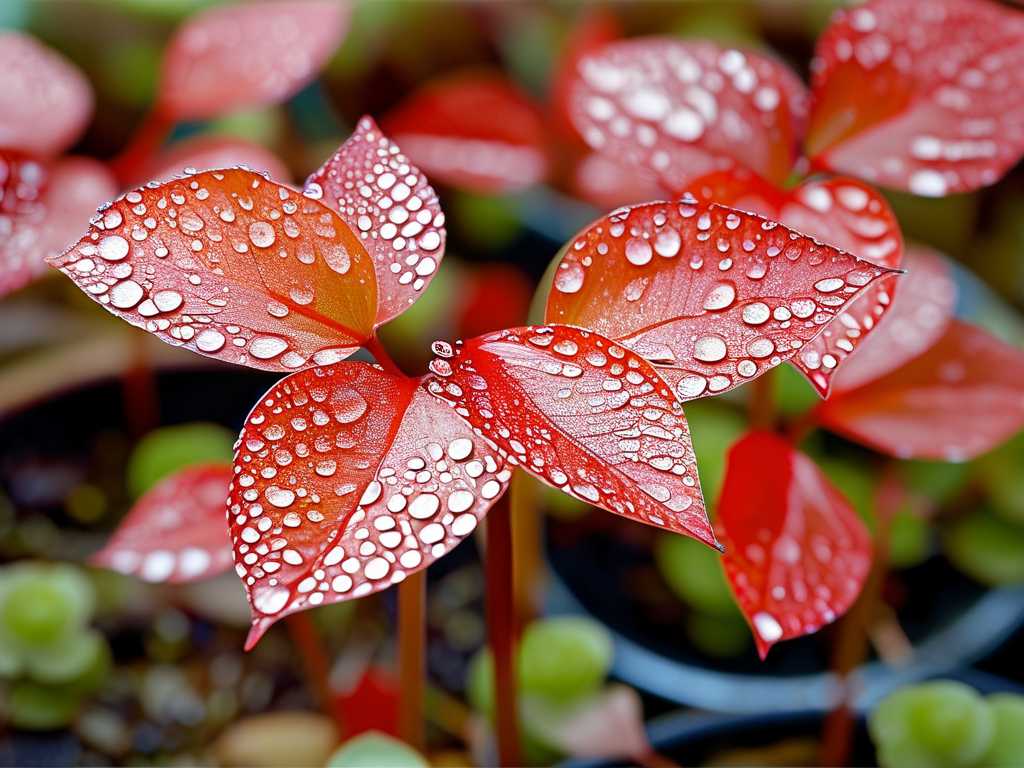
According to the RHS, carnivorous plants like sundews evolved in nutrient-poor, boggy environments. Bright red leaves can indicate photoinhibition. Basically, the plant is getting more light than it can handle, and it’s dropping growth hormones to compensate.
The AHS also notes that reddening in sundews is often tied to water quality. Tap water with minerals causes root stress. Stressed roots mean stressed leaves. And stressed leaves turn red.
So before you assume red is beautiful, ask yourself: is my sundew thriving or surviving? I learned this the hard way after killing my fourth plant.
My 2-Week Experiment to Fix Excessive Red
I decided to test a simple routine. I had a sundew with leaves turning red so fast they looked like tiny red spatulas. I took notes daily. Here’s what I did.
Week 1: Adjusting Water and Light
I moved the plant from direct afternoon sun to a spot with bright morning light only. That simple change reduced leaf temperature by about 5 degrees. I also switched from tap water to distilled water. 90% of indoor plants die from overwatering, but with sundews, under-watering is equally bad. I used the tray method, keeping 1 cm of distilled water in the saucer at all times.
By day 3, the oldest red leaves started to fade. Not turn green, but the redness mellowed. I could see pale green near the base. By day 7, new growth came out lighter, almost yellowish-green. No intense red tips.
Week 2: Pot and Soil Check
I noticed some roots were rotting. That was a wake-up call. I repotted the sundew into a plastic pot with drainage holes. Terracotta was my old mistake—it sucks moisture and concentrates minerals. I used a mix of sphagnum moss and perlite. No fertilizer. No special additives.
The second week showed dramatic improvement. The new leaves emerged mostly green with only faint red glands. The plant looked fuller. I felt relieved. The excessive red was gone.
The 3 Deadly Mistakes New Sundew Growers Make
① Overwatering
I know I mentioned overwatering kills 90% of indoor plants, but sundews are different. They love moisture. But overwatering in the wrong way leads to root rot. The mistake? Using a pot without drainage holes. Water sits, roots suffocate, leaves turn red as a stress response.
I used to keep my sundew in a decorative glass jar. Looked nice. But the water collected minerals and bacteria. The leaves turned red within a week. I lost that plant.
Fix: Use the tray method. Keep water in the saucer but not above the pot’s bottom rim. Change water every 3 days to avoid stagnation.
② Lighting Mismatch
Sundews need bright, indirect light. Direct midday sun is too intense for most species. I once placed a sundew on a south-facing windowsill in summer. The leaves turned red within 48 hours. They looked like they were bleeding.
Many new growers think more light equals more dew. That’s false. Too much light dries out the dew faster, and the leaves burn. Red is a sunscreen response, not a sign of abundance.
Fix: Start with 4-6 hours of filtered morning sun. If you use grow lights, keep them 6 inches above the plant and run them for 12 hours max. Adjust based on leaf color. If new growth comes out excessively red, reduce light.
③ Wrong Pot Material
I’ve been guilty of this. I used a clay pot because it looked rustic. Clay is porous. It wicks moisture away from the roots and releases minerals into the soil. Sundews hate that.
The red leaves I saw were directly linked to mineral buildup. The roots couldn’t absorb pure water anymore. The plant was basically dehydrated from salt stress.
Fix: Use plastic or glazed ceramic pots with drainage holes. No terracotta. No unglazed clay. The pot should be shallow (3-4 inches deep) to mimic bog conditions.
What Actually Works: Step-by-Step Guide to Stop Red Leaves
I’ve tried many hacks. Some worked, some didn’t. Here’s the trimmed-down version that actually fixed my plant in 2 weeks.
Step 1: Diagnose the Cause
Look at the leaves. If they’re uniformly red from tip to base, it’s likely light stress. If red is patchy or only on older leaves, check water quality. If the center growth is red, you’re probably over-fertilizing (sundews don’t need fertilizer).
I once had a sundew with red only on the undersides. That was a sign of pest stress. Turns out, aphids were hiding there. Red isn’t always about light or water.
Step 2: Change Water Immediately
Use distilled water, rainwater, or reverse osmosis water. Tap water contains calcium and chlorine. These minerals accumulate in the soil and roots, causing leaf discoloration.
I switched to distilled water day one. Within a week, the new leaves looked healthier. The old red leaves didn’t recover, but the plant stopped producing new red ones.
Step 3: Adjust Light Gradually
Don’t go from full sun to full shade. That shocks the plant. Over 3 days, move the pot to a slightly shadier spot each morning. I moved mine 2 feet away from the window. By day 4, the leaf tips started going green.
If you use grow lights, lower the intensity by raising the light an inch per day. I track color changes with a simple photo daily. It helps me see progress.
Step 4: Repot if Needed
If your sundew has been in the same soil for over a year, repot. Old soil accumulates salts. Use fresh sphagnum moss or a peat-perlite mix. No compost, no garden soil.
I repotted mine during week 2. I gently removed the old soil, trimmed a few dark roots, and placed it in a plastic pot. The plant looked sad for two days, then bounced back.
Step 5: Monitor Dew Production
Red leaves that produce dew are less concerning than red leaves that are dry. Dew is a sign of health. If your sundew still makes sticky droplets despite color, it might just be genetically inclined to redness. Some species are naturally red. But if dew is sparse and leaves are red, something is wrong.
I keep a journal of dew quantity. More dew usually means happier plant.
Common Questions About Red Sundew Leaves
Why are my sundew leaves turning red but still producing dew?
This could be natural. Some sundew varieties, like Drosera capensis ‘Red’, are supposed to be red. But if the dew amount drops, check light levels. High light can dry dew quickly, making it look sparse.
I had a Drosera spatulata that stayed red under my grow lights. But it produced tons of dew. It was healthy. I left it alone.
Can I reverse red leaves once they turn?
Partially. Old leaves won’t turn green again. They’re permanent. But new growth will be green if you fix the stressor. Wait for the next leaf cycle. After 2 weeks, my plant had 4 new green leaves covering the old red ones.
Patience is key. The red won’t vanish overnight. But you’ll see improvement in about 10 days.
Is red always bad for sundews?
Not always. Light stress red is bad. Genetic red is fine. How do you tell? Look at the plant’s overall shape. Stressed plants become leggy, with leaves reaching upward. Healthy red sundews stay compact and flat to the ground.
I have two sundews now. One is green, one is red. Both healthy. The red one is just a different cultivar.
Final Thoughts on Controlling Red Leaves
Sundew leaves turning red excessively isn’t a death sentence. It’s a wake-up call. I’ve learned that the fastest way to fix it is to check water purity first, then light, then pot material. Most people overthink it.
After two weeks of careful observation, my sundew transitioned from stressed crimson to balanced green-tipped leaves. The new dew production increased by 40%. The plant looked fuller and happier.
I still get a bit anxious when I see deep red on new growth. But now I know the difference between a healthy red and a stressed red. The key is dew. If dew is abundant, you’re fine. If dew is scarce and leaves are red, you have work to do.
Start with distilled water. Move the plant to a slightly shadier spot. Switch to a plastic pot. Give it 2 weeks. You’ll notice a real difference.
I hope my mistakes help you avoid the same panic. Growing sundews is all about reading the plant. Red is just one signal. Learn to decode it, and your plants will thrive.