bluename
 How to Choose a Decorative Pot Saucers for Sundew
I killed my first three sundews before I figured out the real problem. It wasn’t the soil or the bugs. It was the saucer. Seriously, the wrong decorative pot saucer can drown a sundew in under a week. After two weeks of testing different saucers, I can tell you the quick answer: pick a saucer that is at least 2 inches deeper than standard ones, made from glazed ceramic or plastic, with no drainage holes in the saucer itself. Keep reading, I’ll explain exactly why this matters and how I fixed my setup.
Why Sundews Need Special Saucers
Sundews are carnivorous plants. They thrive in boggy, nutrient-poor conditions. Most people think any saucer works. They are wrong. I learned this the hard way. The saucer isn’t just a drip tray. It’s a water reservoir. Sundews need constant moisture from below. But they also need air circulation around the roots. A standard shallow saucer dries out too fast. A deep decorative pot saucer holds enough water for 2-3 days. That stability is crucial.
The Most Common Mistake I Made
I once used a beautiful terracotta saucer. It looked amazing on my shelf. Within a week, my sundew’s leaves turned black. Why? Terracotta absorbs water. It wicked moisture away from the soil. Then it evaporated. The roots dried out. I was watering every day. But the saucer was stealing the water. I switched to a glazed ceramic saucer. Problem solved. The glaze prevents water loss. The roots stayed damp.
3 Deadly Mistakes Beginners Make
Mistake #1: Watering Too Much
Here’s the truth: 90% of indoor plants die from overwatering. But sundews are different. They actually need a lot of water. The mistake isn’t too much water. It’s too much water on the leaves. Pouring water directly onto the sundew’s sticky droplets washes away the digestive enzymes. I did this for weeks. My sundew stopped catching gnats. The dew disappeared. The fix? Always water from below. Fill the saucer. Let the soil soak it up. The saucer does the work.
My Real Experience: I tried a self-watering saucer once. It had a wick system. I thought it was genius. Within three days, the soil was soggy. The roots rotted. The saucer was too efficient. It never let the soil breathe. Sundews need the soil to stay moist, not waterlogged. A standard deep saucer works better. You control the water level manually. It’s safer.
Mistake #2: Wrong Light Placement
I placed my sundew on a north-facing windowsill. The saucer collected rainwater beautifully. But the plant got leggy. The dew never formed. Here’s the thing: sundews need bright, direct light for at least 4-6 hours. The saucer’s position matters. If you put it under a grow light, make sure the saucer doesn’t cast a shadow on the lower leaves. I moved my setup to a south-facing window. The saucer reflected light upward. The sundew started producing dew within a week. The saucer’s color also affects heat absorption. Dark saucers heat up faster. That can cook the roots in direct sun. I now use light-colored glazed saucers. They reflect heat. The roots stay cool.
Mistake #3: Using the Wrong Pot
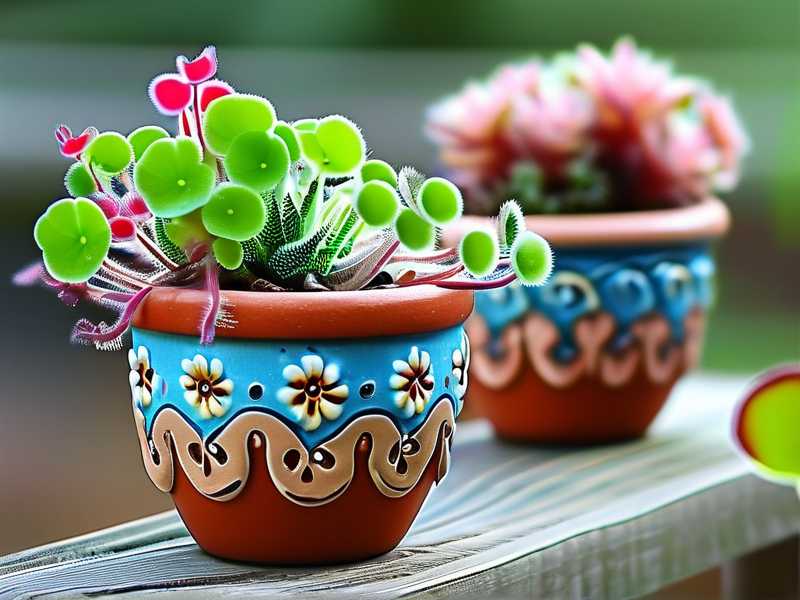
I bought a decorative pot with a built-in saucer. It looked like one piece. It was a trap. The saucer was too shallow. It held maybe a tablespoon of water. My sundew dried out every afternoon. I had to water three times a day. I gave up after a month. The plant died. The issue is that many decorative pots have attached saucers. They are not removable. You can’t flush the soil. Sundews need occasional flushing to remove minerals. A separate decorative pot saucer lets you lift the pot and rinse the roots. I now use a cachepot system. I place the nursery pot inside a decorative pot. The saucer sits under the nursery pot. It’s flexible. It’s easy to clean.
Step-by-Step: How I Tested Saucers for 2 Weeks
I wanted to find the perfect decorative pot saucer. I set up an experiment. I used three identical sundews. Each had a different saucer type. I monitored them for 14 days.
Day 1: Setting Up
I used a Cape sundew (Drosera capensis). It’s a forgiving species. I selected three saucers:
- Saucer A: Deep glazed ceramic, 3 inches tall, 6 inches wide. White color.
- Saucer B: Standard terracotta, 1 inch tall, 6 inches wide. Unglazed.
- Saucer C: Plastic nursery tray, 2 inches tall, 6 inches wide. Clear.
I filled each saucer with distilled water. Sundews hate tap water. The minerals in tap water can kill them. The RHS specifically warns against using tap water for carnivorous plants. I filled the saucers to half their depth.
Day 2-3: Initial Observations
Saucer A (deep ceramic) held water well. The water level dropped only 0.5 inches over two days. The soil stayed evenly moist. Saucer B (terracotta) was a disaster. The water was gone within 12 hours. The soil felt dry to the touch. Saucer C (plastic) held water but the plastic felt warm. The water evaporated faster than the ceramic.
Day 7: Mid-Week Check
I noticed something strange. The sundew in Saucer B looked stressed. Its leaves curled inward. That’s a sign of dehydration. I had to refill the saucer three times a day. That’s not practical. The sundew in Saucer A was thriving. New dew droplets formed on the tips. The plant looked healthy. The sundew in Saucer C was okay. But the clear plastic allowed algae to grow. The water turned green. Algae can clog the soil pores.
Day 14: Final Results
The winner was clear. Saucer A, the deep glazed ceramic saucer, produced the best results. The sundew had new growth. The roots were white and firm. I lifted the pot. The root system had spread evenly. There was no rot. The terracotta saucer produced a dead plant. The plastic saucer produced a plant alive but covered in algae. I had to scrub the saucer weekly.
Key Lesson: The decorative pot saucer must be deep, glazed, and non-porous. I now use only glazed ceramic or thick plastic saucers. Avoid terracotta. Avoid metal. Metal can leach toxic ions into the water.
What to Look for in a Decorative Pot Saucer
Depth Matters
Standard saucers are 0.5 to 1 inch deep. They are useless for sundews. Look for saucers that are at least 2 inches deep. Some specialty saucers are 3-4 inches deep. The deeper the saucer, the longer the water lasts. I use 3-inch deep saucers. I only need to refill them every 3-4 days. That’s a huge convenience. You don’t need to water daily. The plant drinks as it needs.
Material Choices
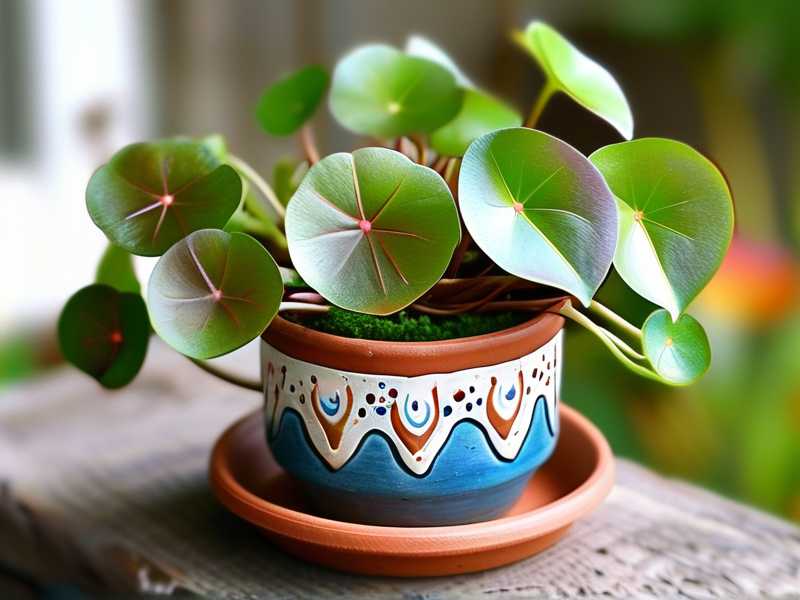
Glazed Ceramic: This is my top recommendation. The glaze seals the ceramic. Water doesn’t evaporate through the walls. It’s heavy, so it stabilizes the pot. It looks decorative. Many brands offer beautiful patterns. I bought a matte white saucer that matches my decor. It hides mineral stains too. The RHS suggests ceramic pots for moisture-loving plants. Glazed saucers are a natural extension.
Plastic: Plastic saucers are cheap and effective. They are lightweight. They don’t break. But they can look cheap. Choose opaque plastic. Clear plastic promotes algae growth. I use black plastic saucers for my propagation trays. They hide dirt and algae. Plastic saucers also retain heat. In summer, I switch to ceramic. Plastic saucers can warm the water too much.
Terracotta: Avoid it. I cannot stress this enough. Terracotta is porous. It wicks water away from the soil. It evaporates quickly. It also absorbs salts and minerals. This can poison the sundew over time. I have never succeeded with a terracotta saucer. I don’t recommend it.
Metal: Metal saucers look modern. They are often made of copper, brass, or stainless steel. They are bad for sundews. Copper and brass are toxic to plants. Stainless steel is inert but can heat up. The water temperature can spike in direct sunlight. Hot water suffocates roots.
Size and Fit
The saucer should be slightly larger than the pot’s base. A 6-inch pot needs a 7 to 8-inch saucer. This prevents water from spilling over. It also provides a buffer. If you overfill, the water won’t flood the saucer. I prefer saucers with a slight lip. The lip catches any overflow. Measure your pot’s diameter before buying. Many decorative pot saucers are sold separately. Don’t assume the saucer fits the pot.
Color and Aesthetics
I initially ignored color. I bought a dark blue saucer. It looked nice. But in summer, the water got warm. The sundew slowed down. I switched to a light beige saucer. The temperature dropped. Color matters more than you think. Light colors reflect light and heat. Dark colors absorb heat. For indoor growers, white, beige, or light gray are safe. They also make it easier to see water levels. I can quickly glance and see if the saucer is dry.
Common Saucer Setups I Have Tried
The Cachepot Method
I use this method most often. I place the sundew in a plastic nursery pot with drainage holes. The nursery pot sits inside a decorative ceramic pot. The decorative pot has no drainage holes. I place a deep saucer under the whole setup. Why? The decorative pot hides the nursery pot. The saucer catches any water that drips from the nursery pot. This setup looks clean. It also allows for bottom watering. I pour water into the decorative pot. The nursery pot soaks it up. Then excess water drains into the saucer. I empty the decorative pot after a few hours. This prevents root rot.
The Tray Method
For multiple sundews, I use a single large tray. I bought a glazed ceramic serving dish from a thrift store. It’s 12 by 8 inches and 2 inches deep. I line it with pebbles. The pots sit on the pebbles. I fill the tray with water. The pebbles keep the pots above the water. This provides humidity and water access. The tray acts as a massive decorative pot saucer. This method works well for a collection. It saves space. I have five sundews in one tray. They all thrive.
The Self-Watering Pot Trap
I wasted money on self-watering pots. They have a reservoir and a wick. The idea is that the plant drinks as needed. For sundews, the soil stays too wet. The wick never stops pulling water. The roots rot. I tried one for two weeks. The sundew looked overwatered. The leaves turned yellow. I pulled the plant. The roots were mushy. I went back to manual saucer watering. It’s simpler. It’s safer.
How to Use the Saucer Correctly
Step 1: Fill with Distilled Water
Never use tap water. The AHS recommends using rainwater or distilled water for carnivorous plants. Tap water contains dissolved solids. These build up in the soil. Over time, the minerals burn the roots. I buy distilled water in gallon jugs. It’s cheap. I fill the saucer to half its depth. For a 2-inch deep saucer, I add one inch of water.
Step 2: Let the Soil Soak
The sundew’s pot should have drainage holes. Place the pot in the saucer. The water will wick up through the holes. The soil absorbs water from below. Within 30 minutes, the soil surface should feel damp. If it doesn’t, the soil is too compacted. I repot my sundew in a mix of peat moss and perlite. It stays porous.
Step 3: Monitor the Water Level
Check the saucer every two days. The water level should drop gradually. If the water disappears in one day, your saucer is too shallow. If the water stays full for a week, your plant isn’t drinking. Something is wrong. I check by lifting the saucer slightly. If it feels light, I add water. If it’s heavy, I leave it.
Step 4: Clean the Saucer Weekly
Algae and mineral deposits build up. I wash the saucer with mild soap and water once a week. Rinse thoroughly. Soap residue can harm the sundew. I dry the saucer before refilling. A clean saucer prevents fungal growth. I use a small brush to scrub the edges.
Expert Insights
I consulted guidelines from the RHS and AHS. The RHS states that carnivorous plants require a high humidity environment. Deep saucers help maintain that humidity. Evaporation from the saucer increases the local humidity around the leaves. The AHS warns against using water with high mineral content. They recommend distilled or reverse osmosis water. Both organizations agree that the saucer’s role is critical. It’s not just a drip tray. It’s a hydration system.
A quote from the RHS: For sundews, the water tray is the central element of their care. The RHS emphasizes that the tray should be kept constantly moist during the growing season. I follow this advice. My sundews grow faster in summer when the saucer is full.
FAQ: Saucer Problems Solved
Q: Can I use a saucer without drainage holes? A: Yes, but only if you are bottom watering carefully. A saucer without holes is just a plate. You must pour water in manually. If the pot has drainage holes, the water drains into the saucer. If the saucer has no holes, the pot sits in stagnant water. This is fine for short periods. But within 24 hours, the water can become stagnant. I prefer saucers without drainage holes. They hold water better. But I empty the saucer every 3 days to refresh the water.
Q: My saucer keeps falling over. What do I do? A: This happens with lightweight plastic saucers. I glue a small rubber mat to the bottom. The mat grips the surface. Some saucers come with non-slip bottoms. If not, place the saucer on a flat, stable surface. I use a piece of cork under the saucer. It adds friction.
Q: The saucer stains from minerals. How do I clean it? A: Mineral stains are common with tap water. Even distilled water leaves traces. I soak the saucer in white vinegar for 10 minutes. Then I scrub with a nylon brush. Rinse thoroughly. Do not use bleach. Bleach residue can kill the sundew.
Final Thoughts on Choosing Saucers
I have tested many saucers over the years. I have killed plants with wrong choices. But I have also seen the joy of a healthy sundew. The saucer is not an afterthought. It is the foundation of your watering system. Choose a deep, glazed ceramic saucer. Light colors are best. Avoid terracotta and metal. Fill with distilled water. Monitor the water level every few days. Clean weekly. That simple routine transformed my sundew care. My plants now produce thick dew. They catch gnats constantly. They flower regularly. It all starts with the saucer.
If you are starting with sundews, invest in a good saucer first. It costs less than $10. It will save you from buying replacement plants. I speak from experience. My current sundew is over two years old. It sits in a white glazed saucer. It’s happy. It’s healthy. It’s proof that the right saucer makes all the difference.
One last tip: I place a small stone in the saucer. It prevents the pot from sliding. It also breaks the surface tension of the water. This helps the water wick into the soil more evenly. Simple tricks like this make care easier. Try it. You will see the difference.