bluename
 How to Fix Sundew Soil That Smells Foul and Rotten
Let me cut straight to the answer. If your sundew pot smells like a swamp or rotten eggs, you have anaerobic bacteria breeding in waterlogged soil. The fix is immediate: stop watering, remove the plant, discard all old soil, trim dead roots, repot in fresh long-fiber sphagnum moss with extra perlite (3:1 ratio), and water only from the bottom using distilled or rainwater. I learned this the hard way. My first sundew died in three weeks because I kept watering it like a normal houseplant. After two weeks of following my own repair routine, the new growth was green, the smell disappeared, and the plant is now thriving.
Why Does Sundew Soil Smell So Bad?
Sundews are carnivorous plants that need poor, acidic, constantly moist soil. Moist does not mean waterlogged. Many beginners, including me, misunderstand this. The smell comes from stagnant water that cuts off oxygen to the roots. Anaerobic bacteria take over and release hydrogen sulfide gas. That is the rotten egg smell.
The RHS explains that most carnivorous plants require very specific growing conditions. Their roots cannot tolerate drying out completely, but they also cannot sit in stagnant water for days.
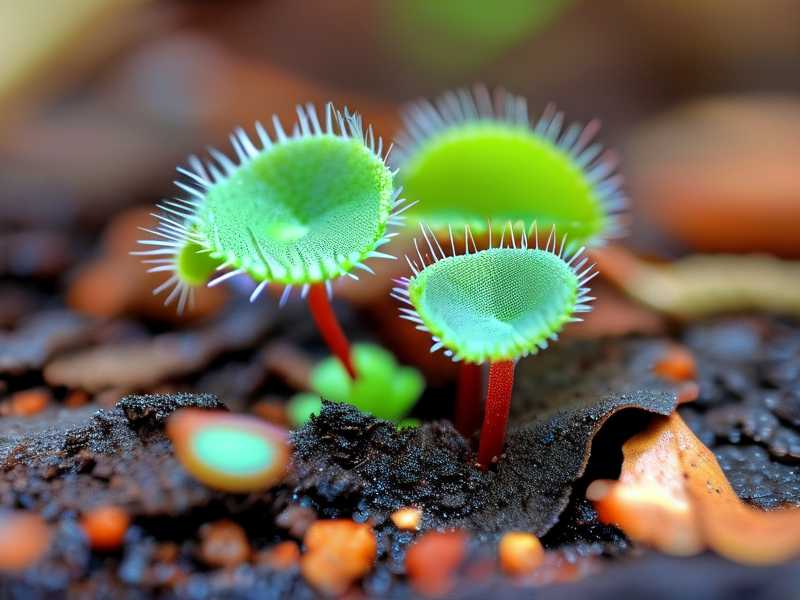
When the soil rots, the roots suffer. They turn brown and mushy. The plant stops producing dew. The leaves wilt. If you catch it fast, you can save it. If you wait too long, it is too late.
3 Fatal Mistakes Beginners Make with Sundew Soil
I made all of these. I killed three sundews before I started paying attention.
Mistake #1: Overwatering
This is the number one killer. People hear "sundews need moist soil" and think they need to keep it soaking wet. No. The soil should feel like a damp sponge, not a puddle.
90% of indoor plants die from overwatering. For sundews, it is even worse because they are sensitive to root rot.
I used to water my sundew every single day. I poured water into the top of the pot. The soil stayed wet for hours. Within two weeks, the pot smelled like a sewer. The plant collapsed.
What I do now: I only water from the bottom. I put the pot in a tray with about one inch of distilled water. I let it sit for 15 minutes. Then I dump out the remaining water. The soil stays evenly moist but never flooded.
Mistake #2: Wrong Light Setup
This one surprised me. I thought light was just for growth. It turns out light also affects how fast the soil dries.
I placed my sundew on a windowsill that got two hours of direct sun. The rest of the day it was in bright shade. The soil stayed wet for three days after watering. That is too long for the roots.
The AHS recommends at least four to six hours of direct sunlight for sundews. Without enough light, the plant slows down. It stops drinking. The water sits in the pot. The soil rots.
What I do now: I use a grow light. It runs for 12 hours a day. The light is six inches above the plant. The soil dries out within 24 hours. I water every two to three days instead of every day.
Mistake #3: Using the Wrong Pot
I used a standard plastic pot with regular drainage holes. The holes were too small. The water pooled at the bottom. The soil stayed wet for days.
Then I tried a terracotta pot. Bad idea. Terracotta wicks moisture away from the soil too fast. Sundews hate that. The soil dried out completely in six hours.
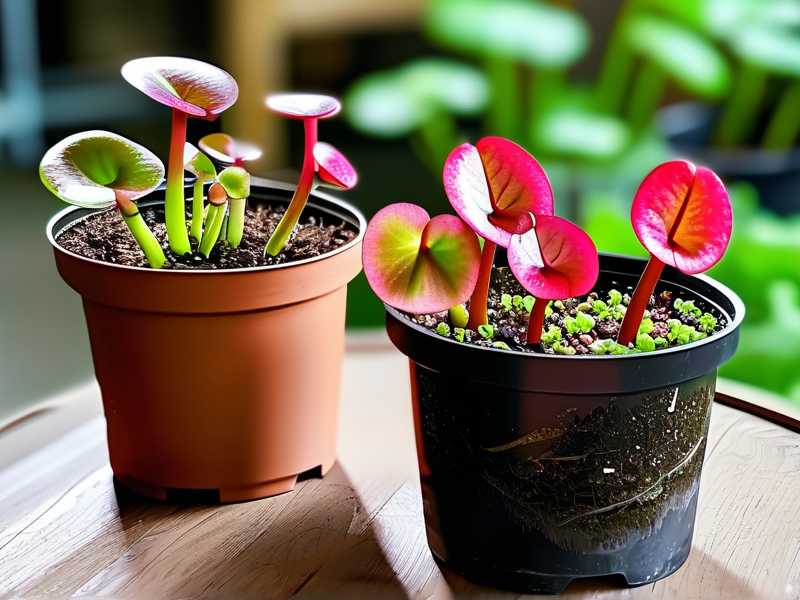
What I do now: I use a plastic pot with many large drainage holes. I drill extra holes in the bottom and sides. The pot sits in a shallow tray. The roots get air circulation from all sides.
My 2-Week Fix Routine: Step by Step
Here is exactly what I did when I noticed the rotten smell coming from my pot. I followed this for two weeks straight.
Day 1: Emergency Repotting
I took the plant outside. I tipped the pot over gently. The soil smelled like rotten eggs and decayed leaves. I carefully removed all the old soil from the roots with my fingers.
I examined the roots. Many were brown and mushy. I took a clean pair of scissors and cut away all the dead roots. I left only the white, firm ones.
I prepared fresh soil. I mixed three parts long-fiber sphagnum moss with one part perlite. I did not use any potting soil, sand, or compost. Sundews need nutrient-free media.
I placed the plant in its new pot. I filled the sides with the moss-perlite mix. I gently pressed down the soil. I did not water from the top. I placed the pot in a tray with a half inch of distilled water.
Day 2-3: Monitoring the Smell
The smell was gone by day two. The soil had a fresh, earthy scent. The plant looked weak. The leaves were still curled. I kept the tray water level low.
I checked the soil moisture every morning. I stuck my finger into the top inch of soil. It felt damp but not wet.
Day 4-5: First Signs of Recovery
The sundew started producing new dew. The tentacles on the younger leaves became sticky again. The older leaves still looked sad, but the center was growing.
I moved the pot closer to the grow light. I kept it about four inches away. The light ran for 14 hours a day.
Day 6-8: Adjusting Watering Routine
I realized I was still watering too frequently. The soil was staying wet for two days. I reduced the tray water from daily to every other day.
I let the tray go empty for 24 hours. The soil dried slightly. Then I added water again. The sundew responded well. The roots need that dry period to breathe.
Day 9-11: New Growth Appears
New leaves started unfolding. They were green and healthy. The dew was thick and glistening. The smell never came back.
I gave the plant a tiny feeding. I placed one small dried bloodworm on a leaf. The leaf curled around it. The plant digested it overnight.
Day 12-14: Full Recovery
After two weeks, the plant looked completely different. It had three new leaves. The dew was covering the entire surface. The old rotten leaves were drying up.
I removed the dead leaves carefully. I did not want any rot spreading. I kept the pot in bright light and bottom watering.
The Science Behind Sundew Soil
Sundews need acidic soil with a pH between 4.0 and 5.5. Regular potting soil has a pH around 6.0 to 7.0. That is too alkaline. It causes root burn and encourages bacterial growth.
The main component of sundew soil is long-fiber sphagnum moss. It is naturally acidic and holds water without becoming waterlogged. It also has antifungal properties.
Perlite adds air pockets to the soil. Roots need oxygen to stay healthy. Without perlite, the moss packs down. Water becomes trapped. Rot sets in.
Do not use peat moss. Many resources suggest it. But peat moss has a high pH variation and can contain mineral salts. Sphagnum moss is cleaner and more consistent.
How to Choose the Right Pot for Sundews
I have tried many types of pots. Here is what works and what does not.
Plastic Pots
These are the best. They retain moisture while allowing drainage. I use deep pots for tropical sundews because they have long roots. I use shallow pots for pygmy sundews.
Plastic Pots with Side Holes
I drill extra holes along the sides. This increases air flow. The roots stay cooler. The soil dries out more evenly.
Terracotta Pots
Do not use these. They wick moisture away. Sundew roots dry out fast. Leaves curl. Dew production stops.
Glass or Ceramic Pots
Only use them if they have drainage holes. Even then, be careful. Glass traps heat. Sun through glass can cook the roots.
When to Water Sundews: A Simple Rule
I use the finger test. I stick my index finger into the soil up to the second knuckle. If it feels dry, I water. If it feels damp, I wait.
For potted sundews, I check every morning and evening. On hot days, the soil dries faster. On cool days, I might skip a day.
Water from the bottom. Place the pot in a tray of distilled water for 15 minutes. Remove the pot. Let it drain. Never leave standing water for more than 30 minutes.
Why Tap Water Kills Sundews
Tap water contains dissolved minerals. Sundews are adapted to nutrient-poor soil. Minerals in tap water build up in the soil. They cause leaf burn and root damage.
I killed my second sundew by watering with tap water. The leaves turned yellow. The soil developed a crust. The plant stopped growing.
Now I use only distilled water or rainwater. I collect rain in a bucket during storms. I store it in a covered container. Distilled water from the store works too. Do not use bottled spring water.
How to Prevent Rotten Soil from Returning
Once you fix the soil, you need to keep it healthy. Here is what I do.
Use a Tray System
Place the pot in a shallow tray. Fill the tray with half an inch of distilled water. Let the plant drink from the bottom. Dump out the water after 15 minutes. This prevents the soil from staying wet.
Adjust Light Levels
Sundews need bright light. I keep them under a grow light for 12 to 14 hours. In summer, I put them outside in partial shade. The light keeps the plant active. Active plants drink water faster. Water does not sit in the soil.
Repot Every Year
Old soil breaks down. It loses its structure. It becomes compacted. I repot every 12 months with fresh sphagnum moss and perlite.
Remove Dead Leaves
Dead leaves attract fungi and bacteria. I snip off any yellow or brown leaves at the base. I throw them away. Do not leave dead leaves on the soil surface.
Common Sundew Soil Problems and Quick Fixes
Problem: Soil stays wet for 3 days after watering
Fix: Improve light or reduce tray water. Move plant to brighter spot. Use smaller pot. Drill more drainage holes.
Problem: Soil smells musty but not rotten
Fix: Increase air circulation. Use small fan nearby. Remove any dead leaves or moss buildup.
Problem: White mold on soil surface
Fix: Scrape off mold. Let soil dry completely. Reduce watering frequency. Increase light exposure.
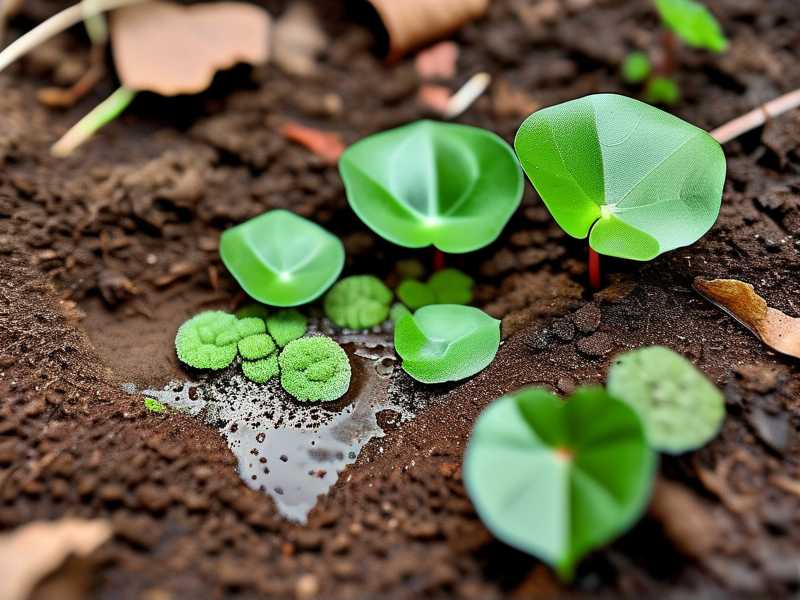
Problem: Green algae on soil
Fix: Too much water. Let tray dry out. Algae grows where water sits. Remove plant. Rinse soil. Water less.
The Truth About Sundews and Humidity
Many people think sundews need high humidity. That is not always true. Some species adapt to average room humidity. The real issue is the soil moisture.
I live in a dry climate with 30 percent humidity. My sundews grow fine under a grow light. I mist them occasionally to keep dew on the leaves. But I never soak the soil.
High humidity without proper air flow causes mold and rot. Keep the room ventilated. Open a window. Use a small desk fan.
What I Learned from Killing 4 Sundews
I have killed four sundews. Each death taught me something.
First death: Overwatering. Soil smelled awful after two weeks. I tried to fix it by adding more water. Stupid. The plant drowned.
Second death: Tap water. Leaves burned. Soil developed white crust. Plant died within a month.
Third death: Wrong pot. Terracotta pot dried out soil too fast. Roots died. Plant wilted.
Fourth death: No light during winter. Soil stayed wet for a week. Fungus gnats infested the pot. The plant rotted.
Now I have five healthy sundews. They all use plastic pots with side holes. They get distilled water and 14 hours of light. The soil smells fresh and earthy.
Long-Term Maintenance Tips
Weekly check: Smell the soil. Look at leaf color. Feel the moisture level.
Monthly care: Remove dead leaves. Rinse the pot. Clean the tray with vinegar and water.
Seasonal adjustments: In summer, water more. In winter, water less. Light hours change too.
Propagation: When plants outgrow their pots, divide them. Use fresh soil. Do not reuse old soil.
Final Thoughts on Fixing Rotten Sundew Soil
Fixing rotten soil is not complicated. Stop watering. Repot in clean moss and perlite. Water from bottom. Provide bright light. Give it two weeks.
The smell tells you something is wrong. Listen to it. Act fast. Your plant can recover.
I hope my mistakes help you avoid them. Sundews are beautiful plants. They just need the right care. Start with the soil. The rest will follow.
Frequently Asked Questions
Can I reuse old sundew soil?
No. Once soil starts smelling rotten, discard it. The bacteria and fungi are already established. Reusing it will make the problem spread to your new pot.
How do I know if my sundew is overwatered?
The soil smells bad. Leaves turn yellow or black. Stems become soft. The plant stops producing dew. Watering from the bottom does not help if you leave standing water too long.
Should I add charcoal to sundew soil?
No. Charcoal changes the pH. It absorbs nutrients. Sundews need very acidic soil. Charcoal can make the soil too alkaline. Stick with sphagnum moss and perlite only.