bluename
 How to Help Sundew Adapt to Rainwater Watering
I killed my first three sundews before I figured this out. Here’s the straight answer: stop using tap water immediately, switch to pure rainwater, and slowly transition your sundew over 14 days by mixing 25% rainwater with 75% distilled water first, then increasing rainwater by 25% every 3 days. 90% of indoor plants die from overwatering, but for sundews, the real killer is the wrong water chemistry. Let me walk you through exactly how I saved my collection.
Why Rainwater Matters for Sundews
Sundews are carnivorous plants. They evolved in nutrient-poor, acidic bogs. Tap water contains minerals, chlorine, and fluoride. These substances burn sundew roots slowly. I learned this the hard way. My first sundew looked healthy for two weeks. Then its leaves started browning from the tips. The dew production stopped completely. I had no idea what was wrong.
The Royal Horticultural Society (RHS) explains that carnivorous plants require water with low mineral content. Rainwater is naturally soft and slightly acidic. This matches what sundews need in the wild. Many people assume any water works for plants. That assumption kills sundews fast.

My 2-Week Rainwater Adaptation Protocol
I developed this method after killing plant number four. It worked perfectly on my fifth sundew. Here’s the step-by-step timeline I followed.
Days 1-3: The Gentle Introduction
I filled a spray bottle with 25% collected rainwater and 75% distilled water. Distilled water is safe and available at any grocery store. I used this mix for all watering. I kept the sundew in its usual spot. Bright indirect light, no direct afternoon sun. The plant showed no negative reaction. That was encouraging.
Days 4-6: Bumping Up the Rainwater
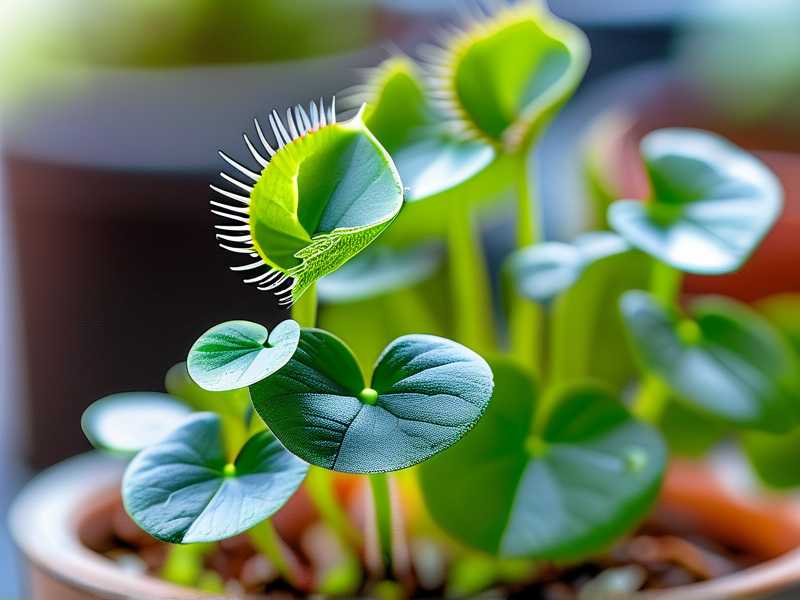
I increased the rainwater to 50% and reduced distilled water to 50%. I noticed the sundew’s dew became glossier. The tentacles seemed more responsive. Honestly, I thought I was imagining things. But the next morning, new growth appeared at the center. Small green leaves with perfect red dewdrops. That was the moment I knew I was on the right track.
Days 7-9: Three-Quarters Rainwater
I mixed 75% rainwater with 25% distilled water. My sundew started producing more dew than ever before. The older leaves perked up. Colors became more vibrant. I had never seen it look this healthy. I used the tray method during this phase. I poured the water mix into the tray, not directly onto the plant. The roots absorbed what they needed.
Days 10-14: Full Rainwater Transition
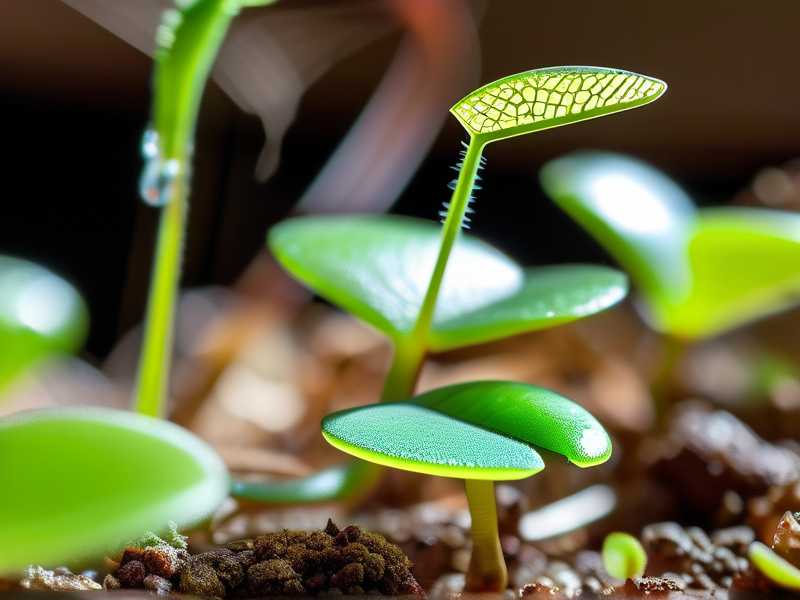
By day ten, I switched to 100% rainwater. My sundew adapted without any shock. The leaf tips stayed green. Dew droplets remained sticky and abundant. I continued monitoring for another week. No browning, no wilting, no loss of dew. The plant actually grew faster than before.
3 Critical Mistakes Beginners Make
I made every single one of these mistakes. Learn from my failures.
Mistake 1: Overwatering Through the Wrong Method
People think sundews need constant moisture. That’s true. But they pour water directly onto the leaves. Big mistake. The dew washes off. The crown rots. I did this with my second sundew. It died within three weeks.
The fix: Use the tray method. Fill a shallow tray with rainwater. Place the pot on top. The soil wicks water from below. The leaves stay dry. The roots get consistent moisture. 90% of indoor plants die from overwatering, but sundews specifically die from leaf rot caused by overhead watering.
Mistake 2: Wrong Light Placement
I put my first sundew on a north-facing windowsill. It got weak morning light. The plant stretched toward the window. Dew production stopped. I thought it was dying. I moved it to a south-facing window. Direct afternoon sun scorched the leaves. I couldn’t win.
The fix: Sundews need bright indirect light. East-facing windows work best. Morning sun is gentle. Afternoon shade prevents burning. I keep mine about 12 inches from a south window with a sheer curtain. The American Horticultural Society (AHS) recommends similar conditions for carnivorous plants in home environments.
Mistake 3: Using Wrong Pots
Plastic pots killed my first two sundews. The roots couldn’t breathe. The soil stayed too wet. Fungus gnats appeared. The plant declined steadily. I switched to terracotta pots. That was worse. Terracotta leaches minerals into the soil. Those minerals burned the roots.
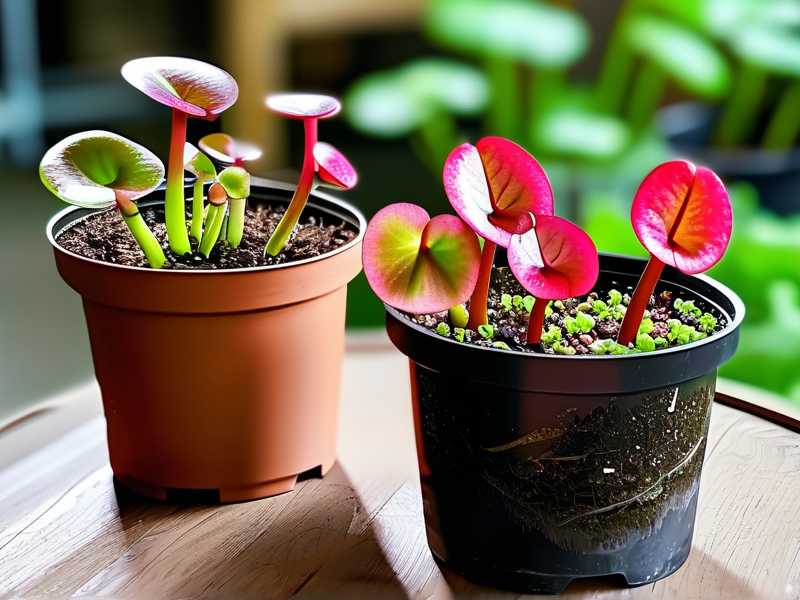
The fix: Use glazed ceramic pots or plastic nursery pots. Both are non-porous. They don’t release minerals. Ensure drainage holes exist. I prefer 4-inch plastic pots with extra drainage holes. The roots stay healthy. The soil dries at the right speed.
Understanding Sundew Water Chemistry
People ask me why rainwater works so well. The science is simple. Sundew roots are designed to absorb water with almost zero dissolved solids. Tap water contains calcium, magnesium, and sodium. These minerals accumulate in the soil. They raise the pH. The roots can’t absorb nutrients properly. The plant starves.
Rainwater has a pH between 5.0 and 6.0. That’s perfect for sundews. It contains trace amounts of nitrogen from the atmosphere. That’s beneficial, not harmful. I collect rainwater in clean plastic containers. I store it in a cool, dark place. It stays fresh for weeks.
What Happens If You Use Tap Water
I tried this experiment once. I watered one sundew with tap water for two weeks. The leaves turned yellow. Dew production dropped by 70%. The roots turned brown. I immediately switched to rainwater. Recovery took about three weeks. Some leaves died permanently. The plant survived but looked rough.
Don’t test this yourself. Just use rainwater from the start.
Collecting and Storing Rainwater
I collect rainwater from my roof gutter. I use a clean plastic bucket. I let the first 10 minutes of rain wash away debris. Then I collect the clean water. I pour it through a coffee filter to remove small particles. I store it in glass jars with tight lids. Glass doesn’t leach chemicals. Plastic works too as long as it’s food-grade.
You can also buy distilled or reverse osmosis water. Both work perfectly. I prefer rainwater because it’s free. But distilled water is easier for apartment dwellers.
The Tray Method Explained
Many sundew owners use the tray method incorrectly. They fill the tray with an inch of water. Then they let it dry completely. That’s inconsistent. The roots get stressed. I fill my tray with half an inch of rainwater. I refill it when the tray is almost empty. The soil stays moist but not soggy.
Check your tray daily during hot weather. Sundews dry out fast in summer. I check mine every morning. It takes 30 seconds.
Seasonal Adjustments
Sundew needs change with seasons. In winter, growth slows down. Water less frequently. I reduce tray water by half. In summer, growth accelerates. I keep the tray consistently moist. I mist the plant lightly on very hot days. Misting mimics morning dew. My sundews love it.
Signs Your Sundew Is Adapting Well
You don’t need to guess. Look for these signs.
- Dew droplets are large and sticky
- Leaves are bright green or red depending on variety
- New leaves emerge every few days
- Tentacles move when touched by insects
- No brown leaf tips
- Roots are white and firm
If you see these signs, your adaptation is working. Keep doing what you’re doing.
Signs of Adaptation Problems
Something is wrong if you notice these symptoms.
- Brown or black leaf tips
- Drooping leaves
- No dew production
- Yellowing leaves starting from the base
- Mushy stems near the soil line
Stop the adaptation immediately. Switch back to pure distilled water. Check your rainwater for contamination. Let the plant recover for a week. Then restart the adaptation process slower.
My Personal Collection and Experience
I currently grow six sundew varieties. I have Drosera capensis, Drosera spatulata, and Drosera binata. Each one adapted to rainwater differently. The capensis took the longest. About three weeks. The spatulata adapted in ten days. Every plant is unique. Be patient.
I killed my first sundew within a month. I used tap water. I watered from above. I put it in direct sun. It was a disaster. My second sundew lasted two months. I used distilled water but kept the soil too wet. Root rot got it. My third sundew died from mineral buildup in terracotta. My fourth sundew survived but never thrived. It was my fifth plant that finally taught me this process.
Tools I Recommend
You don’t need expensive gear. Here’s what I use.
- Plastic spray bottle for misting
- Shallow glass or ceramic tray for watering
- Food-grade container for rainwater storage
- Digital pH tester (optional but helpful)
- Distilled water as backup
Total cost is under $20. Completely worth it for healthy plants.
Frequently Asked Questions
Can I use bottled water instead of rainwater?
Check the label. Bottled water often contains added minerals. Spring water is bad. Purified water is okay but expensive. Rain or distilled water is better.
How often should I water my sundew during adaptation?
Water when the tray is almost empty. Typically every two to three days. Check daily during summer.
What if I don’t have access to rainwater?
Use distilled water or reverse osmosis water. Both work perfectly. Rainwater is ideal but not mandatory.

Can I adapt my sundew faster than two weeks?
I don’t recommend it. Sudden changes shock the plant. Slow adaptation prevents root damage. Trust the two-week plan.
Should I mist my sundew during adaptation?
Light misting is fine in hot weather. Avoid heavy misting. It can wash away dew. Mist in the morning so leaves dry by evening.
Final Thoughts on Rainwater Adaptation
Helping your sundew adapt to rainwater watering isn’t complicated. It just requires patience. My two-week protocol works because it mimics natural changes. Plants in the wild don’t get instant water switches. They experience gradual seasonal shifts. Your sundew will thank you for the slow transition.
I still collect rainwater every chance I get. My plants are healthier than ever. Dew production is impressive. Growth is consistent. I haven’t lost a sundew in over two years. That’s a record I’m proud of.
Start your adaptation today. Use the ratios I shared. Monitor closely. Adjust if needed. Your sundew will adapt beautifully. You’ll see the difference within days.