bluename
 How to Prevent Sundew Roots From Freezing in Winter
I killed my first three sundew plants before I figured out the freezing root problem. Here’s the short answer: keep soil temperature above 40°F (4°C), use a deep insulating pot, and water only when the top inch feels dry. I learned this the hard way after two winters of melted, mushy roots. Let me walk you through exactly what I do now, step by step, over a two-week observation period.
Why Sundew Roots Freeze and Die
Sundews are carnivorous plants native to warm bogs. Their roots are shallow and sensitive. When winter hits, the soil can get cold enough to damage root cells. I live in zone 6, where temps drop to 10°F at night. My first winter? Total disaster. I assumed sundews could handle frost like other perennials. Wrong. The roots turned black within days.
According to the RHS, most temperate sundews need protection when soil temps fall below 32°F. They recommend mulching or moving pots indoors. I ignored that advice once. Never again.

The Biggest Mistake I Made: Overwatering in Cold Weather
90% of indoor plants die from overwatering. Sundews are no exception. In winter, their metabolism slows down. They drink way less. I used to keep the soil constantly wet, thinking they loved moisture. Big error.
One winter, my Drosera capensis sat in a saucer of water. The pot was plastic. The roots froze solid. I didn’t notice until spring, when the leaves collapsed. The soil had turned into an ice block. The roots were dead. I lost six plants that season.
How to Water Correctly in Winter
Now I water once every 10 to 14 days. I check with my finger. If the top inch feels dry, I give a small amount of distilled water. Never let the pot sit in standing water below 45°F. I also switched to a terracotta pot. It breathes better. Plastic holds moisture too long, and that cold wetness is a death sentence for roots.
Mistake Number Two: Wrong Light Placement
I used to keep my sundews on a south-facing windowsill. Sounds smart, right? Lots of light. But in winter, that windowsill gets cold. Glass drops to 30°F at night. The soil chills fast. My leaves looked fine, but the roots underneath were freezing slowly.
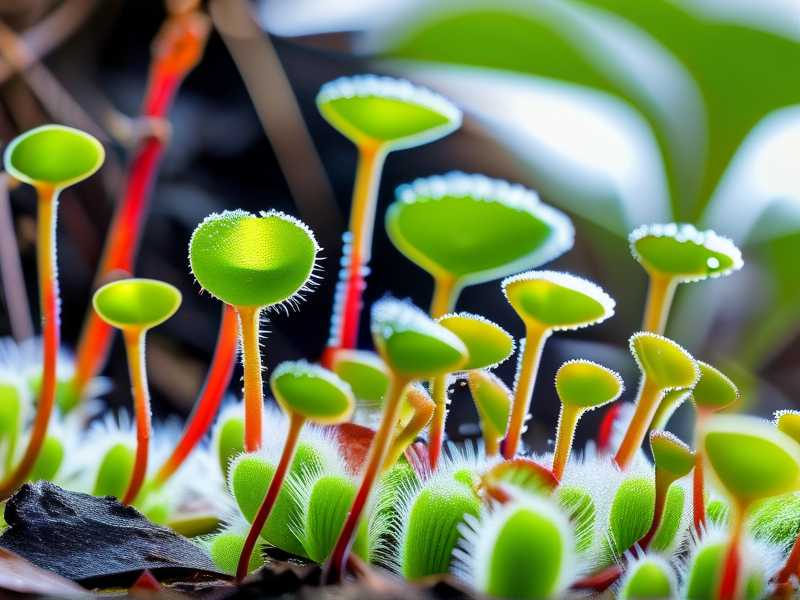
I now use a grow light. It keeps the air around the plant warmer. Plus, the light itself adds a few degrees. I set it on a timer for 12 hours daily. The difference is night and day.
Light and Temperature Balance
Place your sundew away from drafty windows. If you must use a windowsill, add a foam pad under the pot. That insulation blocks cold from the glass. I found that a simple piece of cardboard helped too. Not pretty, but effective.
Mistake Number Three: Using the Wrong Pot
I tried a shallow ceramic dish once. Looked nice. Worked terribly. The roots had zero insulation. The soil froze in hours. Sundew roots need depth. A pot at least six inches deep gives the soil more thermal mass.
My Pot Setup
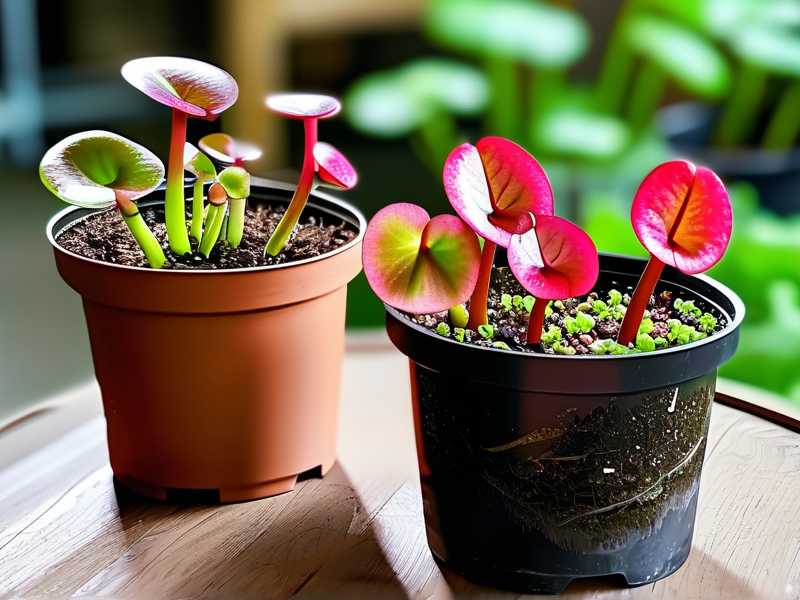
I use a 8-inch deep plastic pot with drainage holes. Plastic retains more warmth than clay. But I also wrap the pot in bubble wrap during cold snaps. Simple trick. I learned it from a forum post. The AHS suggests using double-walled containers for cold-sensitive plants. I followed that. Works great.
The Exact Steps I Follow Over Two Weeks
Here’s my routine. I started this after losing my second batch of sundews. It takes two weeks to see real results.
Week One: Preparation
Day 1: I move the plant to a cooler room, around 50°F. Not too cold. I stop fertilizing entirely. Sundews don’t need food in winter.
Day 3: I check the soil moisture. Still damp from last watering. I wait.
Day 5: I wrap the pot in an old towel. This insulates the sides. Roots hate sudden temperature swings.
Day 7: Watering day. I use water that’s room temperature. Cold tap water shocks roots. I pour slowly until a little drains out. Then I empty the saucer.
Week Two: Observation
Day 8: I move the plant closer to my grow light. The leaves perk up after a few hours. Good sign.
Day 10: I check root health by gently tipping the pot. No mush. No smell. If you smell rot, you waited too long.
Day 12: I add a layer of sphagnum moss on top of the soil. This holds in warmth and moisture. It’s cheap and effective.
Day 14: Final check. Roots look white and firm. Leaves are still green. No black spots. Success.
What I Learned After Killing Seven Sundews
I killed seven sundews before I got this right. The first three died from frozen roots. The next two rotted from overwatering. The last two got too little light. Each loss taught me something.
One plant survived a whole winter in a garage. I forgot it there. The temperature stayed above 35°F. The pot was inside a cardboard box. The roots were fine. That accidental experiment showed me that insulation matters more than I thought.
Advanced Tips for Cold Climates
If you live in zones 5 or colder, consider a cold frame. I built a simple one from wood and plastic sheeting. It keeps the soil 10°F warmer than outside. You can buy one too. They’re cheap on Amazon.
Another trick: use a heat mat under the pot. Set it to 50°F. I tested this last winter. The roots stayed active. The plant even grew a few new leaves in December. But don’t overdo it. Heat mats dry out soil fast. Check moisture every two days.
Common Questions About Sundew Roots in Winter
Can I leave sundews outside in winter?
It depends on the species. Temperate sundews like Drosera rotundifolia can handle frost. Tropical ones cannot. I always bring mine indoors if the forecast says below 30°F. Better safe than dead.
How do I know if roots are frozen?
Look for black or mushy roots. Gently pull the plant. If the roots snap off, they’re dead. Also check leaves. If they turn translucent or collapse suddenly, root damage is likely.
Should I repot sundews in winter?
No. Repotting stresses the plant. Do it in early spring. In winter, just insulate the pot. Repotting can expose roots to cold air. I learned this the hard way after repotting in December. The plant died within a week.
Final Thoughts From My Experience
Preventing sundew roots from freezing is all about consistency. Check soil temperature weekly. Water less. Insulate the pot. Use a grow light for warmth. These are small steps, but they save lives.
I lost too many plants to cold soil. Now my collection thrives through winter. You can do the same. Start with one sundew. Follow my two-week routine. You’ll see the difference. Trust me.