bluename
 How to Increase Dew Production on Sundew Leaves: The Complete Grower's Guide
You've carefully chosen your sundew, provided the right soil, and placed it in a sunny spot. Yet, the defining feature you eagerly awaited—those glistening, sticky dewdrops that make the plant so magical—is sparse, absent, or drying up. This lack of dew is the most common and frustrating challenge for sundew enthusiasts. Without it, your plant isn't just less beautiful; it's struggling to catch prey, absorb nutrients, and thrive. The good news is that dew production is not a mystery. It's a direct and measurable response to the care you provide. This guide will walk you through the precise environmental triggers and care techniques to transform your sundew into a dewy, healthy predator.
Understanding the "Why": The Science of Sundew Dew
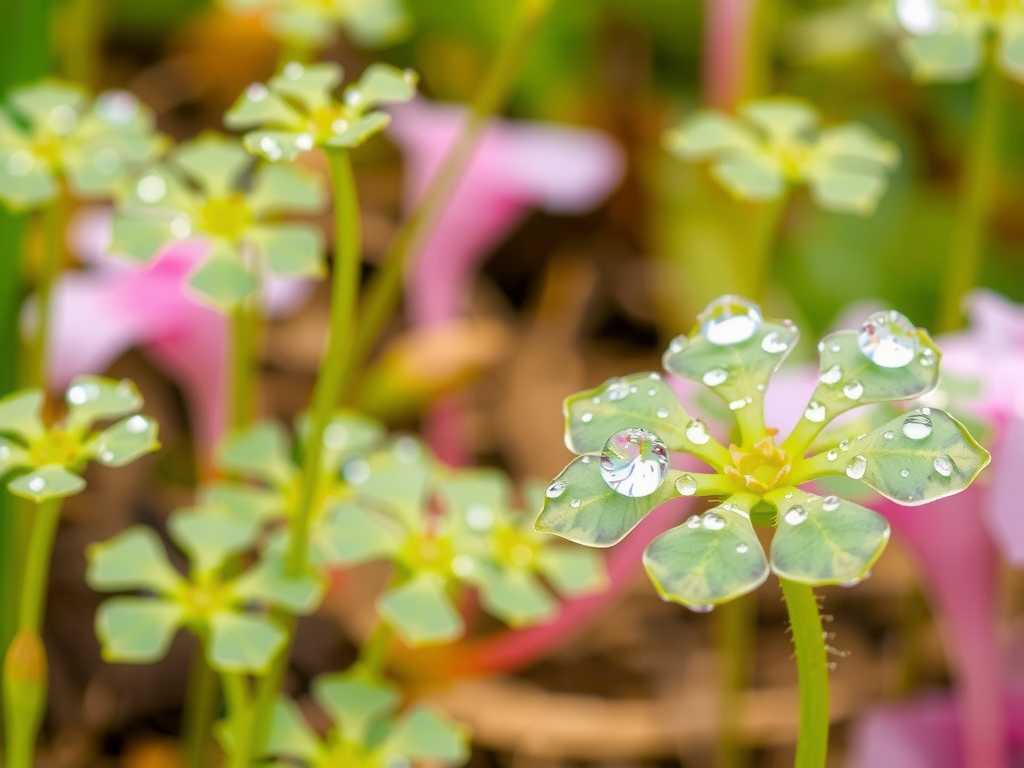
Before we fix the problem, it's crucial to understand what those dewdrops are and their purpose. The sparkling beads on your sundew's tentacles are not water; they are a complex, sticky mucilage secreted by special glands. This mucilage serves a dual function: it traps insects and contains digestive enzymes to break them down. Low dew signals that the plant is under stress, conserving its energy and resources. As noted by carnivorous plant botanist Dr. Alastair Robinson, "The presence of abundant mucilage is the single best indicator of a sundew's overall metabolic health and satisfaction with its environment." To increase dew production, we must optimize the conditions that encourage the plant to invest energy in creating this precious substance.
The Four Pillars of Prolific Dew Production
Achieving consistently high dew levels hinges on mastering four interconnected factors: light, water, humidity, and feeding. Neglecting any one of these can significantly reduce dew.
Optimize Light Intensity and Duration
Light is the primary engine for dew production. Sundews use photosynthesis to create the sugars and energy required to produce mucilage. Insufficient light is the #1 cause of poor dew.
- Provide Maximum Brightness: Your sundew needs very bright, direct light for most of the day. A south-facing window is the minimum for many species. For robust dew, most growers need to supplement with artificial lighting.
- Use the Right Grow Lights: LED or fluorescent grow lights are ideal. Position them 6-12 inches above the plant and provide 12-16 hours of light daily. The leaves should show a slight reddish or pinkish tint—a sign of healthy stress and ample light.
- Avoid Acclimation Burns: If moving a plant to significantly stronger light, do so gradually over a week to prevent scorching.
Master Watering Practices and Humidity
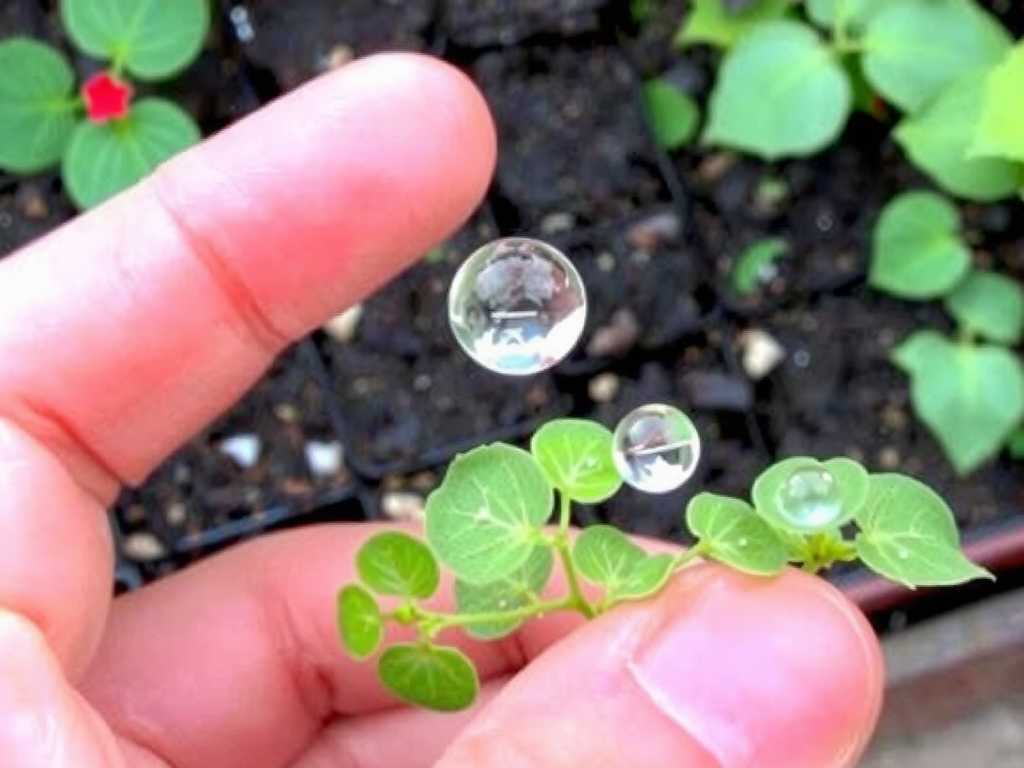
Water quality and ambient moisture are critical. Sundews are extremely sensitive to minerals found in tap water, which can clog their sensitive glands and soil.
- Use Only Pure Water: Water exclusively with distilled water, reverse osmosis (RO) water, or rainwater. Tap, spring, or bottled water will harm the plant and inhibit dew over time.
- Employ the Tray Method: The most effective watering technique for sundews is the "tray method." Place the pot in a saucer or tray and keep it filled with 0.5 to 1 inch of pure water at all times. This ensures constant moisture and creates a beneficial micro-humidity zone around the plant.
- Manage Ambient Humidity: While the tray method helps, some species, especially tropical ones like Drosera capensis, benefit from higher ambient humidity (50%+). For very dry homes, a humidifier or a clear plastic dome over young plants can boost local humidity and encourage dew formation. However, mature plants under strong lights often produce ample dew even in moderate humidity if other conditions are perfect.
Implement a Strategic Feeding Routine
A well-fed sundew is a dewy sundew. Feeding provides the nitrogen and other nutrients the plant cannot get from its nutrient-poor soil, fueling growth and mucilage production.
- Feed Small Prey Regularly: If your plant is indoors and not catching insects itself, you must feed it. The best method for feeding sundews is to offer small, soft-bodied insects. A single fruit fly, gnat, or bloodworm (thawed frozen ones for fish work perfectly) per leaf every 2-4 weeks is sufficient.
- Avoid Overfeeding and Human Food: Never use fertilizer in the soil or human food (like meat or cheese). Overfeeding a single leaf can cause it to die back. Spread feeding across several leaves.
- The Dew-Feedback Loop: Successful feeding triggers the plant to produce more dew to catch more prey. It's a positive cycle. A starving plant will eventually reduce dew to conserve energy.
Select the Right Soil and Pot
The foundation of your plant's health is its growing medium. Sundews require acidic, low-nutrient, and constantly moist soil.
- Use a Carnivorous Plant Mix: A standard and effective mix is a 50:50 blend of sphagnum peat moss and perlite. Avoid any potting soil, compost, or fertilizers.
- Ensure Proper Drainage with Non-Nutritive Pots: Always use plastic or glazed ceramic pots with drainage holes. Terracotta pots leach minerals and dry out too quickly. The pot should be just large enough for the root system; oversized pots stay too wet and can promote rot.
Troubleshooting Common Dew Problems
Even with good care, issues can arise. Here’s how to diagnose and fix them.
- Dew Dries Up During the Day: This is almost always a light issue. The plant is producing dew at night or in the early morning, but the light intensity is too low or the air is too dry and hot, causing it to evaporate. Increase light intensity.
- New Leaves Grow Without Dew: Young leaves often take a day or two to develop full dew. If they remain dry, check your water source for purity and reassess light levels.
- Dew is Sparse or Watery: This can indicate poor health from past stress (mineral contamination, drought). Ensure you are using pure water and consistent moisture. The plant may recover as new, healthy growth emerges.
- Sticky Dew Production After Repotting: Repotting is a major stress. It's normal for dew to diminish or disappear for a week or two after repotting. Maintain perfect conditions, and it will return as the plant settles.
Why is my sundew producing dew but not catching anything? The dew might be old and have lost its stickiness, or the prey might be too large and powerful. Ensure your plant is producing fresh dew daily (a sign of good light) and that you are offering appropriately sized food. Very small gnats or fruit flies are perfect.
Can I mist my sundew to help with dew? Misting is generally not recommended and can be detrimental. It can wash away the precious mucilage, leaving the plant with no trapping ability and wasting its energy. It also does not address the root cause of low dew. Focus on increasing light and humidity at the environmental level instead.
How long does it take to see improvement after changing conditions? You can see initial improvements in new dew production on emerging leaves within a few days to a week, especially after improving light. However, a full recovery for the entire plant and the development of robust, consistent dew can take several weeks to a couple of months as the plant generates new, healthy growth.
Transforming a sparse, dry sundew into a glistening jewel of your plant collection is a rewarding process. It requires attentiveness to the core principles of intense light, pure water, strategic feeding, and the right soil. By systematically adjusting these factors—prioritizing light above all—you provide the exact signals your plant needs to invest in creating its spectacular, sticky dew. Be patient and consistent in your care. Your sundew’s response, displayed in a canopy of sparkling droplets, will be the clearest indicator of its health and your successful cultivation.