bluename
 How to Fix Sundew Not Growing (Slow Growth Solutions)
Is your sundew plant stubbornly refusing to grow? You’re providing what seems like perfect care, yet those iconic, glistening tentacles remain sparse, or new leaves are disappointingly small and slow to emerge. This frustrating experience is common for both new and experienced carnivorous plant enthusiasts. A sundew not growing is a clear signal that one or more of its highly specific needs are not being met. The good news is that these issues are almost always correctable. This guide will walk you through a systematic diagnosis and provide proven slow growth solutions to transform your stagnant sundew into a thriving, sticky-leaved predator.
Understanding that sundews (Drosera species) are not typical houseplants is the first step. They have evolved in nutrient-poor environments, acquiring sustenance through captured insects. Their slow growth or stunting is almost never about fertilizer but about replicating their natural habitat: consistently moist, mineral-free conditions, abundant light, and a proper dormancy period for temperate species.
Diagnosing the Problem: The Four Pillars of Sundew Health
Before applying any fixes, it’s crucial to assess the four fundamental pillars of sundew care. A deficiency in any one can halt growth entirely.
Insufficient Light: The Most Common Culprit
Sundews are sun worshippers. Inadequate light is the number one reason for a sundew not growing. They use intense light to manufacture the energy needed for producing both leaves and the mucilage (dew) that makes them so captivating.
- Symptoms: Lack of dew, elongated, weak stems reaching for light (etiolation), pale green or reddish leaves without vigor, and dramatically slowed leaf production.
- The Solution: Provide bright, direct light for a minimum of 6-8 hours daily. A south-facing window is the bare minimum. For most growers, especially in non-tropical climates, a strong grow light is essential. LED or fluorescent full-spectrum lights placed 6-12 inches above the plant for 12-14 hours a day will work wonders. You should see a noticeable improvement in color and dew production within a couple of weeks, followed by new growth.
Water Quality and Soil Moisture: Non-Negotiables
Sundew roots are extremely sensitive to minerals and salts found in tap, spring, or bottled water. These substances quickly build up in the soil, burning roots and preventing nutrient uptake, leading to stalled growth.
- Symptoms: Brown leaf tips, a general lack of vigor, and a white crust on the soil surface or pot rim.
- The Solution: Water exclusively with distilled water, reverse osmosis (RO) water, or rainwater. The soil must be constantly wet. The best method is the tray technique: place your pot in a saucer or tray and keep it filled with 0.5 to 1 inch of acceptable water at all times. This mimics their natural bog conditions. Ensure your potting mix is appropriate—a 50:50 blend of peat moss and perlite or sand is ideal, providing acidity and drainage.
Potting Medium and Container Issues
Standard potting soil is fatal to sundews. It contains fertilizers and minerals that will poison the plant. Furthermore, a pot that is too large or lacks drainage can create stagnant, oxygen-poor conditions around the roots.
- Symptoms: Overall decline, root rot, and a complete cessation of growth despite good light and water.
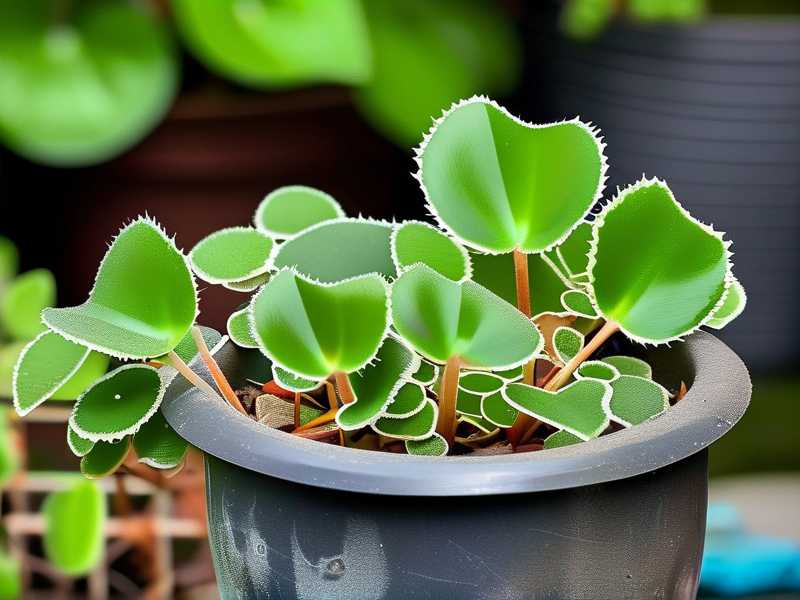
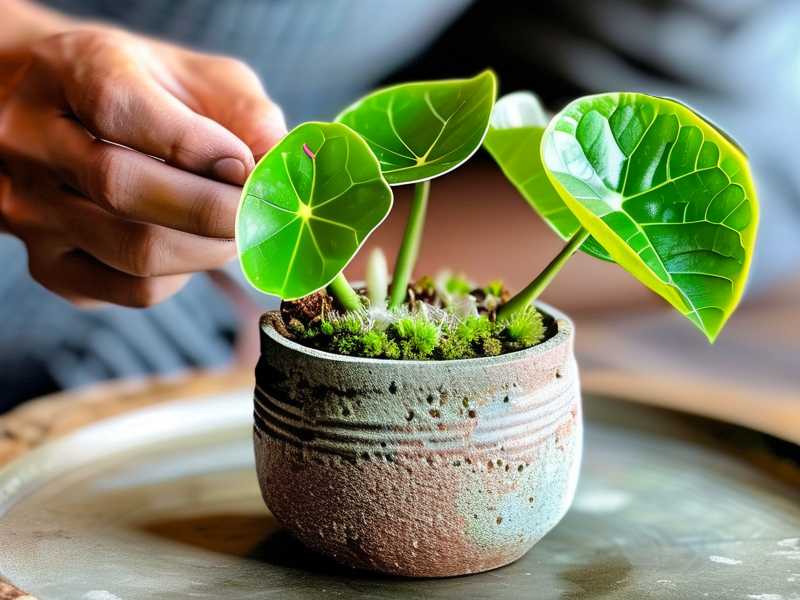
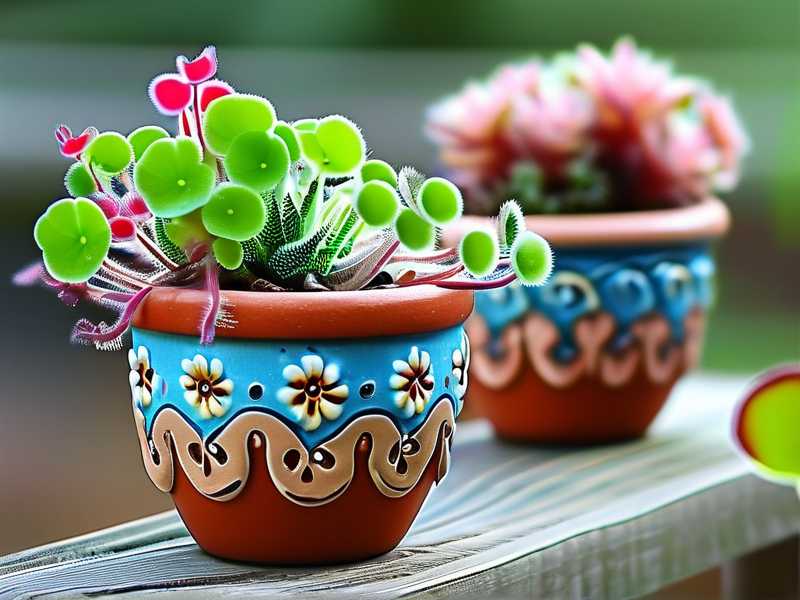
- Solution for Repotting: If you suspect bad soil or a cramped pot, repot. Gently remove the plant, rinse the roots in distilled water, and place it in a fresh mix of peat moss and perlite. Use a plastic or glazed ceramic pot with drainage holes. A pot 4-6 inches in diameter is usually sufficient for most common sundews. Repotting can shock the plant, so be patient as it recovers.
Dormancy Requirements (For Temperate Sundews)
Species like Drosera rotundifolia or Drosera filiformis require a winter dormancy period. If they don’t experience it, they will exhaust their energy and eventually die, often showing as weak, non-growing growth in the supposed growing season.
- Symptoms: The plant seems unhealthy during its normal growing season after skipping a winter rest.
- The Solution: In late autumn, gradually reduce photoperiod and temperatures. They need a cold period (just above freezing to about 40°F/4°C) for 3-4 months. This can be achieved in an unheated garage, a cold frame, or even the refrigerator (in a sealed bag with a slightly damp medium). They will often form a tight hibernaculum (winter bud). Return them to warm, bright conditions in spring to trigger vigorous new growth.
Advanced Troubleshooting and Recovery Care
Once the core issues are addressed, these additional strategies can further support your sundew’s recovery and boost its growth rate.
Feeding for Growth Acceleration
While not a substitute for good light, feeding provides the raw materials for new tissue. A starving sundew in low-light conditions cannot grow, but a well-fed one under strong light can grow remarkably fast.
- How to Feed: If your plant is indoors and not catching insects, you can supplement. The safest method is to use maximized light exposure to stimulate natural dew, then place small insects like fruit flies or bloodworms on the tentacles. For a simpler approach, a single drop of diluted fish food or orchid fertilizer on a few tentacles once every 2-4 weeks during active growth can be highly effective, as noted by carnivorous plant experts. Never apply fertilizer to the soil.
Humidity and Air Circulation
While less critical than light or water, very low humidity can cause dew to evaporate too quickly, stressing the plant. However, stagnant, ultra-high humidity can encourage fungal growth.
- The Balance: Aim for moderate to high humidity (above 50%). This is often achieved naturally by keeping the water tray full. Gentle air circulation from a distant fan helps prevent mold and strengthens the plant.
Pest Management
Aphids, spider mites, and fungus gnats can attack weakened sundews, further sapping their energy.
- Treatment: Physically remove pests or use a gentle spray of water. For severe infestations, a diluted insecticidal soap applied carefully to affected areas can be used. Isolate the affected plant to prevent spread.
Patience and Observation
After correcting the environment, give your plant time. Sundews focus energy on root recovery first. You may not see new above-ground growth for several weeks. Monitor for a brighter green color and renewed dew production as the first positive signs.
Why is my sundew not producing dew? Lack of dew is almost exclusively a light issue. Sundews produce dew as a direct response to bright, intense light. Increasing both the intensity and duration of light exposure is the primary solution. Low humidity can cause dew to dry, but it won’t prevent its initial production if light is sufficient.
Can I use fertilizer to make my sundew grow faster? You should never use standard plant fertilizer in the soil. However, occasional, highly diluted foliar feeding on the leaves’ tentacles can supplement growth if the plant is already receiving optimal light and water. Think of it as providing the “insects” it would catch naturally, not as a substitute for proper core care.
How often should I repot my sundew? Repotting is only necessary every 1-2 years or if the soil medium breaks down or becomes contaminated. Sundews generally have modest root systems and do not require frequent pot upgrades. Repot during the active growing season to minimize stress and aid recovery.
Watching a sundew not growing can be disheartening, but it’s a solvable puzzle. Success hinges on meticulously providing the unique conditions these fascinating plants require: relentless bright light, pure water in constantly wet, acidic soil, and for many species, a vital winter rest. By methodically checking each of these factors—light first and foremost—you can diagnose the bottleneck in your plant’s health. The reward for this attention to detail is a spectacular, dewy specimen that not only grows but thrives, showcasing the incredible insect-trapping adaptation that makes sundews so captivating. Start with light, ensure the water is pure, and your sundew will likely respond with a new surge of vibrant, sticky growth.