bluename
 How to Identify and Treat Sundew Diseases: A Complete Care Guide
Seeing your sundew, that once-vibrant insect hunter, looking sickly is a heart-sinking moment for any plant enthusiast. You’ve provided the right soil, pure water, and ample light, yet something is clearly wrong. The leaves may be discolored, growth stunted, or a strange mold taking hold. This guide is your essential resource for diagnosing and curing common sundew diseases, empowering you to restore your plant’s health with confidence and precision.
Understanding the Root Cause: Prevention Over Cure

Before diving into specific diseases, it’s critical to understand that sundews are remarkably resilient when their basic needs are met. Most health issues stem from environmental stress, not pathogens. The cornerstone of disease prevention is mimicking their natural bog habitat: consistently moist soil with distilled, reverse osmosis, or rainwater, bright indirect or direct light, and high humidity. A stressed plant is far more susceptible to infection. As noted by carnivorous plant experts at the International Carnivorous Plant Society, "Vigorous plants grown in optimal conditions rarely succumb to disease."
Step-by-Step Guide to Diagnosing Sundew Problems
Accurate diagnosis is the first and most crucial step. Follow this systematic approach to identify what’s ailing your plant.
Observing Symptoms and Signs
Carefully examine your sundew. Symptoms are the plant’s reactions (yellowing, wilting), while signs are the visible presence of the pathogen (fungal threads, powdery residue). Document what you see.
- Leaf Discoloration: Are leaves turning yellow, brown, or black? Where is this happening—on older leaves, new growth, or all over?
- Growth Patterns: Has growth completely halted? Is the new growth deformed, stunted, or lacking dew?
- Surface Inspection: Look closely for any fuzzy growth, spots, or powdery substances on leaves, stems, or the soil surface.
Common Sundew Diseases and Their Treatments
Here, we break down the most frequent issues, their causes, and proven treatment protocols.
Fungal Foes: Botrytis and Powdery Mildew
Fungi thrive in stagnant, overly humid conditions with poor air circulation.
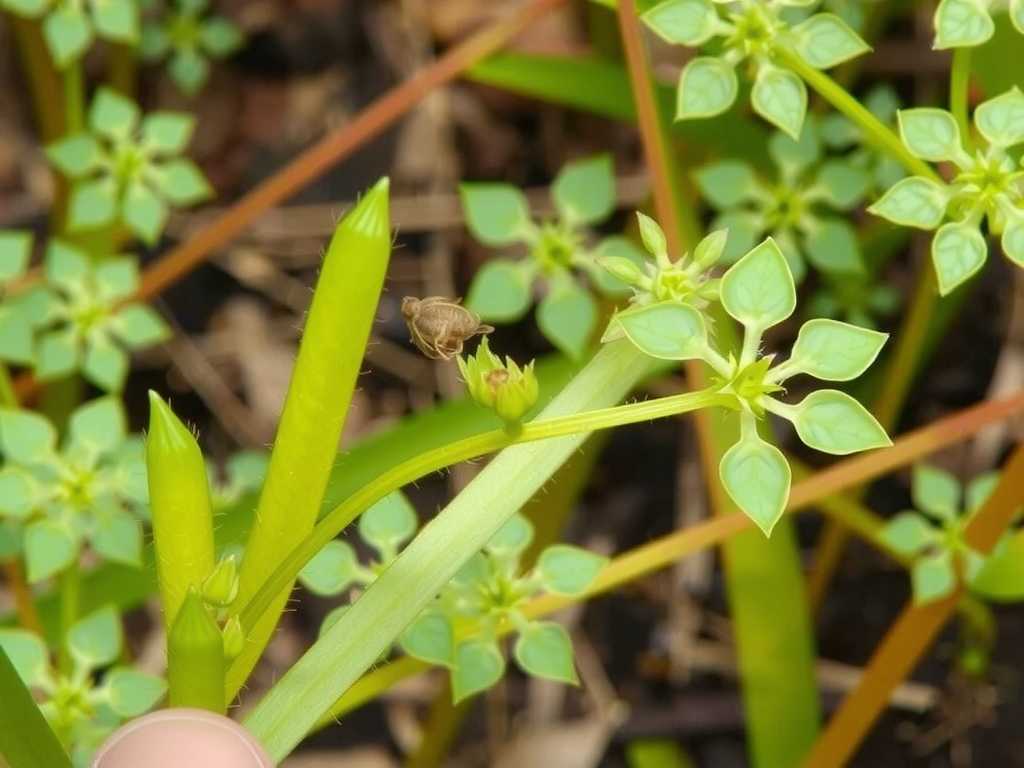
- Identifying Botrytis (Gray Mold): This appears as fuzzy gray or brown mold, often starting on decaying leaves or trapped insects before spreading to healthy tissue. It’s common in terrariums or during cooler, damp periods.
- Treatment Plan for Fungal Issues:
- Immediate Isolation: Quarantine the affected plant to prevent spread.
- Surgical Removal: Using sterilized scissors, meticulously cut away all infected tissue. Dispose of it far from your plant collection.
- Improve Conditions: Dramatically increase air flow with a gentle fan. Ensure the plant is in bright light. Reduce humidity slightly if possible.
- Fungicide Application: For severe cases, apply a sulfur-based fungicide or a diluted neem oil solution, carefully avoiding the sticky dew on the leaves. Apply in the evening.
Bacterial Leaf Spot and Rot
Bacteria cause rapid, wet-looking decay and are often introduced through contaminated water or tools.
- Spotting Bacterial Infections: Look for small, water-soaked spots that quickly enlarge, turn black or brown, and become slimy. The affected area may have a foul odor.
- Effective Treatment Strategy:
- Aggressive Pruning: Remove all affected leaves and stems, cutting back into healthy green tissue. Sterilize your tool after every cut.
- Environmental Correction: Water from below (tray method) to keep leaves dry. Ensure excellent drainage and avoid overcrowding.
- Copper-Based Treatment: As a last resort, a bactericide containing copper can be used, but it must be applied with extreme care due to sundews’ sensitivity.
Physiological Disorders: Often Mistaken for Disease
These are not infectious but are common problems that weaken the plant.
- Lack of Dew Production: This is a classic sign of stress, not a disease. Primary causes are insufficient light, low humidity, or water containing minerals (tap water).
- Root Rot from Waterlogged Soil: While often fungal, the cause is cultural. If the medium is broken down, soggy, and smells foul, the roots are likely suffocating.
- Action: Unpot the plant, gently wash away old soil, cut off any black, mushy roots, and repot in fresh, appropriate carnivorous plant mix.
Advanced Care: Quarantine and Recovery Protocols
Setting Up a Plant Sick Bay
Have a dedicated, separate space for recovering plants. This area should still provide good light but can be slightly more controlled for humidity and airflow during treatment.
Post-Treatment Monitoring and Care
After treatment, resist the urge to over-fertilize or overwater. Focus on providing flawless core care: perfect water, maximum light, and stable conditions. Recovery can be slow; look for signs of new, healthy growth as your indicator of success.
Expert Tips for Maintaining Disease-Resistant Sundews
Consistency is your best defense. Use deep trays for the water reservoir to maintain consistent moisture. Provide 12-14 hours of bright light daily. Repot annually or biennially in fresh, nutrient-free media to prevent salt buildup and media decomposition. Always quarantine new plants for 3-4 weeks before introducing them to your collection.
Frequently Asked Questions
Why are the leaves on my sundew turning black? Leaf blackening can be a natural process as older leaves die back. However, if new growth or multiple leaves are rapidly turning black and becoming mushy, it is likely a sign of rot due to overwatering, poor drainage, or a bacterial infection. Assess your watering habits and soil condition first.
Can I use a general houseplant fungicide on my sundew? You must exercise extreme caution. Many sundews are sensitive to chemicals. It is always best to try cultural corrections (improving air flow, removing affected parts) first. If a fungicide is necessary, opt for a mild, natural option like diluted neem oil or a sulfur powder, and test it on a single leaf first. Avoid getting any treatment on the sticky mucilage.
How often should I repot my sundew to prevent disease? Repotting every 1 to 2 years is a excellent preventive health measure. It refreshes the acidic, low-nutrient growing medium, prevents the buildup of harmful minerals from water, and allows you to inspect the root system for early signs of rot. The best time to repot is in early spring as the plant exits winter dormancy.
A healthy sundew is a captivating and vigorous plant. By learning to read its signals—whether it’s a cry for more light or the early sign of a fungal issue—you transition from a passive owner to an expert caretaker. Remember, the goal is not just to treat disease but to cultivate an environment where disease struggles to take hold. With observation, prompt action, and a return to the fundamentals of their care, your sundews will thrive for years to come, their glistening traps a testament to your attentive stewardship.