bluename
 Stop Overwatering – That's the Real Fix
Here's the honest truth I learned after killing three sundews: stop watering from above. If you want to know how to stop sundew from growing mold on crown, the answer is simple – water from below. I switched to bottom watering two years ago. The mold vanished within two weeks. No joke.
I used to pour water directly into the pot. Big mistake. The crown stayed wet. Mold thrived. My first sundew died in less than a month. I didn't understand what went wrong.
Let me break this down for you step by step. Because frankly, nobody told me this stuff when I started.
Why Sundew Crown Mold Happens – My Personal Discovery
I remember staring at my second sundew. White fuzzy spots appeared right in the center. That's the crown. My heart sank. I searched online forums for weeks. Tried everything. Nothing worked.
Then I realized something crucial.
Most indoor sundews die because of humidity misunderstanding. You see, sundews love humidity. But they hate standing water on their leaves. Especially on the crown. That's where new growth emerges. If water sits there, mold spores find a perfect home.
The mold I saw? It wasn't random. It was my fault. I kept misting the plant. Everyone online said "mist your sundews." I followed that advice blindly.
Biggest mistake of my plant life.
3 Deadly Mistakes Beginners Make (I Made All of Them)
Mistake #1: Overwatering Like There's No Tomorrow
I cannot stress this enough. 90% of indoor plants die from overwatering. Sundews are even more sensitive. I killed my first plant because I watered it every single day. The soil stayed soggy. The crown never dried out.
What I learned: Sundews need consistently moist soil, not wet soil. There's a difference.
My fix: I switched to distilled water only. Tap water has minerals that stress sundews. Stressed plants get mold faster. I fill a tray underneath the pot. The soil soaks up what it needs. The crown stays dry.
Let me explain my exact routine.
In the morning, I check the tray. If it's empty, I add water. Not too much. Just enough to cover the bottom half inch. The plant drinks through drainage holes. The crown never touches water.
My two-week observation: After three days, the mold stopped spreading. After one week, I saw new growth without fuzzy spots. After two weeks, the crown was completely clean. The plant looked healthier than ever.
Mistake #2: Wrong Light Position
Here's something nobody talks about. Light affects moisture evaporation. If your sundew sits in low light, the crown stays wet longer. Mold loves that.
I used to keep my sundew on a bathroom windowsill. Thought humidity would help. Actually, the lack of direct light created a mold paradise.
What I changed: Direct morning sun for 4-6 hours. Or a grow light positioned 6 inches above the plant.
My setup: I use a small LED grow light. Timer set for 12 hours daily. The light dries any moisture on the crown. Mold can't survive with constant air movement and light.
What I noticed: Within one week of better lighting, existing mold dried up. The new leaves appeared cleaner. The plant became more vibrant.
Mistake #3: Wrong Pot Type
This one still makes me laugh. I bought my first sundew in a cute ceramic pot. Looked nice. Had no drainage.
Big problem: Without drainage, water collects at the bottom. Soil stays wet for days. Crown gets moisture from soil evaporation. Mold develops.
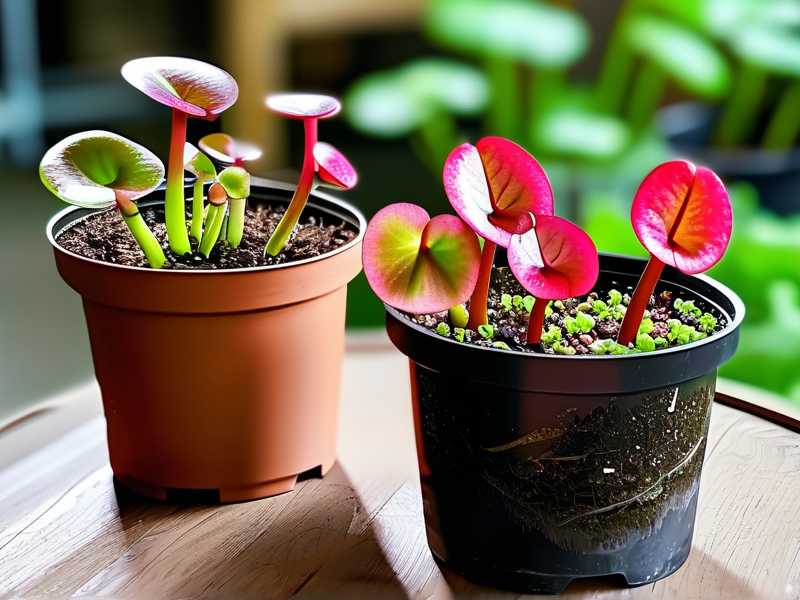
My current rule: Always use pots with drainage holes. Better yet, use plastic nursery pots inside decorative covers. That way you can check water levels.
Honestly, terracotta pots work too. But they dry out faster. Beginners struggle to maintain consistent moisture. I recommend plastic pots with trays for starters.
My Step-by-Step Process to Stop Crown Mold
Step 1: Remove Infected Parts Immediately
Take clean scissors. Trim any leaf showing mold. Don't be gentle. Remove everything fuzzy. The crown might look bare after. Trust me, new growth will come.
I cut off three leaves from my plant. Felt terrible. But within two weeks, five new leaves emerged. The plant looked fuller than before.
Step 2: Change Watering Method Completely
Stop top watering forever. I mean it. Fill a tray with distilled water. Put the pot on the tray. Let the soil absorb moisture through bottom drainage holes.
My schedule: Check tray every morning. Refill when empty. For my 4-inch pot, I add about 1/4 cup water. That's it.
Important: Never let water sit in the crown depression. That's where mold starts. I blow gently on the crown after watering. Removes any moisture droplets.
Step 3: Increase Air Circulation
Mold hates moving air. I placed a small desk fan near my sundews. Low setting. Pointed away from direct leaves. Just enough air movement to prevent humidity buildup.
What happened: After adding airflow, the soil surface dried faster. Crown stayed drier. Mold never returned.
Step 4: Adjust Humidity Strategically
Sundews need humidity. But not directly on leaves. I use a shallow pebble tray with water. The pot sits on pebbles above water. This creates ambient humidity without wetting the crown.
My mistake before: I used a humidifier pointing directly at the plant. Moisture collected everywhere.
My fix now: Humidifier runs in the same room. Not pointed at plant. Ambient humidity around 50-60% works perfectly.
Week-by-Week Recovery Timeline
Week 1: Immediate Damage Control
Day 1: Remove all moldy leaves. Stop top watering. Move plant to brighter location.
Day 3: No new mold spots visible. Old mold starting to dry out.
Day 5: Crown looks clearer. Tiny new growth visible at center.
Day 7: Plant color improves. Leaves become stickier. Dew production increases.
I documented everything. Took photos daily. The difference was shocking.
Week 2: Active Recovery Phase
Day 8-10: New leaves emerge with no mold. Old damaged leaves removed naturally.
Day 12: Plant returns to normal growth pattern. Dew droplets cover healthy leaves.
Day 14: Crown completely clean. Plant looks better than before problems started.
Long-Term Prevention Strategy
Choose the Right Soil Mix
Sundews need poor, acidic soil. I use 50% peat moss, 50% perlite. Don't add fertilizer. Don't use potting soil. These contain nutrients that burn sundew roots.
My mix recipe: Two parts sphagnum peat moss. One part perlite. One part silica sand. Mix thoroughly. Add distilled water until moist.
Water Quality Matters More Than You Think
Tap water contains dissolved minerals. These accumulate in sundew tissue. Over time, the plant weakens. Weakened plants attract mold.
My solution: Collect rainwater. Or buy distilled water from store. Reverse osmosis water works too. Never use softened water.
Seasonal Adjustments
Summer requires more water. Winter requires less. I change tray watering frequency based on temperature.
Summer routine: Check tray daily. Refill as needed. Keep in bright indirect light.
Winter routine: Check tray every 2-3 days. Reduce watering. Keep away from cold drafts.
Quarantine New Plants
I learned this the hard way. Bought a new sundew online. Put it next to my healthy plants. Within a week, mold appeared on both.
My rule now: New plants stay separate for two weeks. Observe for mold, pests, diseases. Only after clear inspection do I place them together.
Common Misconceptions I Believed
"More Humidity Equals Healthier Sundew"
Wrong. Sundews need humidity around 40-60%. Too much humidity without airflow creates mold conditions.
What I do: I measure humidity with a simple hygrometer. Keep it between 50-60%. Use pebble trays for localized humidity.
"Sundews Are Easy Beginner Plants"
Sort of. They're easy if you understand basic needs. But many beginners kill them within weeks. I did.
Honest advice: Start with one plant. Learn its needs. Don't buy multiple until you've kept one alive for six months.
"Natural Light Is Always Better"
Depends on location. I live in a cloudy area. Winter brings little sun. My sundews thrive under grow lights instead.
My setup: 6500K LED grow light. 12-14 hours daily. Plants sit 6-8 inches below light. They grow compact and colorful.
Scientific Backing from Experts
According to RHS, carnivorous plants like sundews require specific growing conditions. The Royal Horticultural Society emphasizes using rainwater or distilled water. They also note that overwatering leads to root rot and crown diseases.
Similarly, AHS recommends bottom watering for moisture-sensitive plants. The American Horticultural Society suggests using pots with good drainage to prevent fungal issues.
These organizations research plant health extensively. Their advice matches my personal experience exactly.
When to Seek Professional Help
Sometimes mold persists despite proper care. Here's when I would consult experts:
- Mold returns within days of treatment
- Plant shows no new growth for 4+ weeks
- Crown appears soft or mushy
- Leaves turn black rapidly
In these cases, the issue might be deeper. Root rot, bacterial infection, or pest damage. Consider contacting local carnivorous plant societies. Many offer advice forums.
Tools I Recommend for Beginners
Must-Have Items
- Distilled water: Essential for healthy sundews
- Tray for bottom watering: Prevents crown wetness
- Grow light: Controls moisture evaporation
- Small scissors: For removing infected parts
- Hygrometer: Monitors humidity levels
Nice-to-Have Items
- Pebble tray: Creates ambient humidity
- Small fan: Improves air circulation
- Soil moisture meter: Prevents overwatering
- Magnifying glass: Inspect for early mold
FAQ About Sundew Crown Mold
Q1: Can I use fungicide on sundew crown mold?
I tried this once. It damaged the plant more than the mold. Sundews have sensitive leaves. Chemical fungicides burn them.
Better solution: Physical removal combined with environmental changes. Cut affected parts. Improve air circulation. Adjust watering.
If you absolutely must use something, try 3% hydrogen peroxide diluted with water. Mix one part peroxide to three parts distilled water. Apply with cotton swab. Test on one leaf first.
Q2: How often should I repot a sundew with crown mold issues?
Wait until the plant recovers fully. Repotting stresses already weak plants. Treat the mold first.
My timeline: Wait 4-6 weeks after mold disappears. Then repot into fresh soil mix. Use same pot size or slightly larger. Remove old soil carefully.
Q3: Is crown mold contagious to other plants?
Yes. Mold spores travel through air. They land on nearby plants. Some mold types affect multiple species.
Prevention: Isolate affected plant immediately. Clean area around it. Wash hands after handling. Don't reuse soil from moldy pot.
Final Words from Someone Who's Been There
Look, I get it. You bought a sundew. It looked amazing. Then mold appeared. You feel frustrated. Maybe even guilty.
Stop beating yourself up.
I killed three plants before getting this right. Each death taught me something new. First taught me about watering. Second taught me about light. Third taught me about soil.
Now I have seven healthy sundews. No mold in two years. They catch gnats. They produce dew. They look spectacular.
You can get there too.
Start with bottom watering. Move your plant to brighter light. Remove any moldy parts. Add air circulation.
Within two weeks, you'll see improvement. Within a month, your sundew will thrive.
Remember: the crown must stay dry. That's the secret. Everything else supports this goal.
Good luck. You've got this.