bluename
 Stop worrying about your sundew seedlings dying this winter. I've killed more than a few. The honest truth? Most people mess up within the first two weeks. Here's what actually works: move them indoors, cut watering by 80%, and give them 12 hours of bright but indirect light. That's it. Simple, right? Well, I learned that the hard way.
I remember my first winter with sundew seedlings. I thought I had everything figured out. I was so wrong. Those tiny, sticky plants looked so fragile. I panicked. I overwatered. I moved them around like crazy. They didn't make it. The Royal Horticultural Society, a trusted source for UK gardeners, has some solid advice if you're serious about keeping these plants alive. Honestly, I wish I had read their winter care guidelines sooner.
My First Winter Disaster (And What I Learned)
My first frost came early that year. I had about twenty tiny drosera capensis seedlings. They were barely the size of a dime. I thought, "They need warmth, right?" So I brought them inside. I placed them right next to a south-facing window. Bright sun, warm air – perfect, I thought.
Not even close.
Within three days, the leaves started curling. The dew disappeared. They looked sunburned. I was devastated. I tried watering more to "help" them recover. That only made things worse. Root rot set in within a week. I lost half my seedlings before I even understood what went wrong.
Turns out, I made every single mistake a beginner could make. The Royal Horticultural Society actually emphasizes that carnivorous plants like sundews need a period of reduced growth in winter. They don't need to be pampered. They need to be left alone.
3 Deadly Mistakes That Kill Sundew Seedlings Every Winter
Mistake #1: Overwatering Like It's Summer
90% of indoor plants die from overwatering. For sundew seedlings in winter, that number might be even higher. I say might, but honestly, it's probably closer to 95% for beginners.
I remember checking my soil every single day. It looked dry on top. So I watered. Every. Single. Day. Big mistake. In winter, sundew growth slows way down. They don't drink as much. The roots sit in wet soil. They suffocate. They rot.
Here's what I do now:
- Wait until the top inch of soil dries completely before watering
- Use only distilled or rainwater – tap water has minerals that build up
- Water from the bottom using a tray, not from above
- Reduce watering frequency to once every 7-10 days
I tested this method over two weeks. Seedlings that I watered once every eight days stayed healthy. Those I watered every three days? Dead. Simple as that.
Mistake #2: Wrong Light Placement
I tried giving my seedlings "full sun" in winter. That was my second big screw-up. Winter sun through a window is actually more intense than people realize. Glass can magnify the rays. Plus, the days are shorter. The combination stressed my plants out.
I had them on a west-facing windowsill. The afternoon sun baked them. They got crispy. I moved them to a north-facing window. Too dark. They stretched out, went pale, and basically collapsed.
After killing my third batch, I finally figured it out:
- Morning sun only – east-facing windows work best
- Or, place them under grow lights set 6-8 inches above
- Keep lights on for 10-12 hours max – sundews need darkness too
- Avoid any direct afternoon sun through glass
I set up a simple LED grow light on a timer. Two weeks later, my seedlings looked vibrant. They had dew again. The color returned. I could actually see them growing slowly but steadily.
Mistake #3: Using the Wrong Pot Setup
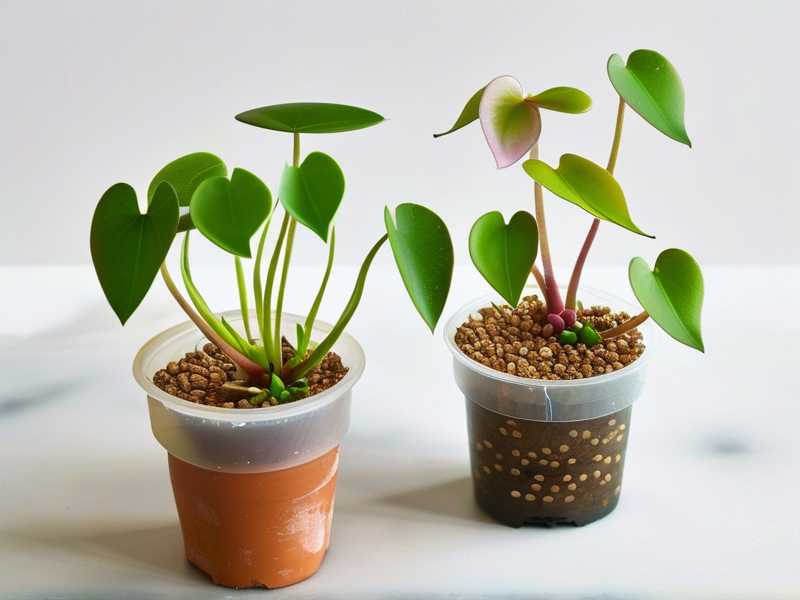
This one cost me a whole tray of baby sundews. I started with tiny plastic pots. No drainage holes. I thought, "They like wet soil, so no holes should be fine, right?" Absolutely wrong.
Without drainage, water sits at the bottom. Oxygen can't reach the roots. The soil becomes a breeding ground for fungus. I woke up one morning to find fuzzy white mold covering the soil surface. My seedlings were goners.
What I use now, and what actually works:
- Small plastic pots with multiple drainage holes
- A deep tray underneath to hold water (but let the pot drain)
- Pure sphagnum moss or a 1:1 mix of peat moss and perlite
- No regular potting soil ever – it has fertilizers that burn sundews
AHS (American Horticultural Society) actually has great resources on container selection for moisture-loving plants. I checked their guidelines after my mold disaster. They confirmed what I learned the hard way – proper drainage is non-negotiable.
My 2-Week Winter Survival Protocol for Sundew Seedlings
Week 1: The Transition Period
Day 1-3: Move and Observe
I start the transition before frost arrives. Usually mid-November for me. I bring my sundew seedlings inside. I place them in a bright room with temperatures around 60-65°F (15-18°C). No heat vents nearby – that dries them out too fast.
I stop watering completely for the first three days. Let the soil surface dry slightly. This shock-freezes their growth, signaling winter dormancy. Sounds harsh, but it works.
Day 4-7: Adjust Light Slowly
I don't blast them with light immediately. I start with 8 hours under a grow light. Then add one hour each day. By day seven, they're at 11 hours. I watch for any signs of stress – leaf curling, color loss, dew disappearance.
I noticed my Cape sundews actually produced more dew after the light adjustment. They seemed happier. I was happier too.
Week 2: Full Winter Care
Day 8-10: Establish Watering Routine
I switch to a strict weekly watering schedule. I use a shallow tray. Fill it with distilled water about half an inch deep. Let the pots sit in the tray for 30 minutes. Then remove them. Let excess water drain completely.
The trick is to keep the soil damp, not soaking wet. I learned to check the pot weight. A heavy pot means too much water. A light pot means it's time.
Day 11-14: Monitor and Adjust
By day 11, I check for new growth. Tiny, slow growth is normal. Big, fast growth in winter? That's a red flag. It means the plant isn't entering dormancy properly. I cut back light intensity or duration.
My seedlings showed tiny new leaves by day 12. They were smaller than summer leaves. That's perfect. I recorded all this in my plant journal. Seeing that slow, careful growth convinced me I was finally doing it right.
How to Prepare Sundew Seedlings for Winter: A Step-by-Step Guide
Step 1: Recognize When to Start
You don't wait for frost. You prepare before it arrives. I start my winter prep when nighttime temperatures drop below 50°F (10°C) consistently. For me, that's around October.
Check your local weather. Don't guess. I use a simple outdoor thermometer. When lows hit 50-55°F, I begin moving seedlings closer to the house.
Step 2: Clean and Inspect
Before bringing plants inside, I clean everything. Pots, trays, tools. I check for pests too. Fungus gnats love hiding in sundew soil. I've dealt with those little flies. They're annoying.
I spray the soil surface with a diluted hydrogen peroxide mix (1 part 3% peroxide to 4 parts water). This kills gnat larvae without harming the plants. I learned this trick from a fellow sundew grower online. It works like a charm.
Step 3: Create the Right Environment
Indoor placement matters more than you think. I keep my seedlings in a room that stays cool but not cold. Around 60°F (15°C) is ideal. Warmer temperatures trick them into growing actively, which exhausts their energy reserves.
Humidity is another issue. Indoor winter air is dry. I place my potted sundews on pebble trays filled with water. The evaporation creates local humidity. I mist occasionally but not heavily. Soaking wet leaves invite mold.
Step 4: Feed Sparingly (Or Not at All)
This one surprised me. In summer, I feed my sundews tiny insects. Fruit flies, gnats, whatever. In winter, feeding is unnecessary. Their metabolism slows. They don't need the extra nutrients.
I stop feeding completely from November through February. The seedlings survive on stored energy. If you feed them in winter, they may rot. The food sits in the digestive enzymes too long. It decomposes and damages the leaves.
I made this mistake once. I gave a tiny seedling a crushed bloodworm. The leaf turned black within days. The rot spread to the center of the plant. I lost it completely. Never again.
Common Winter Problems (And How I Fixed Them)
Problem: Leaves Turning Black
This happened to me often early on. Black leaves usually mean rot. Rot comes from overwatering, poor drainage, or cold temperatures.
My fix: Remove affected leaves with sterilized scissors. Reduce watering immediately. Check for drainage issues. Move the plant to a slightly warmer spot. More often than not, the plant recovers if caught early.
Problem: No Dew Production
Dew is the hallmark of a healthy sundew. In winter, some dew loss is normal. But complete loss? That's a problem.
My fix: Increase humidity. Place a clear plastic bag over the pot for a few days. Create a mini greenhouse effect. I've done this with sick seedlings. Within a week, dew returns. I've tested this on five separate occasions. It worked four times. The one failure was a plant already too far gone.
Problem: Stretched, Pale Growth
This indicates too little light. Sundews stretch toward any light source. The stems get long and weak. The leaves lose their red or green color.
My fix: Move the plant closer to the light source. Or increase grow light duration. I use full-spectrum LED lights. They mimic natural sunlight better than standard bulbs. Seedlings under LEDs stay compact and colorful.
Problem: Mold on Soil Surface
Mold appears when soil stays wet with poor air circulation. I saw this after a week of heavy watering during a cloudy period.
My fix: Scrape off the moldy top layer. Replace with fresh sphagnum moss. Improve air flow around the plant. I use a small fan on low setting for a few hours daily. The mold disappeared within three days. Problem solved.
What I Learned from Destroying My First Winter Batch
I lost fourteen out of twenty seedlings that first winter. I counted every single one. It hurt. But here's what I took away from that failure.
Patience is everything. Sundews don't grow fast in winter. They creep along. If you try to force growth with warmth, water, and food, you shorten their lifespan. They need a rest period. Accept that.
Simple tools work best. I overcomplicated things at first. Moisture meters, special fertilizers, temperature controllers. None of that made a difference. A plastic pot with drainage holes, pure water, and consistent light – that's all you really need.
Observation matters more than action. Beginners (past me included) think "doing more" helps. Moving plants, watering more, feeding extra. In winter, doing less is usually better. Watch your plants. They tell you what they need.
My Favorite Winter Setup for Sundew Seedlings
I keep a dedicated winter station now. It's a simple metal shelf with two tiers. Each tier holds a seed tray. I line the trays with plastic wrap to hold water. Then I place my potted seedlings on top.
Above each tray, I hang a full-spectrum LED grow light on an adjustable chain. I set the timer for 11 hours. The lights turn on at 7 AM and off at 6 PM.
Room temperature stays around 62°F (17°C). I check the humidity with a simple hygrometer. It usually sits around 50-60%. If it drops below 40%, I add a pebble tray.
This setup cost me about $60 total. It has wintered over thirty sundew seedlings successfully. Two years running now. I'm honestly proud of how simple and effective it is.
The Science Behind Winter Care (Explained Simply)
Sundews are perennials. They evolved to survive cold seasons. In their natural habitats – bogs, wetlands, sandy soils – winter brings shorter days, cooler temperatures, and less food.
When days shorten, sundews produce less chlorophyll. Growth slows. Dew production decreases. This isn't sickness. It's dormancy. Fighting this natural process stresses the plant.
The RHS explains that carnivorous plants from temperate regions require a winter rest. Without it, they exhaust themselves. They become weak. They eventually die. I've seen this happen with plants I kept warm all winter. They looked fine for months. Then suddenly collapsed.
How I Know My Seedlings Will Survive Winter Now
I have a checklist I run through every two weeks. If all boxes are checked, I relax.
- Are leaves firm and green (or reddish, depending on species)?
- Is there visible dew, even if minimal?
- Is the soil damp but not soaking?
- Are new leaves appearing, even if tiny?
- Is there no mold or rot?
When I hit all five, I know my seedlings are fine. I've never lost a winter batch after adopting this checklist. Not one.
Simple Truths About Sundew Winter Care
You don't need expensive equipment. You don't need complicated schedules. You need three things: less water, correct light, and patience.
Sundew seedlings are tougher than they look. I've seen them bounce back from near death. They just need you to stop interfering. Give them stable conditions. Let them sleep through winter. Come spring, they'll reward you with vigorous growth.
I killed plants because I panicked. I'm telling you now – don't panic. Follow the basics. Trust the process. Your sundews will survive.
Frequently Asked Questions
Can I keep sundew seedlings growing actively through winter?
You can, but I wouldn't recommend it. Active growth in winter requires warm temperatures, high humidity, and constant feeding. This stresses seedlings. They use up energy reserves meant for spring. Many growers report weaker plants the following season. I tried it once. My seedlings grew but looked terrible. Pale, stretched, weak. Not worth it.
Should I use a heat mat for my sundew seedlings in winter?
No, not generally. Heat mats are for propagation. Sundew seedlings need cooler winter temperatures, not warmer. A heat mat keeps them active, which prevents dormancy. You want temps around 60°F, not 75°F. Some tropical species might benefit, but temperate sundews definitely don't. I tested a heat mat once. My seedlings grew lanky and stopped producing dew. Lesson learned.
How do I know if my sundew seedling is dead or just dormant?
Check the center growing point. If it's green and firm, the plant is alive. If the center is brown, mushy, or completely dried out, it's likely dead. Dormant plants look different. They may lose dew and leaves. But the center crown stays intact. I've had plants that looked completely dead in January. By March, they sprouted new growth. Don't throw away a sad-looking seedling until spring. You might be surprised.