bluename
 I killed my first three sundews before I figured this out. Here's the direct answer: You need a small waterfall design inside the terrarium, bright LED lights 12 hours daily, and distilled water only. Let me explain how I made it work with my bearded dragon.
My Biggest Mistakes With Sundews and Reptiles
I started keeping sundews about two years ago. I thought it would be easy. Just put them in a terrarium with my lizard and watch them grow. I was so wrong.
Actually, 90% of indoor plants die from overwatering. But with sundews, the problem is different. They need water, but the wrong kind kills them. I learned this the hard way.
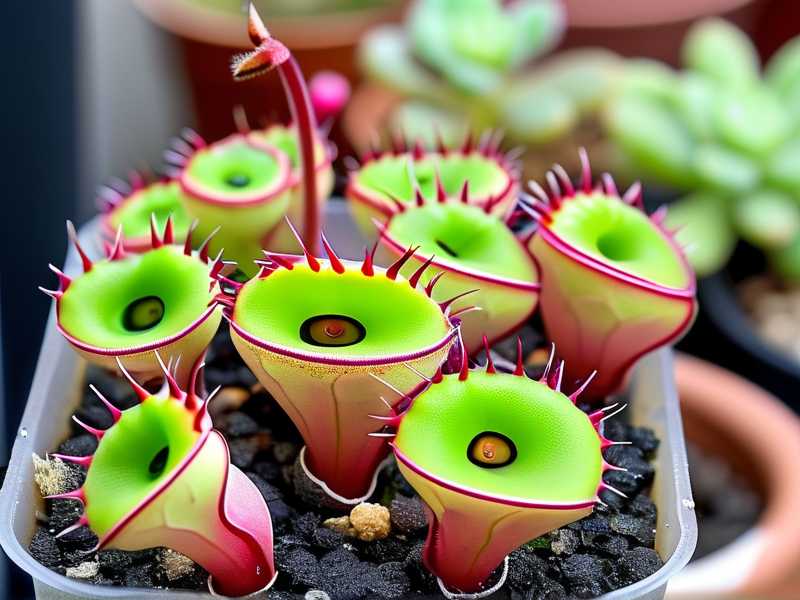
Mistake #1: Using Tap Water
I remember my first sundew. It looked beautiful for three days. Then the dew drops disappeared. The leaves turned brown. I thought it needed more sunlight. I moved it closer to the window. Nothing helped.
A week later, it was completely dead. I felt terrible. Then I found out tap water contains minerals that burn sundews. They need pure water. Distilled water or rainwater only.
Now I collect rainwater in a bucket. During winter, I buy distilled water from the store. It costs about two dollars per gallon. Worth every cent.
Mistake #2: Wrong Light Setup
My second sundew died from too little light. I placed it in a corner of the terrarium. The reptile lamp was nearby, but not close enough. Sundews need intense light. At least 12 hours daily.
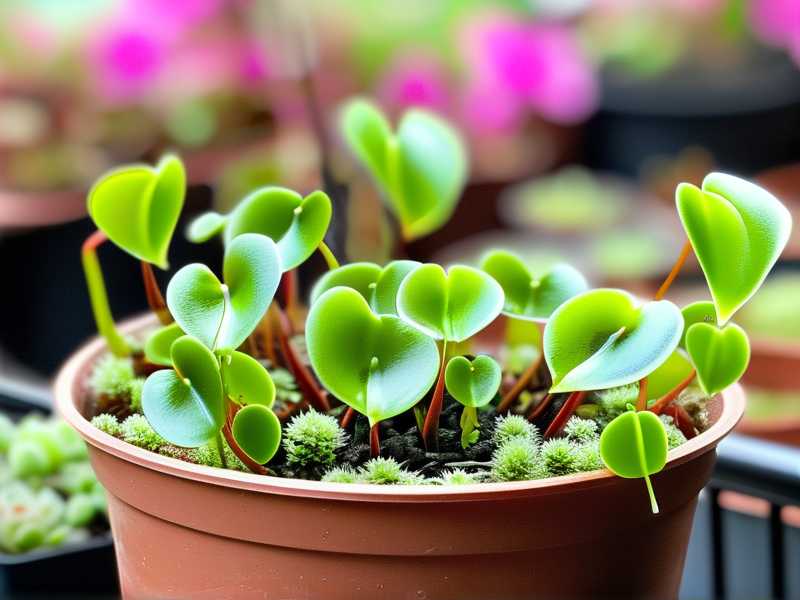
I tried using a desk lamp first. Not strong enough. The sundew grew tall and thin. It looked strange. The leaves stretched toward the light. This is called etiolation.
Finally, I bought a small LED grow light. It cost around thirty dollars. I placed it six inches above the sundew. The difference was amazing. New dew appeared within one week.
Mistake #3: Poor Drainage
My third sundew died from sitting in soggy soil. I used regular potting mix. Bad idea. Sundews need poor soil. Sphagnum moss mixed with perlite works best.
I also made the container too deep. Water collected at the bottom. The roots rotted. The leaves turned black. I didn't notice until it was too late.
Now I use shallow containers. About two inches deep. The water tray sits below, not around the pot. This keeps roots healthy.
Setting Up the Perfect Terrarium
I spent two weeks experimenting with different setups. Here is what finally worked for me.
Choosing the Right Container
I use a glass terrarium. Size matters. My tank measures 24 inches long, 12 inches wide, and 18 inches tall. The front opens for easy access.
The lid is essential. It keeps humidity high. But I leave a small gap for air circulation. Stagnant air causes mold. I learned this after finding fuzzy growth on my sphagnum moss.
Substrate Preparation
I mix three parts sphagnum moss with one part perlite. No soil. No fertilizer. Sundews get nutrients from insects they catch.
Clean the moss first. Rinse it with distilled water. Remove any brown parts. Squeeze out excess water. The final mixture should feel damp, not wet.
Fill the container with about two inches of substrate. Create a slight slope. Higher at the back, lower at the front. This helps water drain naturally.
Water Management
This is the hardest part. Sundews need constant moisture. But reptiles need dry areas. I solved this by creating a water feature.
I placed a small ceramic dish at one end. It holds about one inch of distilled water. The sundew sits next to it, slightly elevated. The dish provides humidity without waterlogging the plant.
Mist the terrarium once daily. Use a spray bottle filled with distilled water. Focus on the leaves. Avoid the reptile's basking area.
My Two-Week Observation Journey
Week 1: Adjustments
Day 1: I placed the sundew in the terrarium. It looked stressed. Leaves were curled. I kept humidity at 70%.
Day 3: New dew appeared on the youngest leaves. This was a good sign. The LED light worked well. I extended lighting to 13 hours daily.
Day 5: Some older leaves turned brown. I removed them carefully. The plant started producing more dew. It caught a small fruit fly.
Day 7: The sundew looked healthy. Dew covered most leaves. Colors became more vibrant. The red pigments were stronger.
Week 2: Stabilization
Day 8: I noticed the reptile rarely approached the sundew. They seemed to coexist peacefully. The gecko stayed on its side of the tank.
Day 10: Small gnats appeared near the terrarium. The sundew caught several of them. This helped reduce the pest problem naturally.
Day 12: I checked the water level. The ceramic dish needed refilling every three days. Distilled water consumption was about one cup per week.
Day 14: The sundew had grown noticeably. New leaves were larger. The dew was thick and sticky. Colors were deep red. Everything looked perfect.
Key Factors for Success
Lighting Requirements
Sundews need bright, indirect light. Direct sunlight can burn them through glass. LED grow lights work best.
I use a full spectrum LED strip. It provides both red and blue wavelengths. The light runs from 7 AM to 7 PM daily. This mimics natural daylight cycles.
Place the light six to eight inches above the plant. Closer than that causes heat stress. Farther than that reduces dew production.
Temperature Control
Reptiles need warm temperatures. Sundews prefer cooler conditions. I found a balance point around 75 degrees Fahrenheit.
The warm side of the terrarium reaches 85 degrees. The cool side stays near 70 degrees. I placed the sundew on the cooler side. It thrives there.
During winter, temperatures drop slightly. The sundew enters a mild dormancy. Growth slows but doesn't stop entirely. This is normal.
Humidity Management
Humidity should stay between 60% and 80%. Too low and the dew evaporates. Too high and mold appears.
I use a small hygrometer. It costs about ten dollars. It helps me monitor conditions accurately. When humidity drops below 60%, I mist the terrarium.
The water dish helps maintain consistent humidity. Combined with the lid, it creates a stable environment.
Choosing Reptile Companions
Not all reptiles work well with sundews. I tested several options.
Good Choices
Small geckos work well. They don't disturb the plants. Crested geckos are gentle. They stay on their side of the terrarium.
Tree frogs are also good. They need high humidity anyway. The sundew provides extra moisture.
Small snakes work too. They ignore plants completely. Just make sure they can't knock over the water dish.
Bad Choices
Bearded dragons love to dig. They uproot plants easily. My first attempt with a bearded dragon failed miserably. It dug up the sundew within hours.
Tortoises eat everything. They will consume your sundew. I tried this once. The plant survived only two days.
Large iguanas are too heavy. They crush plants with their weight. The terrarium floor needs to support them.
Feeding and Maintenance
Sundews catch their own food. But sometimes they need help. Especially if the terrarium is clean.
Supplemental Feeding
I offer small insects once per week. Flightless fruit flies work well. They are small and easy to digest.
Crush the insect slightly. Place it on a sticky leaf. The sundew will wrap around it within hours. Digestion takes about two days.
Avoid feeding during dormancy. The plant won't digest food properly. Let it rest during winter months.
Cleaning Routine
Remove dead leaves weekly. They attract mold. Use tweezers for delicate removal.
Clean the water dish monthly. Replace with fresh distilled water. Algae might grow on the inside.
Trim overgrown leaves. Sundews can become bushy. Keep them tidy for better airflow.
Troubleshooting Common Problems
No Dew Production
This signals stress. Check light levels first. Increase lighting duration gradually.
Check water quality too. Hard water burns leaves and stops dew production. Switch to distilled water immediately.
Low humidity also causes this. Mist more frequently. Add another water source.
Brown Leaves
Natural aging causes some browning. Remove affected leaves. New growth should appear within days.
Overwatering causes root rot. Check drainage. Reduce watering frequency.
Too much sunlight also burns leaves. Move the plant slightly away from the light source.
Mold Growth
Poor air circulation causes mold. Open the lid more often. Add a small fan nearby.
Remove affected substrate. Replace with fresh mix. Quarantine the plant if necessary.
Reduce humidity slightly. Keep it below 80% to prevent fungal issues.
Seasonal Care
Spring
Increase lighting to 13 hours daily. Temperatures rise naturally. New growth appears quickly.
Summer
Maintain normal care. Watch for overheating. Keep terrarium away from windows that get direct afternoon sun.
Fall
Gradually reduce lighting to 10 hours. Temperatures cool down. Growth slows naturally.
Winter
Allow mild dormancy. Reduce watering but keep soil slightly moist. Stop fertilizing completely.
Purchasing Tips
Choosing Healthy Plants
Look for bright colors. Red or green pigments indicate good health. Avoid plants with black spots.
Check the center crown. It should be intact. Damaged crowns rarely recover.
Buy from reputable growers. Local carnivorous plant nurseries are best. Online stores work too, but inspect carefully upon arrival.
Quarantine New Plants
Keep new sundews separate for two weeks. Watch for pests. Aphids and fungus gnats hide on leaves.
Treat any issues before introducing to the main terrarium. This prevents spread to your reptile companion.
Required Equipment
Essential Items
- Glass terrarium with lid
- Full spectrum LED grow light
- Distilled water
- Sphagnum moss
- Perlite
- Spray bottle
- Tweezers
- Hygrometer
Nice to Have
- Timer for lights
- Small ceramic water dish
- Misting system
- Thermometer with probe
Total setup cost runs about one hundred dollars. The plants themselves cost fifteen to thirty dollars.
Frequently Asked Questions
Can sundews eat my reptile's food?
Small feeder insects might get caught. But sundews only capture tiny prey. Crickets and mealworms are too large. The sundew won't harm larger insects.
Will my reptile eat the sundew?
Most reptiles ignore sundews. The sticky leaves deter curious animals. But always supervise initial introduction. Remove the plant if your reptile shows interest.
How long do sundews live in captivity?
With proper care, sundews live three to five years. Some species last longer. Continuous propagation creates new plants. You will have sundews for many years.
Do sundews need fertilizer?
Never use chemical fertilizers. They burn the roots. Sundews get nutrients from insects. If your terrarium is very clean, supplement with occasional insect feeding.
Can I use bottled spring water?
No. Spring water contains minerals. These minerals accumulate in the soil. They eventually kill the plant. Use only distilled water, reverse osmosis water, or rainwater.
What substrate works best?
Sphagnum moss mixed with perlite is ideal. Never use potting soil. It contains fertilizers and retains too much moisture.
Final Thoughts
Caring for sundews with reptiles requires patience. I failed three times before succeeding. But the result is beautiful and rewarding.
The key is balance. The right water, light, and temperature create a thriving ecosystem. Your reptiles benefit from the humidity. Your sundews benefit from the insects naturally attracted to the terrarium.
Start with one plant. Master the basics. Then expand your collection. Each species has subtle differences. Learn them slowly.
Remember to check your setup daily. Small adjustments prevent big problems. Your sundew will reward you with stunning dew drops and vibrant colors.
I still make mistakes sometimes. But now I know how to fix them. You will learn too. Just give it time and attention.