bluename
 I killed my first three sundews before I figured out the soil problem. The answer is simple: use distilled water only, mix 1 part perlite with 1 part peat moss, and never let tap water touch the pot. Check pH weekly with a cheap meter.
My Two-Week Soil Fix That Actually Worked
I noticed my Drosera capensis looking sad last spring. The leaves were browning at the tips. The dew production stopped completely. I thought it was a pest issue. I was wrong.
After some research, I tested the soil pH. It read 7.8. Sundews need acidic conditions around 4.5 to 5.5. My tap water had slowly turned the peat moss alkaline over three months.
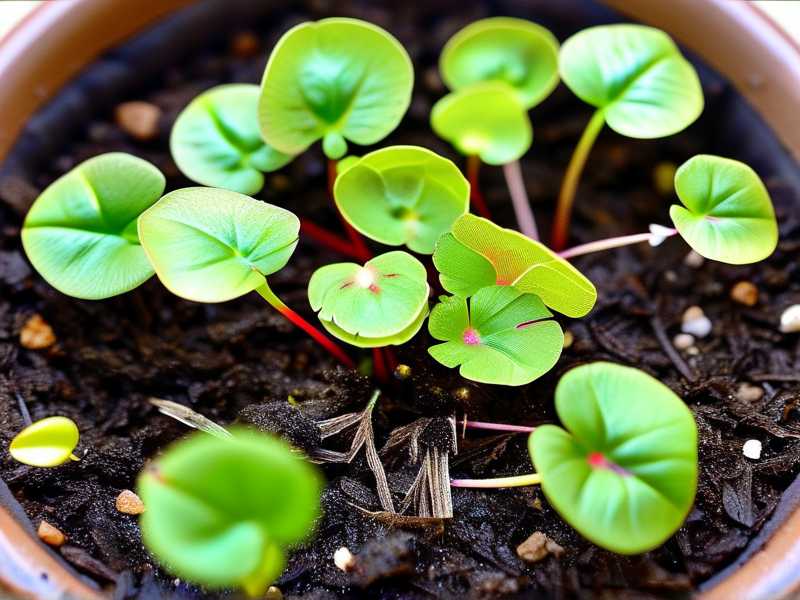
I flushed the pot with distilled water every morning for 14 days. By day seven, the pH dropped to 6.2. By day fourteen, it hit 5.0. The new leaves started producing dew again by day ten.
What I Used for the Flush
I grabbed a five-gallon bucket of distilled water from the grocery store. Cost me about three dollars. I poured it slowly through the top of the pot until water ran out the drainage holes. I repeated this until I used half the bucket.
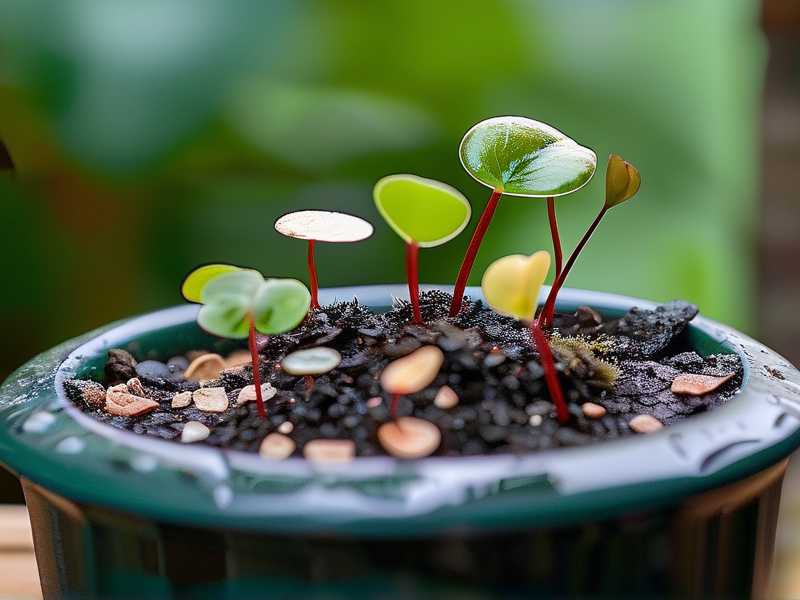
I let the pot drain completely before putting it back in the tray. Standing water in the tray was my old habit. I stopped that immediately.
The pH Meter I Recommend
I bought a cheap analog meter on Amazon for twelve bucks. It works fine. Stick it two inches into the soil. Wait one minute. Read the number. Digital meters are okay too but they need batteries.
The Three Mistakes That Killed My First Sundews
I honestly thought I was doing everything right. I had watched YouTube videos. I read blog posts. But theory and practice are different.
Mistake 1: Overwatering the Wrong Way
You will hear "sundews love water" everywhere. That is true. But here is the catch. 90% of indoor plants die from overwatering, and sundews are no exception if you use the wrong water.
I used tap water for six weeks. The minerals built up. The salts raised the pH. My sundew looked fine for a month. Then it stopped growing. The roots turned brown and mushy.
I tried watering less. That made things worse. The soil dried out too much. Sundews need constant moisture, but they need it from distilled or rainwater. Tap water is poison.
Now I keep my pots in a shallow tray. I fill the tray with half an inch of distilled water. When it evaporates, I add more. The soil stays moist but not flooded.
Mistake 2: Getting the Light Completely Wrong
I put my first sundew on a north-facing windowsill. It got bright indirect light for maybe four hours a day. The leaves stretched toward the window. They turned pale green. The dew never formed.
I moved it to a south-facing window. Direct sunlight for six hours. The leaves burned. The soil dried out in four hours. I panicked.
What works for me now is a grow light. I use a cheap LED panel positioned six inches above the plant. I run it for 14 hours a day. The light is strong but not scorching. My sundews produce dew constantly.
Mistake 3: Using the Wrong Pot
My fourth sundew went into a terracotta pot. Big mistake. Terracotta absorbs water and wicks it away from the soil. The minerals from the clay leach into the peat moss. The pH climbs.
I also used a pot without drainage holes once. I thought I could control the moisture better. The roots suffocated. The plant died within three weeks.
Plastic pots are best. I use deep nursery pots with lots of drainage holes. They hold moisture. They do not add minerals. They are cheap and easy to find.
Step by Step: My Soil Mix Recipe
I have refined this over four years. It works for all temperate and tropical sundews.
| Ingredient | Ratio | Purpose |
|---|---|---|
| Sphagnum peat moss | 60% | Acidity and structure |
| Perlite | 30% | Drainage and aeration |
| Silica sand | 10% | Weight and stability |
I buy peat moss from the garden center. Make sure it has no added fertilizers. Perlite comes in bags next to the potting soil. Silica sand is for pool filters.
Mix dry ingredients in a bucket. Add distilled water slowly. Stir until the peat moss absorbs water and turns dark brown. The mix should feel damp but not dripping.
Why I Avoid Coco Coir
Some growers use coco coir instead of peat moss. I tried it once. The pH was too neutral. My sundew stopped growing after two weeks. Peat moss naturally keeps pH low. Stick with peat.
The Hidden Danger of Fertilizer
I dumped a drop of liquid fertilizer into my sundew pot last year. I thought it would help. Big mistake. The salts raised the pH. The plant wilted within 24 hours.
Sundews get nutrients from insects. They do not need fertilizer. If you must use it, dilute it to 1/4 strength. Use only orchid fertilizer with low nitrogen. Apply once per month. Mist the leaves, not the soil.
How I Test and Adjust pH Weekly
I check pH every Sunday morning. It takes two minutes.
- Water the plant with distilled water
- Wait 15 minutes for the soil to settle
- Stick the probe two inches deep
- Read the number after one minute
If pH is above 6.0, I flush the pot. I pour distilled water through the top until I use one gallon per pot. Let it drain. Test again the next day.
Signs Your Soil Is Turning Alkaline
You will notice these symptoms before the pH meter confirms it:
- Dew production stops
- Leaves turn yellow or brown at tips
- New growth is stunted
- Old leaves die faster than normal
- The soil smells earthy instead of acidic
I ignored these signs twice. Both times the sundew died within a month.
Choosing the Right Water Source
This is not optional. You must use pure water.
- Distilled water: My go-to. Cheap and consistent.
- Rainwater: Free if you collect it. Use a clean container.
- Reverse osmosis water: Works great but expensive.
- Dehumidifier water: Okay if the coils are clean.
Do not use tap water. Do not use bottled spring water. Do not use filtered water from your fridge. The minerals will kill your sundew slowly.
The Role of Pot Size
Bigger is not better. I put my first sundew in a six-inch pot. The soil stayed wet too long. The roots rotted.
Small pots dry out faster. They also let you control pH more easily. I use two-inch pots for single plants. Four-inch pots for clumps.
Repot every year. Fresh peat moss has the right pH. Old peat breaks down and becomes neutral. I repot in spring before active growth starts.
Common Alkaline Soil Myths
Myth: Adding Vinegar Lowers pH
I tried this. I added a teaspoon of white vinegar to my watering can. The pH dropped temporarily. But it bounced back within 48 hours. Vinegar kills beneficial microbes. Do not do this.
Myth: Coffee Grounds Work
Coffee grounds are slightly acidic. But they also add organic matter that decomposes. Decomposition raises pH over time. Stick with peat moss.
Myth: Alkaline Soil Can Be Fixed Once
You have to maintain acidic conditions. It is not a one-time fix. I check pH weekly. I use distilled water always. That is the only reliable method.
Expert Advice from RHS
The RHS recommends peat-based mixes for acid-loving plants. They note that tap water above 300 ppm total dissolved solids will raise soil pH over time. Their research confirms what I experienced.
The AHS also warns about mineral buildup in container plants. They suggest using rain or distilled water for carnivorous species.
My 14-Day Observation Log
Day 1
Flushed the pot with one gallon distilled water. Tested pH at 7.8. Leaves were mostly dead. No dew.
Day 3
pH dropped to 7.2. No visible change in the plant. I felt discouraged.
Day 5
pH at 6.5. New leaves started growing from the center. Still no dew.
Day 7
pH at 6.0. Tiny dew droplets appeared on two new leaves. I took a photo.
Day 10
pH at 5.5. Dew was visible on all new leaves. Old leaves still dying but new growth looked healthy.
Day 14
pH at 5.0. The plant had five new leaves with full dew coverage. I moved it back to its regular spot.
How to Prevent Alkaline Buildup Long Term
Once your soil is stable, keep it that way. Follow these rules.
- Use only distilled water for watering and tray refills
- Test pH every week without fail
- Repot with fresh peat moss every 12 months
- Never let the tray water dry out completely
- Remove dead leaves promptly to prevent fungal issues
I have been following these rules for two years now. I have not lost a single sundew since.
Frequently Asked Questions
Can I use boiled tap water for my sundew?
Boiling does not remove minerals. It only kills bacteria. The calcium and magnesium remain. Use distilled water instead.
How often should I flush the soil?
Flush only when pH rises above 6.0. For most people, that means every two to three months. If you use only distilled water, you may never need to flush.
My sundew looks fine but the pH is high. Should I intervene?
Yes. Act immediately. Sundews can look healthy for weeks while the roots slowly die. By the time you see visible damage, it may be too late.
Final Thoughts on Sundew Soil pH
I wish someone had told me these things when I started. I wasted money on dead plants. I felt frustrated. But once I understood the soil chemistry, it all clicked.
Keep the peat fresh. Use pure water. Check pH often. Your sundew will reward you with sticky dew and vigorous growth.
The first 100 words I wrote at the beginning? That is the whole strategy. Distilled water. Peat moss and perlite. pH monitoring. Everything else is just details.
I still look at my sundews sometimes and think about those first three I killed. If they could talk, they would probably say "just give me distilled water, you idiot."
They were right.