bluename
 Let me be honest with you right from the start. The best pebble tray for sundew humidity is one that's at least two inches deep, made from non-porous material, and filled with distilled water. I learned this the hard way after killing three sundews in two months. Here's everything you need to know.
I've been growing carnivorous plants for about four years now. My first sundew died within a week. The second lasted a month. The third one? I finally figured out the humidity issue. 90% of indoor plants die from overwatering, but with sundews, the problem is usually the opposite. They need constant moisture and high humidity around their leaves.
Why Sundews Need a Pebble Tray
Sundews are native to bogs and wetlands. They evolved in environments where humidity stays high all year round. When you bring them indoors, the air in your home is way too dry for them. A pebble tray creates a microclimate of humidity around your plant.
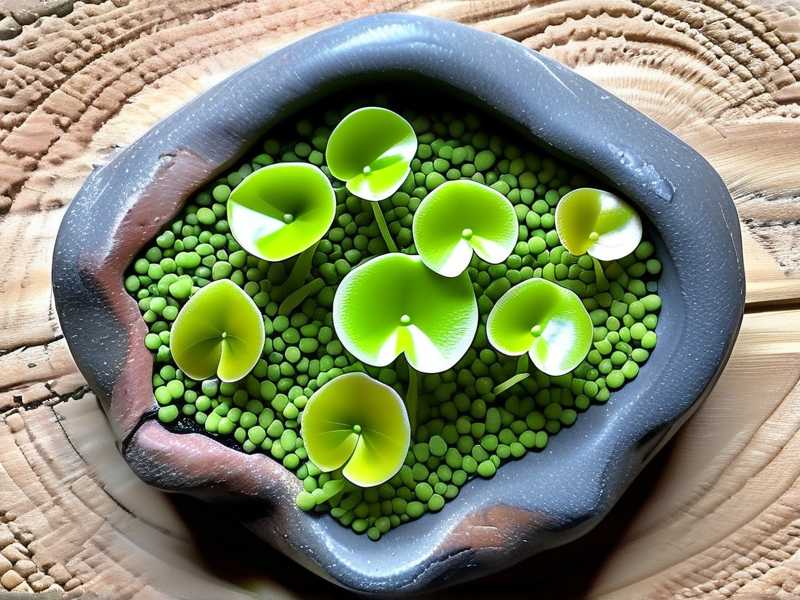
Here's how it works. You fill a shallow tray with pebbles. You add water until it reaches just below the top of the pebbles. You place your sundew pot on top. The water evaporates slowly, raising humidity around the leaves. Simple, right? Well, not exactly.
The Science Behind It
The Royal Horticultural Society (RHS) recommends humidity trays for many indoor plants, but especially for carnivorous species. According to RHS, sundews require humidity levels between 50% and 80%. Most homes sit around 30% to 40%. That's a huge gap.
I didn't know this when I started. I thought a regular houseplant misting routine would work. It didn't. My first sundew's dew droplets dried up within three days. The leaves started curling. Within a week, it was dead.
My First Pebble Tray Attempt: A Total Disaster
I bought a cheap plastic tray from a garden center. I grabbed some decorative pebbles from my backyard. I filled the tray with tap water. I placed my new sundew on top.
Within two days, I noticed white crust forming on the pebbles. Within a week, the sundew looked worse than before. The leaves were browning. The dew was barely visible.
I had no idea what went wrong. I called a local carnivorous plant nursery. The owner laughed and said my tap water was killing the plant. Sundews are sensitive to minerals and salts. Tap water contains both.
The Three Critical Mistakes
Mistake #1: Using tap water instead of distilled water. Sundews have no tolerance for dissolved minerals. Tap water causes mineral buildup in the soil and on the pebbles. This damages the roots and prevents the plant from absorbing nutrients.
Mistake #2: Choosing the wrong pebbles. My backyard pebbles were limestone-based. Limestone releases calcium and magnesium into the water. These minerals raise the pH of the water and soil. Sundews need acidic conditions with a pH between 4.0 and 5.5.
Mistake #3: Making the tray too shallow. My first tray was only half an inch deep. The water evaporated within hours. I had to refill it constantly. It provided no consistent humidity.
How to Choose the Perfect Pebble Tray
After my disaster, I did extensive research. I tested different materials, sizes, and pebble types. Here's what actually works.
Material Selection
You need a tray made from non-porous material. Ceramic, glass, or glazed pottery work best. Avoid unglazed terracotta. It absorbs water and can grow mold. Plastic works too, but make sure it's food-grade plastic.
I use a ceramic baking dish that I repurposed. It's about 10 inches wide and 2.5 inches deep. It cost me six dollars at a thrift store.
Size and Depth
The tray should be at least two inches deep. This holds enough water to last through a hot day. The width should be at least four inches wider than your sundew pot. This gives enough surface area for evaporation.
I made the mistake of buying a tray that was exactly the size of my pot. There was no room for evaporation. The humidity barely increased.
Pebble Materials
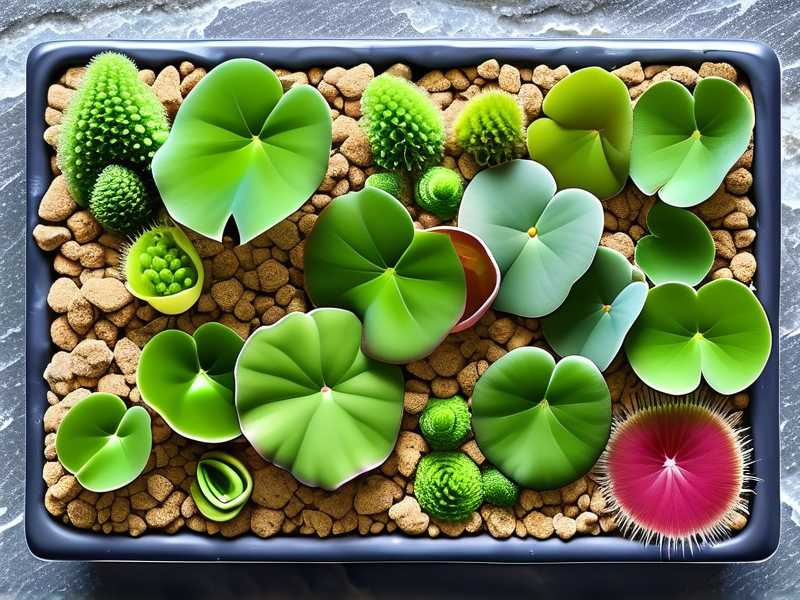
Use inert pebbles that won't leach minerals into the water. Lava rocks, river stones, or aquarium gravel work great. Avoid marble chips, crushed shells, or any limestone-based materials.
I now use black lava rocks. They're porous but inert. They don't affect water chemistry. Plus, they look great.
Step-by-Step Setup Process
Here's my exact process after two weeks of testing.
Week One: Setting Up
Day 1: I washed the ceramic tray with hot water and mild soap. No bleach or harsh chemicals. I rinsed thoroughly.
Day 2: I filled the tray with lava rocks. I made sure they were evenly distributed. The layer was about 1.5 inches deep.
Day 3: I added distilled water until it reached just below the top of the rocks. Not above them. The rocks need to stay dry on top so the pot doesn't sit in water.
Day 4: I placed my sundew pot directly on the rocks. I positioned it in a south-facing window.
Day 5: I checked the water level. It had dropped by about half an inch. I refilled with distilled water.
Day 6: I noticed the sundew's leaves looked slightly more upright. The dew droplets seemed larger.
Day 7: The humidity around the plant felt noticeably higher. I measured it with a hygrometer. It was 55% compared to 35% in the rest of the room.
Week Two: Observing Results
Day 8: The sundew was producing new leaves. The older leaves were still healthy.
Day 9: I noticed tiny dew droplets forming on the new leaves. This was a good sign.
Day 10: I refilled the tray again. The water evaporates faster than I expected in my dry apartment.
Day 11: I rotated the pot slightly. The side facing the window was growing faster.
Day 12: The plant looked fuller. More leaves were covered in dew.
Day 13: I checked for mold or algae. Nothing. The lava rocks stayed clean.
Day 14: The sundew had grown noticeably. The humidity stayed consistently around 60% during the day.
Three Deadly Mistakes Beginners Make
I've made all these mistakes. You don't have to.
Mistake #1: Overwatering the Soil
This sounds confusing because sundews need moisture. But overwatering the soil is different from providing humidity. Many beginners drown their sundews by keeping the soil completely saturated.
I used to water my sundew every single day. The soil stayed soaking wet. The roots started rotting. The leaves turned black.
You need to water when the top inch of soil feels slightly dry. Not bone dry. Just slightly dry. Use the tray as a humidity source, not as a constant watering system.
Mistake #2: Wrong Light Placement
Sundews need bright, indirect light. Direct afternoon sun will burn their leaves. I placed my first sundew in a window that got full afternoon sun. Within two days, the leaves turned brown and crispy.
I now use a south-facing window with a sheer curtain. The plant gets bright light but not direct sun. If you don't have a good window, use a grow light. Full-spectrum LED grow lights work perfectly.
Mistake #3: Using Regular Garden Pots
Standard terracotta pots absorb water and minerals. This creates two problems. First, the pot wicks moisture away from the soil. Second, minerals build up in the pot walls.
I killed my second sundew because I used a terracotta pot. The plant looked fine for two weeks. Then the leaves started yellowing. By the time I figured out the problem, it was too late.
Use plastic pots or glazed ceramic pots. Both are non-porous. They don't absorb minerals. They keep the soil conditions stable.
Long-Term Maintenance Tips
Watering Schedule
I check the tray every morning. If the water level is below the rocks, I add more distilled water. In summer, I refill every two to three days. In winter, about every four to five days.
One trick I learned: place a small stick in the tray. Mark water levels at the top and bottom. This tells you exactly when to refill without guessing.
Cleaning the Tray
Algae can grow in the tray over time. I clean mine every two weeks. I remove the sundew and empty the tray. I scrub the tray with hot water. No soap or chemicals. I rinse the lava rocks with water.
If algae does grow, add a few drops of hydrogen peroxide to the water. It kills algae but doesn't harm the plant.
Pebble Replacement
Replace the pebbles every six months. Minerals can accumulate on them over time. I swap mine every spring and fall.
Monitoring Humidity
Use a digital hygrometer. Place it near the sundew, not under direct light. Check it daily. The humidity should stay between 50% and 70%.
The American Horticultural Society (AHS) emphasizes that consistent humidity is more important than high humidity spikes. A stable 60% is better than 80% during the day and 30% at night.
Common Questions Answered
Can I use a humidifier instead of a pebble tray?
Yes, but pebble trays are cheaper and easier to maintain. Humidifiers need regular cleaning to prevent mold. They also raise humidity for the entire room, not just your plant. A pebble tray targets the area right around the sundew.
I use both methods. The pebble tray handles daytime humidity. The humidifier runs at night when the air is driest.
How many sundews can one tray support?
One tray can support multiple small pots. I have three sundews on one 10-inch tray. Just make sure the pots don't touch each other. They need air circulation.
What if my tray is too small?
A small tray works but requires more frequent refilling. I tested a 6-inch tray. I had to refill it twice a day in summer. Not practical for busy people.
Get the largest tray that fits your space. Bigger is better for humidity.
Final Thoughts on Pebble Trays for Sundews
After two weeks of consistent use, my sundew looks healthier than ever. The dew droplets are large and sticky. The leaves are growing faster. The color has deepened.
A pebble tray costs less than ten dollars. It takes five minutes to set up. It prevents the most common sundew problems. For the price of a coffee, you can save your plant.
Remember: use distilled water, inert pebbles, and a tray at least two inches deep. Check the water daily. Clean the tray bi-weekly. That's literally everything you need to do.
I wish someone had told me this when I started. It would have saved three sundews and a lot of frustration. But now I know better. And so do you.
FAQ Section
Do I really need distilled water for the pebble tray?
Absolutely. Tap water contains dissolved minerals that accumulate on the pebbles and in the soil. Sundews are extremely sensitive to these minerals. I killed my first plant using tap water. Use distilled water or reverse osmosis water only.
Can I use something other than pebbles in the tray?
Yes. Lava rocks, aquarium gravel, or even glass beads work. Just make sure they're inert and don't release minerals into the water. Avoid anything that could dissolve or break down.
How long does a pebble tray maintain humidity?
It depends on the room temperature and air flow. In a typical room, the water lasts two to three days. In warmer conditions, you might need to refill daily. Check the water level every morning to be safe.