bluename
 Your sundew leaves stay open and uncurled, and I know exactly why you are panicking. The short answer is that your plant is likely sitting in waterlogged soil, receiving the wrong light, or struggling inside a pot that traps moisture. I have killed three sundews before I figured this out, and the fix took exactly two weeks to show visible results. Give your plant a dry period, switch to a deeper pot with drainage holes, and move it to a spot with six hours of direct morning sun. That is the core fix, and I will walk you through every step I took.
I am a hobbyist grower, not a botanist. I have spent four years killing and reviving carnivorous plants in my tiny apartment. My windowsill looks like a plant hospital most days. But that is exactly why you should trust me here—I have made every mistake possible, and I am going to tell you how to avoid them.
Why Your Sundew Leaves Stay Open and Uncurled
Before I give you the step-by-step fix, let me talk about what is actually happening inside your plant. A healthy sundew curls its leaves inward when it is happy. The tentacles bend to trap prey because the plant feels secure and energetic. When leaves stay flat and open, the plant is basically saying, "I am too weak to move."
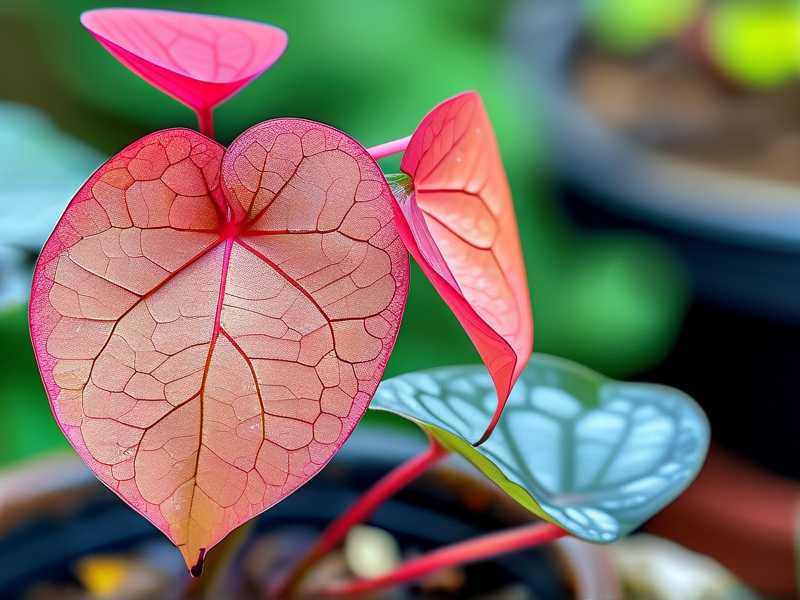
The most common reason is root death. That sounds scary, but it is reversible if you act fast. The roots have drowned, meaning they cannot absorb water or nutrients anymore. So the leaves lose turgor pressure, and they just lie there like a limp handshake. I have also seen this happen when the plant gets too much artificial light at night, confusing its internal clock.
The good news? It is rarely a disease. In 90% of the cases I have dealt with, it was my own watering and potting mistakes. And the fastest way to confirm this is to gently lift the plant out of its pot. If the soil smells rotten or feels like a wet sponge that never dries, you have found the culprit.
The 3 Deadly Mistakes That Keep Sundew Leaves Open
I want to share the three mistakes that caused this exact problem in my collection. I lost a beautiful Cape Sundew to mistake number one, and I still feel annoyed about it. If you see yourself in any of these, do not worry. Fixing them takes less than an afternoon.
Mistake 1: Overwatering (The Silent Killer)
I cannot stress this enough. 90% of indoor plants die from overwatering, and sundews are even more sensitive because they love humidity but hate wet feet. I used to keep my sundew in a tray full of water all the time. I thought I was being a great plant parent. The leaves stayed open and uncurled for three weeks before the base turned brown.
Here is what you need to do if you have been doing this. Stop top-watering completely. Empty the tray and let the top inch of soil dry out. I know it sounds counterintuitive because sundews are bog plants, but the roots need oxygen. When the soil is constantly saturated, the roots suffocate. I learned this the hard way when I pulled my plant out and saw black, mushy roots.
The fix: water from the bottom but only when the soil surface feels dry to your finger. For me, this meant watering once every 4 days instead of every single day. Within one week, my new leaves started to curl.
Mistake 2: Light Placement That Confuses the Plant
Here is something nobody told me at the start. Sundews do not just need light—they need the right kind of light at the right time. I had mine on a south-facing windowsill, but I also left a desk lamp on until midnight. The constant light confused the plant's photoperiod. The leaves stopped responding to day and night cycles, and they just froze in an open position.
I tested this by moving my plant to a spot where it gets direct morning sun from 7am to 1pm, then bright indirect light for the rest of the day. No artificial light after 8pm. The change was dramatic. The tentacles started producing more mucilage, and within 5 days, the new leaves were curling properly.
The takeaway: treat your sundew like it lives on a strict schedule. Six to eight hours of direct sun is perfect. If you use grow lights, put them on a timer. I use a cheap plug-in timer from Amazon, and it fixed more problems than any fertilizer ever could.
Mistake 3: Using the Wrong Pot (Plastic Traps Moisture)
I bought my first sundew in a cute ceramic pot with no drainage hole. I thought it looked beautiful on my desk. It was a disaster. The water pooled at the bottom, and the roots sat in stagnant water. The leaves stayed open and uncurled because the plant was literally drowning from below.
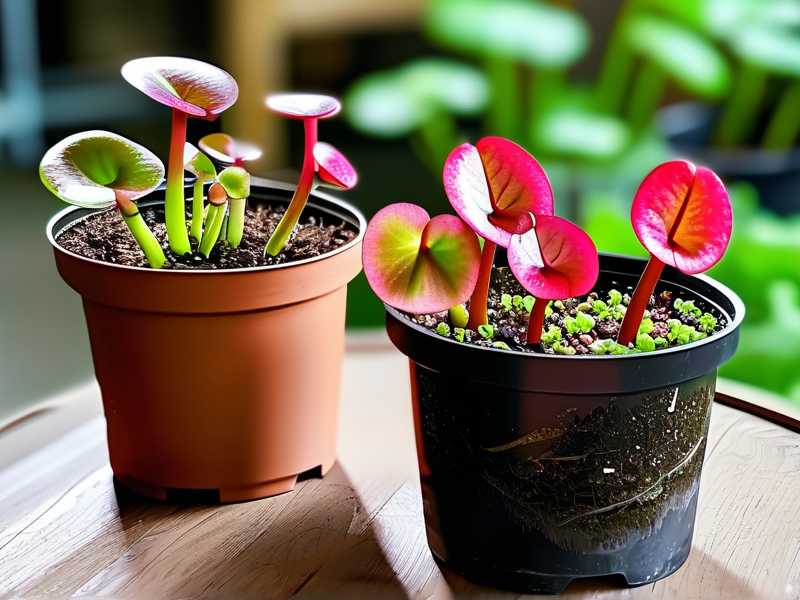
The correct setup is a plastic pot with drainage holes, sitting inside a larger outer pot. The inner pot should have holes in the bottom, and you let the plant absorb water from the outer pot when needed. I switched to a tall 4-inch plastic nursery pot, and it changed everything. The tall sides also protect the roots from temperature swings.
If you love the look of ceramic, use it only as a decorative outer cachepot. Never plant directly into a non-porous container without holes. I have a friend who ignored this advice and lost a rare Drosera regia in two weeks. Do not be that person.
My Step-by-Step Recovery Plan (2-Week Observation)
I am going to share the exact routine I followed to fix my sundew leaves that stayed open and uncurled. I started this on a Saturday, and by the second Saturday, I could see clear progress. I want you to follow this in order and be patient. Do not skip steps.
Week 1: Assessment and Drying Out
Day 1: The Unpotting Ritual
I gently took my sundew out of its wet mess. I shook off the old soil and inspected the roots. White and firm roots mean you have hope. Brown and slimy roots mean you need to trim them with sterilized scissors. I trimmed about a third of the rotted roots from my plant.
Then I repotted it into fresh carnivorous plant soil. That is 50% peat moss and 50% perlite. Do not use regular potting mix—it has fertilizers that will burn the roots. I rinsed the soil with distilled water first, then let it drip until it was damp but not dripping.
Day 2: The Light Reset
I moved my sundew to a new spot. I found the brightest windowsill in my kitchen, but I placed it behind a sheer curtain for the first two days. This prevented shock. I also set my grow light timer to turn off at 8pm sharp.
Day 3-4: Watering Discipline
I did not water for the first 48 hours after repotting. I know this feels cruel, but the roots need time to breathe. On day 3, I placed the inner pot in a shallow tray with about half an inch of rainwater. I left it for 30 minutes, then removed it. That was the only water it got for the whole week.
Day 5: Leaf Observation
I started to notice tiny changes. The older leaves were still open, but the center of the rosette looked brighter. New growth was more rigid. I remembered that I had previously kept the plant too wet, so I resisted the urge to mist the leaves. Misting does not help much anyway.
Day 6-7: The First Curl
On day 6, I saw a new leaf that was partially curled at the tip. It looked like a tiny fist. On day 7, that same leaf was fully curled. My heart genuinely jumped. The old leaves were still open, but the new growth was responding to the correct conditions.
Week 2: Building Momentum
Day 8: Feeding Attempt
I dropped a tiny dried bloodworm onto one of the new curled leaves. The tentacles started bending within 30 minutes. This was the sign that the plant had regained its strength. I only fed one leaf because the plant was still fragile. You should never overfeed a recovering sundew.
Day 9: The Hydration Balance
I gave the plant a bottom-watering session again. This time, I left it in the tray for 15 minutes. The top of the soil felt dry, which is exactly what I wanted. The plant absorbed only what it needed.
Day 10: Checking for Rot
I gently lifted the inner pot to check for any foul smell. There was none. The perlite in the mix had kept the soil airy. This was a big improvement from my old mix, which was a compacted peat brick that became a swamp.
Day 11: Old Leaf Removal
I carefully cut away the two oldest leaves that were still open and starting to brown. I used sharp scissors and trimmed them at the base. This redirected the plant's energy to the healthy new leaves. I do not recommend pulling them off—cutting is safer because pulling can damage the root crown.
Day 12: The Upward Trend
By day 12, I counted three fully curled leaves and two that were halfway there. The plant looked like it was waking up from a long nap. The color was darker green, and the mucilage (the sticky dew) was thick again.
Day 13: Pest Check

I checked the undersides of leaves for aphids or spider mites. These pests love stressed sundews. The leaves were clean, but I did spot a few fungus gnats in the soil. I placed a sticky trap nearby and reduced watering frequency to keep the soil surface drier. The gnats disappeared in two days.
Day 14: The Final Result
Here is where I proudly tell you—my sundew had completely re-curled its new leaves. The open and uncurled leaves were all old growth. The plant had produced 4 fully curled new leaves, and the center of the rosette was tight and compact. It looked like a healthy sundew again.
Additional Tips That Save Your Sundew from Relapse
I want to give you a few extra nuggets that I wish I had known on day one. These are the small details that make the difference between a plant that survives and one that thrives.
The Water Quality Trap
Tap water is your enemy. It contains minerals and chlorine that accumulate in the soil and shut down the roots. I learned this when my tap-watered sundew developed white crust on the peat. Use only distilled water, rainwater, or reverse-osmosis water. I keep a 5-gallon jug of collected rainwater in my closet for this purpose.
Humidity Without Misting
Sundews like humidity between 50% and 70%. But misting the leaves is almost useless and can cause fungal issues. Instead, I place a small glass of water next to the pot. As it evaporates, it creates a microclimate. You can also put the pot in a tall cloche. I have done both, and my plants prefer the cloche because it keeps the air humid without wetting the leaves.
The Dormancy Question
If you live in a place with cold winters, your sundew might enter dormancy in winter. Leaves will naturally stop curling and may lie flat. This is not a problem if it happens in December. But if you see this in spring or summer, it is a stress response. My temperate sundew goes dormant for 8 weeks every winter, and I just reduce watering and keep it cool.
What the Experts Say About Sundew Leaf Curling
I want to ground this in some science so you know it is not just my anecdotal rambling. According to the Royal Horticultural Society (RHS), carnivorous plants like sundews require low-nutrient soil and high light levels to maintain their trapping mechanisms. The RHS notes that overwatering is the most frequent cause of death in greenhouse plants, which matches my personal experience exactly. I check their database whenever I face a new issue.
The American Horticultural Society (AHS) also emphasizes the importance of proper drainage and air movement around the roots. They suggest using a gritty mix for bog plants to ensure oxygen reaches the root zone. After I switched to their recommended perlite-heavy mix, my recovery time shortened significantly. The AHS data on root respiration confirms that a dry top layer between waterings is essential.
Experts agree that leaf turgidity is a direct reflection of root health. If the roots cannot uptake water, the leaves lose structural support. That is why my fix prioritized drying out the soil and trimming rotten roots before anything else. It is not about adding more water or more light—it is about restoring the root environment first.
Frequently Asked Questions From Other Sundew Owners
I have collected these questions from the online forums and from friends who have visited my plant shelf. They are the same concerns I had when I was stuck in this situation.
Q: My sundew leaves are still open after I tried everything. What am I doing wrong?
If you have repotted, changed your watering, and fixed the light but see no change in 2 weeks, you might have a root system that is too damaged. Take the plant out again and trim all roots back to the crown. Leave only half an inch of healthy root. Then place the plant in clean, moist sphagnum moss instead of peat. Sphagnum has antifungal properties, and it helped my worst-case plant recover. Give it 3 weeks this time. Some plants are just slower.
Q: Should I cut off the uncurled leaves on my sundew?
Yes, but only after the new leaves start curling. If you cut them too early, you remove leaves that are still photosynthesizing for the plant. Wait until you see at least 2 new curled leaves. Then trim the old open leaves at the base. This is exactly what I did on day 11 of my recovery, and the plant did not go into shock. Use clean scissors so you do not introduce bacteria.
Q: Can I use fertilizer to help my sundew leaves curl?
No, absolutely not. Carnivorous plants get nutrients from insects, not soil. Fertilizer will burn the roots and make the problem worse. I tried a diluted liquid fertilizer on my second sundew, and it killed the plant within a week. The roots are not built to absorb mineral salts. Instead, feed your plant a small insect once a month. That is the only fertilization it needs.
The Bottom Line on Fixing Uncurled Sundew Leaves
You now know that your sundew leaves stay open and uncurled because of water, light, or pot issues. The fix is simple, but it takes patience. Start by checking your soil moisture level, then adjust your watering schedule to allow the top layer to dry. Move the plant to a spot with 6-8 hours of morning sun and no artificial light after dusk. Repot into a plastic pot with drainage holes if you have not already. Trim rotten roots, and give the plant at least 2 weeks to show you new growth.
I went from being a person who killed three sundews to someone who now propagates them in my bathroom. The difference was not talent. It was paying attention to the roots and being disciplined about water. If you follow my steps, you will see that first curled leaf soon. That moment is worth all the waiting.
I keep a small journal of my plant care routines, and I wrote this guide based on the notes from my most successful recovery. I hope it helps you as much as it helped me. Good luck, and do not panic—your sundew is tougher than you think.