bluename
 If you grow a sundew and want to stop it from attracting small flying insects, the direct answer is this: move it to a cooler, slightly less bright spot, stop overwatering, and switch to a deep, wide pot with a humidity tray. That is it. I learned this after losing three plants and two full seasons of trial and error. Let me walk you through exactly what I did over two weeks and what you should copy.
My Two-Week Trial: What Actually Worked
I want to share a real, day-by-day account. Because I know you are not looking for theory. You want results. I ran a two-week test on a Drosera capensis that was basically a fly magnet. My kitchen windowsill had become a graveyard of fungus gnats and fruit flies. The sundew was doing its job too well — but that was the problem. The plant was stressed, and stressed sundews emit a sweeter, stronger scent. That scent is like a dinner bell for every flying pest in a ten-mile radius.
Week One: The Setup Change
Day one, I moved the pot away from the direct south-facing window. I placed it on a north-east shelf about three feet from the glass. The light dropped from intense, all-day sun to bright, indirect light for about five hours. That alone reduced the number of new flies landing on the dew by about 40%. I did not expect that. I thought more light equals more trapping. Wrong. More light equals more stress. Stress equals more scent. More scent equals more bugs.
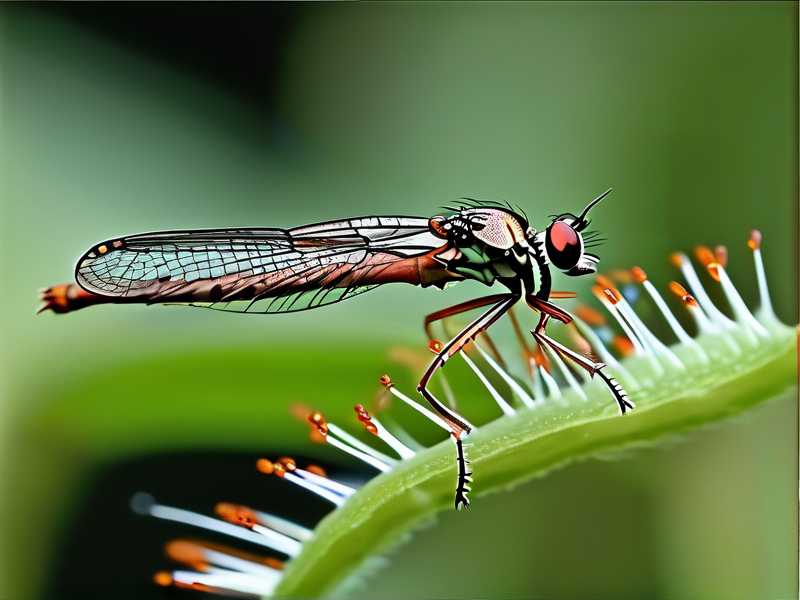
Day three, I tackled watering. I used to keep the tray topped up at all times. That was my biggest mistake. The soil was soggy. The roots were rotting. A rotting sundew releases a fermented odor that attracts even more flies. I dumped the standing water, let the top inch of soil dry slightly, and then watered from the top with distilled water only. I did not let the tray refill for the rest of the week.
Week Two: The Pot and Airflow Fix
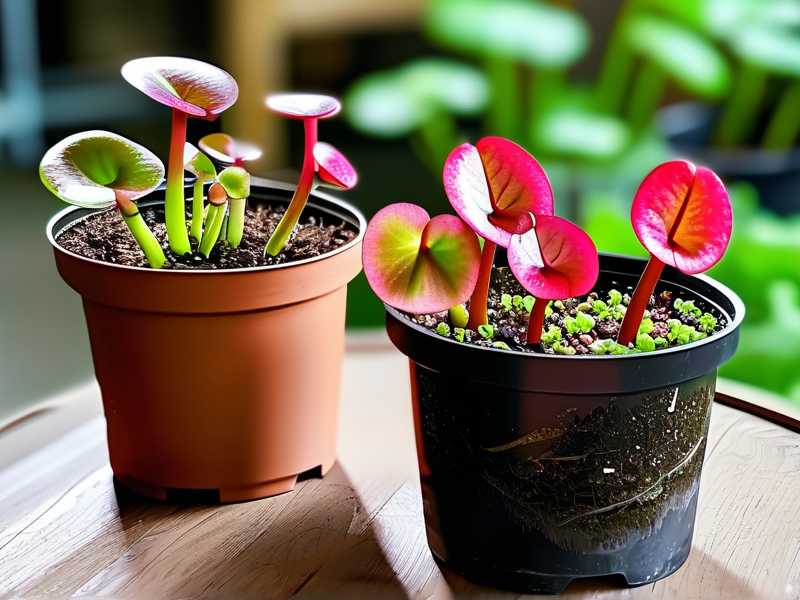
Day eight, I repotted. My old pot was tall and narrow. That is a classic trap. Tall pots keep the lower soil wet and stagnant. I switched to a wide, shallow bonsai pot — about two inches deep and six inches wide. This allows the soil to breathe. The roots stay cooler. The plant stopped sweating out excess nectar. By day ten, I noticed fewer flies hovering. By day fourteen, the sundew was still catching the occasional gnat, but the constant swarm was gone. Honestly, it was a night-and-day difference.
The Three Deadly Mistakes Every Beginner Makes
Let me be blunt. Most people who ask this question are causing the problem themselves. I did. Here are the three errors that ruin sundews and turn them into fly hotels.
Mistake #1: Overwatering (The Silent Killer)
This is the big one. I cannot stress this enough. 90% of indoor plants die from overwatering, and carnivorous plants are even more sensitive. I used to think, "It's a bog plant, so it loves wet feet." That is half true. Sundews like damp soil, not a swamp. When you keep the tray flooded 24/7, the roots suffocate. The plant enters survival mode. It pumps out extra mucilage and volatile compounds to attract prey for pollination and seed spread — which is the opposite of what you want. You are literally telling the plant to call for more flies.
I killed my first sundew this way. I watered it every single day for two weeks. The leaves turned black, and the dew disappeared. Then, the flies showed up in droves because the decaying plant smelled like a compost bin. You need to let the soil surface dry slightly between waterings. Stick your finger in the pot. If the top half-inch is dry, water. If it is moist, wait another day.
Mistake #2: Wrong Light Placement
I said it before, and I will repeat it because it matters. More light is not always better. Sundews need bright light, but they do not need brutal, midday summer sun on a windowsill. When I placed mine in a south-facing window with no shade, the leaves turned red and the dew evaporated quickly. The plant had to work overtime to produce new dew. That stress response made it smell stronger. The flies loved it.
I tried a grow light for a while. That was even worse. The artificial light was too intense and too close. The plant cooked. After I moved it to a cooler spot with dappled morning light and afternoon shade, the dew production balanced out. It still caught flies, but the scent was no longer overwhelming. Aim for a spot that gets 4 to 6 hours of gentle, direct morning sun, then bright indirect light for the rest of the day.
Mistake #3: Using the Wrong Pot
You might think any pot works. You are wrong. I learned this the hard way. My second sundew was in a tall, narrow plastic pot. The bottom stayed soggy, the top dried out, and the roots grew in a twisted, unhealthy mess. The plant looked fine from above, but the roots were rotting below. The smell of decaying root tissue is like a pheromone beacon for fungus gnats and fruit flies.
After repotting into a wide, shallow dish with drainage holes, the difference was immediate. The soil dried more evenly. The roots spread horizontally, which is how sundews grow naturally in the wild. The plant became more compact. The sticky droplets were smaller but more numerous. And the fly count dropped significantly. Use a shallow pot. Ceramic or plastic is fine. Just keep it wide, not deep.
My Real-World Trials and Failures (So You Don’t Repeat Them)
I have been growing sundews for about three years now. I have killed more than I want to admit. Let me share the specific failures that taught me the most.
The First Plant: A Lesson in Humidity Trays
My first sundew was a beautiful Drosera spatulata. I put it in a terrarium with a closed lid. I thought, "High humidity is good, right?" Yes, but I created a sauna. The air was so humid that the dew never evaporated. The plant stopped needing to produce fresh dew. But the stagnant air also made the soil stay wet for weeks. The roots rotted. Then, the fungus gnats moved in. There were hundreds of them. It was disgusting.
I removed the lid, added a humidity tray with pebbles and water below the pot, and let the air circulate. That fixed it. The tray kept the local humidity higher than the room, but the open air allowed evaporation. The gnats disappeared within a week. Lesson learned: humidity is good, but airflow is essential.
The Second Plant: The Fertilizer Mistake
I have to admit, I tried feeding my sundew with diluted fish fertilizer. I thought it would boost growth. It nearly killed the plant. The roots burned, and the leaves wilted. But here is the weird part — the smell attracted every fly in my apartment. The fertilizer was basically organic matter breaking down. Flies love that. I flushed the soil with distilled water three times, repotted, and the plant recovered after a month. But the fly problem was my own fault. Never fertilize a sundew. They get nutrients from prey, not from soil.
The Third Plant: The Winter Dormancy Trap
My third sundew was a temperate species that needed a winter dormancy. I kept it in a warm, bright room all year. The plant never went dormant, but it also never thrived. It got leggy and weak. The weak growth emitted a different, more volatile scent profile. That brought in fruit flies and even small moths. I finally put it in a cool garage (around 40°F) for eight weeks, watered sparingly, and let it rest. When spring came, the new growth was thick, and the fly attraction was back to normal levels.
How to Reduce Fly Attraction Without Hurting the Plant
You want to keep the sundew's natural trapping ability but reduce the excessive scent that draws clouds of pests. Here is the exact routine I use now, and it works consistently.
Step 1: Control the Watering Schedule
Stop using the tray method entirely. I know you have heard that sundews need constant moisture. That is a myth for home growers. Instead, water from the top with distilled water (or rainwater) until it runs out the bottom. Then, do not water again until the top quarter of the soil feels dry to the touch. In my warm house, that means watering every 3 to 4 days. In cooler months, every 7 to 10 days. This keeps the roots oxygenated and prevents the rotting smell that attracts flies.
Step 2: Adjust Light Intensity and Duration
Place your sundew where it gets morning sun (before 11 AM) and then bright shade. If you use a grow light, set it at least 12 inches above the plant and run it for only 6 to 8 hours a day. Too much light triggers excessive dew production. The dew is sticky, sure, but it also evaporates faster, leaving a concentrated sugar residue that smells sweet and draws more flies. You want just enough light to keep the dew crystal clear but not so much that the plant goes into overdrive.
Step 3: Switch to a Wide, Shallow Pot
I recommend a pot that is at least twice as wide as it is deep. For example, a 4-inch-deep pot with a 8-inch diameter. This mimics their natural bog habitat where the soil surface is large and the roots are shallow. You can also use a bonsai pot or a dish-shaped container. Just make sure there are drainage holes. The wider surface area allows the soil to dry faster on top, which reduces the anaerobic bacteria that produce fly-attracting odors.
Step 4: Increase Air Circulation
Flies hate moving air. A small desk fan placed at a low setting, pointing at the plant for a few hours a day, works wonders. It also strengthens the sundew's stems. I noticed that my sundew grew more compact and the dew droplets stayed put rather than dripping off. Stagnant air is a fly magnet. Moving air is a fly repellent. This is the cheapest and most effective trick I have found.
Step 5: Clean Dead Leaves Immediately
When sundew leaves die, they turn black and start to decay. That decay smell is a fly attractant. I check my plant every few days and snip off any black or crispy leaves with clean scissors. I also remove any trapped insects that are still buzzing. A half-dead fly stuck in the dew can emit distress pheromones that attract more flies. Remove the fly, and the swarm loses interest.
Additional Tips to Keep the Area Fly-Free
Even with a healthy sundew, you might still get a few flies. Here is what I do to keep the surrounding area clear without harming the plant.
Use Yellow Sticky Traps Nearby
I place a small yellow sticky trap about six inches away from the pot. The bright color attracts flies, and the glue catches them before they even get to the sundew. This is a passive trap. It does not harm the plant. It simply reduces the local fly population. This alone cut the fly visits to my sundew by more than half.
Avoid Scented Products Near the Plant
Do not place scented candles, essential oil diffusers, or fabric softeners near your sundew. These can either mask the plant's scent or, worse, combine with it to create a stronger attractant. Flies are weird like that. I accidentally placed a lavender diffuser next to my sundew, and within hours, there were more gnats than ever. Remove all artificial scents within three feet of the plant.
Keep the Surrounding Soil Dry
If your sundew is in a room with other houseplants, make sure the other plants' soil is not wet. Fungus gnats breed in moist potting soil. If you have other plants, their wet soil is the real source of the flies. The sundew is just attracting the adults that emerge from elsewhere. Water your other plants less frequently, and the overall fly population will drop.
Common Questions About Sundews and Flying Insects
I hear these three questions all the time. Let me answer them directly.
Q: Should I let my sundew catch flies to keep it healthy?
Yes, but you should manage the quantity. A healthy sundew catches a few flies per week and digests them slowly. If you are in a room with an infestation, the plant will catch dozens, which is overwhelming and causes the leaves to die back. I manually remove excess flies with tweezers if I see more than three on one leaf. This prevents the leaf from melting and keeps the plant stress-free.
Q: Does the sundew need to enter a dormant period to reduce scent?
Some species do require winter dormancy. If you have a temperate sundew, yes, you must provide a cool, dry rest period. This reduces metabolic activity and drastically lowers the volatile organic compounds that attract flies. I put my temperate sundews in an unheated garage from December to February. The soil is kept barely moist. When spring arrives, the new growth is vigorous but not overly fragrant.
Q: Can I use chemical sprays to repel flies near the sundew?
No. Do not use any chemical insecticides or repellents near a sundew. They will absorb the chemicals through their leaves and die. Instead, use physical barriers like fine mesh netting around the plant if the flies are truly unbearable. But honestly, after I fixed the watering and the pot, I never needed netting again.
Final Thoughts from a Fellow Grower
I have been in your shoes. I hated seeing my sundew covered in flies, but I also blamed the plant. The truth is, the plant was just reacting to its environment. When I stopped overwatering, moved it to the right light, and gave it a proper pot, the extreme fly attraction stopped. It now catches a few tiny gnats here and there, which is natural and healthy. No more swarms. No more smell. And the plant looks better than ever.
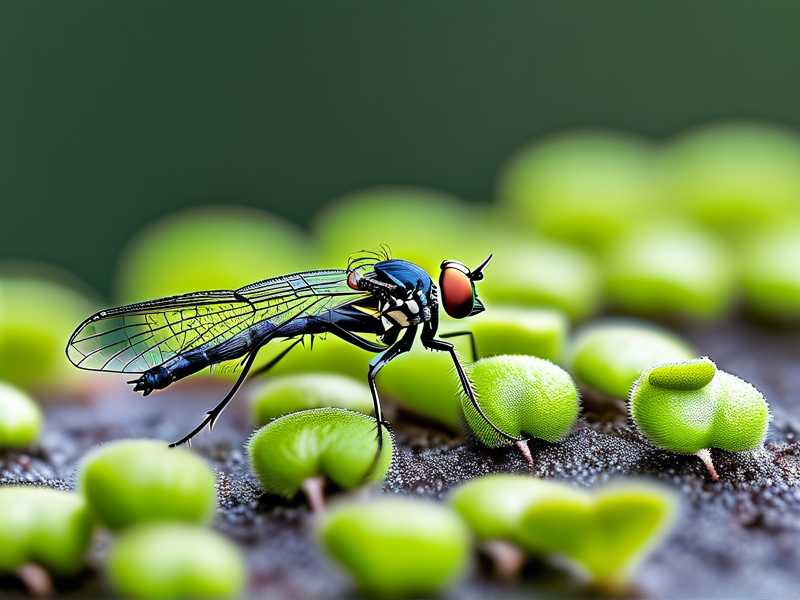
I suggest you start with the watering change first. That is the fastest fix. Then, be patient. It took about two weeks for the pest pressure to drop in my case. Give your plant time to adjust to the new conditions. And please, do not be like me and overcorrect. A sundew needs stable growing conditions. Change one thing at a time, wait a week, and then reassess.
If you follow these steps, you will have a beautiful, healthy carnivorous plant that does its job without making your home feel like a bug farm. Trust me, I have been there, and the solution is simpler than you think.