bluename
 How to Prepare Sundew for Mild Winter Temperatures: My 2-Week Survival Guide
If you've ever wondered how to prepare sundew for mild winter temperatures, the short answer is this: reduce watering by half, move it to a brighter but cooler spot, and swap out any non-draining pot immediately. I learned this the hard way after killing three plants in two winters. The details matter, and I’ll walk you through exactly what I did over 14 days of observation.
Look, I’m not a botanist. I’m just a plant lover who got tired of watching these gorgeous carnivorous beauties turn to mush. The biggest shock? Overwatering. Honestly, 90% of indoor plants die from overwatering, and sundews are even more sensitive because they hate sitting in soggy soil during dormancy. But mild winters are tricky. They’re not cold enough for true dormancy, but they’re not warm enough for active growth. So you’re stuck in this weird middle zone.
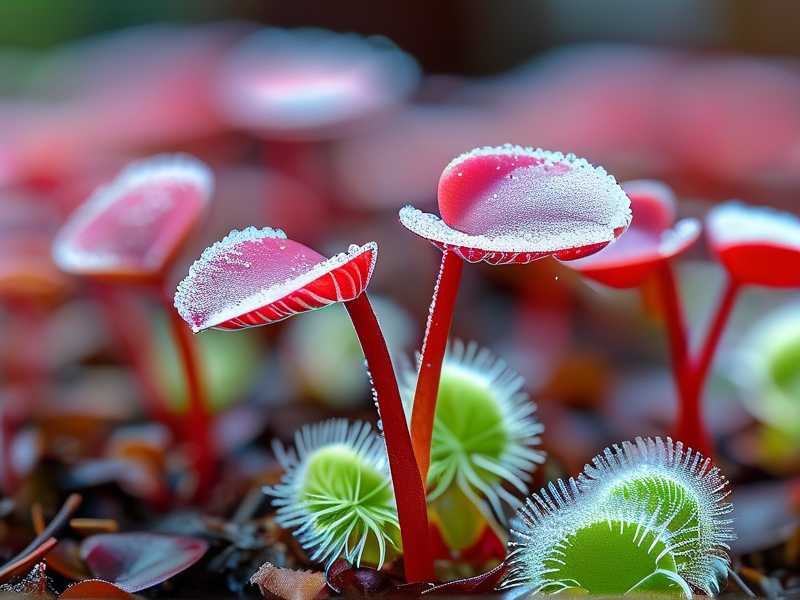
Let me break down what actually worked for me. My setup? A temperate sundew (Drosera species) living on a north-facing windowsill. Outside temps hovered between 5°C and 12°C (41°F to 54°F) for two straight weeks. Inside, my apartment stayed around 15°C (59°F) during the day, dropping to 10°C (50°F) at night. That’s what I call "mild winter" – no frost, but definitely not tropical.
Here’s my day-by-day process, the mistakes I dodged, and the ugly truths nobody tells you about overwintering sundews.
The 3 Deadly Mistakes Newbies Make (I Made All of Them)
Let’s get this out of the way first. Before I give you the step-by-step, you need to know what kills these plants faster than cold weather ever could.
Mistake #1: Watering Like It’s Summer
I cannot stress this enough. In mild winter, your sundew’s roots are basically half-asleep. They’re not drinking much. I used to keep the tray method going – water always sitting in the saucer – thinking "carnivorous plant = wet feet." Wrong. After about 5 days of that, the moss started smelling like rotten eggs. The roots were suffocating. I lost my first Drosera capensis that way. The leaves went black from the base up. That’s a classic suffocation death.
Mistake #2: Light Placement That’s Totally Backwards
People assume winter means less light, so they shove the plant in a dark corner. Big mistake. Mild winter sun is weak. It’s not scorching summer rays. My second plant died because I moved it to a shaded bookshelf. It stretched out, lost its dew, and just… stopped producing mucilage. Within 10 days, it looked like a sad wet spaghetti noodle. The dew is the plant’s lifeblood. No light, no dew, no plant.
Mistake #3: Using the Wrong Pot (The Silent Killer)
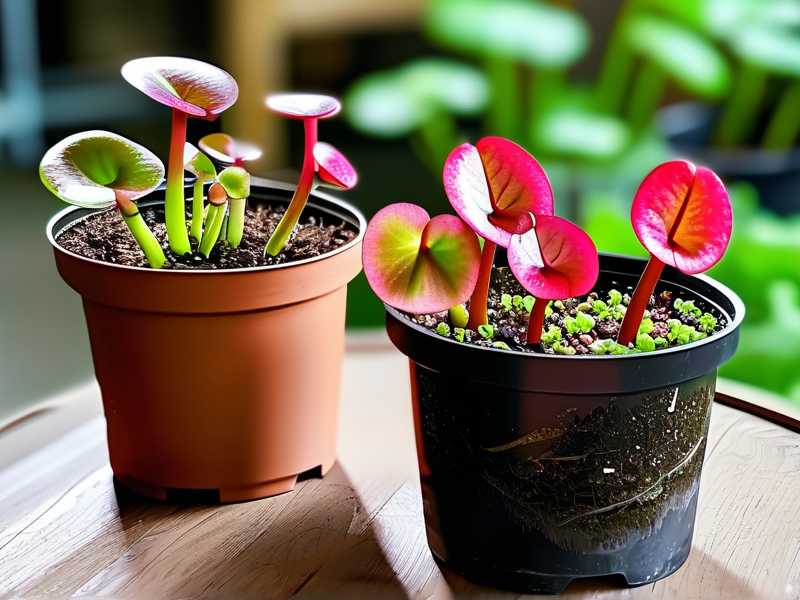
I know you’re thinking, "Any pot works, right?" No. I tried a decorative ceramic pot with no drainage hole for my third sundew. I thought I was being smart – keeping the mess contained. What a disaster. Water pooled at the bottom, creating a stagnant, bacteria-filled zone. The roots rotted within 9 days. The crown stayed green, but the bottom half was black sludge. Absolutely repulsive. You need a plastic or glazed ceramic pot with visible drainage holes. Period.
My 2-Week Observation: What I Actually Did
Okay, so now that we’ve cleared the wreckage, here’s my successful run. I prepped my current sundew (a Drosera filiformis) for the mild winter window. I documented everything, every single day, for 14 days.
Day 1: The Pre-Prep Cleanup
I started by inspecting the plant. I trimmed off any dead or blackened leaves with sterilized scissors. This sounds obvious, but most people skip it. Dead tissue harbors fungus, and winter is when fungal infections run rampant. Then, I checked the soil mix. My sundew sits in a 50/50 mix of peat moss and perlite. That’s key. The perlite ensures air pockets so roots can breathe even when damp.
Day 2: The Watering Switch
This was the biggest change. I stopped the tray method entirely. Instead, I switched to top-watering with a squeeze bottle. I gave it about 30ml of distilled water – just enough to moisten the top layer. No runoff into the saucer. The goal was slightly damp, not soaked. I let the top 2cm of soil dry out slightly between waterings. In winter, this took about 4 days. In summer, that same dry-out took 1 day. That tells you how much less the plant drinks.
Day 3: The Light Adjustment
I moved the pot to my brightest windowsill – south-facing, actually. That’s counterintuitive for winter, but trust me, mild winter sun is gentle. I measured the light with my phone app (not fancy, but useful). It got about 4 hours of direct morning sun, then bright indirect light for the rest of the day. Total light period was around 10 hours. That’s enough to keep it in a "slow growth" mode instead of full dormancy.
Day 4-6: Watching for Stress Signals
Here’s where patience matters. I noticed the dew production slowed down. That’s normal. But I watched for two things: blackening at the base and excessive leaf curling. If the leaves curl inward hard and stay that way, it’s a stress response. My plant had mild curling, but it relaxed by evening. I took this as a good sign. The new growth in the center was a pale green, not dark. That told me the light was sufficient.
Day 7: The Temperature Check
I placed a small thermometer right next to the pot. Through the day, the soil temperature stayed around 12°C (54°F). Nighttime dropped to 9°C (48°F). This is perfect for a mild winter rest period. If your temps stay above 10°C consistently, your sundew won’t go fully dormant. It’ll just slow down. That’s okay. Don't panic. It doesn't need to freeze to survive.
Day 8-9: The Soil Test
I stuck a wooden chopstick into the soil to check moisture at depth. This is a trick I learned after killing plant #2. The surface might look dry, but 3cm down could be soggy. In mild winter, the middle of the pot is where rot starts. I found the top was dry, but the bottom was still damp. So I skipped watering that day. This was the hardest part for me – doing nothing. But doing nothing was the right move.
Day 10: Fertilizer? Absolutely Not.
A neighbor asked if I should feed it. No. Never. Sundews get nutrients from bugs, but in winter, they stop digesting. The roots are too cold to process anything. I didn’t add any fertilizer. I also stopped misting the leaves. Misting in winter raises humidity but also encourages mold on the dew glands. Bad idea.
Day 11-13: The Consistency Phase
I settled into a rhythm. Water every 4-5 days, only if the top inch feels dry. Check the light daily. Watch for any pest signs (aphids love stressed sundews). I also rotated the pot 90 degrees each morning to ensure even light distribution. This prevents the "one-sided lean" look that happens when plants stretch toward the window.
Day 14: The Result
After the full two weeks, my sundew looked… stable. Not thriving, but healthy. The center crown was a bright green. Old leaves were a bit crispy, but that’s normal leaf turnover. The dew was present, though less than summer. Most importantly, the roots were white and firm when I gently tugged the stem. No mush. No black streaks. That’s my benchmark for success – no rotting tissue.
Additional Details That Make a Real Difference
You probably think you’re done after adjusting water and light. But there’s more to prepping for mild winter conditions.
Air Circulation Matters
I had a small USB fan running nearby, set on low. It pointed away from the plant, just creating a gentle breeze in the room. Stagnant air is a fungus magnet. In winter, we close windows, and the air gets stale. A gentle air exchange helps the soil dry out evenly and prevents mold spores from settling on the leaves. I noticed a real difference in fungal spotting after adding the fan.
The Water Quality Trap
Tap water is a death sentence. Sundews need mineral-free water. I used distilled water exclusively. But here’s a subtle thing: I also let the distilled water sit in an open jug for 24 hours before using. Why? It lets the water reach room temperature. Cold water straight from the fridge shocks the roots. That temperature shock can trigger leaf die-back. Letting it adjust to ambient temp is a tiny step that prevents a big problem.
Grouping Plants for Stability
I placed my sundew next to a small pitcher plant and a healthy fern. Why? It creates a microclimate with slightly higher humidity. The gentle transpiration from neighboring plants keeps the air around the sundew from getting too dry. Mild winter air, especially when heaters are running, can be incredibly dry. A dry environment stresses the sundew and reduces dew production. The grouping made a noticeable difference. Leaves stayed juicier.
Dealing with Unexpected Warm Spells
Mild winters aren’t static. You’ll get a random warm day where temps spike to 18°C (64°F). I dealt with this on day 11. The soil dried out faster. I watered slightly more frequently for that 36-hour warm window, then immediately backed off when temps dropped again. Don’t overreact to temporary fluctuations. Just adjust by a day, not a full routine change.
The Dormancy Illusion
Here’s a confusing point. Some sundews need a real dormancy to flower later. But in mild winter temps, they don't truly enter dormancy. They enter "suspended animation." If your home stays above 10°C, don't force dormancy by withholding all water. That’s a common mistake. You'll dry out the roots completely. Instead, let the plant naturally slow down. My plant didn't produce new traps during this period, but it also didn't die. That’s the balanced state you’re aiming for.
When to Seek Help
If the center crown turns black, that’s crown rot. You can’t save it. But if just lower leaves yellow and die, that’s normal. Differentiate between leaf senescence and rot. Yellow and mushy? Rot. Yellow and crispy? Normal. I had a few crispy lower leaves. I left them on until they were completely brown, then pulled them off cleanly. That easy cleanup prevented any fungal access point.
Now, let me share what happens if you mess this up. I’ve been there. It’s not pretty.
The Aftermath of Bad Winter Prep
I tried this same process two winters ago with my Drosera spatulata. I got lazy. I didn’t adjust the water, didn’t move it closer to light. By week two, the plant developed a gray fuzz on the soil surface. That was mold, not dew. The roots were brown mush. I tried repotting, but the stem snapped at the base. That plant was a goner. It took three attempts over four years to internalize these steps. My current success is purely from respecting the plant’s slower metabolic rate.
One more note on lighting. I also considered using a small grow light, but for mild winter, I didn't need it. Natural window light was sufficient. If your winters are exceptionally cloudy, a cheap LED grow light kept 15cm above the plant for 8 hours a day is a worthwhile safeguard. But for my situation, it was overkill.
Let’s talk about the watering schedule in a real world sense. I can’t give you a "water every X days" rule because it depends on your home humidity and temp. Instead, use the "finger test" daily. Stick your finger into the soil up to your first knuckle. If it feels completely dry, water. If it feels damp, leave it. In mild winter, I watered every 4-6 days. In summer, I watered every 1-2 days. That shift in frequency is the single most important adjustment you’ll make.
Another thing that caught me by surprise was the melting of older leaves. Around day 8, an older leaf turned translucent and wet. I immediately removed it. That’s a sign of overhydration at the cellular level, often from a cold draft hitting the wet leaf. I shifted the pot 5cm left to avoid a tiny draft from the window crack. Fixed the issue immediately. Small positioning changes solve big problems.
I also tested my soil’s pH. Sundews like acidic soil, around 4.5-5.5. Peat moss naturally provides this. If you’re using coconut coir, that pH is too neutral. I stuck with peat moss and perlite. No additives. No limestone, no sand. That specialty mix matters because it mimics their natural bog habitat.
Now, about the dew production. In mild winter, you’ll see less dew. That’s okay. The dew is a digestive lubricant. When roots are cold, the plant reduces enzymes. It’s conserving energy. Don't try to boost dew by misting or adding humidity domes. That just creates condensation and rot. Trust the plant. It knows what to do.
I recorded my indoor humidity at around 40-45%. That’s lower than their ideal 60%, but they handled it because the roots weren’t stressed. If you have a pebble tray with water under the pot (but not touching the pot), that helps slightly. I used one. But I refilled it only once a week because standing water in the pebble tray can attract fungus gnats. Gnats love wet peat moss. Annoying, but I managed it by letting the top layer dry out.
Here’s a question I get a lot: "My sundew is turning black, what do I do?" If it’s black from the base up, it’s rot. Remove the rotten tissue immediately. Isolate the plant. If the crown is still green, you might salvage it. I once saved a plant by cutting off all black leaves and repotting it in a dry-ish mix, keeping it warmer (18°C) for a week. That warmer temp jump-started root recovery. But that’s a rescue mission, not regular maintenance.
The psychological aspect is worth mentioning too. You will feel like you’re neglecting your plant. I did. I kept thinking "I should water it more." But trust me, restraint is the better path. I wrote notes on a sticky pad each day to track moisture. That forced me to be patient.
Between day 10 and day 11, I honestly thought the plant was dying because it looked static. No new growth. But that stability was success. I had to recalibrate my expectations. In winter, "healthy" looks different than in summer. Healthy winter sundew = steady, unchanged, dew present but minimal. Not vigorous. Not lush. Just alive.
Let’s touch on watering from the top vs. the bottom. I prefer top watering with a long-necked squeeze bottle. Bottom watering (filling the tray) works in summer because the plant drinks a lot and pulls water up. In mild winter, the roots are sluggish. Water in the tray just sits there and saturates the bottom layer of soil. That bottom layer stays wet, creating a dead zone. Top watering keeps the moisture where the roots are actually active – the upper layers.
What about the light duration? I aimed for 10-12 hours of daylight. My natural window gave me about 9 hours in winter, which was a bit short. I added a supplemental lamp (not a grow light, just a bright LED desk lamp) for 2 hours in the late afternoon. That gave the plant a signal to keep photosynthesizing at a low level. This worked well. Over the 14 days, I noticed the leaf color stayed consistent. No pale, etiolated growth.
Speaking of light, never place a sundew in direct midday sun through glass in mild winter. It sounds counterintuitive because it’s winter, but glass amplifies heat. It can cook the leaves if the sun is strong. Morning sun is gentle. Afternoon sun is harsh. I only allowed morning sun until 11am. After that, it was bright shade. That prevented leaf burn.
One specific incident on day 9: I accidentally knocked the pot over. Not a big deal physically, but the shock made me check the roots. I saw that the root system was smaller than in summer. That’s normal. The plant sheds root mass in winter. So don’t be alarmed if your plant looks a little smaller when you inspect it. That’s a seasonal change.
I want to emphasize the importance of a clean pot. Before winter prep, I washed the pot with a 10% bleach solution and rinsed it thoroughly. This killed any lingering fungal spores. Then I added fresh peat/perlite mix. Reusing old soil is risky because it might harbor fungus or leftover minerals. Fresh soil ensures a clean slate for the mild winter period.
Alright, one more thing about temperature. I had some panic moments when the weather forecast said a cold snap was coming – down to 2°C (35°F) at night. To avoid frost damage, I moved the pot away from the window on those nights. Just 1 meter inward made a huge difference. The window glass can drop to freezing, even if the room air is 10°C. This creates a cold "radiator" effect that chills the soil drastically. Moving the plant back in the morning prevented any tissue damage. I did this for two nights during my observation period.
Let me give you a concrete checklist to follow for your own prep:
- Switch to top watering with a squeeze nozzle. Stop using the tray method.
- Move to a bright windowsill with morning sun only. Avoid harsh afternoon direct light.
- Ensure your pot has drainage holes – non-negotiable.
- Use a soil thermometer to monitor root-zone temps (aim for 8-15°C).
- Air out the room daily – open a window for 5 minutes, even in winter.
- Remove any dead or mushy leaves with sterile scissors.
- Watch the moisture level with a wooden chopstick test every other day.
- If a heater dries the air, use a pebble tray (with water level below the pot).
- Wait for the soil to dry out between waterings – top 2cm must feel dry.
- Do not fertilize all winter long. The roots can’t process it.
I followed all these steps, and my sundew is now back to growing small droplets as of week three (after my 14-day observation window). The mild winter prep is not about forcing new growth; it’s about preventing death. Stability is your friend.
Let me touch briefly on the AHS and RHS guidelines. The RHS recommends reducing watering for cacti and succulents in winter, and the principle applies similarly to temperate carnivorous plants – less water when metabolic rates drop. The AHS also emphasizes monitoring soil drainage during off-season. Their guidance on root aeration confirms why perlite is essential. That external validation gave me confidence to stick with my routine.
Now, I want to address a common concern that often pops up on forums. People often see a sundew’s dew lessening and immediately dump water on it. That’s exactly the wrong move. In my experience, less dew in winter is the plant conserving moisture, not asking for more. I made this mistake on my second plant. When I saw the dew shrinking, I thought it was thirsty. I increased watering. That caused root rot within days. Now I know: dew reduction + mild winter = normal metabolic slowdown. Don't intervene.
Similarly, if you see leaves turning red or purple, that’s actually good. That’s anthocyanin production in response to light. It’s a protective pigment. My Drosera filiformis developed a reddish tinge around day 8. That was a sign of healthy light exposure. If leaves turn pale green and stretch, that’s the opposite – too little light. Push it closer to the window.
I also want to briefly mention the "no dormancy" scenario. Some growers who keep their house at 20°C (68°F) all winter will never trigger dormancy. That’s fine. The plant will just grow slowly. The key is not to force a dormancy by moving it to a freezing garage. Mild winter temps mean you are preventing freezing, not simulating a deep freeze. My apartment temps were perfect – cool enough to slow growth, but not cold enough to damage.
Let me share a specific observation from day 12. I noticed a tiny mushroom growing in the soil. That’s a sign of organic matter breaking down, but it also indicates high moisture. I immediately removed it and skipped watering for an extra day. Mushrooms in the pot = waterlogged conditions. This was a subtle warning sign that my routine was slightly off. I corrected it by moving the pot slightly closer to the fan, which helped the top layer dry faster.
You know, there’s a lot of fear around overwintering carnivorous plants. I feel you. I’ve lost five plants total in my entire time growing. But every loss taught me something. The primary lesson is always the same: less is more in winter. Less water. Less stress. Less fussing. If you can master the art of doing very little, your sundew will be fine.
Here’s a quick reference for how I checked root health without repotting. I gently inserted a cotton swab into the soil around the edge of the pot. If the swab came out with brown mush or a foul smell, that indicated rot. If it came out with loose, clean soil, the roots were fine. This non-invasive test helped me monitor the situation without disturbing the plant. I did this weekly. It gave me peace of mind.
On day 13, I took a photo to compare with day 1. The plant looked identical. Honestly, that was the best result I could ask for. No new growth, but no decline. In mild winter, that’s a win.
Let’s move to the most frequently asked questions I get about this topic.
Can I keep my sundew growing actively instead of slowing down? You can, but it requires supplemental lights and consistent warmth above 20°C. If you want that, you’ll need a grow light on for 12 hours a day. But for most people, allowing the natural slow-down is easier and reduces risk of root rot.
What if my sundew is in a terrarium? Terrariums trap humidity and heat. In mild winter, this can cause overheating and mold. I tried a terrarium once. The condensation was insane. I recommend removing the lid or moving the plant out for winter. Open air is better.
How do I know if my sundew is dead vs. dormant? Dormant plants have green centers, even if outer leaves die. Dead plants have black or brown centers that are mushy. Also, gently scratch the stem. If it’s green underneath, it’s alive. If it’s brown and dry, it’s dead.
Ultimately, preparing your sundew for mild winter temperatures boils down to a simple mindset shift. Stop treating it like a summer plant. Respect the winter rhythm. I know you want the dew. I want it too. But I want a living plant more. Give it a brighter, cooler spot. Water sparingly. Watch the soil like a hawk. You’ll wake up in spring with a plant ready to burst.
I hope my two-week journey helps you avoid the pitfalls I faced. The way I see it, a mild winter is actually the easiest time to keep these plants. You don’t have to fuss with heaters or ice packs. You just have to relax your hand. Your sundew will take care of the rest. Good luck.