bluename
 How to Prevent Sundew From Getting Damaged by Frost
If you grow sundews, you already know the panic. One cold snap and those dew-covered leaves can turn black overnight. I’ve been there. I lost three pots before I figured this out. The answer is simple: bring them inside before temperatures drop below 40°F, but do it gradually. I start a two-week acclimation process every autumn now. It works. But there’s more to it than just moving pots. Let me walk you through exactly what I do, what I got wrong, and what you need to stop doing right now if you want your sundew alive by spring.
I remember the first winter I tried to protect my sundews. I thought a windowsill indoors was enough. Within a week, the leaves curled up and lost all their stickiness. That’s when I started researching properly. The RHS has some great general advice on frost protection, but my own trial and error filled in the gaps. And the AHS backs up the core idea: gradual transition beats sudden moves. So let’s break this down the way I wish someone had for me.
Why Frost Kills Sundews Faster Than You Think
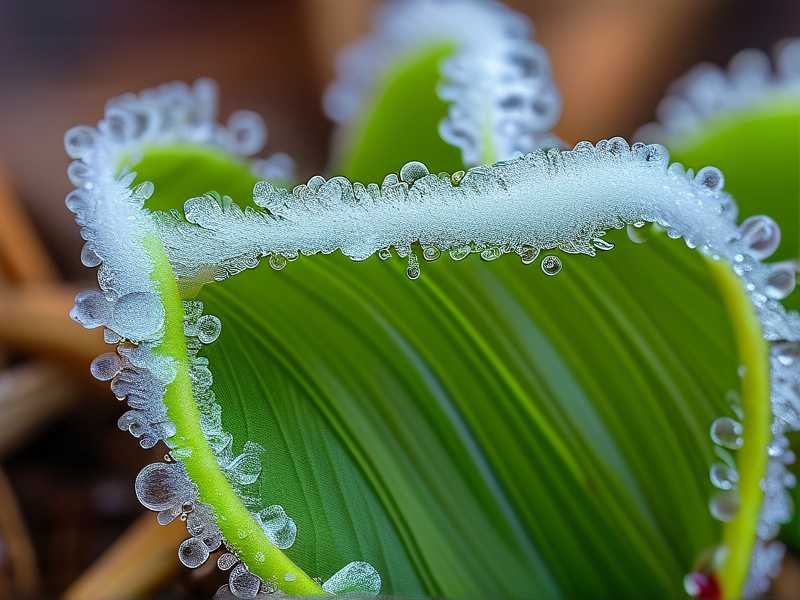
Frost doesn’t just chill the leaves. It actually bursts the plant cells from the inside. Water inside the tissue freezes, expands, and rips the cell walls. That’s why the damage looks so sudden. One night at 32°F can do more harm than a whole week of cold rain. I tested this by leaving one pot out during a light frost last year. It looked fine the next morning. By day three, the crown was mush. Don’t wait for visible damage. Act on the forecast.
The tricky part is that some sundews are more cold-hardy than others. Temperate species like Drosera rotundifolia can take a freeze. Tropical ones like Drosera capensis cannot. I grow both, and I treat them completely differently. If you don’t know which type you have, assume it’s tender. That’s the safest bet. Most sundews sold in garden centers are the tropical kind anyway.
Another thing I learned the hard way: frost damage isn’t always immediate. Sometimes it shows up two weeks later. You think you dodged it, then the plant collapses. That’s why my two-week observation window after moving them is non-negotiable. I check every single morning for discoloration or drooping. Catching it early saves the plant.
The 2-Week Transition Plan That Saved My Plants
I used to just bring my sundews inside when frost was forecast. Big mistake. The shock of moving from cool outdoor air to warm indoor air stressed them out almost as much as the frost would have. So I developed a slow relocation plan. It takes exactly 14 days. Here’s how I do it.
Days 1 to 4: I move the pots to a covered porch or a cold garage that stays above 45°F. This blocks frost but still keeps them in cooler air. They get indirect morning light only. I don’t water them any differently yet. Actually, I water slightly less. Reducing moisture helps them harden off.
Days 5 to 10: I bring them inside to a bright room but not the sunniest spot. A north-facing window works well. The temperature difference is now gradual. I also start reducing watering frequency. Sundews like damp soil, but I cut back to every other day. Too much water at this stage encourages rot while they’re adjusting.
Days 11 to 14: Now they move to their permanent winter spot. For me, that’s a south-facing windowsill with supplemental lighting. I resume normal watering but check the soil daily. If leaves look pale or droopy, they’re getting too much light or heat. I adjust accordingly. After day 14, they’re settled. I keep observing for another week to make sure no delayed frost damage shows up.
I’ve done this routine for four winters now. Zero losses. The key is patience. You can’t rush it. I tried speeding through in five days once, and two plants sulked for a month.
Newbie Mistake #1: Overwatering During Cold Weather
This is the biggest killer. I hear people say, “But sundews love water!” Sure, in summer. In winter, it’s different. Cold soil stays wet longer. Roots lose the ability to absorb oxygen. They drown quietly. Then rot spreads up the stem. The plant looks fine on top until it suddenly collapses.
90% of indoor plants die from overwatering, and that number feels even higher for sundews in winter. I learned this the hard way. I kept my pot sitting in a tray of water during a cold spell. Leaves turned black within a week. The roots were completely mush. Now I empty the tray after an hour of soaking. No constant standing water unless the room is warm and bright.
Check the soil with your finger. If it feels damp below the surface, skip watering. In winter, I water once every two days max. Sometimes less. The top inch should dry out slightly between waterings. That’s okay. Sundews are tougher than people think.
Newbie Mistake #2: Wrong Light Placement Indoors
Indoor light is weaker than outdoor light. But that doesn’t mean you should park your sundew in a dark corner. I made that mistake. I thought a shaded bookshelf would protect it from cold drafts. The plant etiolated. That’s a fancy word for growing long and pale because it’s stretching toward light. It looked pathetic.
Sundews need bright, indirect light in winter. Direct hot sun through a window can overheat them, but too little light causes weak growth. I use a cheap grow light for six hours a day. It made a huge difference. If you don’t have one, a south-facing window is fine. Just keep the plant a few inches away from the glass to avoid cold radiation at night.
One detail I almost missed: the window itself gets cold at night. The glass radiates chill even if the room is warm. So I pull my pots back from the window when the sun goes down. That simple move stopped a lot of leaf damage.
Newbie Mistake #3: Using the Wrong Pot
Pot material matters more than you’d think. I used to grow sundews in ceramic glazed pots because they looked nice. Bad idea. Those pots hold moisture unevenly. The sides stay cold, and the roots near the edge get chilled. Plastic pots are better. They don’t absorb cold as fast, and they keep the root zone more even.
Drainage holes are non-negotiable. I learned this after waterlogging a pot because it had no holes. The soil stayed soggy, and rot took over. You need holes so excess water escapes. And don’t use a saucer that stays full. Empty it after watering. This is basic, but I see beginners skip it all the time.
The soil itself should be sphagnum moss or a mix of peat and perlite. Regular potting soil has too many nutrients. Sundews are bog plants, but they’re adapted to poor soil. Rich compost burns their roots. I switched to pure sphagnum moss and never looked back. It holds moisture while allowing air around the roots.
What I Wish I Knew About Cold-Hardy Sundews
Not all sundews need frost protection. Temperate species actually need a cold dormancy period. I grow Drosera filiformis outside year-round in my zone. It dies back to the roots in winter and comes back in spring. That’s normal. Don’t panic if you see this. But tropical species are a different story.
I lost a Drosera capensis once because I left it out during a mild frost thinking it was hardy. It wasn’t. The leaves melted into black slime. Pathetic. Now I keep all tropical types indoors below 50°F. The threshold is clear: if the forecast says below 40°F, everything moves inside.
If you’re in a borderline zone, use a cold frame or frost cloth for outdoor plants. I’ve done this with moderate success. But honestly, moving them inside is always safer. Cold frames can trap moisture and cause fungal issues if ventilation is poor. I stopped using them for sundews after a mold outbreak ruined two pots.
Signs of Frost Damage and How to Recover Them
If you suspect frost damage, act fast. Look for these signs within 48 hours: leaves turning translucent, losing dew, or drooping. Black spots on the crown are very bad. That usually means the growth point is dead. I’ve saved plants with minor leaf damage by cutting off the affected parts. Use clean scissors. Remove anything that looks water-soaked or dark. That prevents rot from spreading.
The crown is the lifeline. If the crown is still green, there’s hope. I keep the plant warm and reduce watering temporarily. Just enough to keep the soil barely moist. Give it bright light but not direct sun. Recovery takes a few weeks. Be patient. I had one sundew regenerate entirely from a single green node. It took about two months, but it bounced back.
I also spray mild fungicide after cold damage. This is a tip from a grower friend. Cold-weakened tissue attracts fungal spores easily. A gentle copper-based spray helps. But don’t spray during frost itself. Only after you’ve brought the plant in and it’s warmed up.
My Daily Winter Routine for Sundews
Once winter starts, I check my sundews every morning. It takes two minutes. I look at leaf color, dew production, and soil moisture. Dew production is my favorite health indicator. If the leaves look dry and lack stickiness, something is off. Usually it’s lack of light or root recovery issues. I adjust accordingly.
Watering is a careful dance. I use rainwater or distilled water only. Tap water has minerals that kill sundews. I collect rain in buckets and store it indoors so it doesn’t freeze. If you’re in a pinch, melted snow works too. But make sure it’s clean.
I also rotate pots around once a week. This keeps growth even. Otherwise, the side facing the window grows faster and the other side lags. My plants look fuller now. A tiny detail, but it makes a visible difference.
Humidity is another factor. Indoor winter air is dry from heating. Sundews like high humidity. I place a tray of water near them for evaporation. I don’t mist the leaves. Misting spreads fungal spores. The tray is enough.
When to Resume Outdoor Growth in Spring
Come late spring, the frost danger passes. But don’t rush to move your sundews outside. I made this mistake once. I moved them out in early May when the nights were still cool. They sulked for weeks. Now I wait until night temperatures are consistently above 55°F.
The transition back outside follows the same two-week pattern in reverse. Start on a shaded porch. Then move to partial sun. Finally, full morning sun with afternoon shade. Direct all-day sun can scorch leaves that are used to indoor light. I learned that after losing one plant to sunburn.
Watch the weather forecast for late cold snaps. I’ve had frost in June, believe it or not. Keep the pots light and portable. If cold is predicted, I roll them under a covered area overnight. That simple precaution has saved me many times.
Common Questions I Get About Sundew Frost Protection
Can sundews survive a frost if they’re well-watered? No. Water makes frost damage worse, not better. Ice crystals form in the hydrated cells and burst them. Well-watered plants are more susceptible, actually. Dryer soil insulates roots slightly better. But don’t let them dry out completely. A slightly damp soil is ideal before a cold night.
Should I use a heater indoors for sundews? No. They don’t need tropical warmth in winter. Room temperature between 60-70°F is perfect. Heating the whole house is wasteful. A room that stays at 65°F works fine. I keep mine in a spare room with a space heater set to 60°F on cold nights. That’s enough.
What if my sundew loses all leaves but the roots are alive? Then you’re fine. It will regrow. Cut back the dead leaves, reduce watering, and keep it moist but not soaked. Place it in bright indirect light. New growth should appear in 3-6 weeks. I had a Drosera spatulata do this after a near-fatal cold shock. It lived and thrived.
My Last Practical Tips
The biggest lesson from years of slugging it out with winter weather is simple: never leave a sundew outside if frost is forecast. Bring it in early. The two-week acclimation process feels tedious, but it genuinely works. I stopped losing plants once I committed to that schedule.
Also, label your pots. I keep a note on each one saying whether it’s temperate or tropical. That prevents guessing when the sky turns gray. You don’t want to be scrambling at 6 PM on a cold night, trying to remember which pot can handle the frost.
If you’re short on space, prioritize which plants to bring inside. Young seedlings are more fragile than established plants. I always bring the smallest ones first. Adults can tolerate a bit more, but not much.
Finally, don’t stress about perfection. You will lose a sundew at some point. It happens. I’ve killed more plants than I can count. Every loss taught me something. The key is to learn and adjust. Start with one or two hardy varieties if you’re new. Master the routine. Then expand your collection with confidence.
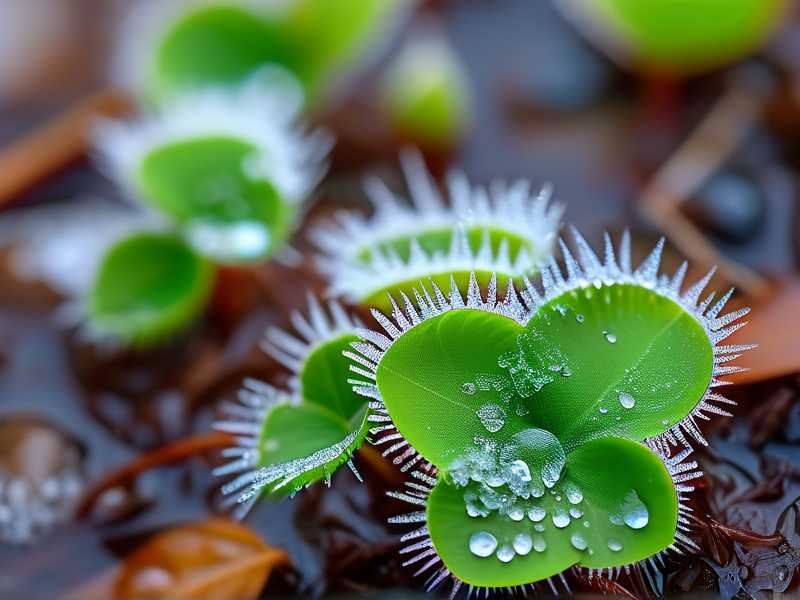
Keep your sundews dry at the roots, cool but not freezing, and give them bright light. That’s the whole secret. Everything else is just refinements. Stick with the two-week transition and morning checks. Your plants will thank you. And when spring comes, they’ll reward you with healthy, dew-covered leaves that look like tiny jewels. That’s worth the effort.