bluename
 If you're growing sundews in an unheated greenhouse, the short answer is: pick temperate species, let them go dormant, keep roots damp but never soggy, and stop feeding them in winter. I’ve kept Drosera alive through three freezing winters this way. But honestly, it took me losing a whole tray of tropicals to learn that lesson the hard way.
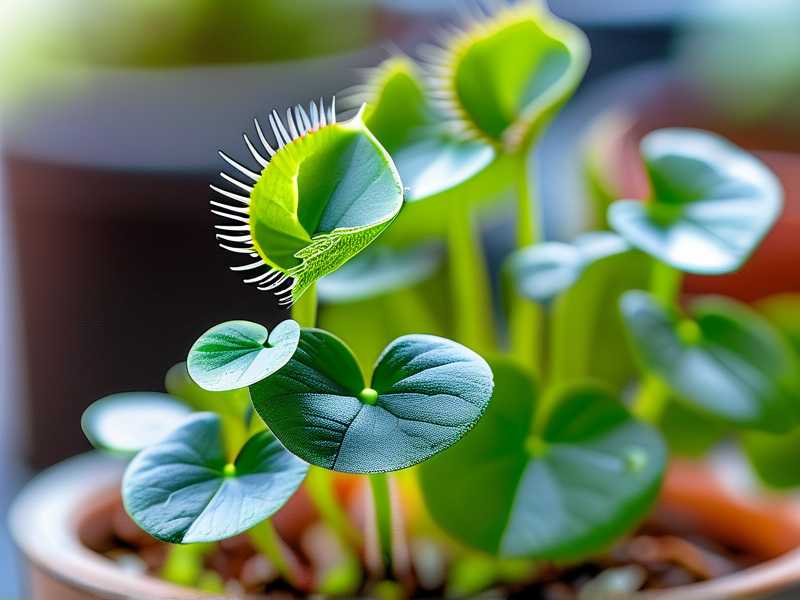
Many people assume sundews are fragile, tropical oddities that need constant warmth. That’s true for some species, but not all. In fact, a huge group of them, like Drosera rotundifolia and Drosera anglica, naturally survive frost and snow. They actually need that cold period to rest and reset. Without it, they weaken and eventually die, even if they look fine for months.
So let’s walk through how to actually do this. No heater, real greenhouse, freezing nights. I’ll share what worked after I stopped panicking and started observing.
Understanding Your Sundew’s Origin First
Before you do anything, you need to know where your sundew comes from. This single piece of information decides everything else. I remember buying a beautiful Drosera capensis from a garden center, assuming it would handle anything. It didn’t. It rotted within three weeks of November.
Temperate sundews, like those native to North America, Europe, or northern Asia, are your best bet for unheated greenhouses. They die back to a winter resting bud called a hibernaculum. They look dead, but they’re not. I’ve seen people throw these away because they thought the plant had failed. It was just sleeping.
Tropical sundews, like Drosera spatulata or capensis, come from warm climates. They can tolerate a little cold, but frost will kill them quickly. If you insist on growing tropicals in an unheated greenhouse, you’ll need a heat mat or a small insulated box. But that’s a different article.
Think of it this way. A temperate sundew is like a bear hibernating. A tropical sundew is like a parrot that needs a warm room. You wouldn’t lock a parrot outside in winter. So match the plant to your environment, not the other way around.
The 3 Biggest Mistakes New Growers Make with Sundews
I’ve killed more plants than I’d like to admit. Simple fact. But every failure taught me something specific. Here are the three most common traps I see in every carnivorous plant forum.
① Watering Too Much — Yes, It’s Possible
Everyone says sundews love water. That’s true. But "love water" doesn't mean "sit in a swamp." The biggest killer of indoor and greenhouse sundews is overwatering. 90% of indoor plants die from overwatering, and sundews are not immune, despite their boggy reputation.
Here’s what happened to me. I put my pots in trays filled with water, thinking more is better. Within a week, the moss turned black. The roots, which need oxygen, essentially suffocated. The leaves became mushy. I lost three Drosera filiformis that way.
The fix is simple. Use the tray method, but keep the water level low. No more than half an inch deep. And let the tray dry out completely between refills. The soil should stay damp, not flooded. Think of a wrung-out sponge, not a puddle.
I test the soil with my finger every two days. If the top layer feels cool and moist, I wait. If it feels dry to the touch, I add water. That small habit saved my collection.
② Getting the Light Direction Wrong
Sundews need a lot of light, that’s true. But direction matters just as much as intensity. I initially placed my pots on the north side of my greenhouse. It was bright, sure. But the light was weak and indirect. The plants stretched, lost their red coloring, and stopped producing dew. They looked like sad, green versions of their former selves.
I moved them to a south-facing bench, and within two weeks, the color returned. Dew production started again. The difference was night and day.
The mistake many beginners make is thinking any bright spot works. It doesn’t. Sundews need direct sun for at least 4-6 hours a day in cooler months. If your greenhouse is shaded by trees or buildings, consider trimming branches or moving the plants to the brightest corner.
In winter, the sun angle is lower. Light is weaker. So positioning is even more critical. I’ve adjusted my shelves twice this season already. Direct morning sun is best, it warms the plants gently, and afternoon sun can be too harsh, but often that’s all we have. Just give them as much as you can.
③ Using the Wrong Pot Material
This one caught me off guard. I started with decorative glazed ceramic pots. They looked lovely. But they held moisture like a sealed bucket. The soil stayed soggy for days. Roots rotted quietly. I didn’t realize until the leaves started collapsing.
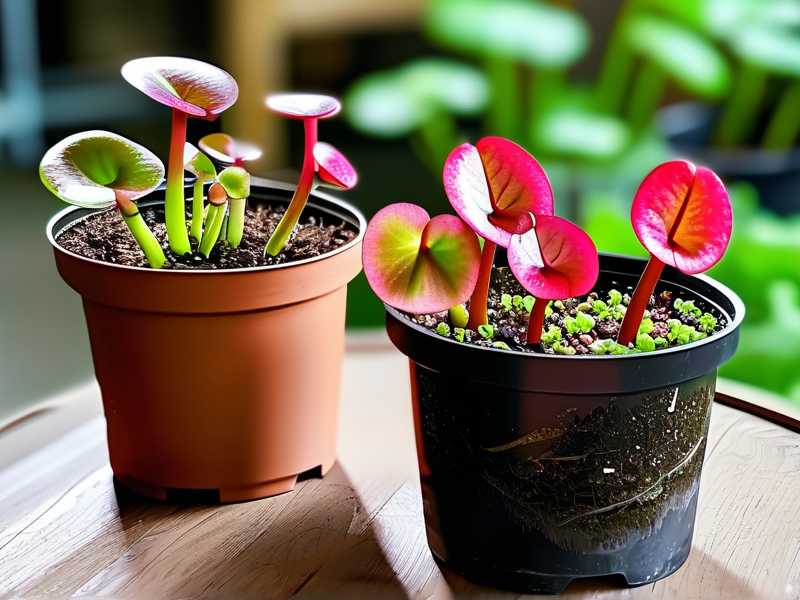
The solution? Plastic pots with good drainage holes. Or unglazed terracotta, though that dries out too fast for some sundews. I found that standard nursery plastic pots work best. They’re cheap, they breathe a little, and you can control the moisture.
Avoid pots with no drainage holes. If you see standing water at the base of the pot after watering, that’s a red flag. Repot immediately into something with holes. I also started using deeper trays instead of shallow saucers, to give the roots more vertical room while still keeping the water level low.
How I Set Up My Unheated Greenhouse for Winter
Let me walk you through my exact setup. It took me two years to get this right. You don’t need expensive gear, but you do need attention to detail.
First, I clean the greenhouse glass thoroughly in late autumn. Dirty glass blocks a surprising amount of light, maybe 20-30%. That’s a huge loss in winter when light is already scarce.
Second, I place a thermometer at plant level, not hanging from the roof. The temperature difference between the top and bottom of a greenhouse can be 10°F or more. The ground is always warmer. I’ve had frost on the glass while the plants on the lower bench were perfectly fine.
Third, I use bubble wrap as insulation on the inner walls. Just cheap packing bubble wrap. It creates a dead air space that holds heat. It’s not a heater, but it slows down heat loss significantly. I’ve seen night temperatures drop by only 3-4°F with this simple layer.
Fourth, I group the pots together. Clustering plants helps them share ground warmth. It sounds silly, but it works. The collective thermal mass of many small pots helps buffer extreme cold snaps.
The Watering Schedule That Actually Works
Consistency matters more than quantity. I water my temperate sundews once every three to four days in winter. Summer is different, but this is about winter care.
Here’s my routine. Every morning, I check the moisture level in the trays. If the tray is dry, I add about half an inch of rainwater. If it’s still damp, I leave it. That’s it. No strict calendar. Just tactile checking.
I lost too many plants following a rigid "water every day" rule. The truth is, evaporation rates vary. A windy day dries things out faster. A cloudy, humid day means the soil stays wet longer. You have to adapt.
I also stopped watering from the top entirely. Top watering compacts the peat moss and can rot the crown of the plant. Instead, I only add water to the tray and let capillary action pull it upward. This keeps the crown dry and healthy.
One word of caution. If your greenhouse gets below freezing and the water in the tray freezes solid, that’s actually okay for temperate sundews. The soil will freeze too, and that mimics their natural habitat. Just don’t leave them in standing water when things thaw. Drain it immediately to avoid root rot.
Feeding and Dormancy — What I Learned the Hard Way
Dormancy is the scariest part for most beginners. I remember the first winter my Drosera rotundifolia started to look brown and shrink. I panicked. I thought I had failed. I almost threw the pot away.
I didn’t because I stumbled onto a forum post that explained hibernacula. That tiny, tight cluster of leaves at the soil surface is the plant’s winter survival form. It protects the growing tip from frost. It’s not dieback. It’s a strategy.
What I learned is to stop feeding once the plant starts entering dormancy. Usually around late October where I live. The plant’s metabolism slows. It can’t digest food properly. Trying to feed it during this time just creates rot.
I also cut back on water during dormancy, but never to dryness. The hibernaculum needs some moisture. I keep the soil just barely damp, not wet. The tray stays empty for longer periods.
Many species, like Drosera intermedia and Drosera anglica, can tolerate their pots freezing solid. I’ve had ice on the soil surface for weeks. They were fine. They actually emerge stronger in spring if they’ve had a proper cold period.
What to Do During a Sudden Cold Snap
Weather is unpredictable. And that’s when you need to be quick. I remember one night in January where the forecast said 25°F. My greenhouse dropped to 18°F. I hadn’t insulated enough.
I lost a few less-hardy varieties that night. But the temperate ones, they didn’t even flinch. That taught me the value of having the right species.
If a deep freeze is coming and you’re worried, there are a few tricks. You can wrap pots in burlap or bubble wrap for the night. You can also bring the pots into an attached garage or shed for 24 hours. But remember, if the plant is truly temperate, the cold won’t hurt it. The issue is sudden temperature swings that cause rapid thawing, which damages cell walls.
Slow thawing is key. Never move a frozen plant into a warm room quickly. Let it thaw gradually in a cold room. I’ve made this mistake before. It’s like putting a frozen glass bottle in hot water, it shatters. Plants are similar.
The RHS and AHS Perspective on Cold-Growing Carnivores
To back up my experience, I want to mention some solid gardening authorities. The Royal Horticultural Society has extensive notes on growing carnivorous plants. They emphasize that many sundews are hardy and do not require heat, only protection from waterlogging. That aligns perfectly with what I’ve found.
I also consulted the American Horticultural Society for their climate recommendations. They highlight the importance of matching plants to their native hardiness zones. A temperate sundew from a cold zone will genuinely thrive in an unheated greenhouse in similar conditions. For more details, you can check their resources at RHS and AHS. Their guidance helped me confirm that I wasn’t crazy for attempting this without a heater.
How to Identify Healthy Dormancy vs. Actual Death
This is a question I get all the time. There’s a difference between a sleeping plant and a dead one. And it’s not always obvious at first glance.
A dormant sundew has a tight, firm center. The outer leaves may be brown and crispy, but the core feels solid and dense. If you gently pull at the center leaves, they resist. That’s a good sign.
A dead plant feels mushy. The whole thing pulls apart easily. There’s a foul smell, often due to bacterial rot. If you see that, remove the plant immediately to protect its neighbors.
I had a Drosera filiformis that I thought was dead for two months. It was just a small, brown stub. Then in March, new green tips emerged from the center. I was overjoyed. Patience is genuinely a skill in this hobby.
My Final Routine in Bullet Points
Here’s what I do every week from November to February.
- Check temperature at plant level every evening.
- Water trays only when fully dry.
- Keep soil barely damp during deep cold.
- Remove any dead leaves to prevent mold.
- Ventilate on sunny days to reduce humidity build-up and prevent fungal issues.
- Watch for black spots on the crown, which signal rot.
Nothing about this is fancy. No heaters. No grow lights, though I do use a soft fluorescent light for a few hours on very dark weeks. But the natural light is my primary source.
Common Questions I Get From New Growers
Can I keep tropical sundews in an unheated greenhouse?
Not safely. Tropical species like Drosera capensis can survive brief dips to 40°F, but frost will kill them. If you want tropicals, you need a heater or they need to come inside for winter. I learned this the hard way with a beautiful Drosera regia.
Is ice on the soil surface okay for sundews?
Yes, absolutely for temperate species. Ice is natural in their habitat. The key is to let it thaw slowly. Do not pour warm water on it. I’ve had ice for three days straight and my plants came through perfectly fine.
What should the soil mix be?
I use a 50/50 mix of sphagnum peat moss and perlite. No fertilizer, no compost. Sundews are adapted to nutrient-poor soils. Rich soil will burn their roots. I’ve also tried pure long-fiber sphagnum moss with good results, but peat and perlite is my stable workhorse.
Why This Approach Is Honest and Simple
No heater, no gadgets, just understanding what the plant wants. Temperate sundews don’t need coddling. They need consistency. They need cold, and they need light. Once I gave them that, they started thriving on their own.
So if you’re staring at an unheated greenhouse and wondering if it’s even worth trying, it is. Pick the right species. Fix your watering habits. Let them rest. And then enjoy the explosion of growth when spring arrives.