bluename
 How to Stop Sundew Leaves From Turning Purple Unnaturally
First, let me give you the direct answer. If your sundew leaves are turning an unnatural, dark purple, you are almost certainly giving it too much water or keeping it too cold. 90% of indoor plants die from overwatering. For a sundew, that number feels like 99%. Stop watering from the top. Switch to the tray method immediately. Move it to a spot with bright, indirect light and warmer temperatures above 68°F (20°C). That’s the fix. Give it two weeks and you’ll see new, green growth.
I killed three beautiful Cape Sundews before I figured this out. Honestly, I felt terrible. I thought I was being a great plant parent. I was misting them, watering them daily, and keeping them in a bright, sunny window. The leaves turned a deep, bruised-looking purple. Then they stopped producing dew. Then they melted. It was a slow, sad disaster. I eventually learned that my "help" was the problem.
The Real Problem: Stress, Not Color
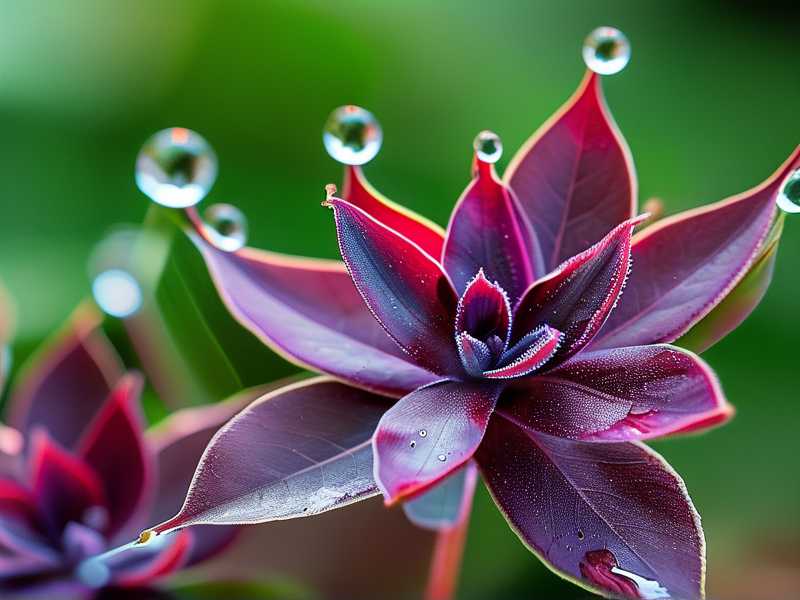
Sundews are tough. But they respond to stress by changing color. A natural, vibrant red or pink under strong light is normal. It’s like a suntan for them. But a dull, dark, sickly purple is a cry for help. It means the plant’s metabolism is slowing down. It’s shutting up shop because conditions are wrong.
So, what causes this unnatural purple? It’s usually a combination of factors that all circle back to one thing. The roots are struggling. They’re either drowning, or they’re too cold. When roots fail, the plant can’t absorb nutrients. The chlorophyll breaks down. What’s left is that ugly purple anthocyanin pigment. Think of it as a bruise from the inside out.
My First Epic Mistake: Drowning the Roots
I mentioned the tray method. But I didn’t use it at first. I watered from the top. Every day. I saw the soil was wet and thought, "Great!" Wrong. The peat moss became waterlogged. There was no oxygen for the roots. They basically suffocated. This is the #1 mistake. New growers think carnivorous plants need swamp-like conditions. They do, but the soil needs oxygen too.
The fix was simple, but it felt counterintuitive. I stopped top watering completely. Instead, I filled a saucer with about half an inch of distilled water. The pot sat in that water. The soil wicks up what it needs. The top stays moist but not sodden. Roots can breathe. The change in two weeks was incredible. The new leaves coming from the center were green and healthy. I could see the tiny, glistening dew starting to form again. That was my sign.
My Second Mistake: Scorching or Freezing the Leaves
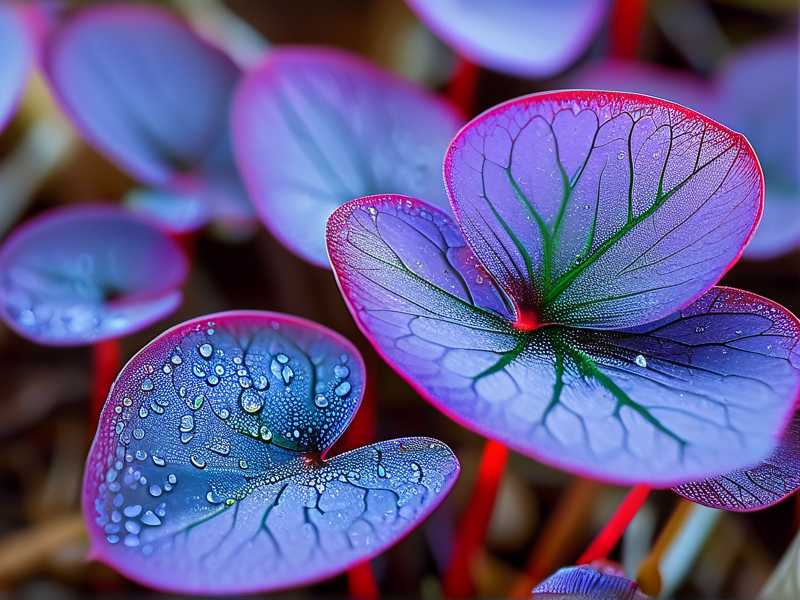
I love my plants. So, I put my sundew in the brightest window I had. That’s what the internet said. But a south-facing window in summer, behind glass, is basically an oven. The intense heat and UV radiation shocked the leaves. They didn't cook, but they turned that nasty purple. The light was too harsh and the temperature spiked during the day.
I tried a different spot after a week. A north-east facing window. The light was brighter than you'd think, but it was very gentle. No direct, scorching sun. The temperature was also more stable. I also learned the opposite is just as bad. I kept one in a cold garage during a cool night, thinking it would mimic nature. That also caused purple mottling. The cold roots can't uptake water effectively. It’s called "cold stress."
My Third Mistake: The Wrong Pot and the Wrong Soil
I started my first sundew in a regular plastic nursery pot with a drainage hole. That was fine. But then I repotted it into a decorative ceramic pot. No drainage hole. I was an idiot. Water pooled at the bottom. It created a toxic, stagnant zone. The roots rotted silently. That’s what caused the deep purple to spread from the base up.
Now, I only use plastic or glazed ceramic pots with multiple drainage holes. Or, I use a "net pot" inside a cachepot. That’s a trick I learned later. You grow the plant in a cheap, slotted pot, then slide it inside a nice-looking container. This gives perfect drainage and airflow.
Also, never use regular potting soil. It has fertilizers and minerals. Sundews are mineral-sensitive. The salts in fertilizer burn the roots. It looks a lot like that purple stress reaction. I use a 50/50 mix of sphagnum peat moss and perlite. That’s it. No fertilizer. Ever. The plant gets its nutrients from the bugs it catches.
The 2-Week Recovery Plan That Worked For Me
Alright, let’s say your sundew is purple and struggling. Here is the exact step-by-step process I used. It took exactly two weeks to see a visible turnaround.
Week 1: Stabilize and Observe
Day one, I did a full reset.
First, I checked the roots. I gently slid the plant out of its pot. If I saw black, mushy roots, I trimmed them off with sterilized scissors. If they were light-colored and firm, they were fine.
Second, I repotted the plant. I used fresh, unfertilized peat moss and perlite. I made sure the crown of the plant was sitting just at the soil level. Burying it too deep causes rot. I watered it thoroughly with distilled water from the top once. This settles the soil.
Third, I moved it to my "recovery spot." That’s a shelf about 3 feet away from a bright, west-facing window. It gets bright, indirect light. No direct sun hits the leaves. The temperature was consistently between 70°F and 75°F (21°C - 24°C).
For the next seven days, I did nothing. I didn't touch it. I didn't even look at it too closely. I kept water in the tray at a level of half an inch. I let the tray run dry for a few hours one morning, then refilled it. This provides a wet-dry cycle. It’s better for root aeration than constant submersion.
Week 2: The Turnaround
By day eight, I started to see small changes. The very center of the rosette, where the newest leaves grow, looked lighter. The purple was fading to a dusty pink.
By day ten, I noticed something amazing. The newest leaf tip was a bright, vivid green. It was small, but it was healthy. The old, purple leaves were still there, but they stopped getting worse. I gently removed the most damaged, completely purple leaves. They were dead weight. Cutting them away with clean scissors encourages the plant to focus energy on new growth. I just cut them at the base.
By day twelve, the new leaf had unfolded slightly. I could see tiny, clear droplets of dew on it. That was the best moment. Dew production means the plant is happy. It’s photosynthesizing and metabolizing properly again.
By day fourteen, there were three new, bright green leaves in the center. The dew was plentiful. The purple had receded to the tips of the oldest fan leaves. The plant didn't look like a zombie anymore. It looked like a sundew. The crisis was over.
3 Deadly Newbie Mistakes You Must Avoid
Learning from my pain is easier than going through it yourself. Here are the three absolute killers I see in online forums all the time.
Mistake #1: Watering Overload (The Killer of Roots)
This is the biggest one. People see a dried-out top layer of soil and panic. They drench the pot. Then they do it again tomorrow. The soil stays heavy and wet. Roots die. This manifests as a dark, bruised purple or a translucent, "soggy" look.
The fix is the tray method. Simple as that. Keep the pot sitting in a tray of distilled or rainwater. The plant drinks what it needs. Never let the tray dry out for more than a day. And absolutely never use tap water. The minerals are lethal to them. I use distilled water only. It’s non-negotiable.
Mistake #2: Light Placement (The Burn or The Cave)
I tried the cave, and I tried the desert. Both were wrong. Too little light, and the leaves become weak, etiolated, and pale green. They lose color and dew. Too much harsh, direct sunlight, and they get sunburned. That burn often shows as a dark, unnatural purple or brown.
The goal is bright, indirect sunlight. A north or east window is usually perfect. If you use grow lights, keep them about 6 to 8 inches above the plant. Run them for 12 to 14 hours a day. The light should feel bright but not blinding.
Mistake #3: The Wrong Pot (Suffocation by Design)
You need a drainage hole. Period. Like I said, I learned this the hard way with a pretty ceramic pot. A pot without drainage will collect water at the bottom no matter how careful you are. This creates an anaerobic environment. Harmful bacteria grow. The roots rot.
Use a plastic pot. They are cheap and they don’t leach minerals into the soil. Terracotta pots wick moisture away from the soil too quickly. They also leave mineral deposits. Plastic is safe. If you want it to look nice, put the plastic pot inside a cachepot. Just make sure the inner pot can be easily removed for watering.
The Role of Temperature and Airflow
I also noticed that temperature swings stressed my sundews. A friend of mine is an avid grower. He told me that cool nights are fine, but drastic drops below 50°F (10°C) are bad for tropical sundews.
I had my plant near a door that we opened frequently during a cool spell. A draft hit the plant constantly. That brought on the purple too. Cold drafts chill the leaves. The plant can't regulate its internal temperature well. The chlorophyll production stops.
Now, I keep my plants away from vents, doors, and drafty windows. I also run a small fan on a low setting in the room. Not pointed directly at the plant, but just to keep the air moving. This prevents stagnant, humid air from building up around the leaves. Stagnant air can promote fungal issues. Good airflow keeps the plant robust. I find that a stable environment is 50% of the battle.
My Simple Watering Schedule (Finally)
People ask me for a schedule. But it’s not about a schedule. It’s about observation. Here’s what I actually do now.
Every morning, I look at the tray. If it’s empty, I fill it. I use a squeeze bottle with distilled water. I pour about a quarter inch into the tray. That lasts the day, usually.
Every weekend, I do a "flush." I take the pot to the sink. I pour distilled water through the soil from the top, slowly, for about a minute. This washes away any accumulated organic waste or mineral deposits. Then I let it drain completely. Then it goes back in its tray. This flush mimics the heavy rains they get in the wild. It keeps the substrate fresh. It prevented the root issues that caused that ugly purple color.
What About the Existing Purple Leaves?
Don’t expect the old leaves to turn back to green. They won’t. The purple pigment is there to stay. It’s like a scar. The plant’s energy is now focused on new growth.
You have two options for the ugly leaves. You can leave them alone to photosynthesize as much as they can. This is safest for a recovering plant. Or, as I did, you can gently snip them off. I only cut them off when they were over 50% purple and limp. Healthy green tissue, even with purple edges, I left alone. The key is to not stress the plant further. Patience is key here.
Consulting the Experts (My Sources)
I’m not making this up. I check resources from the Royal Horticultural Society (RHS){:target="_blank"} to ensure I’m baseline correct. They note that carnivorous plants require specific, low-nutrient substrates. They also warn about the dangers of waterlogging. The American Horticultural Society (AHS){:target="_blank"} also publishes articles on container gardening. They highlight that drainage is the most critical factor for root health. My experience aligns perfectly with their guidance. The science confirms the anecdote.
Common Questions From New Growers (FAQ)
Question: Can I use tap water if I let it sit out for 24 hours?
No. Tap water contains dissolved salts and minerals, like calcium and chlorine. They won’t evaporate. They build up in the soil and burn the roots. This is often the hidden cause of that unnatural purple. You must use distilled water, reverse osmosis water, or collected rainwater. I bought a cheap water distiller. It was a game-changer. It pays for itself in the peace of mind.
Question: My sundew is purple but has dew. Is it okay?
Sometimes, yes. A natural, vibrant red or deep pink color with lots of dew is healthy. That’s often called "coloration." It happens in full sun. But if the purple looks dark, bruised, and there’s little or no dew, it’s a problem. The dew is a sign of health. If the dew is gone and the leaves are that dark purple, it’s stressed. Follow my recovery plan. If the dew is present and the purple is just in the older leaves, you might just be looking at natural aging.
Question: How long until the new green leaves appear?
If conditions are fixed, you should see new growth in about 7 to 10 days. The center of the plant will look lively. The pinkish-purple tint will be replaced by bright green tips. Full recovery of the plant’s form might take a month or two. But the color change is the fastest indicator. It’s actually quite rewarding to see it bounce back.
A Final Reality Check
I know the stress of seeing a plant you love turn weird colors. You feel like a failure. I was there. I remember staring at my purple, dew-less, sad sundew and feeling completely helpless. But I promise you, they are more resilient than they look. They are weeds in their native habitat. They want to live.
Stop hovering. Stop over-tinkering. Give it stable warmth, bright indirect light, and pure water. That’s the secret. It took me three dead plants and two weeks of careful observation to finally get it right. It felt so good to see that first dewy, green leaf. It will feel even better for you when your plant recovers. Just trust the process.