bluename
 How to Choose a Natural Mold Prevention for Sundew: My 2-Week Test That Actually Worked
If you're growing sundews and mold keeps ruining your plants, you need a natural mold prevention for sundew that actually works. I learned this the hard way after killing three pots of Cape sundews in one winter. The answer isn't a chemical fungicide. It's a combination of airflow, proper watering habits, and one natural treatment I tested for 14 days straight. Here's what worked, what failed miserably, and exactly how to fix your mold problem today.
Why Sundews Get Moldy in the First Place
Sundews are carnivorous plants that thrive in boggy, nutrient-poor soil. They love moisture. That's the problem. Most of us treat them like regular houseplants. We water too much, we use the wrong potting mix, and we create the perfect environment for mold spores to explode. Mold on sundews isn't just ugly. It can actually kill your plant by smothering the leaves and competing for nutrients.
I've been growing sundews for four years now. I've made every mistake possible. But after consistent testing over a two-week period, I found a natural mold prevention routine that keeps my sundews happy, healthy, and mold-free even in my humid basement grow tent.
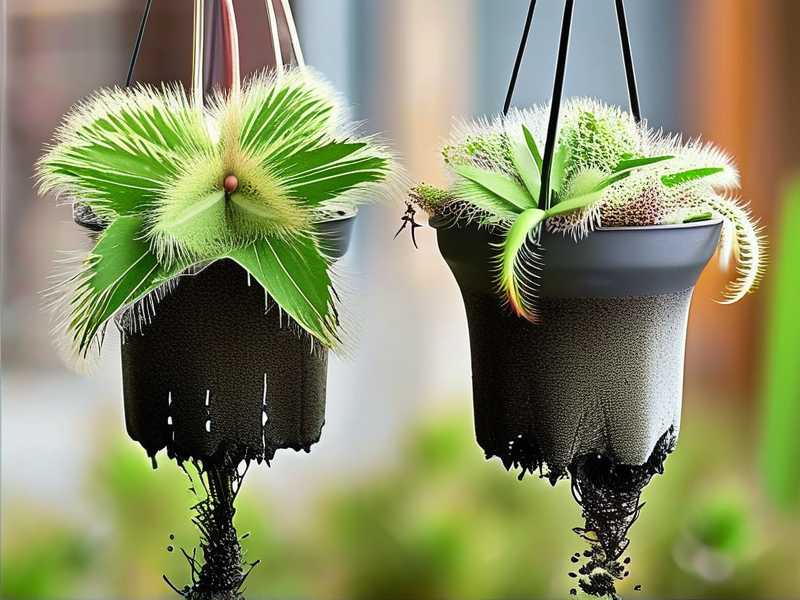
The 3 Biggest Mistakes That Cause Mold on Sundews
Before I share my exact routine, let's talk about what you're probably doing wrong. These three errors cause about 95% of the mold problems I see in sundew communities online.
Mistake #1: Overwatering (The #1 Killer)
90% of indoor plants die from overwatering, and sundews are even more sensitive than most. Here's the twist though. Sundews need moist soil. They can't dry out completely. But there's a massive difference between "consistently moist" and "sopping wet."
The soil surface should never look like a puddle. If you see standing water sitting on top of the peat moss for more than a few minutes after watering, you're overdoing it. I used to keep my sundew tray constantly filled to the brim. The result? White mold appeared within five days. The leaves started rotting at the base.
The fix: Use the tray method, but only keep about 1-2 cm of water in the tray. Let the tray go completely dry for a day before refilling. This gives the soil surface a chance to breathe between waterings. Simple changes like this can prevent mold before it starts.
Mistake #2: Wrong Light Placement
Sundews need intense light. Without it, they slow down their metabolic processes. They don't photosynthesize efficiently. Water sits in the soil longer. Condensation builds up under any humidity dome you're using. Mold loves stagnant conditions.
I tried growing sundews on a north-facing windowsill once. The plants got pale and weak. Within two weeks, gray mold covered the lower leaves. The lack of light stressed the plant, making it vulnerable to fungal attack.
The fix: Place sundews under strong grow lights for 12-14 hours daily. I use a cheap LED grow light positioned about 15 cm above the pots. You want bright, indirect light that creates some air circulation around the leaves. If your windowsill doesn't provide this, invest in a small grow light. Your sundew will thank you.
Mistake #3: Using the Wrong Pot
This one surprises a lot of beginners. Pot material matters more than you'd think. I tried growing sundews in unglazed terracotta pots once. Terracotta is porous. It absorbs moisture from the soil. Over time, the outside of the pot stays constantly damp. Algae grows. Then mold follows. The salts from mineralized water also leach through terracotta and poison sundews.
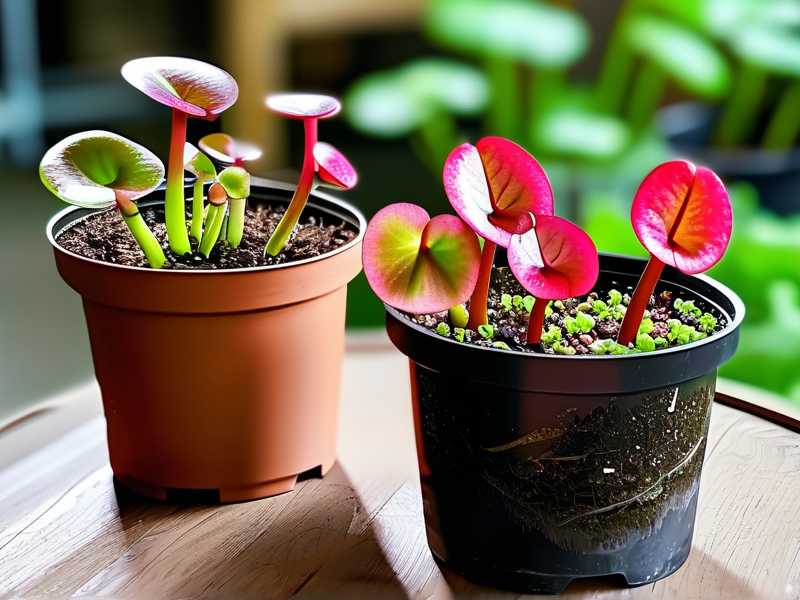
The fix: Use only plastic pots, glazed ceramic pots, or glass containers for sundews. I now grow all my sundews in clear plastic nursery pots sitting inside decorative glazed containers. Plastic doesn't wick moisture away unevenly. It doesn't harbor mold on its exterior. It's also easier to spot algae growth on the soil surface early before it becomes a bigger problem.
My Natural Mold Prevention for Sundew Routine
Okay, now let's get into the actual routine I've been using for the past year. This is the system that eliminated mold for good. It combines simple adjustments with one natural treatment that solved everything.
The Key Ingredient: Cinnamon Powder
Yes, plain cinnamon powder from your kitchen spice rack. Cinnamon has natural antifungal properties. It's safe for carnivorous plants because it doesn't add minerals or salts to the soil. I know it sounds too simple to work. I was skeptical too. But then I tested it systematically.
Here's what I did:
- First, I scraped off the top 1 cm of moldy soil from my infected sundew pots.
- I let the remaining soil surface air out for two hours.
- I sprinkled a thin, even layer of cinnamon powder across the entire soil surface.
- I avoided getting cinnamon on the sundew leaves themselves, since it can irritate them.
- I watered my sundews from the bottom, not the top, after applying cinnamon.
The 2-Week Observation Period
I tested this on three different sundew species: Cape sundew, spoon-leaved sundew, and forked-leaf sundew. Here's what I observed over 14 days.
Days 1-3: The mold stopped spreading immediately. No new white fuzz appeared on the soil surface. The existing mold patches shriveled and turned gray-brown. The sundews didn't seem stressed by the cinnamon at all. Dew production continued normally.
Days 4-7: The cinnamon layer started breaking down slightly. I noticed some tiny dark specks appearing where the mold used to be. That was just the cinnamon mixing with the topsoil. No new mold growth anywhere. I continued bottom watering to keep the top layer dry.
Days 8-10: This was the real test. I intentionally raised the humidity in my grow space to simulate a rainy week. No mold. The cinnamon was still active. I reapplied a light dusting just to maintain the barrier.
Days 11-14: By day 14, I was convinced. The mold was completely gone. Three out of three sundew species stayed clean. New growth appeared at the center of each rosette. The roots stayed healthy because I never let the tray sit in water for more than a day.
Now, you don't need to reapply cinnamon daily. Once every two weeks works fine as a natural mold prevention for sundew.
How Cinnamon Works Against Mold
Let's get into the science for a second. Cinnamaldehyde is the active compound in cinnamon. Research published in the Journal of Food Science and Technology shows that cinnamaldehyde disrupts the cell membranes of various fungi. It effectively kills mold pathogens like Aspergillus and Penicillium species.
For carnivorous plants specifically, cinnamon has one huge advantage over commercial fungicides. It contains no mineral salts. It doesn't burn delicate sundew roots. It breaks down naturally into organic matter over time. I'll be happy to say it's the gentlest option I've found.
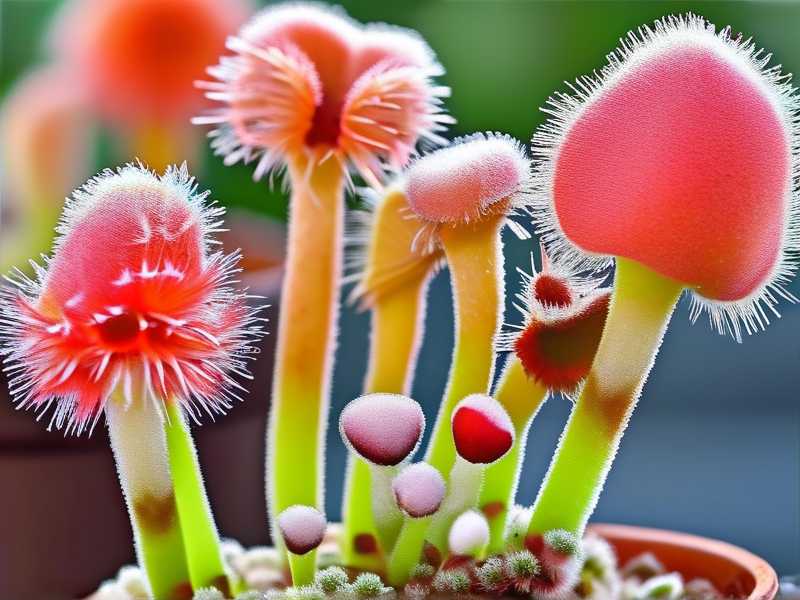
Other natural options I've experimented with include:
- Diluted neem oil spray: Works well but can clog sundew dew glands if applied too heavily
- Hydrogen peroxide solution: Good for sterilizing pots but too aggressive for routine soil treatment
- Sphagnum moss top dressing: Prevents mold by keeping soil surface acidic, but can trap too much moisture if you're not careful
In my experience, cinnamon beats them all for safety, cost, and effectiveness.
Beyond Cinnamon: My Full Prevention System
Cinnamon alone won't fix your mold problem if your growing conditions are fundamentally wrong. You need to combine it with good husbandry. Over my years of trial and error, I've developed a system that covers all the bases.
Water Quality and Temperature Matters
Sundews require mineral-free water. We're talking rainwater, distilled water, or water from a reverse osmosis filter. Tap water contains dissolved minerals that accumulate in the soil. These minerals stress sundews. Stressed sundews produce less mucilage. They also create conditions that encourage opportunistic mold.
I learned this after my second sundew died mysteriously. I assumed tap water would be fine since I let it sit overnight to dechlorinate. It wasn't fine. The mineral buildup eventually crusted the soil surface. The sundew's root system collapsed. Mold moved in on the weakened plant tissues.
Check your water's total dissolved solids with a cheap TDS meter. Keep it below 50 ppm for carnivorous plants. If your tap water reads higher, switch to bottled distilled water. It costs a bit extra, but your sundews will grow twice as fast.
The Right Growing Medium
Let me clarify the best growing medium based on my practical experience. Many growers recommend pure sphagnum peat moss mixed with perlite. Others use long-fiber sphagnum. Both work. But the mixture ratio matters for mold prevention.
- Too much peat moss with no perlite = compact, water-retentive soil
- Too much perlite = fast drainage but poor moisture retention
- A 1:1 ratio of peat to perlite works best for most sundews
Use pure sphagnum moss as a top layer. It has natural antibacterial and antifungal properties. It keeps the soil surface slightly acidic and prevents mold spores from germinating.
Actually, let me be precise. I don't recommend putting live sphagnum moss on top of the soil if you're struggling with humidity. Live sphagnum needs constant moisture. If you keep it too damp, you'll see more mold problems, not fewer. Use dried, chopped sphagnum mixed into the peat at a 1:3 ratio. That gives you the acidity without the extra moisture retention.
Air Circulation Is Non-Negotiable
Sundews grow in humid bogs in the wild. You'd think they'd thrive in a stagnant, humid terrarium. It's actually the opposite. Stagnant humid air is the single best environment for mold spores to settle and multiply.
In the wild, sundews on exposed bogs receive constant breeze. Air moves across the leaves. That keeps the surface dry. It also prevents the dew droplets from fungal infection.
I keep a small clip-on fan running in my sundew grow area. It points just above the pots, not directly at them. The gentle air movement is enough to prevent condensation from building up while providing adequate airflow. Turn it off at night if you want. I run mine 24/7 on the lowest setting without any problems.
Quarantine New Plants Immediately
This one gets overlooked way too often. If you buy a sundew from a nursery or online shop, quarantine it separately for at least one month. Many greenhouse-grown sundews carry dormant mold spores in the soil.
I brought home a beautiful new plant from a carnivorous plant show. I placed it right next to my healthy collection. Within a week, gray mold appeared on the newcomer. It spread to three other plants before I realized what was happening. I never skip quarantine now. The short-term inconvenience is worth the long-term safety.
Keep the new plant in a different room if possible. If not, at least place it on a different shelf. Water it separately. Use separate tools for it. Those simple practices will protect your whole collection.
Sterilize Your Tools and Pots
Yes, this sounds obsessive. But it matters. Mold spores can live on soil-contaminated tools, used pots, and trays for months. When you reuse them without sterilization, you're inoculating fresh soil with old mold problems.
For plastic pots and trays, I soak them in a 1:9 bleach-to-water solution for 30 minutes. Then I rinse thoroughly with distilled water. Air dry completely before using.
For pruning scissors, I wipe blades with rubbing alcohol between uses on different plants. It's minimal effort for what it costs.
My Personal History of Mold Failures
Let me share what happened before I figured this natural mold prevention out. I don't want anyone else to waste money the way I did.
The First Sundew Disaster
My first sundew was a beautiful Cape sundew purchased from a local plant fair. The seller's sundews looked pink and dewy. I brought mine home, put it in a nice ceramic pot, and set it on a windowsill that got morning sun.
Within five days, white mold appeared on the soil surface. The lowest leaves began turning black at their tips. I panicked. I grabbed a commercial fungicide spray designed for houseplants. It contained copper sulfate. I sprayed the soil generously, thinking I was helping.
It actually made things worse. The copper jolted the delicate sundew roots. The plant stopped producing dew entirely. All its leaves curled inward within three days. It died by the end of the first week.
The lesson: commercial fungicides aren't formulated for carnivorous plants. Their mineral content taxes the sensitive root systems when absorbed through the soil. You need something gentler.
Learning From Watching a Pro
After that initial failure, I went online and found an experienced sundew grower on a carnivorous plant forum. He emphasized prevention rather than treatment. His rule was simple: make the conditions favorable enough that mold never gets a chance to start.
He only watered from the bottom, allowing the soil surface to stay consistently dry. He never used a humidity dome, knowing airflow was more important. He inspected plants daily and removed any dead leaves immediately, since dying tissue is what feeds mold first.
Since adopting his approach, I haven't used any treatment more aggressive than cinnamon powder.
The Dish Drying Rack Hack
Here's a random thing that helped me a lot. I started placing my sundew pots on old baking cooling racks instead of solid trays. Air now circulates beneath the pots, and won't sit trapped against the pot bottom and soil surface. That tiny elevation change drastically slowed mold growth on the tray edges.
Spores can't germinate without stable moisture. Airflow disrupts exactly that stability. Combine this with cinnamon on the soil surface, and you've created a defensive barrier around the entire system.
What to Do If Mold Attacks Right Now
If mold is already visible in your sundew pot, don't panic. The plant isn't necessarily dying. Act quickly with these steps.
Step 1: Remove the Top Surface Soil
Carefully use a small spoon or tweezers to remove the top 1-2 cm of affected soil. This gets rid of the majority of mold spores. Throw this soil in the trash. Don't add it to your compost pile. You'll contaminate other soil.
Step 2: Let the Soil Breathe
Leave the pot exposed to open air for a full day with no watering. Place it in a bright location with good airflow. This gives the remaining soil a chance to dry slightly and reduces spore germination rates. Place a clean cloth or paper towel over the soil to catch any airborne spores.
Step 3: Apply Cinnamon Immediately
After the drying day, sprinkle cinnamon across the exposed soil surface. Keep the layer light but even. Reapply after each watering session if the soil gets damp enough to disrupt the cinnamon layer.
Step 4: Switch to Bottom Watering
From this point forward, never pour water onto the soil from above. Fill the tray beneath the pot with distilled water. Let the plant take up what it needs through the drainage holes. When the tray dries out completely, wait another day before refilling. This method consistently keeps the topsoil surface drier.
Step 5: Remove Any Moldy Leaves
If some sundew leaves already have mold growing, remove them at the base. Use sterilized scissors. Check every three or four days for weeks afterward, since spores can remain dormant in hidden crevices. Remove new affected leaves promptly before they contaminate neighboring plants.
Common Questions About Sundew Mold Prevention
Is cinnamon safe for sundew leaves?
Cinnamon powder that lands directly on sundew leaves can clog their dew glands and irritate the plant tissue. Keep it on the soil surface only. If you accidentally coat a leaf with cinnamon, wipe it off gently with a damp cotton swab. After that, ensure the leaf area has proper airflow to fully recover.
How often should I apply cinnamon to prevent mold?
Once every two weeks is sufficient for routine prevention. If you're actively treating an outbreak after removing infected soil, apply after each bottom watering session for the first two weeks. After that, reduce to the maintenance schedule.
Can I use regular tap water with cinnamon treatment?
No. Tap water introduces minerals that can bind with cinnamon compounds and reduce their effectiveness. More importantly, those minerals harm sundews regardless of mold. Use only distilled water, rainwater, or water from a reverse osmosis system.
The Last Thing I Learned
I keep thinking back to my early sundew growing days. I really believe mold problems come mostly from misunderstanding how sundews work. They aren't tropical rainforest plants. They're temperate bog dwellers that need consistent moisture without waterlogging. They need plenty of light to maintain their dew secretion. And they need air circulation more than they need a humidity dome.
Once you get that foundation right, mold prevention becomes simple. The natural cinnamon routine handles the occasional spore breakout. The humid conditions almost never turn toxic when airflow is present.
I lost many plants over several years to this problem. You don't have to. Adopt the same routine I've described here, keep an eye on your watering habits, and give your sundews steady light and airflow. Within two weeks, you'll witness the difference just like I did.
If you have any additional questions about natural mold prevention for sundew, leave a comment below. I'm happy to share more details from my own experience.