bluename
 How to Fix Sundew That Has No Root Growth at All
If your sundew has no root growth at all, the fastest fix is to stop treating it like a regular houseplant. I check the crown first, then reset the medium, water, and light. In most cases, the plant is still alive but stalled. The roots have either rotted away or never formed because the conditions were wrong from day one.
I have killed more sundews than I want to admit. The first one looked fine for three weeks, then just sat there. No new roots, no dew, no movement. I pulled it up and the base was brown mush. That was my fault, not the plant's.
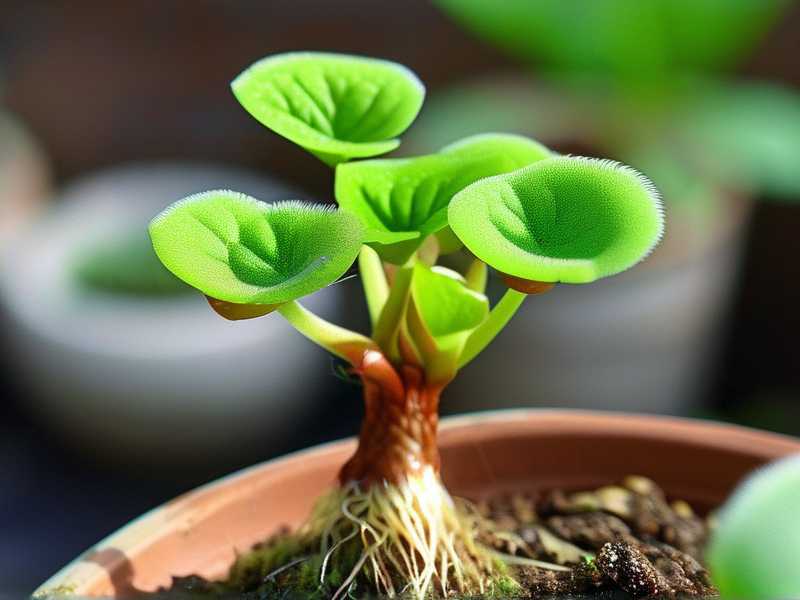
Sundews are not like pothos or snake plants. They are carnivorous bog plants. Their roots are thin, fragile, and built for constant moisture with oxygen. When you give them the wrong mix or let them dry out, root growth stops. Sometimes completely.
I have fixed this exact problem many times now. It takes about two weeks to see real root nubs if you get it right. Here is what actually works.
Start With the Crown, Not the Roots
Before you do anything, look at the crown. That is the center where new leaves come from. If it is green or reddish and firm, you have a chance. If it is black and mushy, the plant is gone. No root treatment will save it.
I learned this the hard way with a Drosera capensis I bought online. It arrived with no roots at all. The crown was still green, so I tried to save it. That plant is alive today. But I have also tried to save sundews with rotten crowns. Total waste of two months.
So step one is honest assessment. Green crown equals hope. Brown crown equals compost.
The Real Reason Sundews Stop Growing Roots
Most people think root problems are about fertilizer or disease. For sundews, it is almost always one of three things. And they all trace back to the same root cause: the plant is stressed and shut down.
The number one killer is overwatering without drainage. I know that sounds backwards for a bog plant. But here is the thing. Sundews want wet, oxygenated soil. They do not want stagnant, sour, anaerobic mud. If the medium stays waterlogged with no air, roots rot. If roots rot, no new roots grow.
The second reason is dry medium. If you let the soil dry out even once, fine roots desiccate. They die. The plant then has nothing to absorb water with. It stops growing entirely.
The third reason is mineral burn. Tap water, fertilized soil, or hard water deposits can burn those delicate roots. Once burned, they will not regrow until you flush everything out.
I have seen all three. The dry medium one caught me off guard because I thought I was keeping it moist. I was not.
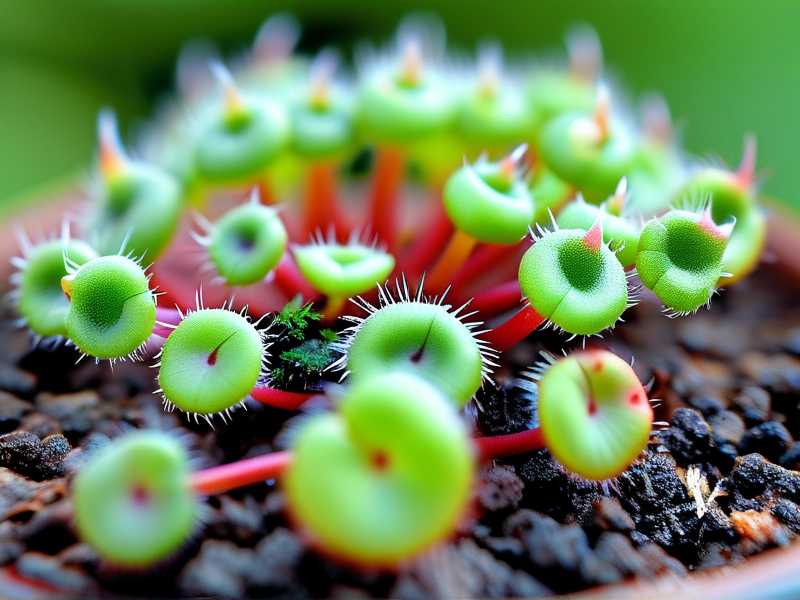
My Two-Week Reset Method for Rootless Sundews
This is the exact process I use now. I have done it on Drosera capensis, Drosera spatulata, and Drosera binata. It works on healthy crowns. It will not work on rotten ones.
Day 1: Pull It and Clean It
Unpot the sundew gently. Rinse the roots under room-temperature distilled water. If there are no roots, just rinse the base. Remove any dead black tissue with clean scissors. Do not cut into healthy white or green tissue.
I use a small spray bottle for this. It is gentler than running water.
Day 1: Mix the Right Medium
The mix matters more than people think. I use two parts peat moss to one part perlite. No fertilizer. No Miracle-Gro. No compost. I have tried coco coir and it worked okay, but peat is more reliable for me.
Some growers use long-fiber sphagnum moss. That works too, especially for finicky species. I keep it simple with peat and perlite.
Day 1: Use a Small Pot, Not a Big One
This is the mistake I made for years. I put tiny sundews in big pots because I thought they had room to grow. Wrong. A big pot holds too much water. The medium stays wet for too long. Roots suffocate.
Now I use a pot that is only slightly wider than the plant. A 2-inch pot for a small sundew. A 3-inch pot for a medium one. Terracotta is okay if you line it, but plastic is easier to manage.
Day 1: Water From the Bottom, Never the Top
Set the pot in a tray with distilled water or rainwater. Let it wick up. The water level should be about half an inch. Do not pour water over the crown. That causes rot.
I made this mistake constantly at first. Top watering compacts the medium and buries the crown. Bottom watering keeps the surface breathable.
Day 1: Give It Bright, Indirect Light
Sundews need a lot of light. But rootless plants cannot handle full sun right away. I put mine under a grow light about eight inches away. Or on a bright windowsill with a sheer curtain.
If the leaves turn red, that is good. If they turn brown and crispy, the light is too strong. Move it back.
Day 1 to Day 3: Leave It Alone
This is the hardest part. Do not repot again. Do not poke it. Do not add fertilizer. Just keep the tray filled.
I used to check my plants every few hours. That does nothing. It only stresses the plant more.
Day 4 to Day 7: Look for Dew
New root growth often shows up as new dew on the leaves first. If the leaves start producing sticky droplets, the plant is recovering. That is a good sign.
I have seen dew return on day five. I have also seen it take ten days. It depends on how stressed the plant was.
Day 8 to Day 14: Check for Root Nubs
After a week, gently lift the plant out of the medium. You should see tiny white nubs at the base. They look like little bumps. That is new root growth.
If you see them, put it back carefully. Do not disturb them. They are fragile.
If you do not see them by day fourteen, the crown may be too far gone. I usually give it one more week before giving up.
The Three Mistakes That Kill Root Growth Every Time
I have made all three. I still see people making them. Here is what to avoid.
Mistake One: Overwatering Without Oxygen
This is the big one. 90% of indoor plants die from overwatering. Sundews are not immune. In fact, they are more sensitive because their roots are so thin.
The fix is simple. Use a tray, not a saucer. Empty the tray if it stays full for more than two days. Let the medium breathe.
I killed a beautiful Drosera admirabilis this way. The tray was always full. The medium was always soggy. The roots rotted in ten days.
Mistake Two: Wrong Light
Sundews need strong light. But rootless plants cannot handle intense sun. I have burned newly repotted sundews by putting them outside too soon.
The fix is to acclimate slowly. Start with indirect light. Move to stronger light over two weeks. Watch the leaves for color changes.
Mistake Three: Wrong Pot Size and Material
Big pots hold too much water. Unglazed terracotta dries out too fast. Both are bad for rootless sundews.
The fix is a small plastic pot. It holds moisture evenly. It does not dry out too fast. It does not stay waterlogged if you use the right medium.
What the Experts Say
The Royal Horticultural Society (RHS) notes that carnivorous plants like sundews need consistent moisture but also good aeration. That matches what I have seen. The American Horticultural Society (AHS) also recommends distilled water and low-nutrient media for these plants. I follow both guidelines and they work.
I am not a scientist. I am just someone who has killed a lot of sundews and learned from it.
Frequently Asked Questions
Can a sundew with no roots grow new ones?
Yes, if the crown is healthy. I have regrown roots on rootless sundews in about two weeks using the method above. The key is keeping the crown alive while the roots form.
Should I use fertilizer to encourage root growth?
No. Never fertilize a rootless sundew. Fertilizer burns the delicate new roots. Sundews get nutrients from insects, not from the soil. I have made this mistake. It killed the plant in three days.
How long before I know if it worked?
Give it two weeks. If you see new dew or tiny white root nubs, it is working. If the crown turns black, it is not. Be patient. Sundews are slow, but they are tough when conditions are right.
I still lose sundews sometimes. It happens. But I lose a lot fewer now that I understand what they actually need. If your sundew has no root growth at all, do not panic. Check the crown. Reset the medium. Water from the bottom. Give it light and time. That is the whole secret.