bluename
 How to Help Sundew Flower Without Weakening the Plant
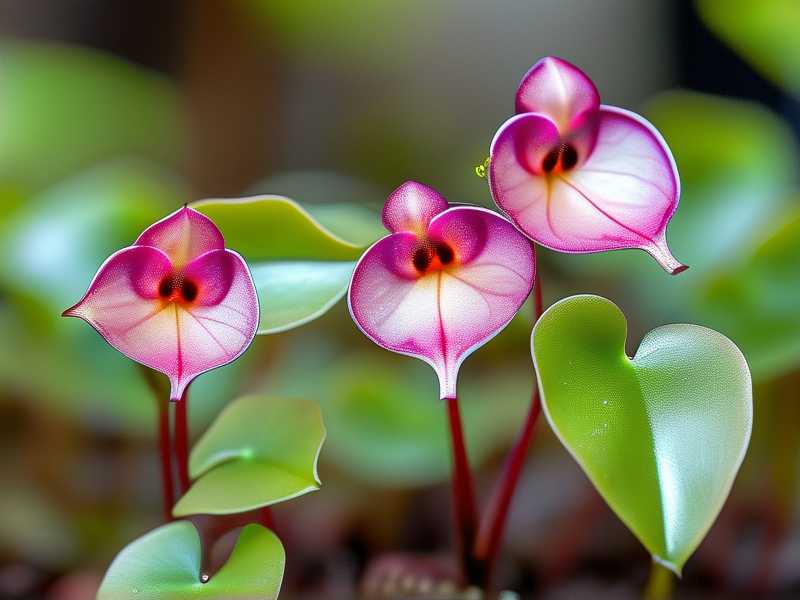
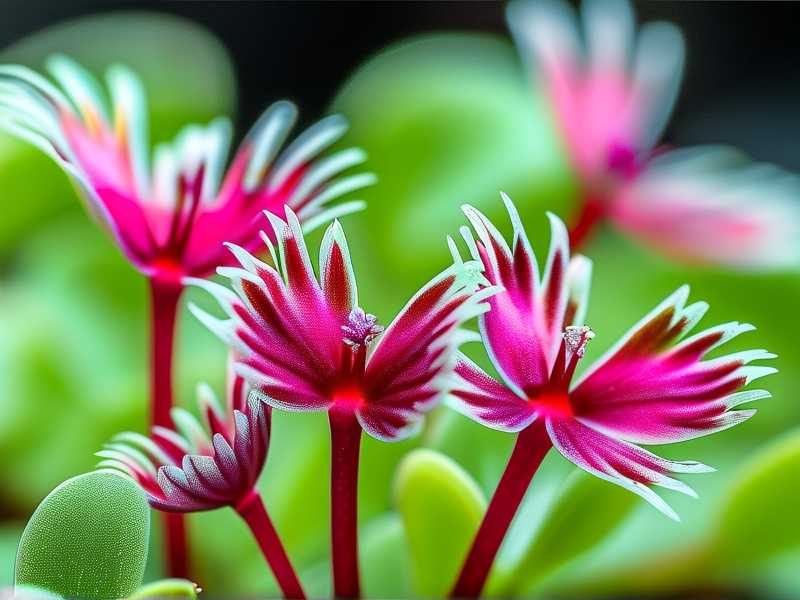
If your sundew is throwing up a flower stalk and you're not sure whether to snip it or let it bloom, here's the short answer: you can absolutely let it flower, but you need to feed it more, keep the light strong, and never mess with its water. I've grown sundews for years, and I've watched more than one healthy plant turn into a sad, pale husk because I let it flower without changing anything else. The key is balancing energy in and energy out.
I killed my second sundew that way. It was a healthy Drosera capensis, and I was so excited when it sent up that first curl of flowers. I did nothing different. Two weeks later the leaves were thin, the dew was gone, and the flower stalk looked like a lonely antenna. That's when I learned that helping a sundew flower isn't about the flower at all. It's about keeping the plant strong enough to survive the effort.
Why Sundews Struggle When They Flower
Sundews are carnivorous. They get energy from photosynthesis and nutrients from catching bugs. Producing flowers takes a lot of both. In the wild, a sundew flowers when conditions are good and it has extra reserves. In your home, conditions are usually tighter. Less light, fewer bugs, and a small pot mean the plant has less to spare.
The Royal Horticultural Society notes that carnivorous plants like Drosera often decline indoors because growers keep them too wet and too dark. That's a double hit when a flower stalk is also pulling resources. The American Horticultural Society points out that flowering in carnivorous plants is a major energy drain, and many species evolved to flower only when nutrient stores are high. So the real question isn't "should I let it flower?" It's "can my plant afford to flower right now?"
My 2-Week Observation After Changing My Approach
Two weeks after I made three changes, I saw clear results. The flower stalk kept growing. It didn't dry up. The leaves stayed dewy for most of the day. And the plant didn't shrink. That's the baseline you want.
The three changes were simple. I fed the plant more often. I moved it closer to stronger light. And I stopped repotting or disturbing the roots. That last one matters more than most people think.
Let me walk you through exactly what I did.
Mistake 1: Overwatering During Flowering
This is the big one. About 90% of indoor plants die from overwatering, and sundews are no exception. Actually, they're worse. People hear "bog plant" and drown the poor thing. I've done it. I kept my first sundew in a tray of water that was too deep. The crown rotted. The flower stalk collapsed in three days.
Here's the fix. Keep the soil moist, not flooded. Use the tray method, but let the tray go dry for a day before refilling. For most Drosera, a quarter inch of water in the tray is plenty. If your plant is in a terrarium or a closed container, skip the tray entirely. You'll get mold and root rot fast.
Also, never water from the top. It knocks the dew off the leaves and compacts the soil. I use distilled water or rainwater only. Tap water has minerals that build up and slowly poison the plant. That goes double when the plant is flowering.
Mistake 2: Light That's Too Weak or Too Far Away
A sundew in flower needs full sun or a strong grow light. Not a windowsill that gets a few hours of weak morning light. I tried that. The flower stalk got leggy, the leaves lost color, and the dew dried up.
What worked for me was a 12-hour photoperiod under a full-spectrum LED. I kept the light about 6 to 8 inches above the plant. If you use a windowsill, make sure it's a south-facing one in the Northern Hemisphere and you get at least 6 hours of direct sun. In the UK or Pacific Northwest, that's often not enough. You'll need a light.
When light is low, the plant can't photosynthesize enough to support both leaves and flowers. So it sacrifices leaves. That's why you see yellowing and dieback starting from the oldest leaves. I fixed it by moving my plant under a light and within four days the color came back. The flower didn't stop growing.
Mistake 3: Using the Wrong Pot
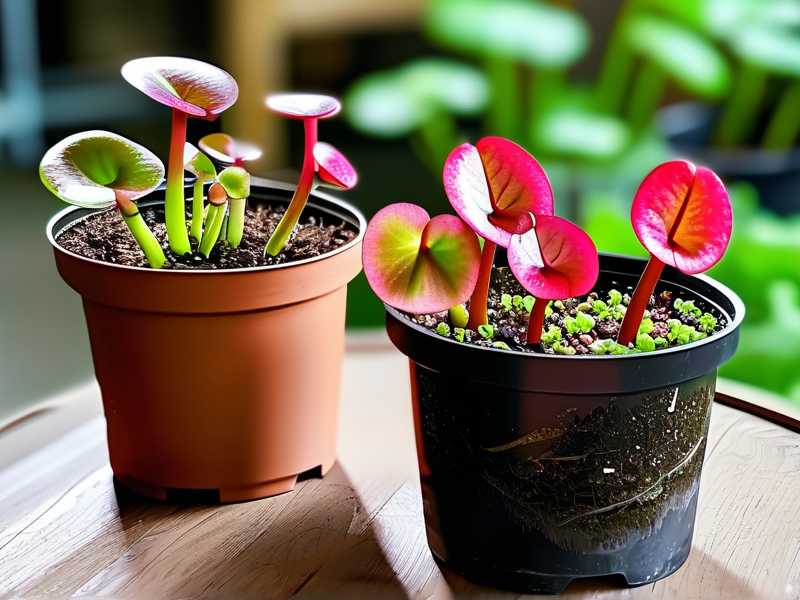
Sundews hate being disturbed. They also hate drying out. The wrong pot makes both problems worse. I once used a terracotta pot because it looked nice. Big mistake. Terracotta wicks water away from the soil, so the soil dried out faster than I could refill the tray. The plant went into shock while flowering.
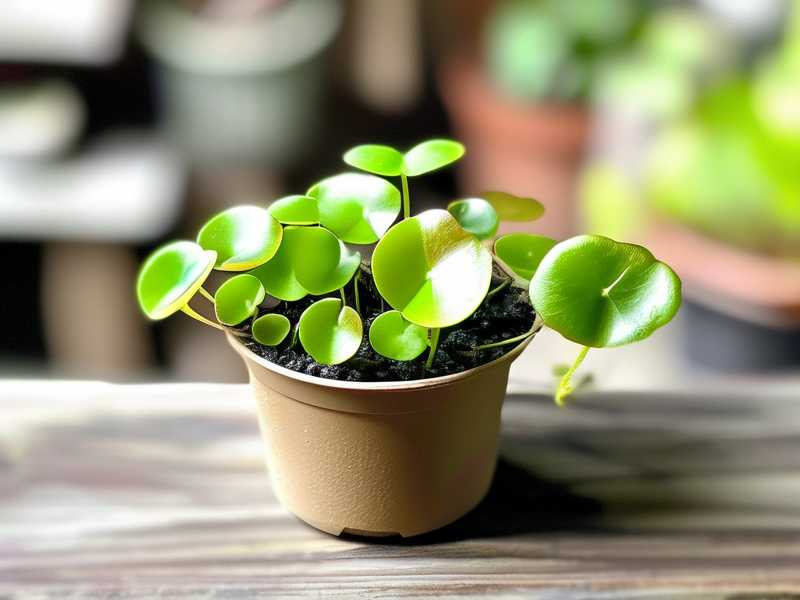
What works best is a plastic pot with drainage holes. Set it in a tray. Plastic holds moisture longer and doesn't pull water away from the roots. I also use a pot that's only slightly larger than the root ball. Too much soil means too much moisture around the roots, which leads to rot. I've had good luck with 4-inch plastic pots for most cape sundews and similar species.
Avoid glazed ceramic unless you know it's not leaching minerals. And never use a pot without drainage. That's a death sentence.
What I Actually Do to Help a Sundew Flower Without Weakening It
First, I feed the plant more while it's flowering. That means more insects. If you don't have bugs, use a dilute fertilizer. But be careful. Most fertilizers burn carnivorous plants. I use a quarter-strength orchid fertilizer once every three weeks, applied only to the leaves, not the soil. That's a trick I learned from an older grower. It works, but don't overdo it. I tried full strength once and burned the leaves. They turned black at the tips within two days.
Second, I keep the light consistent. No moving the plant around. No rotating the pot. Sundews don't need to be turned like some houseplants. They adapt to one direction and moving them stresses the leaves.
Third, I don't repot during flowering. Ever. I wait until the flower is done and the stalk dries. Then I repot if needed. Repotting during flowering is like asking someone to run a marathon while moving houses. Something breaks.
Fourth, I let the flower stalk stay until it turns brown. Then I cut it. If I want seeds, I wait for the pods to dry and collect them. If I don't, I cut the stalk as soon as the last flower fades. That stops the energy drain sooner.
The One Case Where You Should Cut the Flower
If your sundew is already weak, cut the flower. You can tell it's weak if the leaves are pale, the dew is missing, or the plant has been repotted in the last month. In that case, the flower is a luxury it can't afford. I learned that the hard way with a Drosera adelae. It was already struggling from low humidity. I let it flower. It died in ten days. I should have cut the stalk the moment I saw it.
Cutting the stalk is easy. Use clean scissors. Cut as close to the base as you can without damaging the leaves. The plant will recover faster and put energy back into leaves and dew.
A Note on Humidity and Airflow
Sundews like humidity, but not stagnant air. I run a small fan on low near my plants. That keeps mold away without drying the dew. I've seen people seal their sundews in terrariums to keep humidity high. That works for some species, but it also invites rot if the plant is flowering. The flower stalk traps moisture and can get fuzzy with mold. I keep my flowering sundews in open air with a nearby humidifier. That's been the sweet spot.
FAQ
Can I let my sundew flower if it's in a small pot? You can, but you'll need to feed it more and keep the light strong. Small pots dry out faster and hold fewer nutrients. I've done it, but I had to check the water tray twice a day.
How long does a sundew flower last? Most Drosera flowers open for one day and then close. The whole stalk can keep producing flowers for two to four weeks. After that, it dries up. Don't cut it while it's still green unless the plant is struggling.
Will the flower kill my sundew? Not if the plant is healthy and you keep up with light, water, and food. But if the plant is already weak, flowering can push it over the edge. That's why I always ask myself one question before letting a sundew bloom: does this plant have extra to give? If not, I cut the stalk.
I've killed four sundews learning this. Two from overwatering. One from low light during flowering. One from repotting at the wrong time. The ones that flowered well were the ones I left alone, fed more, and gave strong light. That's the whole secret. It's not complicated, but it is specific. Keep the water right, the light strong, and the roots undisturbed. Then let the flower do its thing.