bluename
 How to Fix Sundew Leaves Not Producing Dew: A Grower’s 2-Week Rescue Mission
There’s nothing more disheartening for a carnivorous plant enthusiast than looking at a sundew and seeing dry, naked leaves. Where are those glistening, sticky dewdrops that make Drosera so magical? I’ve been there. You bring home a beautiful specimen, and slowly, its sparkle fades. The leaves grow, but they’re bare. It’s a common and frustrating problem, but it’s almost always fixable. Over years of growing, I’ve learned that non-dewy sundews are crying out for help, signaling that one or more of their core needs aren’t being met. In this guide, I’ll walk you through the exact, step-by-step diagnostic and rescue process I used over a focused two-week period to revive a struggling Drosera capensis, transforming it from a dull plant into a sticky, dew-producing machine.
My journey began with a Cape Sundew that had lost its sparkle after I moved it to a new shelf. This is my real-world account of fixing sundew leaves not producing dew, complete with missteps, corrections, and the final, rewarding outcome.
Understanding the "Why": Why Sundew Dew Disappears
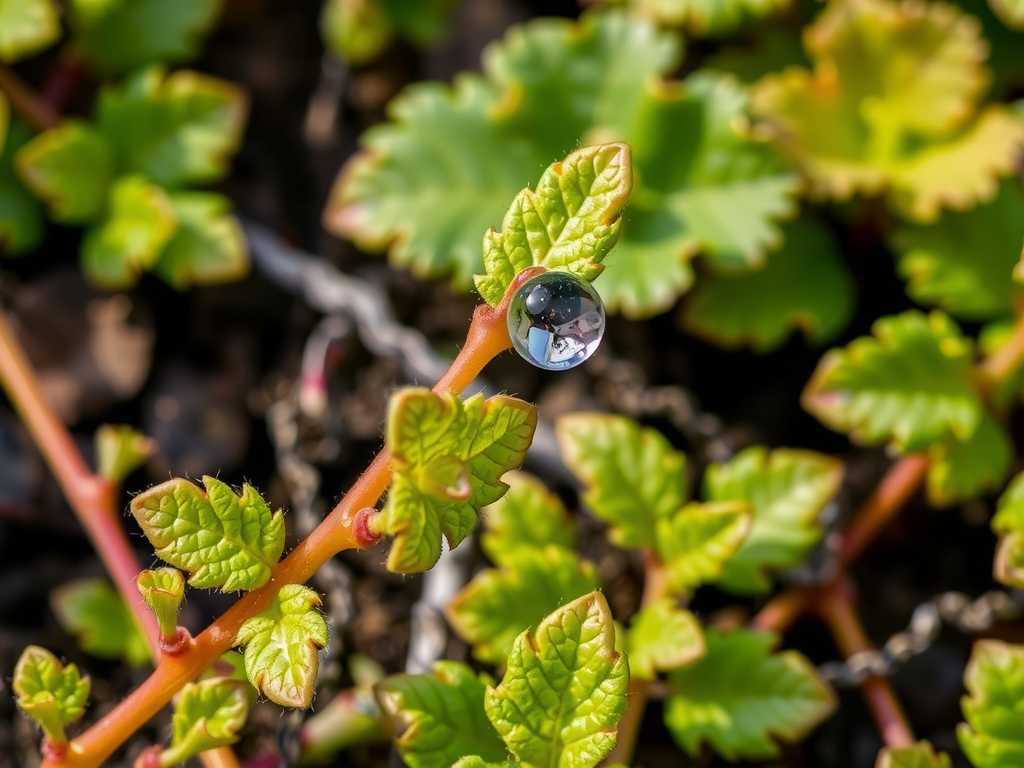
Before applying fixes, you must understand what that sticky dew actually is. It’s not just water. It’s a complex mucilage secreted by specialized tentacle glands. Its production is energy-intensive for the plant. According to research cited by the Carnivorous Plant Society, dew production is directly tied to photosynthetic efficiency and overall metabolic health. When a sundew is stressed, conserving resources, it will stop producing dew long before it stops growing leaves. The International Carnivorous Plant Society (ICPS) emphasizes that light is the primary driver of this process, but it’s not the only factor.
The main culprits are usually a combination of the following: insufficient light, low humidity, poor water quality, incorrect soil, or pest stress. My mission was to systematically address each one.
My 2-Week Dew Revival Protocol
I committed to a strict, observant two-week regimen. Changes were made methodically, and I documented the plant’s response daily with notes and photos.
Week 1: The Foundation Reset
Day 1-3: The Lighting Overhaul My plant was under a weak LED grow light meant for low-light houseplants—my first big mistake. Sundews are sun worshippers. The Royal Horticultural Society (RHS) advises that most Drosera require several hours of direct sunlight or its equivalent for robust health. I moved the plant to a south-facing windowsill where it could get over 6 hours of direct sun. As a backup for cloudy days, I installed a stronger, full-spectrum LED panel (with a PPFD of at least 200 µmol/m²/s at the plant’s level) and set it on a 14-hour timer.
The First Observation: Within 48 hours, I noticed a slight reddening in the new leaf growth—a good sign of adequate light exposure! But still, no dew.
Day 4-5: Water and Humidity Check I was using tap water—a cardinal sin. Dissolved minerals (hard water) can build up in the soil and burn the delicate roots, preventing nutrient and water uptake. The ICPS states that water with Total Dissolved Solids (TDS) over 50 ppm is risky; under 20 ppm is ideal. I switched immediately to distilled water. I also placed the pot on a wide humidity tray filled with pebbles and water. While my D. capensis is tolerant of moderate humidity, boosting it creates a less stressful microclimate, especially while it recovers.
Day 6-7: Soil and Pot Inspection I unpotted the plant gently. The soil (a pre-mixed peat/perlite blend) smelled slightly sour, indicating possible anaerobic conditions. While not severely decayed, it was compacted. I mixed a fresh batch: 1 part sphagnum peat moss (no additives) to 1 part horticultural perlite. I rinsed the roots in distilled water to remove old soil and repotted it in a clean, plastic pot with ample drainage. This ensured optimal aeration and a mineral-free root environment.
Week 2: Observation, Adjustment, and the First Signs of Hope
Day 8-10: The Waiting Game After the foundational fixes, the next step was patience. I maintained consistent tray watering (keeping the soil soggy), the strong light schedule, and refilled the humidity tray. The plant looked stable but the existing leaves remained dry. However, a tiny new leaf at the center was visibly different—it had a faint, sticky sheen.
Day 11-13: The Feeding Trigger A healthy sundew gets nutrients from its prey. My plant was too weak to catch any. To jumpstart its system, I applied a microscopic drop of diluted Maxsea fertilizer (16-16-16, diluted to 1/4 teaspoon per gallon) directly to one or two leaves, as recommended by expert growers on forums like TerraForums. This provides a direct, easy-to-process nutrient boost. I did this only once during the recovery.
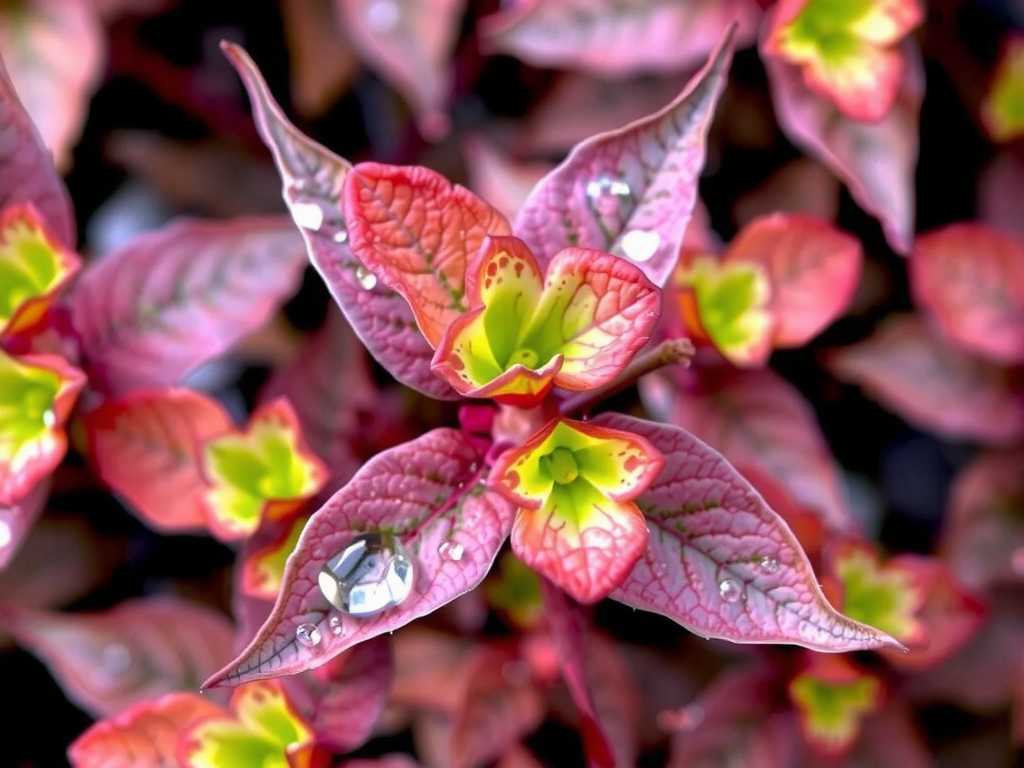
The Breakthrough: On Day 13, the new central leaves were fully covered in perfect, glistening dewdrops! The older leaves remained bare, which is normal—they rarely recover dew once it’s lost. The plant’s energy was now clearly directed to new, healthy growth.
Day 14: Victory and Consolidation The sundew had 5 new dewy leaves actively catching fungus gnats. Its posture was better, and the red tint was pronounced. The protocol was a success. The key was fixing the root causes (light, water, soil) and then giving it time and a minor nutrient boost to recover.
Critical Factors for Sustained Dew Production
- Light is Non-Negotiable: This is the number one factor for sticky sundew leaves. If your sundew isn’t dewy, suspect light first. Provide direct sunlight or powerful artificial light. Leaf color is a tell: green, elongated leaves mean not enough light; red, compact leaves with dew mean perfect light.
- Pure Water Only: Never let mineral water touch your sundew. Use distilled, reverse osmosis (RO), or rainwater exclusively. Bottom-watering via the tray method is best.
- The Right Soil Mix: They require nutrient-free, acidic, and airy media. The standard peat/perlite or long-fiber sphagnum moss mixes are perfect. Never use potting soil or compost.
- Humidity Helps, But Isn’t Everything: While tropical species need high humidity, many common sundews (like D. capensis) adapt. A humidity tray is a great, low-effort support tool, especially in dry homes. Misting is not recommended, as it can wash away precious dew.
- Patience with Old Leaves: An existing, dewless leaf will almost never become sticky again. Focus on the health of the new growth emerging from the center. That’s your true indicator of success.
Troubleshooting Persistent Problems
What if you’ve done all the above and still see no dew? Look deeper.
- Pests: Spider mites and aphids can suck the life from your plant. Inspect under leaves with a magnifying glass. Treat with a diluted insecticidal soap or neem oil application, rinsing carefully afterward.
- Dormancy: Some temperate sundews (D. rotundifolia, D. filiformis) require a cold winter dormancy. If skipped, they emerge weak and may not produce dew well. Ensure your species’ needs are met.
- Chemical Contamination: Did fertilizer from a nearby plant splash on it? Was the pot previously used without a thorough cleaning? Rinse the plant and repot in fresh media if contamination is suspected.
Will misting my sundew help create dew? No, misting is counterproductive. The dew is a secreted mucilage, not condensed water. Misting can actually wash away the precious little dew a struggling plant produces and promote fungal growth on the leaves. Focus on increasing ambient humidity via a tray instead.
How long after fixing the conditions will I see new dew? If the plant is otherwise healthy, you should see new dewy growth within 1-2 weeks, as I did. The speed depends on the species and the severity of the stress. Existing leaves will not regain dew; watch the new growth from the center.
Can I use fertilizer to make my sundew produce dew? Directly, no. Dew production is a function of overall health, not a direct response to fertilizer. However, a severely weakened sundew that cannot catch prey may benefit from an extremely diluted foliar feed (as I used) to provide energy for recovery. This is a tactical rescue step, not a routine care practice. Over-fertilization will kill the plant.
Reviving a dew-less sundew is a lesson in understanding its fundamental, non-negotiable needs. It’s not about quick tricks but about diligently providing the right environment: intense light, pure water, and airy soil. My two-week experiment proved that these plants are remarkably resilient when given what they truly need. Start with light, audit your water, and be patient. Your reward will be a return of that captivating, sticky sparkle—a sure sign of a happy, healthy carnivorous plant.