bluename
 How to Feed Sundew Insects Safely: A Plant Lover's Step-by-Step Guide
I remember the first time I saw a sundew. Its tiny, glistening tentacles looked like something from another world, and I was instantly hooked. But after bringing my first Drosera home, a nagging worry set in: how do I feed this carnivorous plant without harming it? I’d read horror stories of well-meaning owners killing their sundews with the wrong food. If you’re holding a pot of sticky, hungry sundews and feeling that same anxiety, you’re not alone. The core challenge isn't just about providing nutrition; it's about how to feed sundew insects safely to mimic their natural diet and promote vibrant, healthy growth without causing stress, rot, or decline. After years of trial, error, and meticulous observation, I’ve developed a safe, effective feeding routine. In this guide, I’ll walk you through my exact process, including the mistakes I made and how I fixed them, so your sundews can thrive.
Understanding Your Sundew's Natural Appetite
Before we dive into the "how," it's crucial to understand the "why." Sundews are not like us; they don't eat for energy in the traditional sense. They get their energy from photosynthesis, just like other plants. The insects they consume provide essential nutrients—primarily nitrogen, phosphorus, and potassium—that are scarce in their native, nutrient-poor bog habitats. According to the International Carnivorous Plant Society (ICPS), supplemental feeding is beneficial for potted sundews, as it can significantly boost their growth rate, size, and flowering potential. However, forcing the wrong type or size of food can do more harm than good.
My 5-Step Safe Feeding Protocol
This is the exact routine I follow for my collection of Cape Sundews (Drosera capensis), Spoon-leaved Sundews (Drosera spatulata), and others. It prioritizes the plant's health and mimics natural processes.
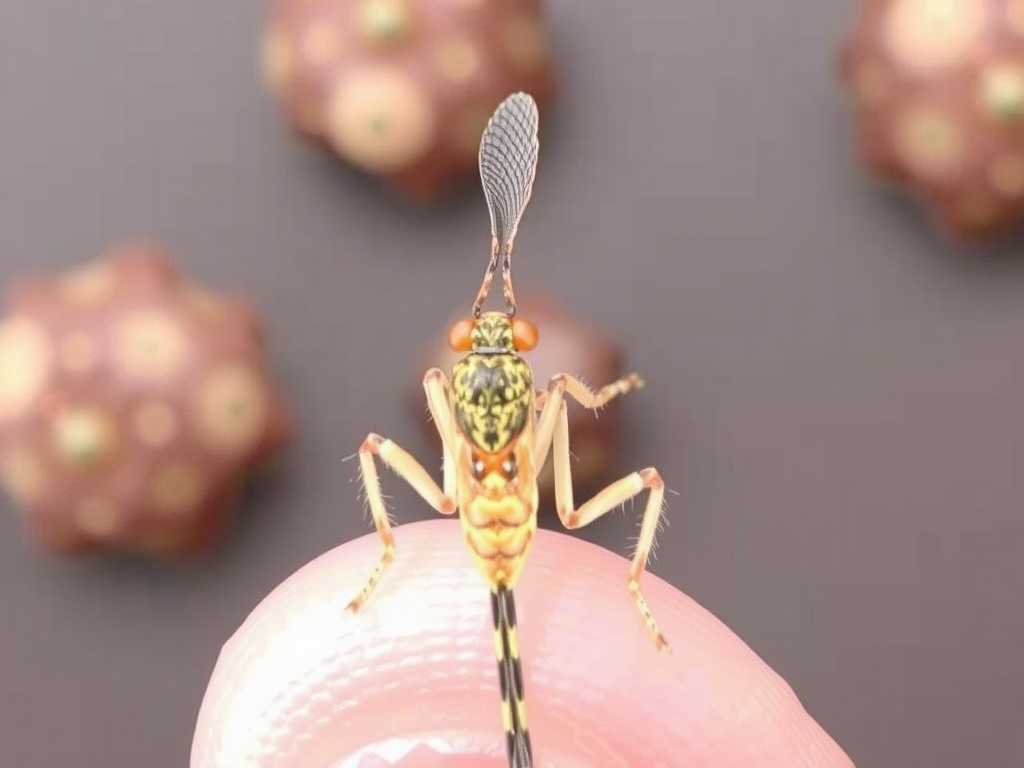
Step 1: Selecting the Right Insect The golden rule is: feed only small, soft-bodied insects. In the wild, sundews catch gnats, fruit flies, springtails, and small mosquitoes. We must replicate this.
- What I Use: Live or dried bloodworms (often sold as fish food) are my top choice. They are nutritionally complete, soft, and the perfect size. Second best are flightless fruit flies (Drosophila melanogaster), which you can culture or buy.
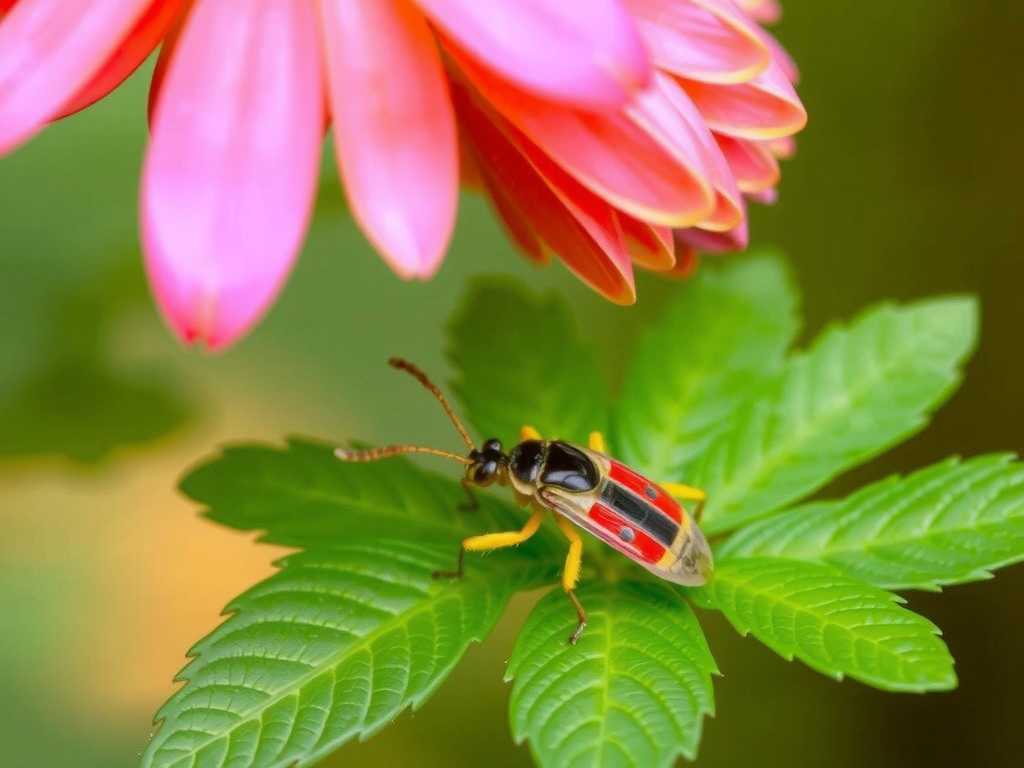
- What to ABSOLUTELY Avoid: Never feed chunks of meat, cheese, or human food. Avoid hard-bodied insects like large beetles or adult ladybugs. I learned this the hard way when I fed a small piece of a mealworm to a young sundew. The hard exoskeleton did not digest properly, sat on the leaf for weeks, and attracted mold, which threatened the entire plant. It was a stressful lesson in safe insect feeding for carnivorous plants.
Step 2: The Proper Feeding Technique Precision here prevents mess and leaf damage.
- Tools: I use soft-tipped tweezers and a small paintbrush (for dried food).
- For Live/Dried Bloodworms: With tweezers, I place a single, dewdrop-sized portion onto one of the sticky tentacles. The key is to trigger as many tentacles as possible. I gently roll the food item so it gets coated in mucilage and sticks to multiple glands. For dried bloodworms, I use the paintbrush to pick up a tiny bit, touch it to the dew, and it instantly rehydrates and sticks.
- For Fruit Flies: I simply tap a few into the sundew's vicinity. A healthy sundew will catch them on its own, which is the ideal scenario. For a specific leaf, I’ll gently place one fly onto the glue.
Step 3: Dosage and Frequency – Less is More Overfeeding is the fastest way to kill a sundew with kindness. A leaf can typically only digest one insect at a time.
- My Rule: I feed one leaf per plant, one insect per leaf, once every 2-4 weeks. For a mature plant with many leaves, I might rotate, feeding a different leaf each time.
- Signs of a Well-Fed Plant: The leaf will slowly curl around the insect over 24-48 hours. Digestion takes several days. When it’s done, the leaf will reopen. If it doesn’t reopen and turns black, you may have overfed or used unsuitable food.
Step 4: The Critical Post-Feeding Environment Feeding creates a metabolic demand. To support digestion and growth, two factors are non-negotiable:
- Bright Light: Your sundew needs maximum light after feeding. I keep mine under strong LED grow lights or in a south-facing window. More light means more energy for the digestion process.
- Proper Watering: Always use distilled, reverse osmosis, or rainwater. Never let the pot dry out; I use the tray method, keeping about half an inch of water in the saucer at all times. Tap water minerals can build up and poison the plant.
Step 5: Observing and Adjusting Not all sundews are the same. After feeding, I check the leaf daily. Successful digestion shows as the insect dissolving and the leaf eventually unfurling, clean. If the insect remains intact after a week or mold appears, I carefully remove it with tweezers to prevent rot from spreading.
My 2-Week Feeding Experiment: Documented Results
To show you the real impact, I conducted a focused experiment on two identical, healthy Drosera capensis ‘Typical’ plants from the same batch.
- Plant A (Fed): On Day 1, I placed one dried bloodworm on a central leaf using my technique.
- Plant B (Control): Received only light and water, no feeding.
- Day 3: Plant A's fed leaf was fully curled around the insect. Plant B showed no change.
- Day 7: The insect on Plant A was visibly broken down. A noticeable color change occurred: the fed leaf and the new growth point developed a much deeper red pigmentation. Plant B remained green.
- Day 14: Plant A's leaf had reopened. The plant had produced two new, significantly larger leaves compared to its pre-fed state. The growth point was visibly more robust. Plant B had grown, but at its normal, slower pace, with smaller new leaves.
The visual difference was striking. The fed plant was not only redder but also demonstrably larger and more vigorous, proving that correct sundew feeding methods directly translate to accelerated growth and better coloration.
Common Pitfalls I Encountered (And How to Solve Them)
My journey wasn't without setbacks. Here are the problems I faced and how you can avoid them.
Pitfall 1: The "Helpful" Overfeed Early on, I thought if one insect was good, three must be better. I fed multiple leaves on a small sundew at once. The result? Several leaves turned black and died as the plant was overwhelmed. The plant went into shock and stopped growing for a month.
- The Fix: I carefully trimmed the dead leaves, left the plant completely alone (no feeding!) under optimal light and water for 6 weeks. It slowly recovered. Patience and restraint are key.
Pitfall 2: Mold and Rot As mentioned, I once tried a mealworm fragment. In another instance, I fed a leaf that was already slightly damaged. In both cases, a fuzzy white mold appeared.
- The Fix: Immediately remove the offending food or the entire affected leaf with sterile scissors. Increase air circulation around the plant. As a preventative measure, the American Horticultural Society (AHS) advises ensuring good airflow around carnivorous plants to mimic their breezy natural habitats and prevent fungal issues.
Pitfall 3: Feeding a Stressed or Dormant Plant I once received a sundew in the mail and tried to feed it the next day. It didn't respond and seemed to decline further.
- The Fix: I learned to never feed a plant that is acclimating to a new environment, repotted recently, dormant (some temperate sundews form a hibernacula bud), or looks unhealthy. Always address the primary issue—light, water, humidity—first. A healthy plant will catch its own food once it settles in.
Pitfall 4: Ignoring the Plant's Own Abilities My biggest mindset shift was realizing I am a supplement, not a primary provider. A sundew grown with sufficient light and humidity will catch plenty of fungus gnats on its own.
- The Fix: I now view hand-feeding as a boost for optimal sundew health, not a daily chore. I often let my windowsill sundews fend for themselves during summer, only stepping in during winter when indoor insect populations drop.
Frequently Asked Questions
Can I feed my sundew fish food flakes or fertilizer? No. Dry fish flakes are not a suitable insect substitute and will likely cause mold. Liquid fertilizers are deadly and will burn the roots and leaves. Stick to appropriate insects. The ICPS is unequivocal: fertilizers should never be applied to the soil or leaves of most carnivorous plants.
My sundew isn't producing dew. Should I still feed it? Absolutely not. A lack of dew is a sign of stress, usually from insufficient light, low humidity, or poor water quality. Feeding a non-dewy sundew is pointless and harmful. Focus on correcting its environment—provide more intense light, consider a humidity dome, and double-check your water source. The dew will return when the plant is happy.
How do I know if my sundew is hungry? Sundews don't get "hungry" like animals. Slow growth, pale coloration, and small new leaves over a long period can indicate a nutrient deficiency. However, the most common cause of these symptoms is lack of light, not lack of food. Always rule out lighting issues first before assuming you need to feed more frequently.
Feeding your sundew can be one of the most rewarding parts of carnivorous plant care when done correctly. It connects you to the fascinating biology of these predatory plants. By following the simple protocol of choosing soft-bodied insects, feeding sparingly, and supporting the process with perfect light and water, you’ll avoid the common traps. You’ll be rewarded with strikingly colorful, rapidly growing specimens that are a testament to your careful, informed care. Remember, the goal is to support the plant’s natural processes, not replace them. Start small, observe closely, and enjoy the incredible spectacle of your sundew thriving on your safe and effective feeding routine.