bluename
 How to Water Sundew Properly Without Overwatering: A Grower's 2-Week Experiment
I’ve killed my fair share of sundews. It’s a heartbreaking confession for any carnivorous plant enthusiast. More often than not, the culprit wasn't neglect—it was love, manifested as a heavy-handed watering can. The delicate balance between keeping these moisture-loving plants happy and drowning their roots is the single biggest challenge for beginners. If you've ever seen a once-glistening Drosera transform into a soggy, blackened mess, you know the pain. This guide isn't just theory; it's the documented result of my own two-week mission to master the art of watering sundews, born from my failures and finally, my successes.
My goal was simple: establish a foolproof watering routine that sustains robust growth and prolific dew production without a hint of root rot. I focused on two common but finicky species: the classic Cape sundew (Drosera capensis) and the delicate, temperate Drosera spatulata. For two weeks, I became a full-time sundew hydrologist.
Understanding the Sundew's Paradox: They Love Water But Hate Wet Feet
Before we dive into my methods, we must understand the "why." Sundews thrive in nutrient-poor bogs and seepages. Their roots are adapted to constant moisture but also to exceptional oxygenation. According to the International Carnivorous Plant Society (ICPS), the key is mimicking the hydrology of their natural habitat—permanently damp, yet water is constantly moving, preventing stagnation. This is the core principle. Overwatering isn't about too much water per se; it's about water that sits and suffocates the roots, creating an anaerobic environment where harmful bacteria and fungi thrive.
The Two Pillars of Perfect Sundew Watering: The Tray Method and Water Quality
My experiment revolved around two non-negotiable pillars. Ignoring either is a fast track to failure.
Pillar 1: The Saucer or Tray Method (The Bottom-Watering Technique) This is the gold standard, endorsed by experts from the Carnivorous Plant Society and countless veteran growers. Instead of watering from the top, you place the pot in a permanent saucer or tray filled with water.
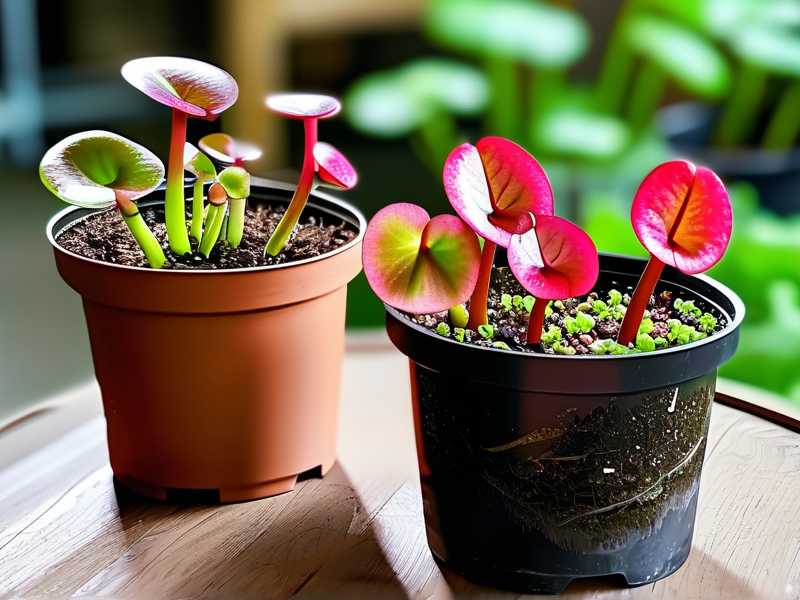
- My Setup: I used plastic pots with ample drainage holes, sitting in simple plastic saucers. The pot was filled with a 50/50 mix of sphagnum peat moss and perlite—no soil, no fertilizers.
- The Process: I filled the saucer with about 0.5 to 1 inch of water. I allowed the saucer to go almost completely dry before refilling it. This creates a cycle: the medium wicks up moisture, the water level drops, air is pulled back into the lower part of the pot, and then I replenish. This mimics the constant, gentle seepage of a bog.
Pillar 2: Water Purity is Non-Negotiable Sundews are adapted to mineral-free water. Tap water, with its dissolved salts and minerals, will quickly build up in the medium, burn the sensitive roots, and kill the plant.
- My Water Sources: I tested three sources: distilled water (from the grocery store), reverse osmosis (RO) water, and collected rainwater. All are excellent. I strictly avoided tap water, even if it was left to sit out. A TDS (Total Dissolved Solids) meter confirmed my tap water was over 200 ppm, while my distilled and rainwater measured under 10 ppm—safe for my carnivorous plants.
My 14-Day Observation Log: From Anxiety to Confidence
Days 1-3: Establishment Phase I started with both sundews in slightly dry media. I placed them in their saucers and added 1 inch of distilled water. Within hours, I could see the moisture wicking up, darkening the light-colored peat mix. The existing dew on the Drosera spatulata seemed to glisten a bit more. No dramatic changes yet, but both plants looked hydrated.
Days 4-7: The First Critical Check – Avoiding Sogginess This is where I’ve failed before. The temptation is to keep the saucer brimming full. This time, I resisted. On day 5, the saucer for the Cape sundew was nearly dry. The surface of the medium felt cool and damp to the touch, not soggy. I added just enough water to bring the saucer back to 0.5 inches. The spatulata, in a smaller pot, dried out faster and got a small top-up on day 4. I noted vigorous new, sticky tentacle growth on both plants.
Days 8-10: A Deliberate Stress Test (The "Dry-Down" Period) To understand their limits, I let both saucers go completely dry for about 36 hours. The surface of the medium became slightly paler and felt just moist. The plants showed no signs of wilting or dew loss. This was a revelation! It proved that constant saturation isn't needed. After this period, I refilled the saucers. The response within 24 hours was incredible: a surge of new, dewy growth. This wet-dry cycle, kept within a narrow band, clearly stimulated the plants.
Days 11-14: Stability and Celebration By the second week, a rhythm was established. The Cape sundew needed a saucer refill every 4-5 days, the spatulata every 3 days. Both were producing constant new leaves, each covered in glistening, sticky mucilage that successfully trapped tiny gnats. The root zones, when I gently tipped a plant out, showed healthy white root tips with no signs of the brown, mushy decay I’d seen in my overwatered past.
The Pitfalls I Encountered (And How You Can Avoid Them)
My journey wasn't flawless. Here’s where I stumbled and how I corrected course:
- The "Top-Watering" Temptation: Early on, I saw a bit of algae on the peat surface and panicked, giving the plant a light top-watering to "rinse" it. This compacted the medium surface. Solution: I left it alone. Algae is harmless and a sign of moisture and light. Top-watering disrupts the even moisture wicking and can leave the crown (the plant's center) too wet, inviting rot. I stuck strictly to the tray method.
- Ignoring Pot Material: I initially had one plant in a glazed ceramic pot with a single drainage hole. It stayed waterlogged for days. Solution: I immediately repotted into a tall plastic pot with multiple drainage holes. Plastic or net pots are ideal as they don't wick moisture away like terracotta and provide better aeration.
- Misreading "Dry": At first, I thought "dry saucer" meant bone-dry medium. This is too far. Solution: I learned to use the "finger test" or "lift test." If the saucer is dry but the pot still feels heavy and the top ¼ inch of medium is cool/damp, you can wait another 12-24 hours. If the pot feels light and the surface is starting to dry, refill.
Advanced Tips for Specific Sundew Types
While the tray method is universal, some tweaks apply:
- For Temperate Sundews (like D. rotundifolia): They often appreciate a slightly more consistent water level, especially during active growth, but still never sitting in a deep, stagnant pool.
- For Tropical Species (like D. adelae): They are more forgiving of higher humidity and consistent moisture but follow the same core rules.
- During Dormancy: Some sundews form a winter bud (hibernaculum). For these, you must significantly reduce water, keeping the medium just barely moist, not wet, to prevent rot.
FAQ: Your Top Watering Questions, Answered
Can I use tap water if I boil it or let it sit out? No. Boiling kills bacteria but concentrates the dissolved minerals. Letting it sit out only removes chlorine, not minerals like calcium and magnesium. These will accumulate and harm your plant. Distilled, RO, or rainwater are the only safe choices.
How deep should the water be in the tray? A general rule is 0.5 to 1.5 inches, depending on pot size and climate. Start with 0.5 inches. The goal is for the water to last 3-5 days before needing a refill. If it evaporates in a day, your environment is very dry, and you can use a slightly deeper tray.
My sundew's leaves are turning black and dying. Is this overwatering? Not necessarily. Individual older leaves naturally die back. Consistent overwatering causes widespread blackening, often starting at the crown or base, accompanied by a soggy, rotten texture and foul smell. If new growth is healthy and dewy, old leaf die-off is normal. If the whole plant is declining and mushy, root rot from overwatering is the likely cause.
Mastering sundew hydration is about embracing the paradox: provide constant access to water while ensuring the roots can breathe. It’s a dance between wet and damp, not wet and dry. By committing to the tray method with pure water, observing your plant’s rhythm, and resisting the urge to over-love with a watering can, you’ll be rewarded with a spectacular, dewy carnivore that thrives for years. My two-week experiment transformed my approach from one of worry to one of quiet confidence. Watch your plant, trust the method, and let those glistening droplets be your guide.