bluename
 How to Care for Sundew in a Greenhouse: Mastering Temperature Control for Lush, Sticky Traps
If you're like me, a plant enthusiast who fell in love with the otherworldly beauty of sundews, you probably thought a greenhouse was the ultimate paradise for these carnivorous wonders. I certainly did. I imagined my Drosera basking in perfect, year-round warmth, their dewy tentacles glistening endlessly. The reality, I quickly learned, was a delicate dance with disaster. My initial assumption that "greenhouse equals consistently ideal heat" nearly cost me my entire collection. The leaves turned brown, the dew dried up, and growth stalled. The core problem wasn't neglect—it was my misunderstanding of greenhouse temperature control for sundews. These plants don't just want warmth; they demand a specific, often counterintuitive, thermal rhythm that mimics their natural habitats. After significant trial, error, and meticulous adjustment over a critical two-week observation period, I've dialed in a system that works. Let me guide you through the precise steps, the pitfalls I encountered, and the solutions that brought my sundews back to vibrant, sticky life.
Understanding Sundew Temperature Needs: It's Not Just a Number
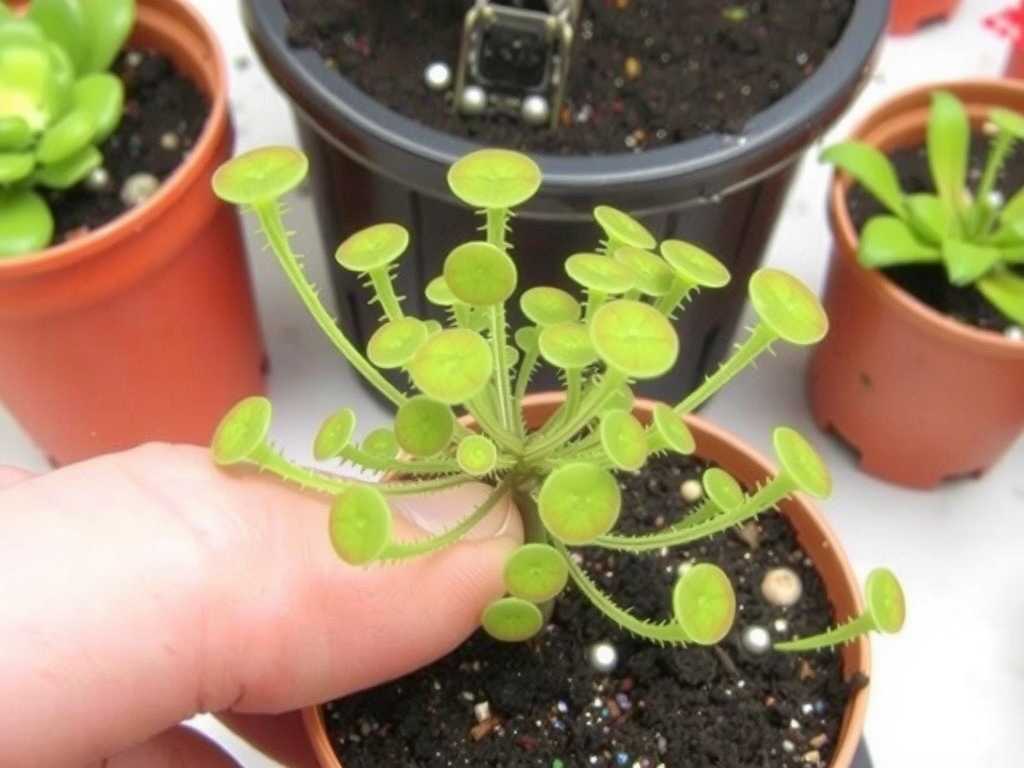
Before we touch a thermostat, we must grasp what we're aiming for. Sundews (Drosera) hail from diverse environments—from subtropical Australian coasts to temperate South African plains. However, most commonly cultivated species thrive within a specific range with crucial daily variations.
- The Daytime Sweet Spot: For robust growth and dew production, most temperate and tropical sundews prefer daytime temperatures between 70°F and 85°F (21°C - 29°C). This range facilitates photosynthesis and metabolic activity.
- The Critical Nighttime Drop: This is the non-negotiable secret. A nighttime temperature drop of 10-15°F (5-8°C) is essential. This mimics natural conditions, reduces plant stress, and is crucial for many species to trigger dew formation and proper physiological function. As noted in resources from the International Carnivorous Plant Society (ICPS), this diurnal fluctuation is a key factor often overlooked by beginners.
- Species-Specific Nuances: Temperate species like Drosera filiformis or D. rotundifolia require a cold winter dormancy period near freezing (32-40°F / 0-4°C), while tropicals like D. capensis tolerate warmer nights but still appreciate a cool-down.
My Two-Week Greenhouse Temperature Control Experiment
Armed with theory, I transformed my greenhouse into a living lab. My goal was to stabilize conditions for a mixed collection (featuring D. capensis, D. aliciae, and a young D. binata) using a repeatable, automated system.
Step 1: Auditing and Baseline Setup First, I stopped guessing. I installed three digital hygrometer-thermometers: one at bench level (plant height), one near the roof (where heat pools), and one in a shaded corner. The initial readings were an eye-opener. On a sunny spring day, the bench hit 92°F (33°C) while the shaded corner was 75°F (24°C). At night, with the heater set to a constant 65°F (18°C), the roof area plummeted to 55°F (13°C) due to poor insulation. My environment was a patchwork of microclimates, not a uniform zone.
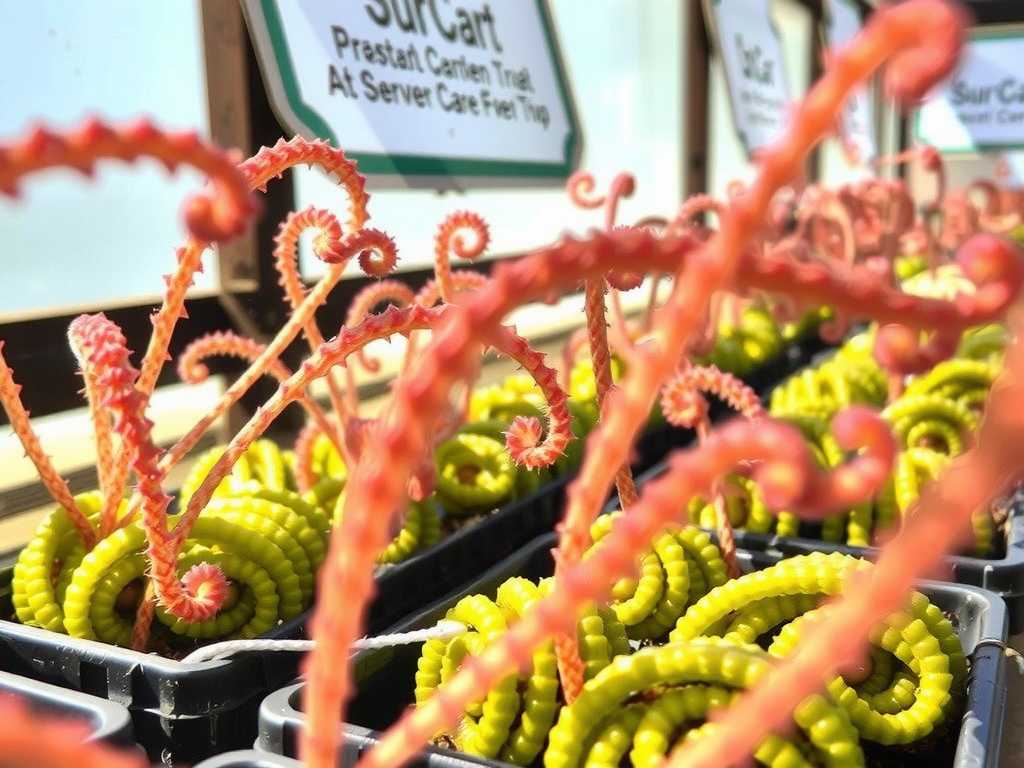
Step 2: Implementing the Control System I invested in a two-stage environmental controller. This became the brain of my operation.
- Stage 1 (Cooling): I connected an exhaust fan to one channel. It was programmed to turn on when the temperature at plant height exceeded 80°F (27°C).
- Stage 2 (Heating): A small, fan-forced greenhouse heater was connected to the second channel. It was set to activate only when the temperature dropped below 60°F (15.5°C) at night.
- Critical Addition: I added a small, oscillating fan on a low, continuous setting to promote air circulation. Stagnant air in a humid greenhouse is a recipe for fungal issues, as emphasized in many horticultural best practices guides. This simple step prevented mold without stripping away humidity.
Step 3: The Two-Week Observation and Adjustment Period This was where the real learning happened.
- Days 1-3: The system was running, but my sundews still looked sad. The exhaust fan was kicking on too late, allowing brief spikes to 85°F+ before reacting. I adjusted the cooling trigger down to 78°F (25.5°C). The heater also cycled on and off too frequently at night, creating uneven temperatures. I moved the sensor for the heater away from direct drafts and added a thermal mass—jugs of water on the benches—to absorb and slowly release heat, stabilizing the curve.
- Days 4-10: Stability began. The daytime max held steady at 78-82°F (26-28°C), and the nighttime low gracefully descended to 62-65°F (17-18°C). I observed the first signs of recovery: new, tiny leaves emerging from the centers of my D. aliciae with visible, minuscule dew droplets. The D. capensis, which had stopped producing mucilage, started showing sticky tips on its newest tentacles.
- Days 11-14: The transformation was undeniable. All plants were pushing out vibrant new growth covered in thick, sparkling dew. The optimal greenhouse climate for Drosera was no longer a concept but a visible reality. The sticky traps became effective again, autonomously catching gnats and fruit flies. The contrast from two weeks prior was staggering.
Common Pitfalls and How I Solved Them
- The "Set-and-Forget" Heater Trap: My biggest mistake was using a simple thermostat heater set to a constant "safe" temperature. It prevented freezing but eliminated the vital nighttime drop. The environmental controller was the game-changer, allowing me to define a minimum threshold, not a constant output.
- Ignoring Vertical Temperature Gradients: Heat rises. Relying on a single sensor mounted high on a wall gave me false data about my plants' actual experience. Sensors must be at plant canopy level. I used the multiple sensors to map my space and repositioned my more sensitive plants to the most stable zones.
- Overlooking the Sun's Amplifier: Even on a cool day, direct sunlight through greenhouse glass can create a miniature oven. I applied a shade cloth (30%) to the roof section above my sundew bench. This diffused the intense light, preventing radiative heating from spiking air temperatures and scorching leaves, a key tactic for maintaining sundew health in controlled environments.
- Sacrificing Humidity for Temperature: Initially, when the exhaust fan ran, it sucked out precious humidity. To compensate, I placed large trays of water on the greenhouse floor and installed an automatic misting system that provided short, fine bursts of moisture in the early afternoon, timed to run briefly after a fan cycle to replenish lost moisture.
Leveraging Automation for Consistent Sundew Care
For the serious grower, moving beyond basic tools is key. I integrated my controller with a smart Wi-Fi plug. This allowed me to monitor real-time graphs of temperature and humidity from my phone. I could see the beautiful, smooth sine wave of the daily temperature cycle. More importantly, I received alerts if conditions ever strayed outside my set parameters—like during an unexpected heatwave or if a piece of equipment failed. This peace of mind is invaluable and aligns with the expert-recommended approach of proactive monitoring for sensitive flora.
Essential Supplemental Factors in the Greenhouse Equation
Temperature doesn't exist in a vacuum. To make your sundew greenhouse temperature strategy truly effective, you must harmonize it with these elements:
- Light: Intense light is needed for red coloration and dew, but it must be balanced with heat management. Use shade cloth as a buffer.
- Water: Always use distilled, rainwater, or reverse osmosis water. Their soil should be permanently moist (but not waterlogged) via the tray method. Evaporation from these trays also contributes to local humidity.
- Humidity: Aim for 50-70% relative humidity. The misting system and water trays I mentioned were my solution. Good air circulation from the fan prevents this high humidity from becoming pathological.
How do I provide a cold dormancy for my temperate sundews in a greenhouse? This can be tricky if your greenhouse is heated for other plants. My solution was to group my temperate sundews (D. filiformis, D. intermedia) in their own pots on a dedicated bench. In late autumn, I moved them to the coldest, north-facing corner of the greenhouse, near the glass. I used a small cold frame within the greenhouse for extra insulation and turned off any local heating for that section. I monitored closely to ensure they stayed between 32-40°F (0-4°C) but did not freeze solid. They received less light and were kept just damp.
My greenhouse gets very hot in summer. Can sundews survive? Yes, but with intervention. Beyond exhaust fans, consider a evaporative cooler (swamp cooler) for dry climates, as it cools while adding humidity. Always use shade cloth (50% or higher) during peak summer months. Prioritize airflow; sometimes running an exhaust fan continuously at a low speed is better than letting hot air stagnate. Some species, like D. burmannii or D. indica, are more heat-tolerant and can be good choices for hotter greenhouses.
What is the single most important tool for temperature management? Without a doubt, a programmable environmental controller that can independently manage both heating and cooling devices. It removes human error and inconsistency, creating the stable, rhythmic conditions sundews crave. Pair it with accurate, plant-level sensors. This setup is the cornerstone of reliable greenhouse temperature control for sundews.
Mastering the greenhouse environment for sundews is a rewarding journey from frustration to fascination. It requires moving beyond simple warmth to understanding and replicating a natural, rhythmic temperature cycle. By learning from the missteps of assuming uniformity and neglecting the nighttime drop, you can create a haven where these carnivorous plants don't just survive, but thrive. The sight of a dew-covered sundew glistening in the morning light, a testament to a perfectly managed climate, is the ultimate reward for any dedicated grower. Start with monitoring, embrace automation for consistency, and always remember that in the world of sundews, the difference between good and spectacular lies in the delicate balance of the daily temperature swing.