bluename
 How to Grow Sundew with LED Grow Lights: My Step-by-Step Guide for Lush, Sticky Traps
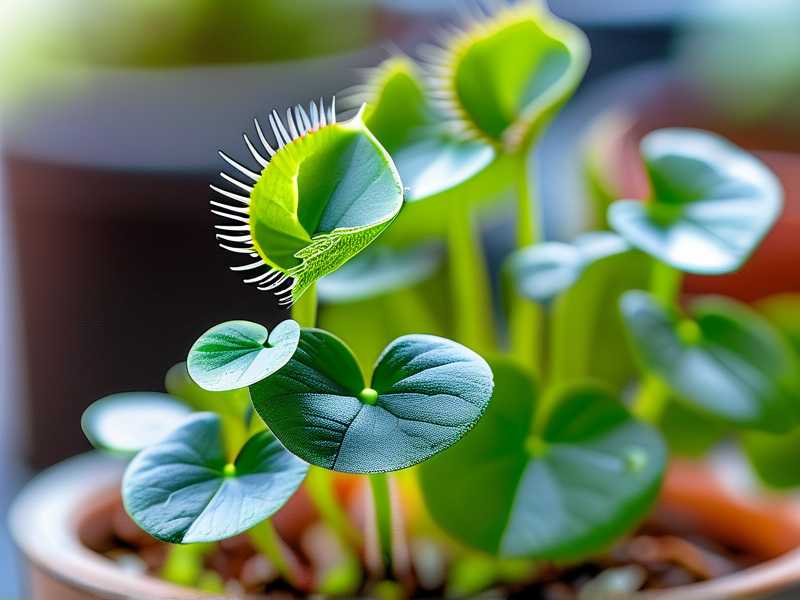
I love carnivorous plants, but for years, I struggled with my sundews. No matter how carefully I watered or where I placed them, they remained small, with few of those beautiful, glistening dew-tipped tentacles. My home just didn’t have enough consistent, bright light. I was about to give up until I discovered the game-changer: LED grow lights. This isn't just theory; this is the story of my successful, two-week transformation of a struggling Drosera capensis using a specific LED setup. I’ll walk you through my exact process, the mistakes I made, how I fixed them, and the incredible results I saw in just 14 days.
Understanding Your Sundew's Light Hunger
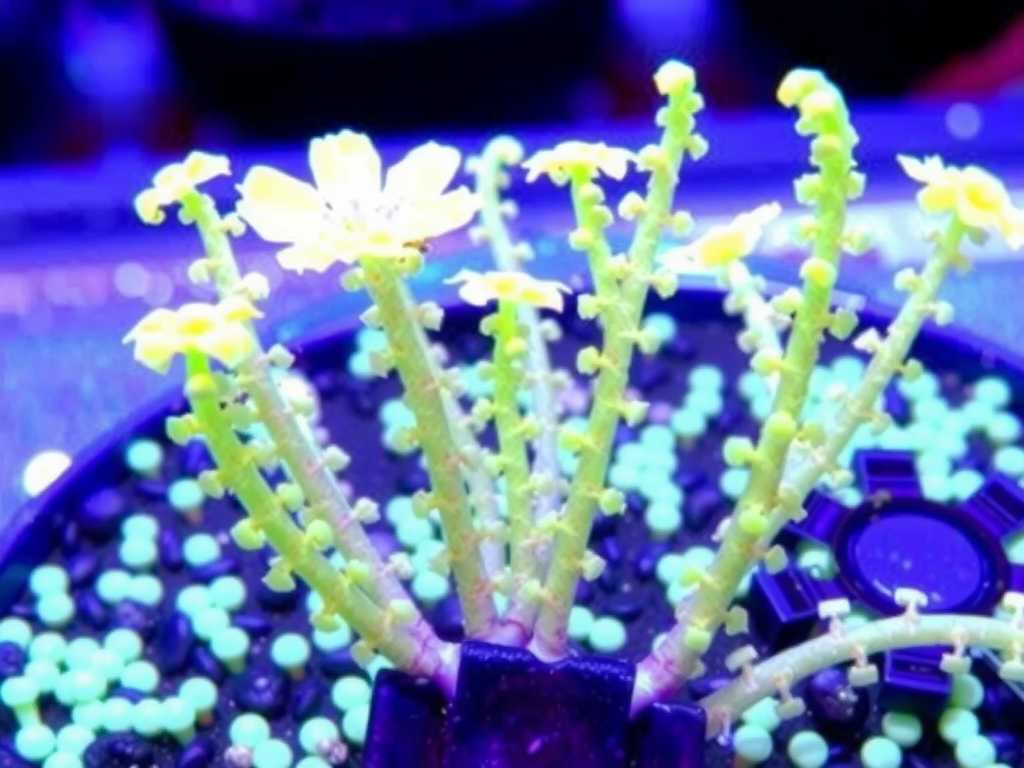
Sundews (Drosera) are sun-worshippers. In the wild, they thrive in open, sunny bogs. That intense light is non-negotiable for producing the sticky, mucilaginous "dew" they use to catch prey and for maintaining robust, colorful growth. Low light leads to etiolated, weak plants with little to no dew—a common heartbreak for indoor growers. A study by the Royal Horticultural Society (RHS) on carnivorous plant cultivation consistently emphasizes that "high light levels are critical" for proper trap formation and plant vigor. This was the core problem I needed to solve.
Why I Chose LED Grow Lights Over Other Options
I considered fluorescent tubes, but their light penetration and intensity diminish over time. High-intensity discharge (HID) lights were overkill, generating far too much heat for my shelf setup. Modern full-spectrum LED grow lights offered the perfect solution: energy efficiency, low heat output, and a tunable light spectrum. According to experts at the American Horticultural Society Alliance (AHSA), quality LEDs can provide the specific wavelengths plants use for photosynthesis and morphological development without the risk of leaf scorch associated with hot lights placed close to delicate plants.
My Step-by-Step Setup for Growing Sundew with LED Lights
Here is the exact process I followed, from unboxing to dialing in the perfect environment.
Selecting the Right LED Grow Light
I didn't buy the most expensive light, but I focused on key features. I chose a full-spectrum LED panel with a balanced mix of blue, red, and white diodes. Blue light promotes compact, sturdy leaf growth, while red light supports overall biomass development. The light had an adjustable hanging kit and a dimmer—features I later realized were crucial. My initial mistake was buying a cheap, blurple (blue-red) light without a dimmer; its intensity was harsh and the light color made it difficult to assess my plant's true health.
Setting Up the Growing Area
I dedicated a space on a bookshelf. Using the adjustable ropes, I hung the LED light about 12 inches (30 cm) above the top of my sundew's pot. I used a simple, inexpensive light meter app on my phone (not lab-accurate, but great for relative measurements) to get a baseline. I placed a shallow water tray beneath the pot to maintain the constant humidity sundews crave, ensuring the LED light's reflection off the water wouldn't create a hot spot.
Dialing in the Light Schedule and Intensity
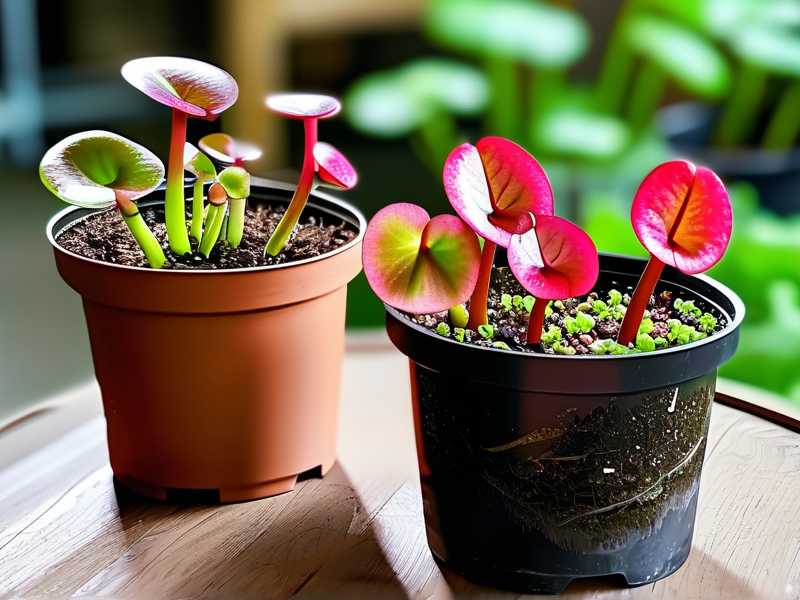
Sundews need a long photoperiod. I set my timer for 14 hours of light followed by 10 hours of darkness to mimic a long summer day. The dimmer was my best friend. I started at about 50% intensity. Within two days, I noticed the new growth was a vibrant red—a sign of good anthocyanin production—but the leaf tips looked slightly stressed. I raised the light to 14 inches and slightly increased the intensity. This was the sweet spot. A common error is blasting the plant with maximum power from day one, which can cause light burn even with cool LEDs.
My Two-Week Observation Diary and Results
This is where the magic happened. I kept a simple log to track the changes.
- Days 1-3: The plant looked unchanged. I resisted the urge to adjust anything major.
- Days 4-7: I observed the first clear change. New leaves emerging from the center were noticeably larger and began developing tentacles much faster than before. The existing tentacles started glistening more consistently, not drying up by the end of the day.
- Days 8-14: The transformation accelerated. The plant produced two new leaves in a week, compared to one every two weeks under my old window light. The dew production was prolific—thick, sticky droplets that glistened under the LED light. The entire plant took on a healthier, more upright posture. By the end of the second week, it had successfully caught several fungus gnats on its own, a sure sign of effective dew.
Troubleshooting Common LED Grow Light Issues
I hit a few snags, and you might too. Here’s how I solved them.
Dealing with Leggy Growth or Pale Leaves
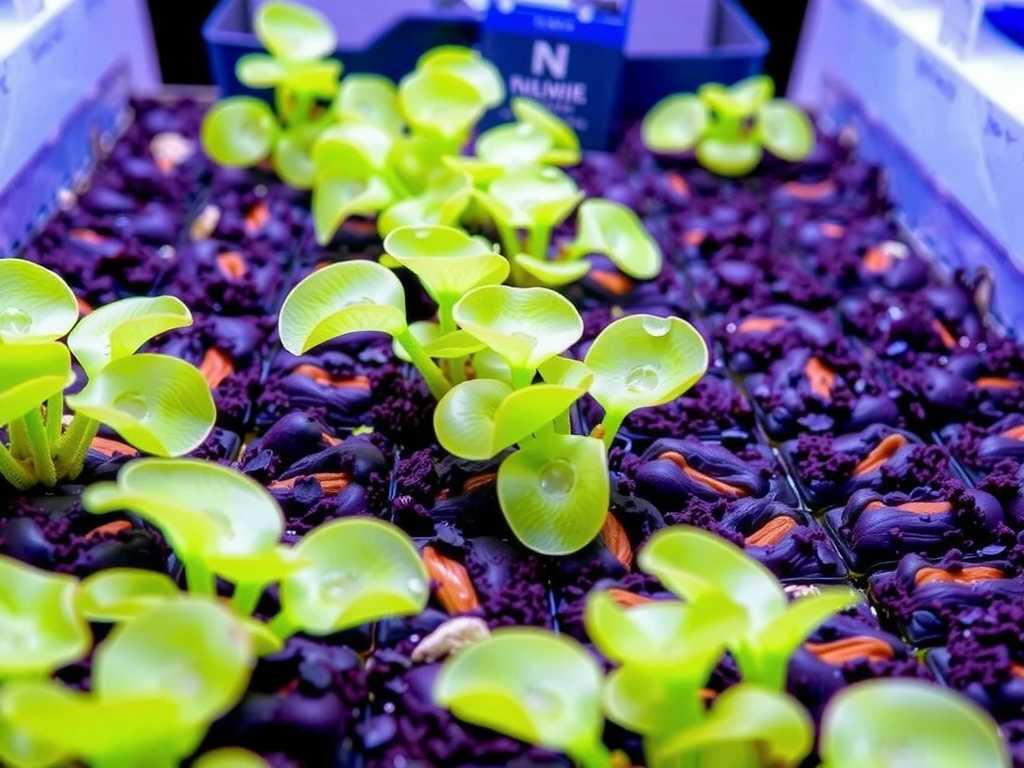
If your sundew is stretching or staying green and limp, it's begging for more light. My fix was to gradually lower the light fixture (by an inch every two days) or incrementally increase the dimmer setting. Always make changes slowly to avoid shock. This directly addresses the best LED light spectrum for sundew growth, ensuring they get the photosynthetic active radiation (PAR) they need.
Preventing Light Burn
Even with LEDs, you can get burn. I saw faint bleaching on one leaf tip when I got overzealous. The solution was immediate: I raised the light by 3 inches and kept the intensity the same. The new growth was perfect. Remember, closer isn't always better; it's about finding the right intensity/distance balance.
Managing Heat and Humidity
While LEDs run cool, the driver can emit some heat. I ensured good passive air circulation around the light and plant. The water tray took care of local humidity. I learned to check the soil surface temperature; it should feel cool or ambient, never warm.
Optimizing Your Setup for Different Sundew Species
My Drosera capensis is a hardy beginner species. If you're growing more demanding varieties like Drosera binata or tropical species, they often benefit from even higher light intensity. The principle remains the same: start conservatively and observe. The goal of using LED lights for carnivorous plants is to recreate their ideal native conditions controllably and consistently.
Frequently Asked Questions
Can sundews get too much LED light? Yes, absolutely. Signs include leaves turning crispy white or brown at the tips, or a bleached-out appearance. Sundews will tell you they're happy with vibrant colors and abundant dew. If you see signs of stress, increase the distance or slightly decrease intensity or photoperiod.
How long should I run my LED grow lights for sundews? A 12-16 hour photoperiod is ideal. I found 14 hours to be perfect for my setup. They require a daily dark period, so always use a timer for consistency. Inconsistent lighting is a major cause of poor dew production.
Do I still need to feed my sundew if it's under grow lights? The lights fuel the plant's growth through photosynthesis, but sundews still get nutrients from prey. Under strong LEDs, they will be stickier and catch more on their own. If you don't have gnats, you can occasionally feed them a small, dried bloodworm (rehydrated) every few weeks to supplement their diet, but it's not strictly necessary if the plant is growing well.
Growing sundews with LED grow lights has turned a frustrating hobby into an incredibly rewarding one. The key is patience, observation, and a willingness to adjust. By choosing a quality full-spectrum light, starting with a conservative setup, and closely monitoring your plant's response over those critical first few weeks, you can cultivate stunning, dewy sundews that thrive indoors year-round. The sight of those ruby-red leaves glittering with sticky traps under the gentle glow of my LED light is proof that with the right tools, any plant enthusiast can master the art of growing these fascinating carnivorous wonders.