bluename
 How to Grow Sundew in a Window Sill: A Beginner’s Guide to Stunning Carnivorous Displays
I used to think growing carnivorous plants like sundews was a complex, greenhouse-only endeavor. I’d admire their glistening, dewy tentacles in photos, assuming I could never have one thriving in my own home. My windowsill seemed destined for herbs and succulents alone. The turning point came when I killed my third Venus flytrap, a victim of my well-intentioned but disastrous tap-water watering habits. I was ready to give up. But then I discovered sundews, particularly the hardy Drosera capensis, often hailed as the perfect beginner’s carnivorous plant. Skeptical but determined, I embarked on a mission to learn how to grow sundew in a window sill. What followed was a two-week experiment that transformed not just my windowsill, but my entire approach to indoor gardening.
This guide is the result of my hands-on trial, errors, and ultimate success. I’ll walk you through every step, sharing exactly what worked, what failed, and how you can avoid the common pitfalls that doom so many first-time growers. Forget the myths; with the right setup, your sunny window can become a thriving stage for these fascinating, insect-catching beauties.
Why Your Windowsill is the Perfect Sundew Habitat
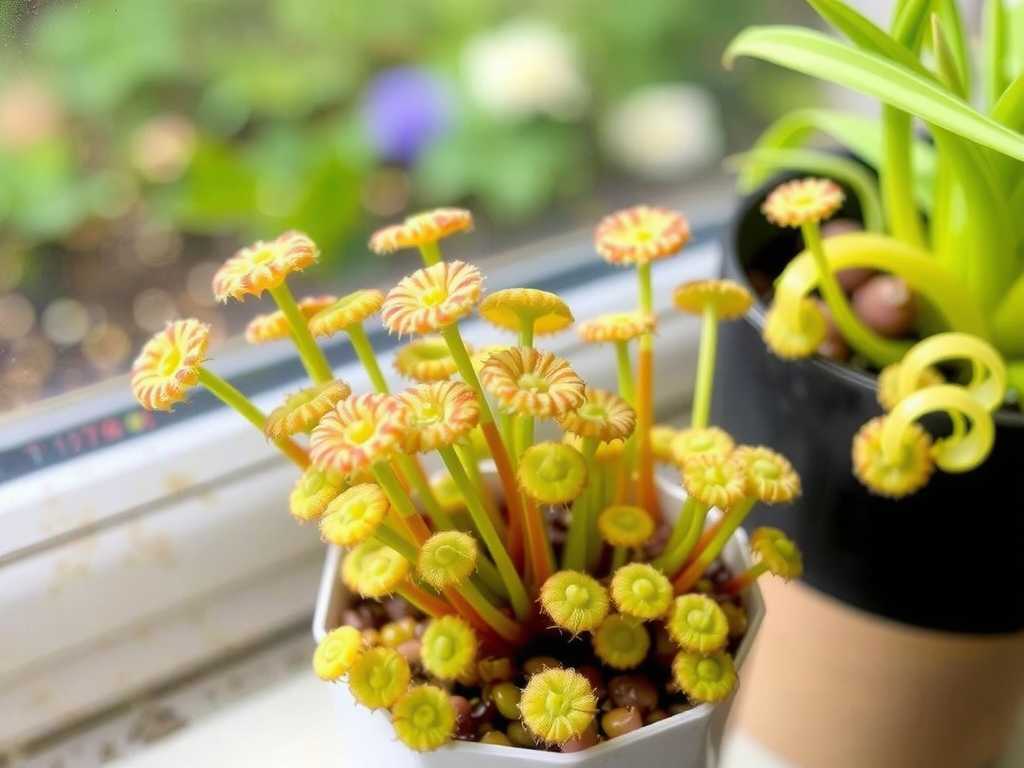
You might wonder if a sundew can truly be happy indoors. The answer is a resounding yes, provided you mimic their natural bog habitat. Sundews are not low-light plants; they are sun worshippers. According to the International Carnivorous Plant Society (ICPS), most sundew species require bright, direct light for at least 4-6 hours daily to produce their characteristic sticky, dew-covered leaves and vibrant colors. A south or west-facing windowsill is ideal. An east-facing window can work, but growth may be slightly less robust.
My setup was a large, unobstructed south-facing window. The immediate challenge? The intensity of the afternoon sun. I worried it would scorch the delicate leaves—my first major concern. However, as experts from the Carnivorous Plant Hub clarify, while acclimation is key, most common sundews thrive in full sun. The light is non-negotiable; it’s the engine behind dew production and photosynthesis.
The Non-Negotiables: Water, Soil, and Pot
This is where I made my earliest and most critical mistake. Getting these three elements wrong is the fastest way to kill your sundew.
1. Water: Only Pure, Mineral-Free Water Tap water, filtered water, and spring water are silent killers. They contain dissolved minerals (like calcium and magnesium) that quickly accumulate in the soil and burn the sundew’s sensitive roots. I learned this the hard way. My first Drosera capensis showed signs of decline within days—blackening leaf tips and a lack of dew.
- The Solution: I switched exclusively to distilled water, reverse osmosis (RO) water, or rainwater. I bought a gallon of distilled water from the grocery store, and the turnaround was noticeable within a week. The American Horticultural Society (AHS) emphasizes that maintaining a low-mineral environment is paramount for all carnivorous plant health.
- Watering Method: The tray method is king. Place your pot in a saucer or tray and keep it permanently filled with 0.5 to 1 inch of pure water. The soil should always be damp to the touch, never soggy and never dry.
2. Soil: The “No Nutrients” Rule Standard potting mix is fertilizer-rich and fatal. Sundews evolved in nutrient-poor bogs and get their nutrition from insects.
- The Perfect Mix: A simple 1:1 ratio of sphagnum peat moss and perlite is perfect. I used a pre-mixed carnivorous plant soil to ensure no contamination. Avoid any product with added fertilizers or wetting agents. The perlite ensures aeration, preventing root rot.
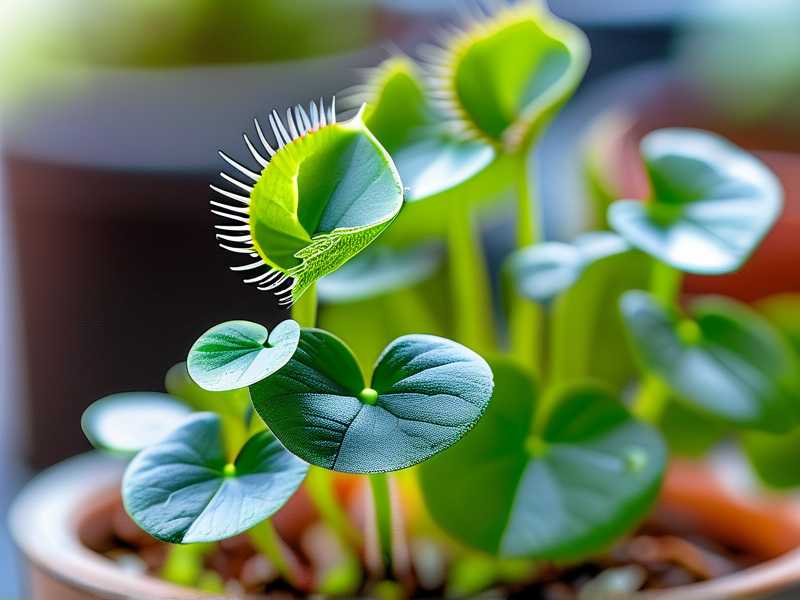
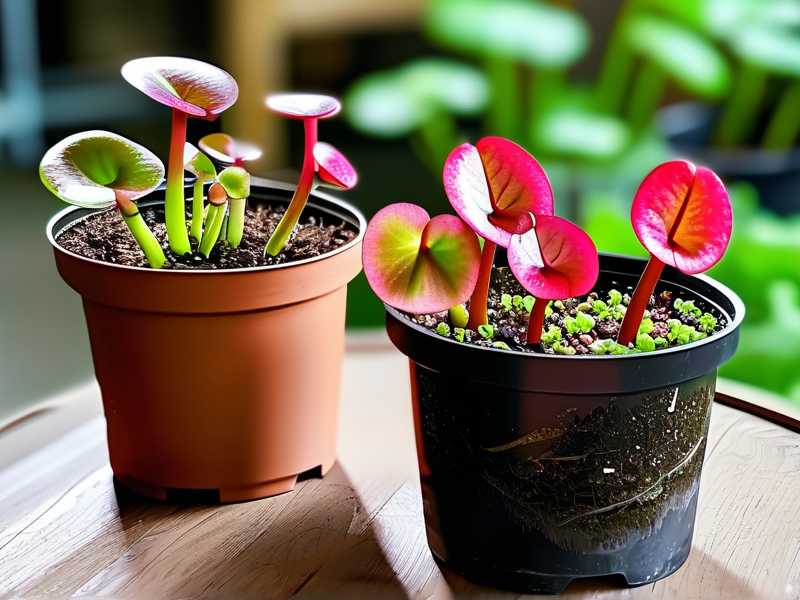
3. The Pot: Drainage is Everything Use a plastic or glazed ceramic pot with ample drainage holes. Terracotta pots are porous and can leach harmful minerals into the soil. I chose a simple 4-inch plastic pot, which was perfect for a single young plant.
My 2-Week Window Sill Sundew Journal
Here’s a candid log of my experience, from setup to the first signs of triumphant success.
Days 1-3: Acclimation and Initial Panic After potting my Drosera capensis in the correct mix and giving it a thorough soak with distilled water, I placed it on the south-facing sill. The existing leaves had some dew, but they looked a little tired from the nursery. By day two, a few older leaves at the base turned completely black. I panicked, thinking I had already failed.
- The Reality Check: This was normal! As the plant acclimates to its new light and humidity levels, it often sheds older growth to redirect energy. I carefully trimmed the blackened leaves with sterilized scissors and resisted the urge to move or overwater it.
Days 4-7: The First Signs of Life I maintained the water in the tray. The big change came on day five. I noticed tiny, glistening droplets forming on the tips of the newest, upright leaves. This was the “dew”—a sticky mucilage used to trap prey. It was working! The plant was clearly happy with the light and water. I also observed the leaves beginning to orient themselves more directly toward the sun.
Days 8-14: Active Growth and First Feeding The most exciting phase. A brand new leaf began to unfurl from the center (the crown). It was a vibrant green and developed dew even before it fully opened. This was a sure sign of healthy growth. Around day ten, a small fungus gnat (a common houseplant pest) got stuck on a leaf. Within 24 hours, the leaf had curled around it, beginning the digestion process. I did not need to “feed” it manually; the windowsill ecosystem provided. The plant’s color also deepened slightly, a sign of good light exposure.
Common Pitfalls I Encountered (And How to Fix Them)
- The “Helpful” Fertilizer Mistake: Early on, I spritzed a diluted orchid fertilizer on a different sundew species (Drosera spatulata), thinking it would boost growth. Within 48 hours, the dew vanished and leaves browned. Fix: Never fertilize sundews through the soil. If you must (and it’s generally not recommended for window sill growers), use an extremely diluted foliar spray on only a few leaves as a test, but natural feeding is always best.
- Humidity Worries: My home’s humidity is around 40%, which I feared was too low. While some tropical sundews need high humidity, Drosera capensis and other hardy types adapt well to average household levels if their roots are wet. The tray method creates a microclimate. Fix: Focus on soil moisture, not ambient humidity. A pebble tray can help, but it’s rarely critical for beginner species.
- Overhandling the Leaves: The dew is irresistibly touchable, but touching it strips the mucilage and can damage the leaf. Fix: Admire with your eyes, not your fingers.
Advanced Tips for a Thriving Windowsill Colony
Once you’ve mastered one, why not try more? Sundews propagate easily.
- Leaf Cuttings: I placed a healthy leaf on damp peat moss, kept it under bright light, and in a few weeks, tiny plantlets formed. It’s incredibly rewarding.
- Flowering and Seed: My Drosera capensis sent up a tall flower stalk. Letting it flower can slightly slow leaf growth, but you can collect seeds to sow. I pollinated a few flowers with a soft brush for fun.
- Species Selection: After my success with D. capensis, I added a fork-leaved sundew (Drosera binata) and a rosy sundew (Drosera capillaris) to my collection, each with unique forms. Researching easy sundew species for beginners is the best next step.
How much sun does a windowsill sundew really need? A minimum of 4-6 hours of direct sunlight is crucial for healthy dew production and compact growth. Without it, the plant will become leggy, lose its dew, and eventually weaken. A south or west window is ideal.
Can I use artificial light if my window isn’t sunny enough? Absolutely. A simple LED grow light placed 6-12 inches above the plant, running for 12-14 hours a day, can perfectly supplement or replace natural sunlight. This is how many enthusiasts grow stunning collections year-round.
Do I need to feed my sundew if no bugs are around? While feeding accelerates growth, it is not strictly necessary. Sundews are plants first; they photosynthesize for energy. Insects are a nutritional supplement. In a sealed room with no bugs, you might feed a single tiny insect (like a dried bloodworm rehydrated in water) to one leaf every 2-4 weeks, but it’s often not needed. Overfeeding is more harmful than underfeeding.
Growing sundews on a windowsill has been one of my most rewarding plant journeys. It demystified carnivorous plants and added a dynamic, living spectacle to my home. The key is simple: relentless bright light, pure water, and the right soil. Forget the fertilizer, embrace the simplicity, and watch as your windowsill transforms into a miniature, glistening bog. Start with a hardy Drosera capensis, follow these steps, and you’ll not only keep it alive but witness it flourish, catch prey, and multiply before your eyes. The world of sundews is vast and fascinating, and it all begins on your very own sill.