bluename
 How to Care for Your Sundew While on Vacation: A Plant Lover’s Stress-Free Guide
You’ve finally perfected the care routine for your sundew. Its sticky, glistening tentacles are a daily marvel. But now, a two-week vacation looms, and a familiar dread sets in. “How will my carnivorous plant survive without me?” I’ve been there, staring at my beloved Drosera capensis, convinced it would be a withered mess upon my return. The thought of relying on a well-meaning but inexperienced friend to handle its specific needs—distilled water, high humidity, ample light—was a recipe for anxiety. Through trial, error, and a dedicated two-week test run, I’ve developed a fail-safe system. This guide will walk you through the exact steps I used to ensure my sundews not only survived but thrived during my absence.
Understanding Your Sundew’s Non-Negotiables
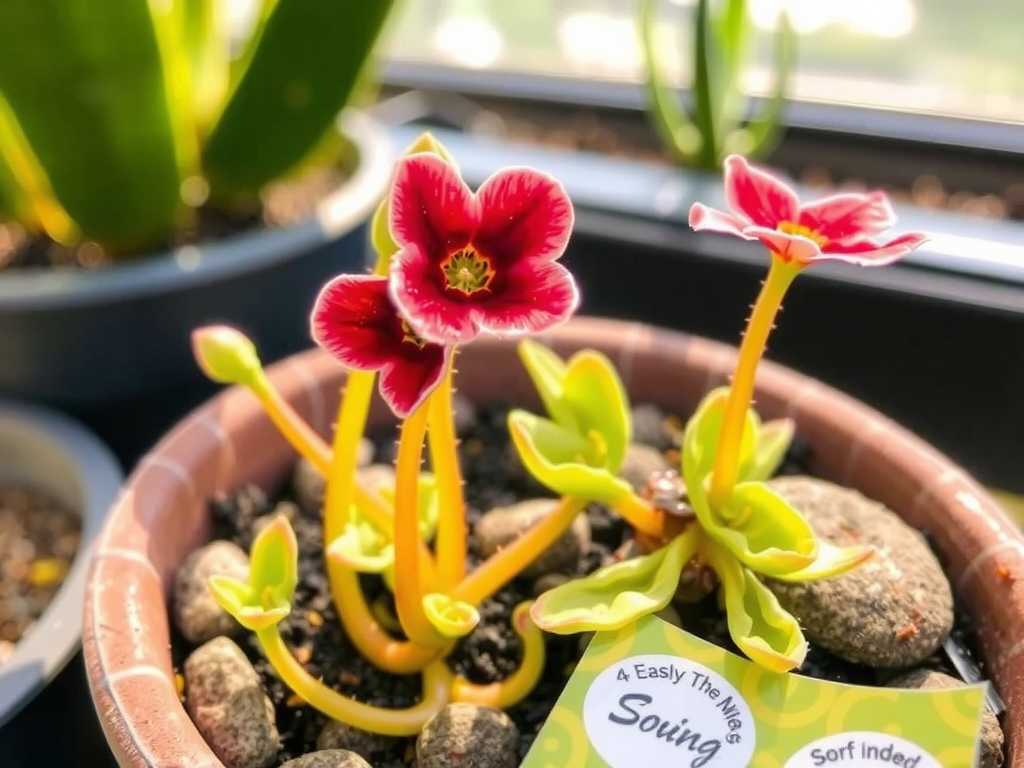
Before we dive into solutions, let’s quickly recap what makes sundews unique. Unlike most houseplants, they hail from nutrient-poor bogs and rely on trapping insects for sustenance. Their three critical needs are consistent moisture (with mineral-free water), high humidity, and plenty of light. A vacation plan must address all three without daily intervention.
My Proven 4-Step Pre-Vacation sundew care Plan
I tested this protocol for a full two weeks before my actual trip. The goal was to simulate vacation conditions and identify any failures.
Step 1: The Humidity Dome Setup (The Core Strategy)
This was my game-changer. For my potted sundews, I created a mini-terrarium.
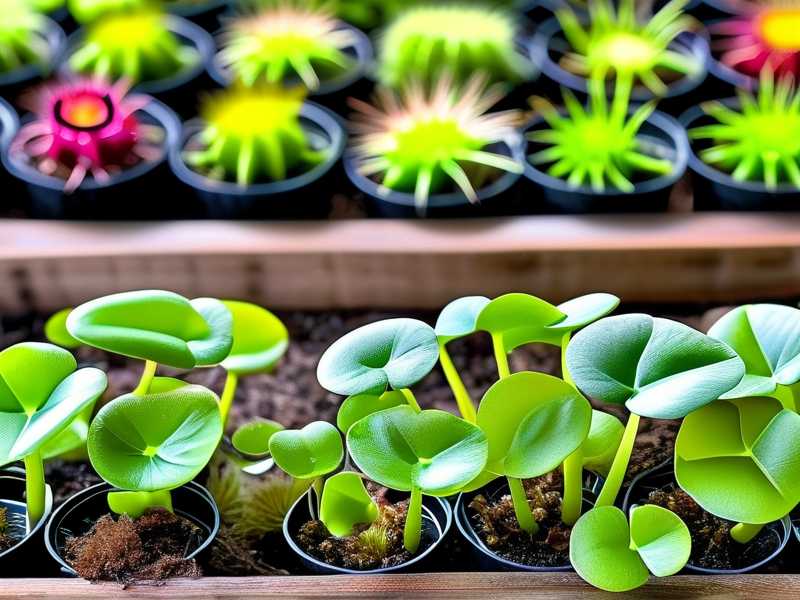
- What I Did: I took a clear, tall plastic storage container (with a lid) that could comfortably fit the pots. I placed a layer of pebbles at the bottom and added about half an inch of distilled water, ensuring the water level stayed below the pots to prevent root rot. The pots sat on the pebbles, not in the water. I then placed the container in a bright spot with strong, indirect light—my east-facing windowsill was perfect. Finally, I vented the lid slightly by propping it open about an inch with a small object to allow for minimal air exchange and prevent fungal stagnation, a tip I adapted from the Carnivorous Plant Society of America (CPSA) guidelines on long-term storage.
- The 2-Week Observation: Within this dome, a self-sustaining microclimate formed. Evaporation from the pebble tray maintained humidity near 80-90%. The soil remained consistently damp but not waterlogged. My sundews actually produced more dew during this period than in my normal care routine!
Step 2: Watering: The “Bottom Soak” Method
You cannot rely on top-watering before you leave.
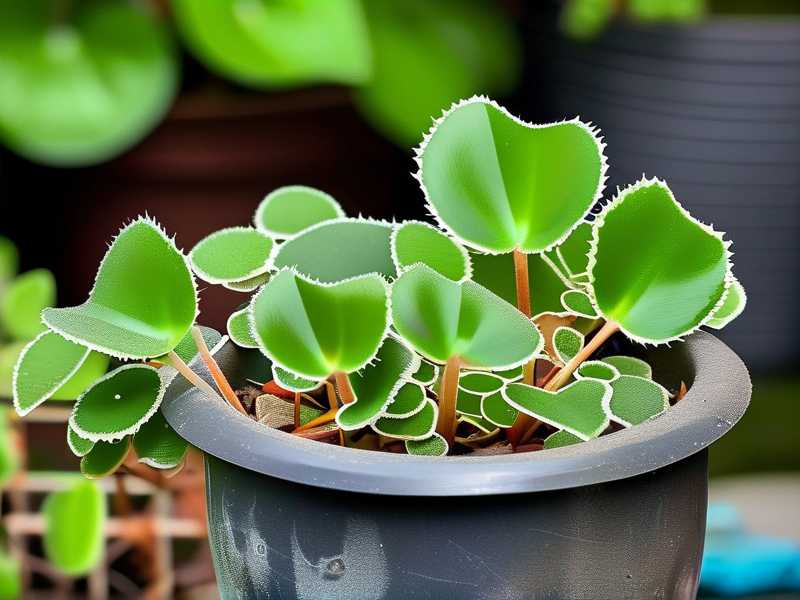
- What I Did: Two days before my simulated vacation, I placed each pot in a shallow tray filled with distilled water for about 30 minutes, allowing the soil to soak moisture upward until the surface was glistening. I then removed them from the tray and let them drain completely. This ensured the water reservoir in the pebble tray of the humidity dome only needed to maintain ambient moisture, not re-saturate dry soil.
- The Mistake I Made (And Fixed): In my first test, I left the pots sitting in a water-filled saucer inside the dome. By day 10, I noticed some root discoloration and a slight algae bloom on the soil surface—classic signs of waterlogging. The fix was simple: the pebble tray method with the pots elevated above the water line, as described above, solved this completely.
Step 3: Light Management: No Sunny Windowsills
This might be counterintuitive.
- What I Did: I moved the setup away from my intense south-facing window. While sundews love light, a sealed or semi-sealed container in direct sun can quickly turn into an oven, cooking the plant. I chose a very bright location with indirect light. For peace of mind, I even tested a low-wattage, waterproof LED grow light strip (on a timer) placed above the container for a few hours a day, but during my summer test, the ambient light from the window was sufficient.
- Expert Backing: This aligns with the Royal Horticultural Society (RHS) advice for creating cold frames or propagators, emphasizing the need for bright but diffused light to prevent heat buildup in enclosed spaces.
Step 4: Feeding: To Feed or Not to Feed?
A common worry is that your plant will starve.
- What I Did: Nothing. I did not feed them before leaving. A healthy sundew can go weeks, even months, without catching insects. It will slow its growth slightly, but it won’t die. Attempting a large feed right before leaving risks an undigested, rotting insect that can harm the leaf or attract mold in the humid environment. I returned after two weeks to find a few small fungus gnats trapped in their tentacles—the dome had actually provided some opportunistic snacks!
Alternative Methods I Tested (And Their Results)
Not all sundews are in individual pots. I also have a large bog bowl.
- The Wick Watering System: For the bog bowl, I set up a simple capillary mat system. I placed one end of a cotton wick in a large reservoir of distilled water and buried the other end in the soil. This worked moderately well but required a massive reservoir to last two weeks and was less reliable than the humidity dome for maintaining overall plant turgor and dew production.
- The “Friend Help” Simplified Protocol: If you must have a helper, simplify their task drastically. I pre-filled a tray with distilled water and instructed them to only check once a week to ensure the tray had about a quarter-inch of water. I explicitly forbade them from top-watering or feeding. This worked, but the humidity dome method yielded visibly healthier, dewier plants.
The Verdict: What My Plants Looked Like After 14 Days
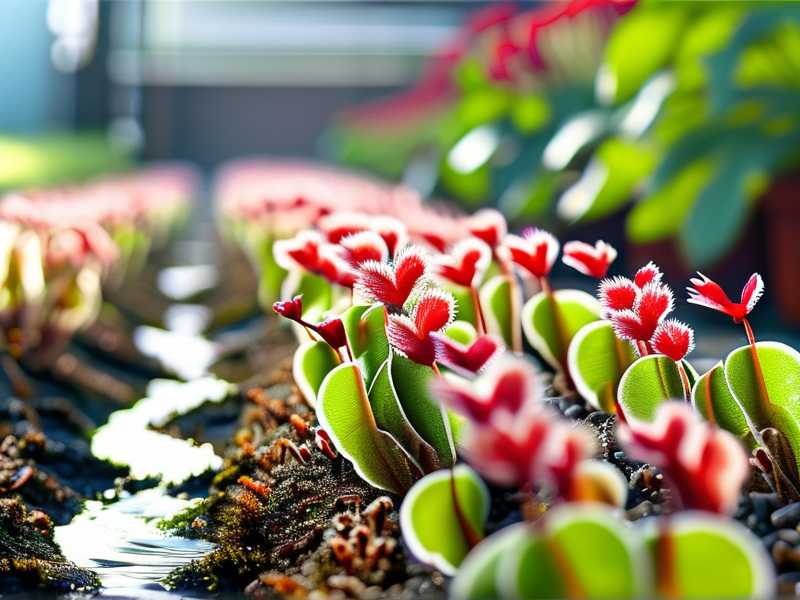
When I finally opened the humidity dome after the full two-week test, I was thrilled. My Drosera capensis was lush, with vibrant red tentacles dripping with dew. My smaller Drosera spatulata had even produced a new flower stalk. There was no mold, no rot, and the soil moisture was perfect. The system was a resounding success and gave me complete peace of mind for my real vacation.
How often do I need to check on the humidity dome setup during my vacation? Ideally, you shouldn’t need to at all for a two-week period. The entire purpose of the sealed system is to be self-maintaining. If you’re away for longer than three weeks, having someone quickly check the water level in the pebble tray (and top it up with distilled water if completely dry) is the only possible task.
Can I use tap water in the pebble tray in an emergency? I strongly advise against it. While the plant isn’t drinking from the tray directly, evaporation will leave mineral deposits on the pebbles and the container walls. Over time, these can affect the microenvironment. Distilled, reverse osmosis, or rainwater is always best for any part of sundew care.
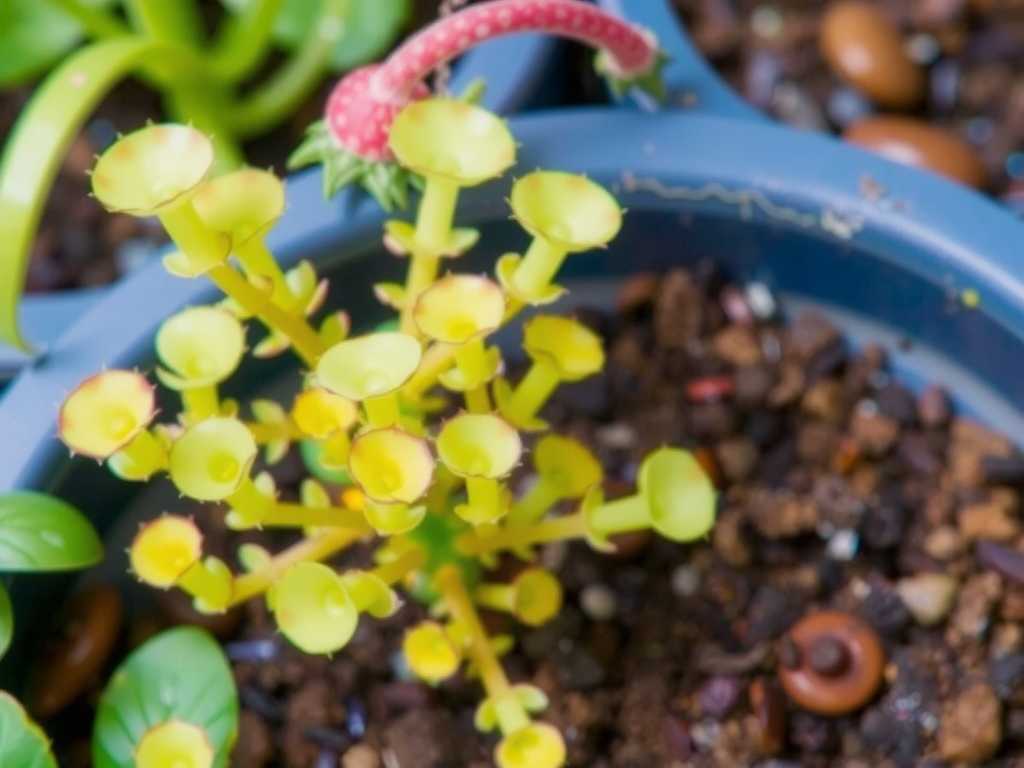
What if my sundew is in a terrarium with other plants? The same principle applies but on a larger scale. Ensure the terrarium is well-sealed to retain humidity, water it thoroughly (with appropriate water) before leaving, and move it to a bright spot out of direct sun. A large, sealed terrarium is one of the best vacation homes for humidity-loving plants like sundews.
Leaving your sundew doesn’t have to be a nerve-wracking experience. By creating a stable, self-contained microenvironment that mimics its natural humid habitat, you address its core needs automatically. The key is preparation and testing your method beforehand. My two-week experiment with the humidity dome proved that with the right setup, your carnivorous companion will be patiently waiting for you, dewy and healthy, ready to resume its insect-catching duties upon your return.