bluename
 How to Choose the Best Light Bulb for Your Sundew: An LED vs. Fluorescent Deep Dive
I’ve killed my fair share of sundews. There, I said it. For years, I struggled with spindly, colorless, and frankly, sad-looking Drosera. I’d provide the right soil, keep them sitting in distilled water, and yet, they’d refuse to produce those gorgeous, dewy tentacles. The culprit? Almost always, light. Getting the best light bulb for sundew plants isn't just a suggestion; it's the single most critical factor for success beyond proper watering. This guide is born from my frustration, extensive testing, and a two-week experiment that finally gave me the lush, sticky, and vibrant sundews I’d always wanted. We’ll cut through the marketing jargon and compare LED and fluorescent bulbs for carnivorous plants to find your perfect match.
Understanding What Your Sundew Craves: It's All About the Spectrum
Sundews are sun-worshippers. In the wild, they thrive in full, blazing sun. Our goal with artificial lighting is to mimic the intensity and quality of that sunlight as closely as possible. Forget "brightness" in the human sense. Plants care about Photosynthetically Active Radiation (PAR)—the range of light wavelengths they use for photosynthesis.
Key Light Metrics for Sundew Success:
- PPFD (Photosynthetic Photon Flux Density): This measures how many PAR photons hit a surface per second. For robust, colorful sundews like Drosera capensis or binata, aim for a PPFD of 200-400 µmol/m²/s at the plant's level. Delicate species might need slightly less.
- Light Spectrum: Sundews benefit from a full spectrum. Blue light promotes compact, healthy growth, while red light encourages flowering and can enhance red pigmentation in the leaves. A balanced "daylight" spectrum (5000K-6500K color temperature) is ideal.
- Photoperiod: Most sundews need 12-16 hours of consistent light daily. A simple timer is your best friend here.
The Great Showdown: LED Grow Lights vs. Fluorescent Tubes
This is the core of the debate. I’ve used both extensively, and each has its place in a grower's toolkit.
Option 1: Modern LED Grow Lights
LED technology has revolutionized indoor plant growing. These lights are energy-efficient, long-lasting, and highly customizable.
My Hands-On Experience & 2-Week Test: I took a struggling Drosera capensis 'Albino' and a vibrant Drosera filiformis and placed them under a full-spectrum LED panel (about 24 inches above the plants, providing ~300 PPFD). The panel advertised a mix of white, blue, and red diodes.
- Week 1: I noticed almost no change. This is normal! Plants take time to adjust their physiology.
- Week 2: By the end of the second week, the transformation began. The 'Albino' started developing a faint pink blush at the base of its tentacles. The D. filiformis, which had been just green, began showing intense red hues on new growth. Dew production was prolific and constant. The growth was noticeably compact and sturdy.
Pros of LED for Sundews:
- Extreme Energy Efficiency: They use far less electricity than fluorescents for the same light output.
- Low Heat Output: You can place them closer to your plants without risk of scorching, maximizing light intensity.
- Long Lifespan: A quality LED can last 50,000+ hours.
- Spectrum Control: Many offer tunable spectrums to tailor light for growth or coloration.
Cons & The "Pitfalls" I Hit:
- Upfront Cost: Good LEDs are more expensive initially.
- Quality Variance is Massive: A cheap, purple "blurple" LED from an unknown brand gave me leggy, etiolated plants. It lacked sufficient intensity and a balanced spectrum. The Fix: I invested in a reputable brand with published PPFD maps. Look for lights designed for "full-term vegetable growth," not just seedlings.
- Potential for Light Burn: Even with low heat, intensity can be too high. My D. adelae scorched under the same light that the capensis loved. The Fix: I raised the light or used a dimmer (if available) for more sensitive species.
Option 2: Traditional Fluorescent Lights
The old-school workhorse. T5HO (High Output) fluorescent tubes have been the gold standard for carnivorous plant growers for decades, and for good reason.
My Hands-On Experience & 2-Week Test: I set up a standard 2-foot, two-bulb T5HO fixture with 6500K daylight bulbs over a tray of sundew seedlings (Drosera spatulata) and a mature Drosera binata. The lights were positioned 6-8 inches above the plants.
- Week 1: Seedlings responded quickly, turning a healthier green and orienting themselves directly toward the light.
- Week 2: The D. binata put out a massive flush of new, dewy leaves. Growth was strong and vigorous, though the color remained a deep green rather than turning red. The even spread of light from the long tubes covered the entire tray perfectly.
Pros of Fluorescent for Sundews:
- Proven Track Record: Countless expert growers, including those at the International Carnivorous Plant Society (ICPS), have used them with spectacular results for years.
- Excellent Light Spread: Tubes provide even coverage over a long, rectangular area—perfect for a plant shelf.
- Lower Initial Cost: The fixture and bulbs are generally cheaper than an equivalent LED setup.
- Consistent Spectrum: Quality T5HO bulbs provide a reliable, full-spectrum output.
Cons & The "Pitfalls" I Hit:
- Higher Operational Cost & Heat: They consume more electricity and produce significant radiant heat. This raised the temperature and humidity in my enclosed grow space, which initially led to mold. The Fix: I added a small, low-speed computer fan for air circulation. This solved the mold issue and actually strengthened the plants' stems.
- Bulb Degradation: Fluorescent bulbs lose intensity (lumen depreciation) long before they burn out. You must replace them every 12-18 months for consistent results.
- Less Efficient: You pay more in the long run for the electricity and bulb replacements.
My Step-by-Step Guide to Choosing and Setting Up Your Light
- Assess Your Space and Collection. Are you growing a single pot on a desk or a full shelf of species? LEDs are great for focused, intense light. Fluorescent tubes are ideal for shelving.
- Set Your Budget. If you can afford a higher upfront cost for long-term savings, go LED. If you need a reliable, lower-cost solution now, start with T5HO.
- Purchase & Position. For LEDs, follow the manufacturer's hanging height guidelines based on PPFD. Start higher and lower gradually. For T5HOs, start 6-12 inches above your tallest plant.
- Use a Timer. Set it for 14 hours on, 10 hours off. Consistency is key.
- Observe and Adjust (The 2-Week Rule). Don't make changes daily. Watch for these signs over two weeks:
- Too Little Light: Stretched, green growth (etiolation), small leaves, poor dew production.
- Too Much Light: Bleaching, crispy brown patches, or stunted growth.
- Just Right: Compact growth, vibrant colors (reds, pinks where applicable), and constant, glistening dew.
Beyond the Bulb: Essential Tips for a Thriving Sundew Setup
Light is the engine, but other factors work in concert. According to best practices shared by experienced horticulturists, your lighting success is tied to your entire setup. Reflective walls (mylar or flat white paint) can boost efficiency by up to 30%. Pair your strong lights with the correct media (peat/sand/perlite), pure water (distilled or reverse osmosis), and adequate humidity. A light meter app (while not lab-accurate) can help you compare setups and ensure even coverage.
Frequently Asked Questions by Fellow Growers
Can I use a regular desk lamp or LED bulb from the hardware store? You can for very low-light tolerant species, but results will be mediocre. These bulbs are designed for human vision, not plant PAR. They lack the intensity and spectrum for the robust, colorful growth and dew production that define a healthy sundew. I tried this early on and was consistently disappointed.
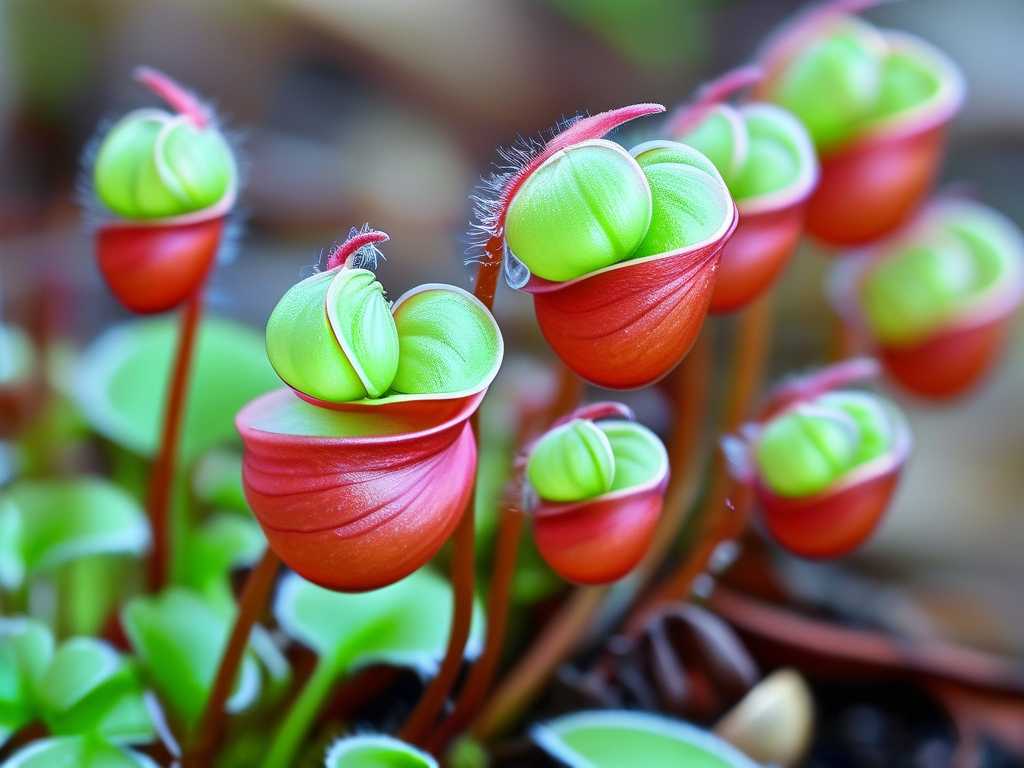
My sundew is growing but has no dew. Is it the light? Almost certainly. Dew is metabolically expensive for the plant to produce; it only does so when it has sufficient light energy to justify the "cost." Low light is the #1 cause of dewlessness. Ensure your PPFD is high enough and your photoperiod is long enough. Also, check that your water is mineral-free, as salts can clog the dew-producing glands.
How do I know if my fluorescent bulbs need replacing? If it's been over a year, or if you notice your plants gradually stretching or losing color despite no other changes in care, it's time. The human eye adapts to the gradual dimming, but your plants feel it. Mark your calendar and replace bulbs proactively for best results.
Choosing the right light is the transformative step between keeping a sundew alive and helping it truly thrive. Whether you select the modern efficiency of a full-spectrum LED or the proven reliability of T5HO fluorescents, the principles remain the same: provide intense, full-spectrum light for long, consistent periods. My two-week experiments with both types showed that when given proper light, these captivating carnivores respond with breathtaking speed and beauty. Start with one system, learn its nuances, and watch your sundews reward you with a dazzling, sticky display.