bluename
 How to Grow Sundew in a Terrarium with Frogs: My Complete Co-Habitation Guide
I’ve always been fascinated by the idea of creating a tiny, self-sustaining world. As a plant enthusiast with a particular love for carnivorous plants, the dream was a lush, dewy terrarium filled with sundews. But I wanted more life, more movement. What about adding frogs? The idea seemed magical but daunting. How do you balance the needs of moisture-loving, delicate carnivorous plants with the activity and waste of small amphibians? I heard the horror stories—plants rotting, frogs escaping, ecosystems crashing within weeks. My core frustration was the lack of clear, first-hand guidance. So, I decided to become my own case study. I embarked on a two-month project to build and maintain a thriving terrarium housing both Drosera capensis (Cape sundew) and a pair of Dendrobates tinctorius (Dyeing dart frogs). Here’s my journey, complete with steps, a detailed two-week observation log, the mistakes I made, and how I fixed them.
Understanding the Unique Needs of Both Worlds
Before buying a single item, I immersed myself in research. Success hinges on aligning the environmental needs of sundews and dart frogs. According to the International Carnivorous Plant Society (ICPS), most sundews thrive in bright, indirect light, high humidity (above 50%), and consistently moist, nutrient-poor soil. Dart frogs, as noted by amphibian specialists following standards like those from the Association of Reptilian and Amphibian Veterinarians (ARAV), require nearly identical conditions: high humidity (70-100%), moderate temperatures (72-80°F), and a bioactive setup with live plants and microfauna. This overlap is the foundation of our project. The key is managing the "bioactive" part for the frogs without harming the sundews.
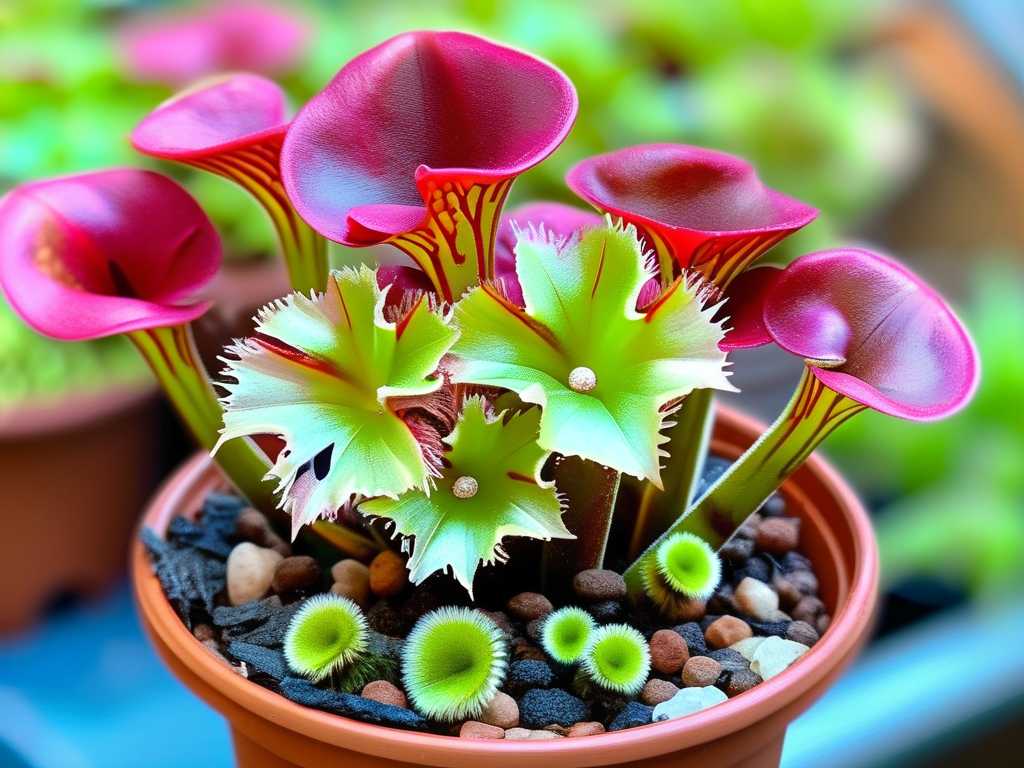
My Step-by-Step Construction Process
I chose a front-opening 18x18x24 inch glass terrarium for easy access and stable humidity.
Selecting the Right Substrate Layers This is critical. Sundews need acidic, low-nutrient media, while frogs need a drainage layer to prevent swampy conditions. From bottom to top:
- Drainage Layer: A 1.5-inch base of clay leca balls.
- Barrier: A thin mesh screen to separate layers.
- Substrate Core: I mixed sphagnum moss peat (for acidity) with orchid bark and horticultural charcoal for aeration. This creates a moist but well-draining, nutrient-poor base perfect for sundews.
- Top Layer: A living carpet of sphagnum moss to retain surface moisture and provide a soft landing for the frogs.
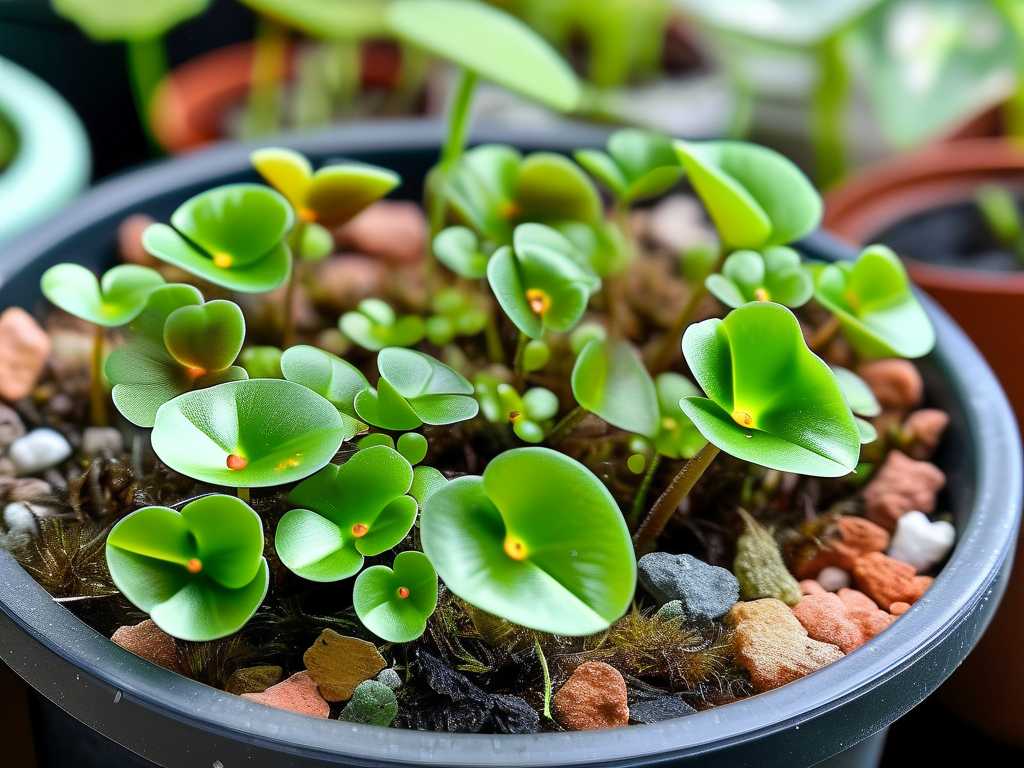
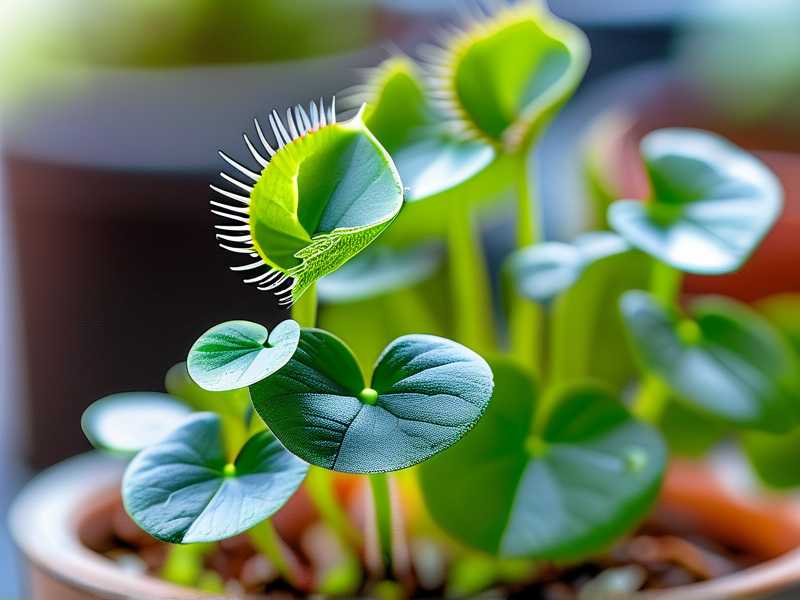
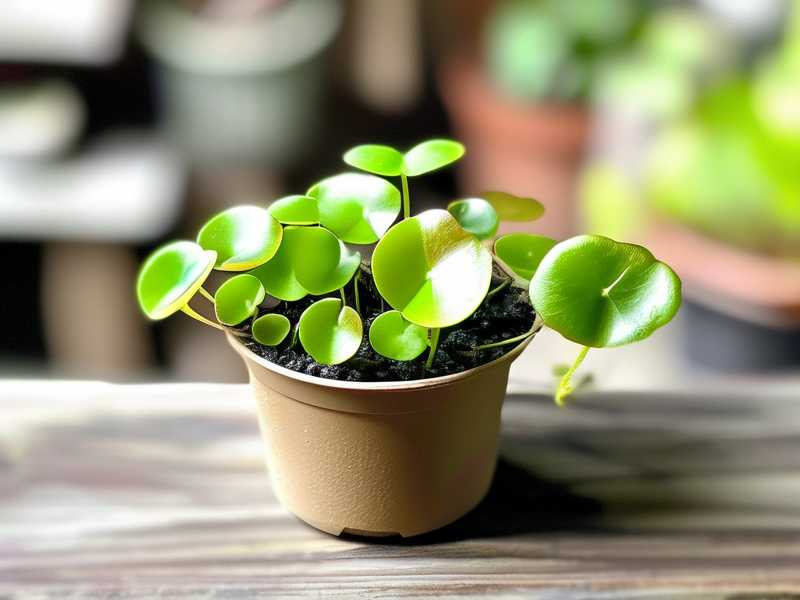
Planting the Sundews and Creating Landscape I purchased three healthy Drosera capensis plants, known for their adaptability. I gently rinsed their roots to remove any nursery soil. After creating small holes in the substrate, I planted them, ensuring the crown was above the surface. I surrounded them with other frog-safe, humidity-loving plants like Pilea and Fittonia for visual density and microclimate support. A shallow water dish was sunk into the substrate and filled with distilled water—the only water type safe for sundews, as tap water minerals can kill them.
Introducing the Bioactive Crew and Frogs A week after planting, I introduced the cleanup crew: springtails and isopods. These microfauna are essential for a frog and sundew terrarium; they break down frog waste and decaying plant matter, recycling it into forms that won’t harm the sundews. After another week, when the microfauna were established, I introduced two young dart frogs. I chose a captive-bred species for hardiness and ethical reasons.
The Crucial First Two Weeks: Observation and Adjustment
This period was intense. I monitored twice daily, keeping a log.
- Days 1-3: The frogs hid constantly. The sundews looked good, with visible dew. Humidity spiked to 95%. I realized my misting with distilled water was too frequent, risking mold.
- Days 4-7: I reduced misting to a light spray every other day, letting humidity drop to a steady 80%. The frogs began exploring at dusk. A worrying sign: one sundew’s leaves near a frog perch looked bruised. The frogs were likely climbing on them.
- Days 8-14: The bruised sundew stopped producing dew on damaged leaves. This was my first major "pitfall." The solution? I carefully used soft plant stakes to gently redirect and support the sundew’s leaves away from high-traffic frog pathways. I also added more broad-leaf plants as alternative climbing routes. By day 14, the sundew was producing new, healthy, dewy leaves from its center.
The biggest lesson? Plant placement is everything. Sundews need their space. Don’t plant them directly under climbing branches or in the frogs’ main transit corridors.
Ongoing Care and Feeding: A Delicate Balance
Lighting: I use a full-spectrum LED grow light on a 12-hour timer, providing the intense light sundews crave without overheating the frogs. Watering & Humidity: I water the substrate directly with distilled water when the top layer of moss feels slightly less damp. I mist lightly for the frogs’ benefit, avoiding heavy droplets on the sundews. The Feeding Challenge: This is the most fascinating interaction. Sundews catch their own food from fungus gnats that naturally appear in the bioactive setup. I do not need to feed them manually, which prevents overloading them with nutrients. The frogs are fed vitamin-dusted fruit flies every other day. It’s a joy to watch a sundew occasionally catch a stray fruit fly, but their diets are managed separately. This is the heart of a self-sustaining terrarium ecosystem—each component plays a role.
Troubleshooting Common Pitfalls
- Pitfall 1: Mold or Fungus. I saw white fuzz on a piece of bark early on. I immediately removed it, increased airflow slightly by cracking the top vent for an hour, and added more springtails. They handled it.
- Pitfall 2: Nutrient Burn on Sundews. If you feed the frogs too much, excess waste can leach nutrients. If sundew leaves turn brown or stop producing dew, check your feeding schedule and ensure your cleanup crew is thriving. I temporarily reduced frog feeding and introduced more isopods.
- Pitfall 3: Escaping Insects. Fruit flies can get out during feeding. I now use a tall, clear feeding cup inside the terrarium to contain them.
Frequently Asked Questions
Can the frogs get stuck on the sundews? This was my biggest fear. While the glue is strong for insects, a frog’s skin and strength allow them to pull away easily. In my two-month observation, the frogs have never been trapped. They seem to learn to avoid the sticky leaves after the first curious touch.
What if the sundews catch all the food for the frogs? They won’t. The sundews only catch tiny, flying insects. The primary frog food (fruit flies) is either dusted in the feeding cup or quickly hops away on the substrate. The sundews act as a natural pest control for gnats, not a competitor for the frog’s food.
How do you clean the water dish without chemicals? I have two small dishes. Every three days, I use long tweezers to remove one, rinse it thoroughly with hot distilled water, scrub it with a dedicated bottle brush, and then swap it with the one in the tank. This prevents biofilm buildup naturally.
Creating a terrarium with frogs and carnivorous plants is an incredibly rewarding project. It requires patience, observation, and a willingness to intervene gently when balance is off. By focusing on the shared need for high humidity and acidic substrate, carefully selecting hardy species, and establishing a robust bioactive cleanup crew, you can cultivate a mesmerizing slice of nature where these two fascinating organisms can not only coexist but thrive together. Start small, monitor closely, and enjoy the process of learning from your own tiny, living world.