bluename
 How to Grow Sundew in a Terrarium with LED Lights: A Complete Guide for Sticky Success
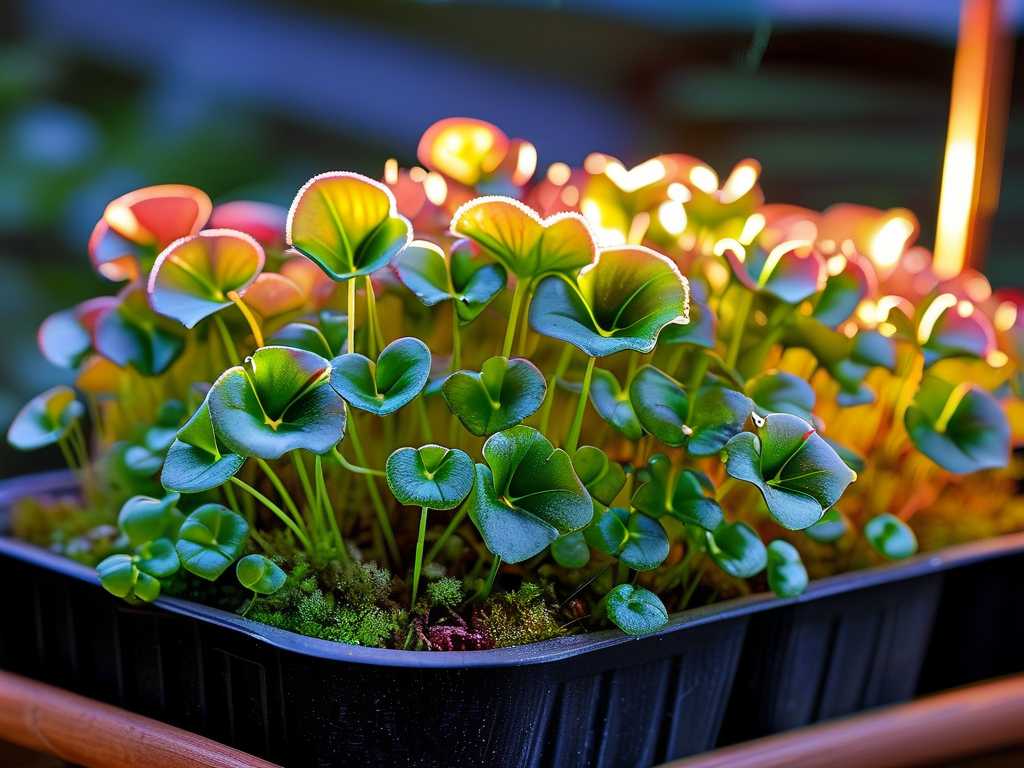
I love carnivorous plants, but for years, I struggled with sundews. Their delicate, dew-tipped tentacles would shrivel, or they’d become leggy and weak. My windowsill never seemed to offer the right light. Then, I discovered the magic of a controlled environment: a terrarium lit by LED grow lights. It was a game-changer. If you’ve ever bought a beautiful sundew only to watch it decline, you know the pain. The challenge is replicating their native bog conditions—intense light, high humidity, and pure water—indoors. This guide is the result of my own successful journey, including the mistakes I made and how I fixed them over a dedicated two-week observation period. I’ll show you exactly how to create a thriving miniature ecosystem for your sundews.
Understanding Your Sundew’s Basic Needs
Before we build, we must understand what makes a sundew tick. Sundews (Drosera) are not your typical houseplants. They are adapted to nutrient-poor soils and have evolved to catch insects for sustenance. Three pillars are non-negotiable: Light, Water, and Substrate.
First, light. In the wild, they bask in full sun. Insufficient light leads to etiolation—weak, stretched growth with little to no dew. This was my biggest failure initially. Second, water. They are extremely sensitive to minerals. Tap water, with its dissolved salts, will slowly poison them. They require distilled, reverse osmosis (RO), or rainwater. Third, soil. Never use potting soil or fertilizer. It’s fatal. They need a sterile, low-nutrient mix.
Why a Terrarium with LED Lights is the Perfect Solution
A terrarium solves the humidity challenge instantly, creating a consistently moist microclimate. But the real secret weapon is LED grow lights. Unlike old, hot fluorescent setups, modern full-spectrum LEDs provide the intense, cool light sundews crave without raising the temperature excessively or racking up a huge energy bill. According to a review by the Royal Horticultural Society (RHS) on carnivorous plant care, providing 12-14 hours of strong artificial light daily can perfectly substitute for natural sunlight, promoting robust growth and prolific dew production. This controlled setup allows you to grow sundews anywhere, anytime, independent of season or window direction.
Step-by-Step: Building Your Sundew Terrarium
Here is my exact process, refined through trial and error.
Selecting the Right Terrarium and Equipment
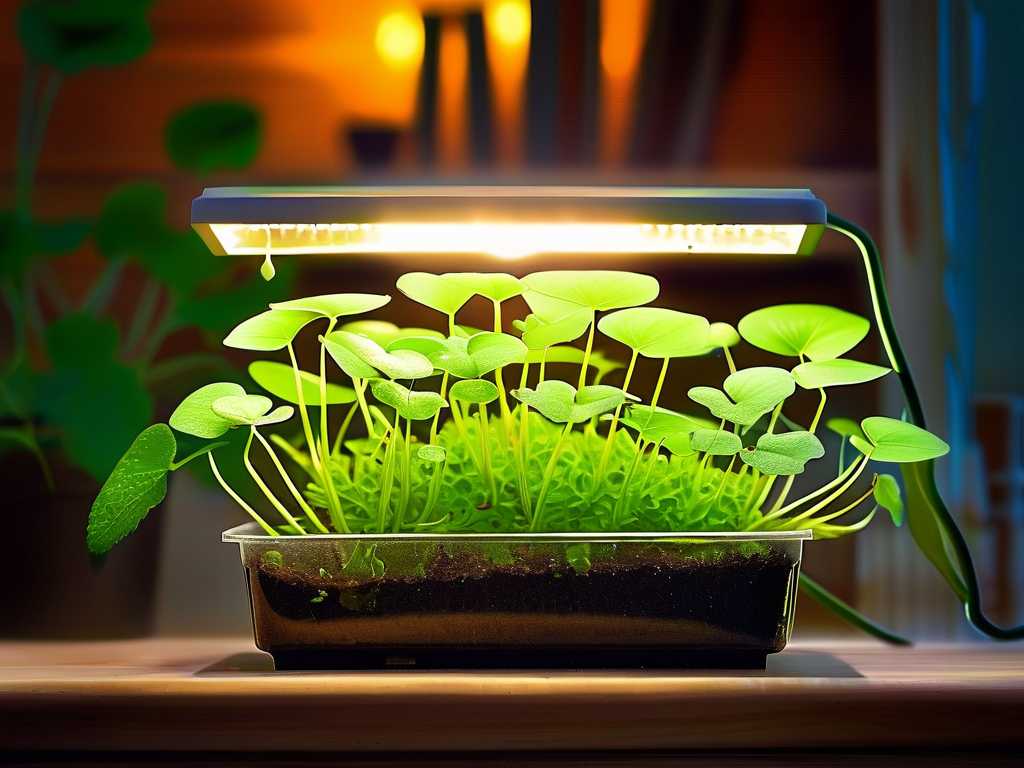
You don’t need a fancy, expensive tank. I started with a simple, clear glass aquarium (a 10-gallon size works well) but have also had great success with large glass jars or even clear plastic storage boxes. Ensure it’s clean. The most critical equipment choice is your LED grow light for carnivorous plants. Look for a full-spectrum (white light is fine) panel or bar light that can be mounted above the enclosure. A light with adjustable brightness or hanging height is a major plus. I use a 20W full-spectrum LED panel placed about 12 inches above the soil surface.
Creating the Ideal Soil Mix and Planting
The substrate is simple but crucial. I use a 50/50 mix of sphagnum peat moss and perlite. Crucially, you must rinse the perlite thoroughly with distilled water to remove dust. I learned this the hard way when a fine film seemed to inhibit dew. Moisten the mix thoroughly with distilled water before planting—it should be damp, not soggy. Gently plant your sundew, keeping the crown above the soil line. For aesthetics and moisture retention, I top-dress with live sphagnum moss or more rinsed long-fiber sphagnum.
Installing and Configuring Your LED Lighting System
Mount your LED light securely above the terrarium. My initial mistake was placing the light too close (about 6 inches away), which caused slight bleaching on some leaves despite the low heat. After adjusting to 12 inches, growth was perfect. Set a timer for a consistent photoperiod. I run my lights for 14 hours on and 10 hours off, simulating a long summer day. This consistency is key for the plant’s rhythm.
Ongoing Care and Maintenance
Watering is simple: always keep about half an inch to an inch of distilled water in the bottom of the terrarium. Let it almost dry out before refilling. This bottom-watering method keeps the soil moist without waterlogging the crown. Do not fertilize. Your sundew will catch tiny gnats or fruit flies that may enter the terrarium. If no insects are present, you can occasionally feed a tiny, dried insect (like a bloodworm) to a single leaf, but this is rarely necessary. Prune off any dead leaves with sterilized tweezers to prevent mold.
My 2-Week Observation: Trials, Errors, and Triumphs
I documented a new Drosera capensis ‘Alba’ planting closely for two weeks. Here’s what happened:
- Days 1-3: Acclimation. The plant looked slightly shocked from transplanting. Dew was minimal. I maintained stable conditions.
- Days 4-7: First signs of growth. Under the 14-hour LED cycle, I noticed the center of the rosette becoming more active. New, tiny leaves began forming. However, I spotted the first “pitfall”: condensation was so heavy on the glass that it was reducing light penetration. My fix was to slightly crack the lid for an hour each day to balance humidity and clarity.
- Days 8-14: Explosive development. By day 10, new leaves were unfurling rapidly, covered in glistening, sticky dew. The plant’s color deepened to a healthy green with red tentacles—a clear sign of sufficient light. A second issue arose: a small patch of algae on the soil surface near the glass, likely from the initial overly-close light placement. I carefully scraped it off and covered the spot with a bit of dry sphagnum. The plant showed no adverse effects and continued thriving.
The transformation from a good store-bought plant to a visibly vigorous, dewy hunter was undeniable. The LED terrarium setup for sundews provided the stability it needed.
Troubleshooting Common Problems
Even in a controlled setup, issues can pop up. Here’s what to watch for:
- Lack of Dew: This is almost always a light issue. Ensure your LED is strong enough and close enough (but not too close—12-16 inches is a good start). Increase the photoperiod to 14 hours.
- Mold or Fungus: Caused by stagnant air and excess moisture. Increase air circulation by cracking the lid periodically or using a small, low-speed fan nearby for a few hours a day.
- Leggy Growth: Your sundew is stretching for light. Move the LED light closer or invest in a more powerful unit.
- Browning Leaves: Could be from mineral burn (did you use the wrong water?), old age (normal for lower leaves), or the light being too intense and close. Review your care basics.
The American Horticultural Society’s (AHS) emphasis on “right plant, right place” holds true here. By using a terrarium and LEDs, we create the “right place” artificially, leading to remarkable success.
Frequently Asked Questions
Can I mix sundews with other plants in the terrarium? It’s possible but tricky. Most companion plants (like ferns or mosses) can outcompete sundews or require different conditions. I recommend a dedicated sundew terrarium for best results. If you experiment, choose plants that require identical soil (peat-based) and water (distilled only).
How do I know if my LED light is strong enough for growing sundews? Observe the plant. Compact, colorful growth with abundant dew means the light is sufficient. Stretching, pale leaves, and lack of dew mean it needs more. You can also use a light meter app as a rough guide; most sundews thrive at 10,000+ lux, which a good LED panel can easily provide at the correct distance.
Do I need to feed my sundew if it’s in a closed terrarium? In a balanced, closed terrarium, small insects like fungus gnats may occasionally appear and become food. If your terrarium is sealed and sterile, feeding is not strictly necessary for survival, as the plant gets energy from photosynthesis. However, an occasional tiny insect can act as a “fertilizer” boost for stronger growth. Never use human food or liquid fertilizer.
Creating a thriving sundew display in an LED-lit terrarium is one of the most rewarding projects for a plant enthusiast. It combines the beauty of a living diorama with the fascinating biology of a carnivorous plant. By focusing on their core needs—pure water, the correct soil, and most importantly, intense light provided reliably by LEDs—you can turn a finicky plant into a resilient, dewy centerpiece. Start with a hardy species like Drosera capensis, follow these steps, and be patient. Your own sticky, glistening success story is just a few weeks away.