bluename
 How to Grow Sundew in a Small Greenhouse with Heater: A 2-Week Journey from Setup to Success
I love carnivorous plants, but living in a place with chilly winters always felt like a barrier. My sundews, those sticky-leaved wonders, would struggle and often decline when temperatures dropped. I knew they needed consistent warmth and high humidity, something my indoor windowsill couldn’t reliably provide. The solution seemed obvious: a small greenhouse. But not just any greenhouse—one I could precisely control. The real challenge, I discovered, wasn’t just putting a heater inside a plastic tent. It was creating a stable, thriving miniature ecosystem for these sensitive plants. If you’ve ever battled with brown leaves, mold, or a heater that cooks your plants one day and lets them freeze the next, you know the pain. This guide is the result of my own hands-on trial, error, and ultimate success over a focused two-week period.
My Core Setup: Choosing the Right Gear
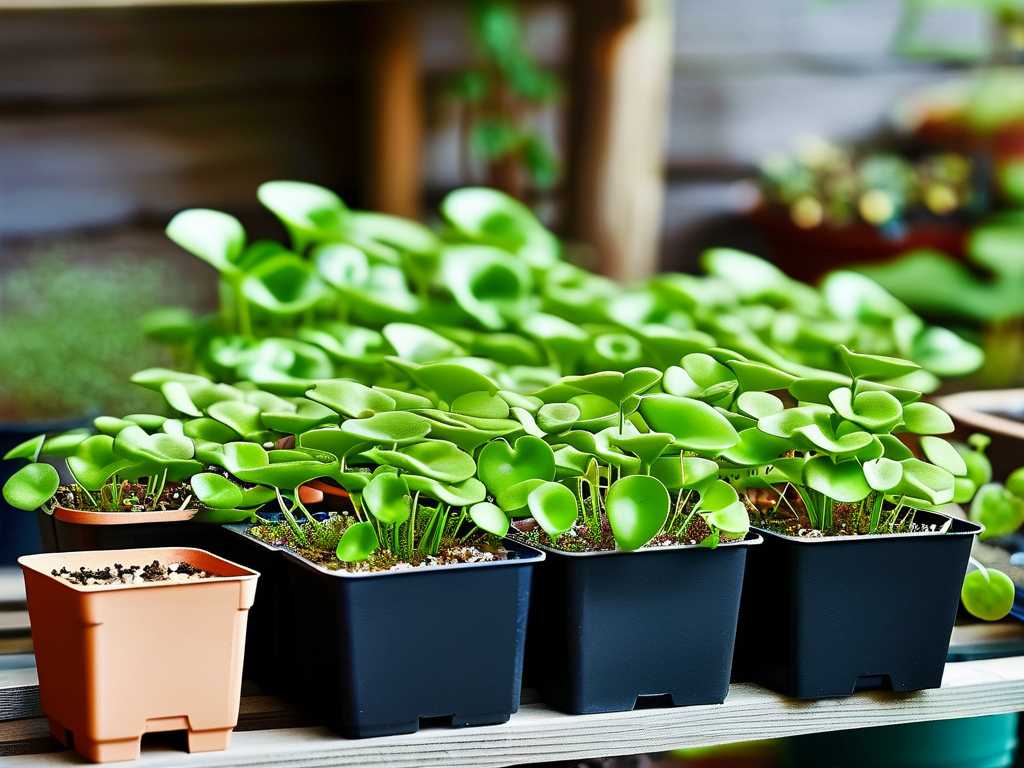
My goal was simple: replicate a warm, bog-like environment year-round. I started with a 3-tier mini greenhouse, the kind with a clear PVC cover and a metal frame. For heating, I chose a small greenhouse heater with a built-in thermostat. This was my single most important decision. According to experts at the Carnivorous Plant Society, stable temperatures are far more critical than high heat for most sundews. A simple on/off heater can cause dangerous swings.
I placed the heater on the bottom shelf. My sundews—a mix of Drosera capensis (Cape Sundew) and Drosera spatulata—went on the middle shelf. A digital hygrometer/thermometer went right beside them to monitor conditions. For lighting, I used a full-spectrum LED grow light mounted above the cover, set on a 14-hour timer to simulate long summer days.
The First 48 Hours: Dialing in the Environment
Day one was all about setup. I placed my potted sundews in their standard tray of distilled water. I turned on the heater and set the thermostat to 68°F (20°C), a safe starting point for my temperate species. The grow light kicked on. I sealed the greenhouse cover.
Within hours, I hit my first major snag. Condensation completely coated the inside of the cover, blocking the light. The humidity was reading a staggering 95%, and the temperature on the top shelf was 5 degrees cooler than at plant level. This was my first lesson: air circulation is non-negotiable. Stagnant, ultra-humid air is a recipe for fungal issues like botrytis.
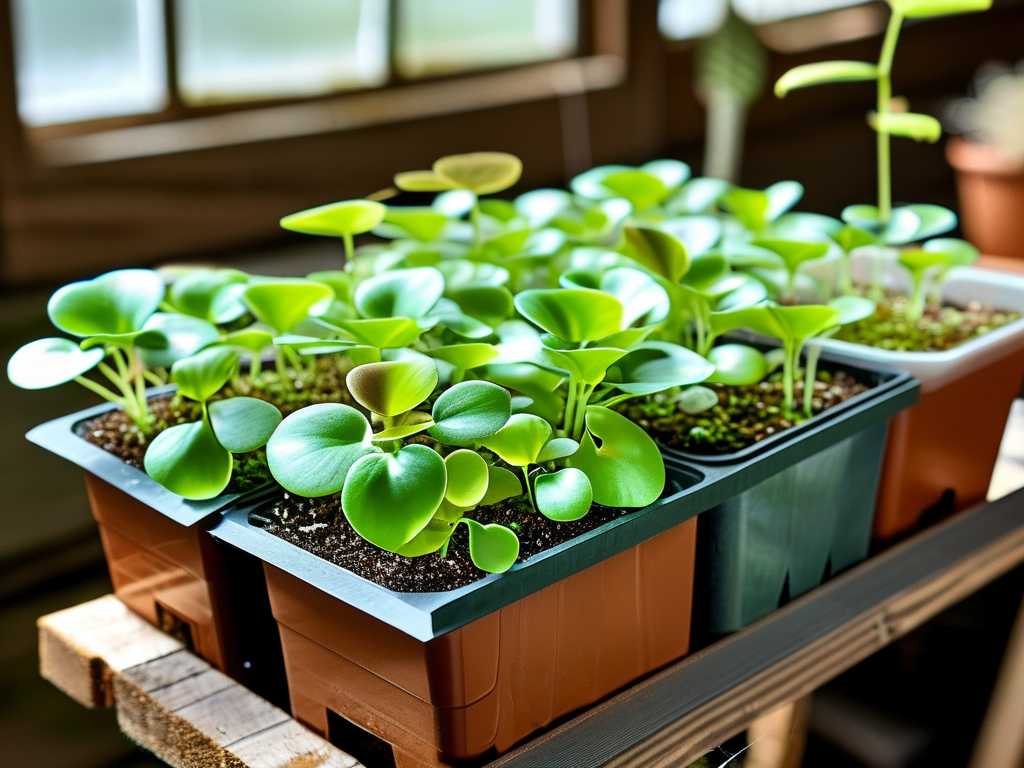
My fix was immediate. I slightly unzipped two vents on opposite sides of the greenhouse cover to create a gentle cross-flow. I also added a small, low-speed USB fan inside, pointing away from the plants to subtly stir the air. Within a few hours, the condensation cleared from the viewing panels, light penetration improved, and the humidity settled at a more manageable 75-80%. The temperature across all shelves evened out.
Week One: Observation and Adjustment
With circulation solved, the next seven days were a period of close observation. My heater’s thermostat was set to 68°F, but I noticed the actual temperature around the plants fluctuated between 66°F and 72°F (19-22°C) throughout the day-night cycle. This minor swing was perfectly acceptable. The sundews responded almost immediately. The D. capensis, which had been looking a bit lethargic, began producing new, dewy leaves at a faster rate. The sticky mucilage on their tentacles glistened brilliantly under the LED light—a sure sign of happy, photosynthesizing plants.
However, I encountered problem number two: water management. The sealed environment evaporated water much slower than my open-air trays. I found the top layer of sphagnum moss staying too soggy. The American Horticultural Society emphasizes that while carnivorous plants need constant moisture, their roots still require oxygen. Prolonged waterlogging can cause root rot.
My solution was to adjust my watering routine. Instead of keeping the tray permanently full, I let it dry out until it was just damp to the touch before adding a fresh quarter-inch of distilled water. This simple change provided the perfect balance of moisture and aeration.
Week Two: Stability and Signs of Growth
Entering the second week, my small heated greenhouse had found its rhythm. The system was stable. The heater cycled on and off gently, maintaining the sweet spot. The fan hummed softly, keeping the air fresh. Every morning, I’d check the hygrometer and see consistent readings: 72-75°F (22-24°C) during the day, dipping to 65-68°F (18-20°C) at night, with humidity steady at 70-80%.
The growth was undeniable. My Drosera spatulata rosettes, which had been tight and small, began to expand. Several plants sent up new flower stalks—a clear signal they were not just surviving, but thriving and ready to reproduce. I noticed no signs of mold or algae, thanks to the ongoing air movement. The plants were actively catching and digesting the occasional fungus gnat that found its way inside, proving their digestive enzymes were functioning optimally.
Key Takeaways and Lessons Learned
Looking back over this intensive two-week period, a few critical principles emerged for successfully growing sundews in a controlled climate.
First, the heater is a tool for stability, not just warmth. A thermostat-controlled unit is worth every penny. Second, your heater and your fan are a team. One provides heat, the other ensures it’s evenly distributed while preventing disease. Third, your care routine must adapt to the closed environment. Water less frequently than you would outdoors, and always use mineral-free water.
It’s also worth noting that not all sundews have the same needs. Tropical species like Drosera adelae might appreciate the higher end of my temperature range, while some temperate species might prefer the lower end. Always research your specific plant’s native habitat.
Common Questions from Fellow Growers
My sundew’s leaves are turning brown and crispy. Is the heater killing it? This is more likely a humidity or water issue than a direct heat problem. In a heated space, air can become dry even in a greenhouse. Ensure your water tray is always filled with distilled water to provide evaporative humidity. Crispy leaves can also mean the plant is getting too much direct heat from a poorly positioned heater—make sure no hot air is blowing directly on the foliage.
What’s the ideal temperature for a sundew greenhouse? For most commonly cultivated sundews like Cape Sundews, a daytime range of 70-75°F (21-24°C) and a nighttime drop to 60-65°F (15-18°C) is excellent. This mimics their natural conditions and promotes healthy growth. The key is consistency; avoid swings greater than 10-15 degrees.
Can I use a heat mat instead of a space heater? Heat mats are fantastic for providing root warmth and are very efficient for a small collection. However, they primarily heat the soil, not the air. For a fully enclosed mini greenhouse, a small space heater with a thermostat does a better job of managing the ambient air temperature that the entire plant experiences. For a single tray of plants, a mat under the water tray can be sufficient.
This journey transformed my approach to winter care. What started as an experiment to prevent decline has become a catalyst for vigorous, year-round growth. The combination of a small greenhouse with a reliable heater, paired with attentive adjustments to airflow and watering, creates a micro-habitat where these fascinating carnivorous plants don’t just endure—they flourish. The sight of dewy leaves and new flower stalks in the middle of winter is a reward that makes every bit of the setup process worthwhile.