bluename
 How to Grow Sundew in a Greenhouse with Ventilation: A Grower’s Guide to Success
I’ve always been fascinated by the otherworldly beauty of sundews. Their glistening, dew-tipped tentacles are a marvel of nature, but for years, I struggled to keep them thriving outside their natural boggy habitats. My biggest challenge? Recreating that perfect, humid yet fresh environment they crave. A stagnant, overly humid greenhouse would lead to mold and rot, while low humidity meant those precious dewdrops vanished, starving the plant. It felt like an impossible balance until I mastered one critical element: greenhouse ventilation for sundews. This guide is the culmination of my journey, including the mistakes I made and the precise system that now keeps my Drosera collection flourishing.
Understanding the Sundew’s Dilemma: Humidity vs. Airflow
Sundews (Drosera) are carnivorous plants native to wetlands worldwide. They require consistently moist soil and high ambient humidity, often 50% or higher, to produce the sticky mucilage that traps insects. However, their need for humidity is frequently misunderstood. They do not want to sit in stagnant, waterlogged air. According to the International Carnivorous Plant Society (ICPS), good air movement is crucial for preventing fungal diseases and promoting strong, healthy growth. This is where a standard terrarium setup often fails hobbyists. A sealed environment traps moisture but also heat and pathogens. The solution isn’t less humidity; it’s managed humidity through strategic ventilation.
My goal was to create a greenhouse environment that maintained high humidity while introducing a gentle, consistent exchange of air. This mimics the natural breezes found in their native habitats, preventing the “greenhouse effect” of overheating and stagnation.
Designing Your Ventilated Sundew Greenhouse System
Setting up the right system is more than just opening a window. It’s about creating a controlled cycle. My current setup is a modest 6x8 foot greenhouse, but the principles apply to any size.
The Core Components:
- The Greenhouse Structure: I use a polycarbonate-paneled greenhouse. It retains heat well but can overheat quickly. Shade cloth (50%) is mandatory during summer months to prevent cooking the plants.
- The Water Table: This is non-negotiable. My plants sit in deep trays filled with 1-2 inches of distilled or rainwater year-round. This provides bottom-watering and evaporates to boost local humidity.
- The Ventilation Duo:
- Passive Intake Vents (Lower): I installed adjustable louvers near the base on the shaded side. Cooler, fresh air naturally enters here.
- Active Exhaust Fan (Upper): Mounted at the peak on the opposite side, a thermostatically controlled exhaust fan kicks on when the temperature rises above 75°F (24°C). It actively pulls the hot, stale, moisture-laden air out.
This creates a cross-flow ventilation pattern. Cool air in low, hot air out high, with a gentle breeze passing over the plants. For my smaller Cape Sundews (Drosera capensis), this airflow has made their stalks sturdier and their dew production more consistent.
The Critical Role of Growing Media in a Ventilated Setup
You cannot talk about growing sundews in a greenhouse without addressing the soil. In a ventilated, potentially drier-air environment, the right media is your buffer. Standard potting soil is lethal. I use a 50:50 mix of sphagnum peat moss and perlite. The long-fibered sphagnum moss is excellent. It holds tremendous moisture while allowing oxygen to reach the roots, and its slight acidity is perfect.
Here’s the mistake I made initially: I used fine-grade sand. In the active airflow, the surface of the pot dried out too quickly, creating a false “dry” layer while the bottom was soggy, confusing my watering schedule. Switching to the peat-perlite mix provided even moisture retention throughout the pot. The Carnivorous Plant Hub experts consistently emphasize the importance of inert, nutrient-free media, and my experience proves it’s the foundation for everything else.
A Two-Week Observation Log: Dialing in the Environment
I documented a two-week period after installing the new thermostatic fan to share the real impact.
- Days 1-3: The fan was set to 78°F. I noticed the dewdrops on my Spoon-leaved Sundew (Drosera spatulata) were slightly smaller by midday. Humidity was dropping to 55% when the fan ran. Solution: I lowered the fan trigger to 75°F and added a second water tray to increase evaporation surface area.
- Days 4-7: With the fan running more frequently but at shorter intervals, the humidity stabilized between 60-65%. Dew production was robust all day. Critically, I saw no new signs of the grey mold (Botrytis) that had previously nibbled on a few leaves.
- Days 8-14: The system found its rhythm. Mornings were dewy and humid (80%). As the sun warmed the greenhouse, the fan cycled on and off, keeping temperatures between 75-82°F (24-28°C) and humidity in the sweet spot of 60-70%. Plant response was remarkable. New leaves emerged faster on my King Sundew (Drosera regia), and the color of my Drosera filiformis deepened to a vibrant red.
The key takeaway was that constant, gentle air exchange was far superior to occasional, dramatic venting.
Lighting and Seasonal Adjustments for Potted Sundews
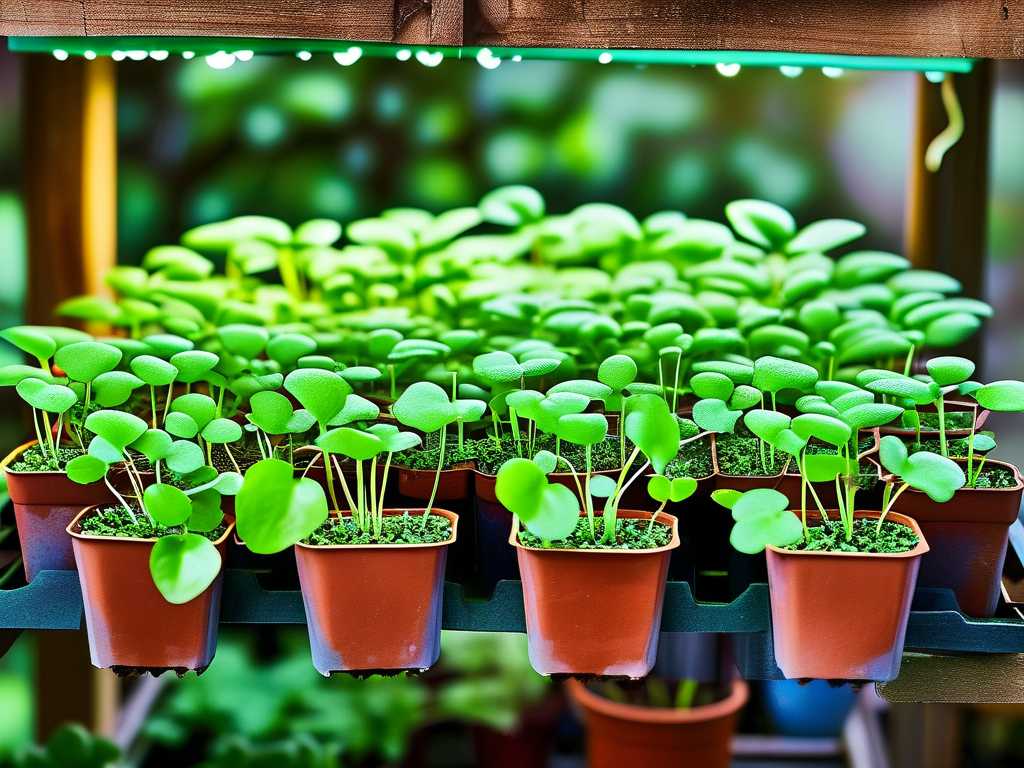
Ventilation works hand-in-hand with lighting. In my greenhouse, I rely on natural light, but during winter, I supplement with full-spectrum LED grow lights for 12-14 hours to maintain growth. Here’s the connection: strong light increases photosynthesis and temperature, which in turn increases transpiration and the need for effective ventilation to manage the microclimate.
Seasonal adjustments are vital:
- Summer: Exhaust fan is most active. Shade cloth is essential. I may partially close the lower vents on extremely hot, dry days to preserve humidity, but the fan always ensures airflow.
- Winter: The fan rarely runs. I seal most vents to retain warmth, but I still crack one high vent slightly to prevent absolute air stagnation, which is a different danger. The water table level is maintained.
Troubleshooting Common Ventilation-Related Issues
Even with a good system, problems arise. Here are the pitfalls I’ve faced.
- Problem: Dew Disappearing. This was my original heartbreak. If dew isn’t forming, it’s usually a combination of low humidity and incorrect water. Solution: First, ensure you are using only distilled, reverse osmosis, or rainwater. Tap water minerals clog the tentacles. Second, check if your exhaust fan is running too much or your intake vents are too large, creating a draft that strips humidity. Reduce vent size or add a humidifier with a humidity stat set to 60%.
- Problem: Fungus Gnats or Mold. This signals stagnant air and/or overwatering the surface. Solution: Improve your cross-ventilation. Let the surface of the peat moss dry slightly between top-waterings (though the tray below should still have water). The airflow will deter gnats and dry surface mold.
- Problem: Leaf Burn or Crisping. If leaves are browning at the tips despite good humidity, the air movement might be too direct and harsh. Solution: Reposition plants away from the direct path of the intake vent or fan. Use a small circulating fan pointed at a wall to create indirect, gentle air movement rather than a direct blast.
Frequently Asked Questions
Can I grow sundews in a greenhouse without an exhaust fan? Yes, but it requires more hands-on management. You would rely solely on passive vents (roof and side) that you open manually every morning and close every evening. This is less precise and risks greater temperature/humidity swings. In my experience, for consistent results, especially with rarer species, a thermostatically controlled fan is worth the investment.
What is the ideal temperature and humidity range for most sundews? A good general range is 65-85°F (18-29°C) during the day with a slight drop at night. Humidity should ideally stay above 50%, with 60-75% being the prime zone for most common species. Tropical varieties like Drosera adelae prefer it higher (70%+), while some temperate species can tolerate slightly lower. A simple digital hygrometer/thermometer is your best friend.
How often should I water my sundews in a ventilated greenhouse? The golden rule is the tray method: keep 1-2 inches of pure water in the tray at all times. The ventilated environment will increase evaporation from both the tray and the pot, so you will need to refill the trays more frequently than in a closed terrarium. Check water levels every 2-3 days. The media should feel perpetually damp like a wrung-out sponge, never soggy and never dry.
Mastering the balance of moisture and airflow transformed my sundew cultivation from a series of guesses into a predictable science. By implementing a thoughtful ventilation strategy—pairing passive intake with active exhaust, using the right soil, and making seasonal tweaks—you create a resilient environment where these captivating carnivores can truly thrive. It’s not about fighting their need for humidity, but about partnering it with the fresh, moving air they equally require. Start with the water tray, add a fan, observe your plants closely, and you’ll be rewarded with a greenhouse full of healthy, dewy, insect-catching wonders.