bluename
 How to Grow Sundew in a Cold Greenhouse: A Practical Guide for Carnivorous Plant Enthusiasts
I love the otherworldly beauty of sundews, those dewy, carnivorous wonders. But for years, I struggled with a common dilemma: my climate has harsh winters, and my indoor space lacks sufficient light. I wanted a sustainable, year-round solution that didn’t involve expensive, heated tropical setups. That’s when I turned my attention to the cold greenhouse. If you’re like me, a plant lover in a temperate zone wondering how to successfully cultivate these fascinating plants through the seasons, you’ve likely hit the same wall. The challenge isn’t just keeping them alive, but helping them thrive and enter their crucial dormancy period. This guide is the result of my hands-on journey, detailing exactly how to grow sundew in a cold greenhouse, from setup to seasonal care, including the mistakes I made and how I fixed them.
My primary goal was to create an environment suitable for temperate sundew species like Drosera filiformis, D. intermedia, and D. rotundifolia. These plants require a distinct winter dormancy triggered by cold temperatures, which is perfectly provided by an unheated, or “cold,” greenhouse. Over a focused two-week observation period and beyond, I dialed in the specifics. I’ll share that process, supported by principles from authoritative horticultural bodies like the Royal Horticultural Society (RHS) and the American Horticultural Society (AHS), which emphasize understanding a plant’s native habitat for successful cultivation.
Understanding the Cold Greenhouse Environment for Sundews
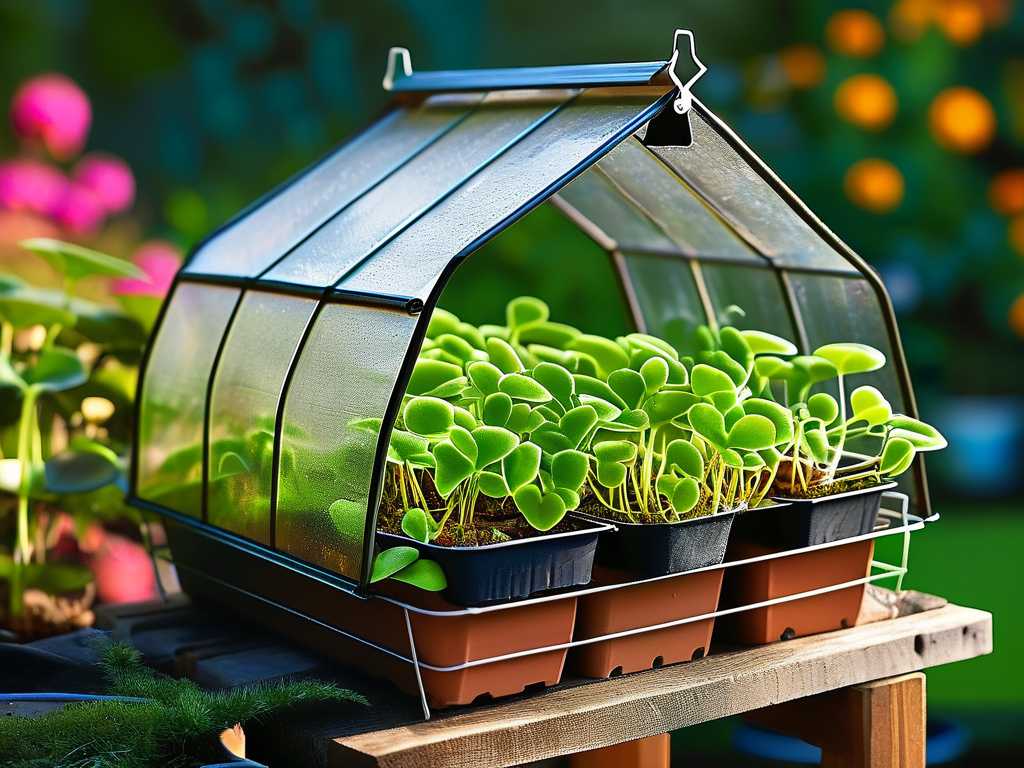
A cold greenhouse, by definition, is an unheated structure. Its temperature fluctuates with the outside weather but is buffered from the extremes, particularly frost, wind, and heavy rain. For temperate sundews, this is ideal. The RHS notes that many hardy carnivorous plants benefit from “a period of cold winter rest,” which strengthens them for vigorous spring growth. The greenhouse simply provides a protected microclimate.
The core challenge is balance: preventing a deep freeze that can rupture plant cells while ensuring enough chilling hours for dormancy. My greenhouse maintains a winter temperature range of approximately 23°F (-5°C) to 50°F (10°C). Crucially, it’s the protection from persistent, saturated frozen conditions that makes the difference.
Essential Setup: Creating the Perfect Sundew Foundation
Before introducing a single plant, the foundation must be correct. Sundews have very specific, non-negotiable needs.
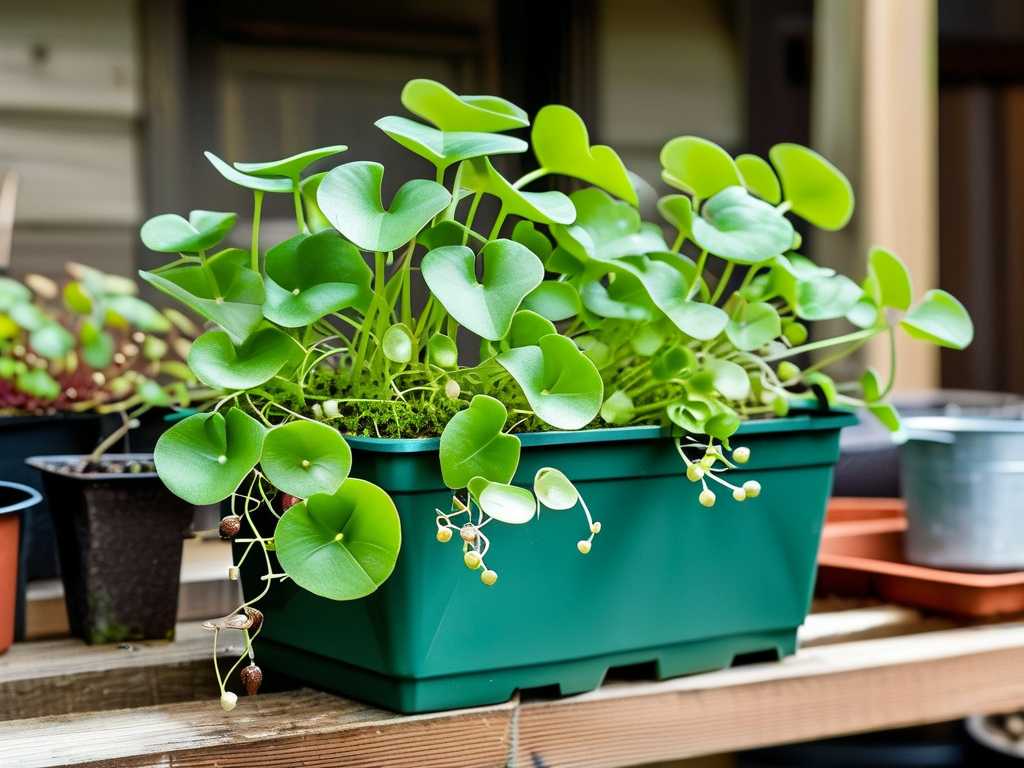
Choosing the Right Growing Medium Never use potting soil or compost. These are fatal. Sundews require nutrient-poor, acidic, and constantly moist media. I use a 50:50 mix of sphagnum peat moss and perlite. The peat provides acidity and moisture retention, while the perlite ensures aeration and prevents compaction. I pre-moisten the mix with distilled water or rainwater until it’s like a damp sponge. According to expert consensus, including AHS guidelines, tap water is a leading cause of failure due to dissolved minerals.
Selecting Suitable Containers and Watering Systems Drainage holes are mandatory. I use deep plastic pots or trays to accommodate the water reservoir method. This technique involves placing the pot in a saucer or tray that always holds 0.5 to 1 inch of water. I learned the hard way that letting the tray dry out, even for a day during summer, can cause severe stress and leaf burn. My solution was setting up a simple, automated drip line on a timer for the peak growing season, ensuring the reservoir never runs dry. For winter, I switch to manual watering, just keeping the media slightly damp, not soggy.
Maximizing Light Exposure Light is their energy source. Even in a greenhouse, winter light can be weak. I position my sundews on the highest bench, closest to the glazing, to avoid shading. During my two-week observation in late autumn, I noticed my Drosera capensis (a more tolerant species) starting to stretch and produce less dew. I immediately installed two full-spectrum LED grow lights, set on a 12-hour timer, to supplement the short days. The improvement was dramatic within days; new growth emerged with plentiful, sticky dew. This step is non-negotiable for maintaining healthy plants from fall to early spring.
The Step-by-Step Process: From Planting to Dormancy
Here is the exact process I followed, tracking progress and adjustments over a critical two-week period as seasons changed.
Week 1: Acclimation and Initial Observation I introduced my potted sundews to the greenhouse in early fall. The daytime temperatures were pleasant, but nights were getting cool. My goal was to let them acclimate naturally to the dropping temperatures.
- Day 1-3: Plants looked normal. Watering was via the tray method.
- Day 4-7: I noticed the first visual cue of approaching dormancy in my temperate species: the center growth point slowed, and some leaves began to die back. This is a natural process, not a cause for alarm. I reduced the water level in the trays, moving from “constantly full” to “allowing to dry slightly before refilling.” This mimics the natural transition to wetter, but less actively growing, conditions.
Week 2: Active Adjustments and Problem-Solving This week brought a sudden cold snap, testing the setup.
- Day 8-10: Nighttime temperatures inside the greenhouse dipped to 28°F (-2°C). I woke to find a very light frost on the inside of the glass. Panic set in! I checked the plants. The hardy D. rotundifolia was unfazed, but my D. filiformis showed slight tip blackening on some leaves. My mistake was poor air circulation. Stagnant, cold, damp air is more dangerous than cold, dry air.
- The Fix: I installed a small, low-speed oscillating fan set to run intermittently. This simple move prevented condensation from settling on the plants and promoted even air temperature. The RHS specifically recommends “good ventilation” in greenhouses to prevent fungal diseases, which are a major risk in cool, stagnant conditions.
- Day 11-14: With the fan running, the plants stabilized. The blackening on D. filiformis did not spread. The sundews were clearly entering dormancy: growth had stopped, and they adopted a tighter, smaller form (often called a hibernaculum). I now watered only lightly at the soil level once a week, as the media stayed moist for much longer in the cold.
Seasonal Care Schedule for Year-Round Success
Spring (Awakening): As daylight increases and temperatures consistently rise above 50°F (10°C), growth resumes. I gradually refill the water trays and resume the constant reservoir method. This is the best time for repotting or dividing clumps. Summer (Peak Growth): This is their glory season. The tray must never dry out. I shade the greenhouse lightly during peak afternoon sun in heatwaves to prevent cooking the plants. Feeding happens naturally as insects are trapped, but I occasionally supplement with freeze-dried bloodworms for robust growth. Autumn (Preparing for Rest): I stop any supplemental feeding. As growth slows, I reduce watering frequency. I clear away any dead foliage to prevent mold. Winter (Dormancy): This is the maintenance phase. The plants may look mostly dead—this is normal. I keep the media just damp. The key is protecting them from repeated freeze-thaw cycles. The greenhouse provides this perfectly. No fertilizer, no deep watering, just patience.
Common Pitfalls and How I Overcame Them
Pitfall 1: Fungus Gnats and Mold. In my first humid autumn, I saw fuzzy mold on the peat surface and tiny flies. The cause was overwatering combined with dead leaf matter and poor air flow.
- Solution: I improved ventilation with the fan, removed all decaying material, and placed a thin layer of pure, long-fibered sphagnum moss on the soil surface. For gnats, I used yellow sticky traps. This combo solved the issue organically.
Pitfall 2: Insufficient Light Leading to Etiolation. As mentioned, my plants became leggy and dew-less. They were starving for photons.
- Solution: Supplemental LED lighting. It transformed plant health and is now a permanent part of my cold greenhouse setup for the darker months.
Pitfall 3: Overheating on a Sunny Winter Day. A surprising issue! On a bright, calm winter day, the greenhouse interior can soar to 70°F (21°C) even when it’s freezing outside. This can prematurely break dormancy.
- Solution: I always ensure automatic roof vents are functional or manually crack open a door or vent on sunny days, even in winter, to regulate the temperature.
Will my sundews die back completely in the cold greenhouse winter? Yes, and they should. Temperate sundews like Drosera intermedia and Drosera rotundifolia form a tight winter bud. They may retain some leaves, but growth halts. This dormancy is vital for their long-term health and seasonal rhythm. Seeing them shrink back is a sign of success, not failure.
Can I grow tropical sundews like Drosera capensis in a cold greenhouse? You can, but not year-round. Drosera capensis does not require dormancy and will be killed by a hard freeze. I treat mine as annuals or bring them indoors before the first deep frost. For a purely cold greenhouse, stick to temperate and hardy species.
How do I know if I’m overwatering during dormancy? The media should feel cool and barely damp to the touch, never sopping wet or bone dry. If you see persistent, widespread mold on the soil surface or the crown of the plant feels mushy, you are overwatering. Reduce frequency immediately and increase air flow.
Growing sundews in a cold greenhouse has been a deeply rewarding project. It leverages a simple structure to meet the precise ecological needs of these captivating plants. By focusing on their native cycle—abundant sun and water in summer, a cool, protected rest in winter—you can cultivate a thriving colony. The key takeaways are to mimic their bog habitat with the right soil and water, respect their need for dormancy, and vigilantly manage light and air flow. Start with hardy species, observe closely, and don’t be discouraged by the quiet winter phase. Come spring, the sight of those first new leaves unfurling, glistening with dew, will prove every bit of effort was worth it.