bluename
 How to Grow Sundew in a Small Apartment: A Beginner’s Urban Jungle Guide
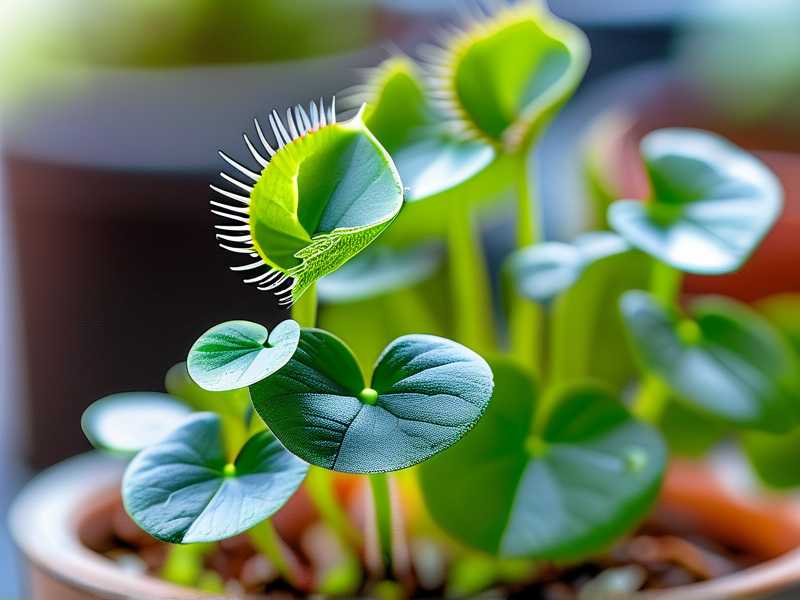
Living in a small apartment often feels like a compromise, especially for a plant lover. You dream of lush greenery, but space is limited. You crave unique, interactive plants, but worry about complex care. I get it. For years, I thought carnivorous plants like sundews were strictly for experts with sprawling greenhouses. That changed when I discovered that with the right approach, how to grow sundew in a small apartment is not only possible but incredibly rewarding. These sticky, glistening gems are perfect micro-plants, turning a sunny windowsill into a fascinating, living insect trap. This guide is born from my own two-week experiment, complete with mistakes, fixes, and ultimate success.
Why Sundews Are Perfect for Apartment Dwellers
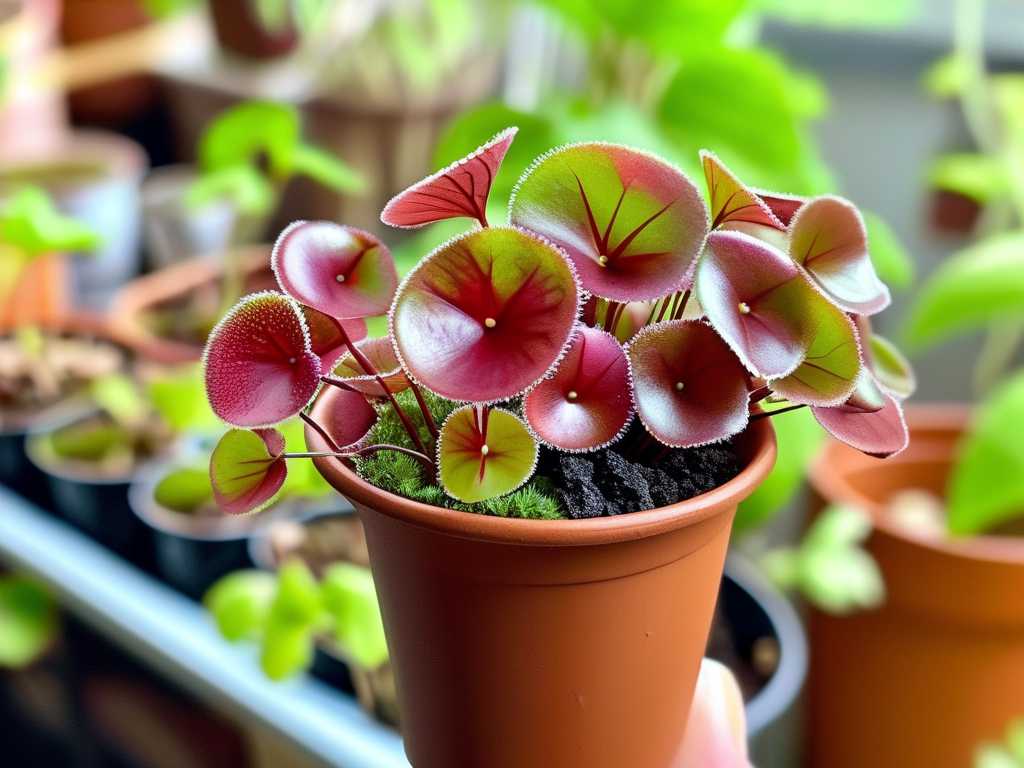
Let’s debunk the myth: sundews (Drosera) aren’t the high-maintenance divas they’re made out to be. Their core needs—light, water, and humidity—are easily met in a compact living space. They stay relatively small, rarely outgrowing a 4-inch pot. More importantly, they serve a function. In a sealed apartment, the occasional fungus gnat or fruit fly can become a nuisance. A sundew acts as a natural, passive pest control, its dewy tentacles luring and digesting tiny insects. It’s a conversation starter and a natural wonder, all in one.
My 2-Week Sundew Setup and Observation Journal
I decided to document my journey from day one, tracking every step and its effect. My subject was a common but beautiful Drosera capensis, the Cape sundew, known for its beginner-friendly nature.
Week 1: The Foundation – Getting the Basics Right
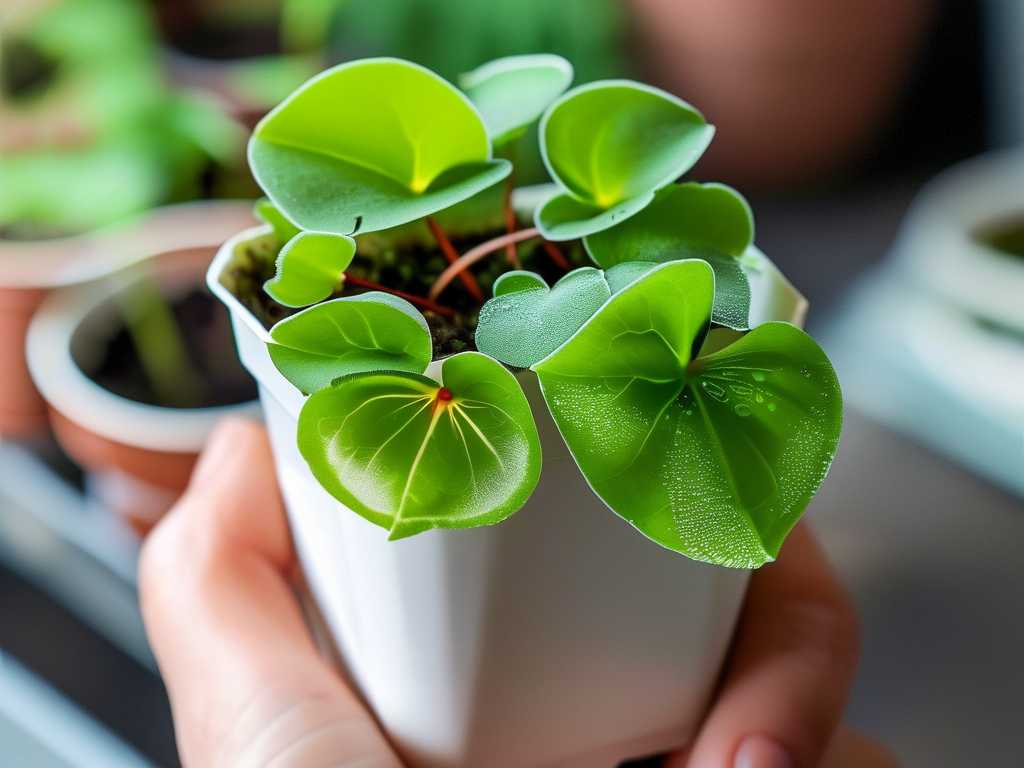
The initial setup is critical. Getting it wrong here means an uphill battle later.
- Selecting the Right Sundew: For beginners in confined spaces, I recommend Drosera capensis or Drosera spatulata. They are adaptable, forgiving, and thrive on windowsills. I chose a healthy D. capensis from a reputable nursery, avoiding big-box stores where plants are often stressed.
- The Non-Negiable Potting Mix: My first near-fatal mistake was almost using standard potting soil. Sundews require nutrient-free, acidic media. I used a pre-mixed blend of sphagnum peat moss and perlite (a 50:50 ratio). According to the International Carnivorous Plant Society, this mimics their natural bog habitat and prevents root burn from fertilizers.
- Water is Everything – The Tray Method: Tap water is a silent killer due to dissolved minerals. I use distilled, reverse osmosis, or rainwater only. Here’s the game-changer for apartment care: the tray method. I placed my sundew’s pot in a shallow saucer or tray and keep it permanently filled with about half an inch of this pure water. This creates a consistent humid microclimate and ensures perfect bottom-watering. My plant’s roots stayed constantly moist but not waterlogged.
- Finding the Light Sweet Spot: Sundews are sun worshippers. I placed mine on a south-facing windowsill where it receives at least 6 hours of direct sunlight. Within 48 hours, I noticed a dramatic difference. The tentacles, which had been somewhat pale, began producing copious, ruby-red dewdrops. The plant visibly oriented itself toward the light. Without sufficient light, they become leggy and stop producing dew, losing their carnivorous ability.
By the end of Week 1, my sundew was visibly happier. New, tiny leaves were unfurling, and the dew production was constant. The tray method eliminated my anxiety about underwatering.
Week 2: Troubleshooting and Advanced Care in a Small Space
The second week was about refinement and solving the inevitable small problems.
- The Humidity Hurdle and DIY Solution: Apartments, especially with AC or heat, can be dry. While the tray helped, I wanted to boost local humidity. I didn’t buy a humidifier. Instead, I created a “pebble tray cluster.” I took a larger, shallow tray, filled it with pebbles, added water just below the top of the stones, and grouped my sundew pot with a few other moisture-loving plants on top. The evaporating water created a perfect localized humid zone. This simple trick increased dew viscosity noticeably.
- To Feed or Not to Feed? A common question! In my sealed apartment, few insects ventured in. The American Horticultural Society notes that while sundews can survive on light and water alone, they grow more vigorously with occasional feeding. Once, I carefully placed a dead fruit fly (from a sticky trap) onto a leaf. It was fascinating to watch the tentacles slowly curl over it within hours. Feeding sundew plants indoors is simple: one tiny insect per plant every 2-4 weeks is ample. Overfeeding can rot the leaf.
- Dealing with “Crispy Tips” – My Main Pitfall: Around day 10, I noticed the very tips of a few older leaves turning brown and crispy. Panic set in. Was it the light? Water? After research and consulting online forums filled with expert growers, I diagnosed the issue: mineral buildup. Even though I used distilled water, I was top-watering occasionally, and residual minerals in the pot’s rim might have seeped down. The fix was straightforward: I flushed the pot thoroughly with distilled water from the top, letting it drain completely, and then returned it to the fresh-water tray. I stopped top-watering entirely. New growth came in perfectly dewy.
After two weeks of focused care, my sundew wasn’t just surviving; it was thriving. It had produced three new full leaves, its color was a deep red-green, and it was actively catching the occasional gnat. The space it occupied was minimal—just one corner of a windowsill—but its impact on my indoor garden’s ecosystem and my enjoyment was massive.
Essential Sundew Care Checklist for Your Apartment
Let’s condense the learnings into a quick-reference guide.
- Light: Maximum bright, direct sunlight (south or west window). Consider a compact LED grow light if natural light is poor.
- Water: Only distilled, rainwater, or reverse osmosis water. Use the tray method permanently.
- Soil: Nutrient-free mix of sphagnum peat moss and perlite. Never use regular potting soil or fertilizer.
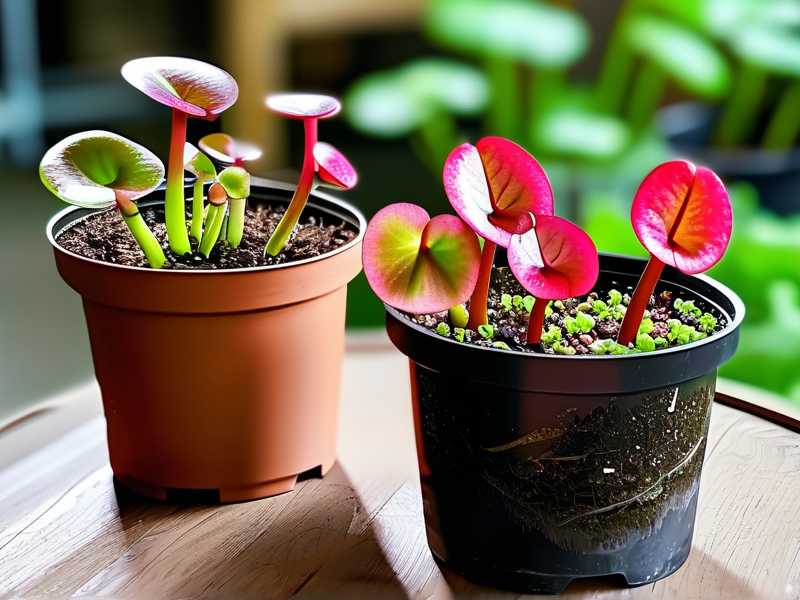
- Pot: Plastic or glazed ceramic with drainage holes. Avoid terracotta, which can leach minerals.
- Feeding: Optional. If no insects are present, offer one tiny insect per plant monthly.
- Pruning: Simply snip off any completely blackened leaves at the base with clean scissors to keep the plant tidy.
Creating a Mini Bog Garden for Display
To elevate your setup, create a stunning mini bog garden. Use a glass terrarium, a wide ceramic bowl, or even a large soup mug. Layer the bottom with pebbles for drainage, add your peat-perlite mix, and plant a small sundew alongside other compatible carnivores like a butterwort or a tiny pitcher plant. This self-contained ecosystem is a breathtaking centerpiece that manages its own humidity.
Common Sundew Problems and Their Simple Fixes
- No Dew on Leaves: Almost always insufficient light. Move to a brighter location or add a grow light.
- Leaves Turning Black: This can be natural aging of old leaves. If new leaves are blackening, it’s often due to mineral-contaminated water or fertilizer burn. Flush with pure water and review your water source.
- Leggy, Stretched Growth: A sure sign of low light. The plant is reaching for the sun. Provide more direct light.
- Mold or Fungus on Soil: Usually from lack of air circulation and overly soggy topsoil. Increase airflow (a small fan on low helps), scrape off the mold, and ensure you’re using the tray method instead of top-watering.
How often should I water my apartment sundew? You don’t “water” it in the traditional sense. Use the tray method: always keep half an inch of distilled or rainwater in the saucer underneath the pot. The plant will drink what it needs. Just top up the tray when it’s dry. This is the single easiest way to ensure perfect moisture.
Can I use tap water if I let it sit out for a day? No. Letting water sit only evaporates chlorine, not the dissolved mineral salts (like calcium and magnesium) that will slowly poison your sundew and cause leaf burn. Distilled, rainwater, or reverse osmosis water are the only safe options.
My sundew caught a large insect. Should I help it? Resist the urge. The plant’s digestive process is slow and can take days. Removing an insect can damage the delicate, dew-covered tentacles. Trust the process. The leaf may eventually turn black and die if the prey was too big, but the plant will have absorbed nutrients and will grow new leaves. Growing a sundew in a small apartment is a lesson in precision, not effort. By focusing on the three pillars of pure water, intense light, and the right soil, you create a self-sustaining micro-habitat. It’s a testament to the fact that you don’t need a yard to cultivate something extraordinary. Watching the morning sun glint off those sticky, dewy leaves, knowing your plant is content and thriving in its compact home, is a unique joy for any urban plant enthusiast. Start with one, master its care, and you might just find yourself making room for a few more.