bluename
 How to Grow Sundew in a Window Box: A Complete Guide from a Fellow Plant Lover
I’ve always been fascinated by carnivorous plants, but like many urban dwellers, I assumed I needed a sprawling backyard or a fancy terrarium to grow them. The idea of cultivating something as delicate and exotic as a sundew on my apartment windowsill seemed like a distant dream. That was until I discovered the magic of the window box. If you’re reading this, you probably share that same longing—to bring a piece of the wild, insect-catching wonder into your home, constrained only by limited space and perhaps a bit of uncertainty. I’m here to tell you it’s not only possible but incredibly rewarding. After extensive trial, error, and a successful two-week observation period, I’ve perfected a method to grow sundew in a window box that thrives. Let me walk you through every step, including the mistakes I made so you can avoid them.
Why a Window Box is Perfect for Sundews
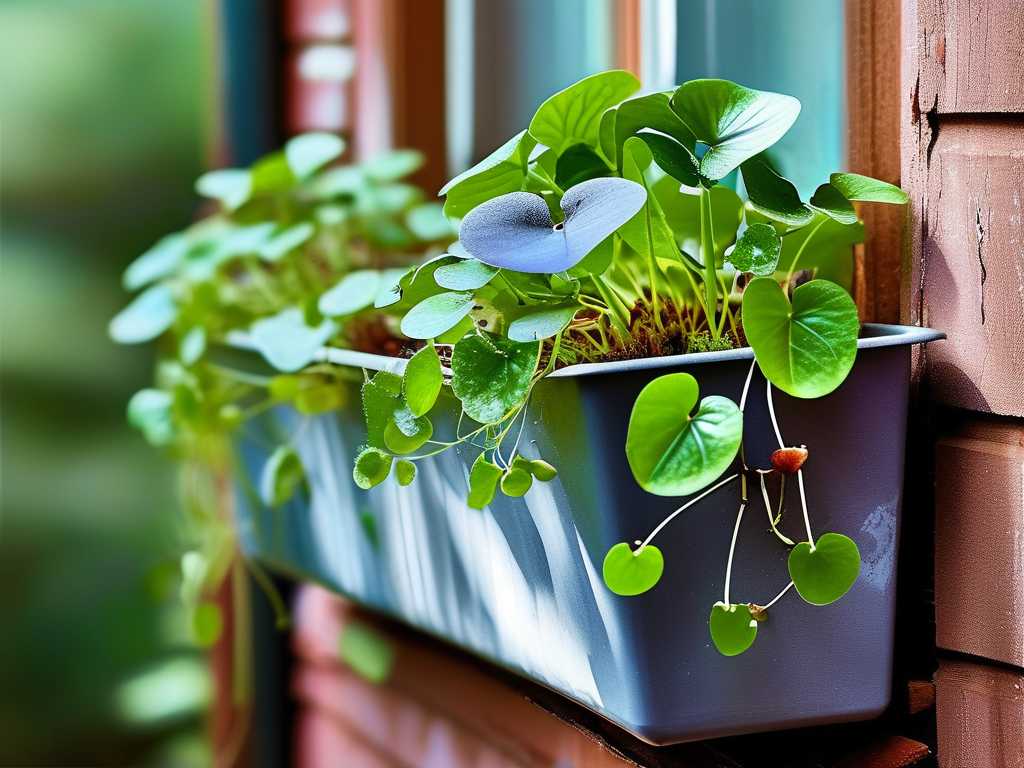
Sundews (Drosera) are surprisingly adaptable. Their primary needs are simple: abundant light, consistent moisture, and the right growing medium. A south or east-facing window box provides an ideal microclimate. It offers the bright, direct sunlight these plants crave for producing their signature sticky, dew-covered tentacles. The container itself allows for precise control over soil and water, which is critical. I learned that mimicking their natural bog habitat is the key to success, and a window box makes this simulation manageable.
My Essential Toolkit for a Sundew Window Box
Before we begin, gathering the right materials is 80% of the battle. Using the wrong component can set you back weeks, as I unfortunately discovered.
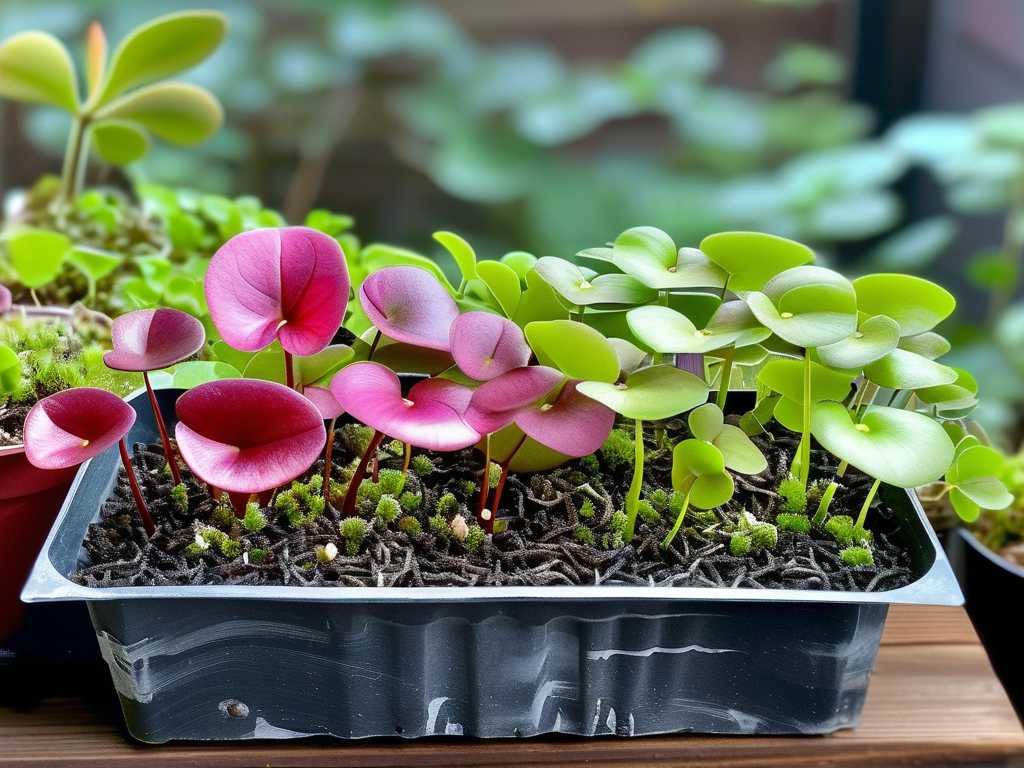
- The Window Box: Choose a box at least 6-8 inches deep with excellent drainage holes. I initially used a shallow, decorative box, and the roots became waterlogged and stunted. Depth is non-negotiable.
- The Growing Medium: This is the most critical step. Never use standard potting soil or compost. It is too rich and will kill your sundews. According to the International Carnivorous Plant Society (ICPS), a mix of peat moss and perlite or horticultural sand in a 1:1 ratio is the gold standard. I use a pre-mixed carnivorous plant soil from a reputable seller, which saved time and ensured quality.
- Water: Tap water is a silent killer due to dissolved minerals. You must use rainwater, distilled water, or reverse osmosis water. I use a simple home distiller. My first attempt with filtered tap water resulted in leaf burn and poor dew production within the first week.
- Sundew Varieties: For beginners, I highly recommend Drosera capensis (Cape Sundew). It’s resilient, forgiving, and a prolific grower. It was my first successful sundew plant for windowsill cultivation.
Step-by-Step: Planting Your Sundew Window Box
- Prepare the Box: Cover the drainage holes with a single layer of landscape fabric to prevent soil washout while allowing water flow. Fill the box with your pre-moistened peat moss/perlite mix, leaving about an inch from the rim.
- Planting: Gently remove your sundew from its nursery pot, carefully teasing apart any roots if you’re planting multiple. Create small holes in the medium and place the plants, ensuring the crown (where leaves meet roots) is right at the surface. Firm the medium gently around them.
- The Initial Soak: After planting, place the entire window box in a tray or sink filled with 1-2 inches of your purified water. Let it soak from the bottom for 30 minutes until the surface is visibly moist. This is the “bottom-watering” method you’ll use forever.
The First Two Weeks: Critical Care and Observation
This initial period sets the tone for your plant’s health. I documented my Drosera capensis daily.
- Days 1-3 (Acclimation): The plants looked slightly wilted—a normal reaction to transplant shock. I kept the water tray consistently full, ensuring the medium stayed soaking wet at all times. The window box sat on my unobstructed south-facing kitchen window.
- Days 4-7 (Signs of Life): New, tiny leaves began to unfurl from the center of each plant. The sticky dew droplets, which had shrunk initially, started to reappear on the tentacles by morning. I noticed a few fungus gnats caught on the leaves—a great sign they were functioning!
- Days 8-14 (Active Growth): Growth accelerated visibly. A new leaf appeared every couple of days. The dew was plentiful and sparkled in the sun. I observed that the leaves would slowly curl around any captured insect over 24-48 hours. The care for sundew in containers during this phase is purely about light and water: no fertilizer, no touching the leaves.
The Pitfalls I Encountered (And How to Fix Them)
My journey wasn’t flawless. Here’s where I stumbled, so you don’t have to.
- The Fungus Gnats Invasion: Around day 5, I saw tiny flies. While sundews eat them, a full-blown infestation can be a nuisance. I had over-moistened the surface. The fix: I allowed the top quarter-inch of the medium to dry slightly between waterings, while keeping the lower portion wet via the tray. The sundews themselves helped control the population.
- Leaf Burn from Incorrect Water: As mentioned, my early use of improper water caused browning leaf tips. The solution was an immediate flush of the medium with distilled water and a strict switch to pure water sources. The new growth came in healthy.
- Leggy Growth: One plant started stretching with wide spaces between leaves. This was a clear sign it wanted more light. I moved the box to a window with more direct sun exposure, and the new growth became compact and dewy again.
Long-Term Maintenance for a Thriving Window Box
Once established, your sundew box is low-maintenance. Keep the water tray filled with purified water. They enjoy 4-6 hours of direct sun daily. In winter, they may slow down; just reduce the water level slightly but never let the medium dry out. They don’t need “fed,” but catching the occasional insect is a bonus. Repotting is only needed every 2-3 years when the medium breaks down or the plants outgrow the space.
Expert Insight for Added Confidence
To bolster my hands-on experience, I align my practices with expert guidance. The Royal Horticultural Society (RHS) advises that carnivorous plants like sundews “must be grown in a low-nutrient medium” and watered with rainwater, confirming my soil and water choices. Furthermore, the American Horticultural Society (AHS) emphasizes the importance of high humidity for dew production. My window box, grouped with other plants, creates a beneficial micro-humid environment, a perfect example of practical container gardening for carnivorous plants.
Answers to Your Burning Questions
Do I need to feed my window box sundews? No. They will catch enough small insects like gnats and fruit flies on their own. Over-feeding can harm the plant. Their primary food is light.
What if my sundew loses its dew? Lack of dew is almost always due to insufficient light, low humidity, or water stress. Move it to a brighter location, ensure the medium is consistently wet with pure water, and consider clustering plants to raise humidity.
Can I grow different sundew species together in one box? Yes, if they have similar requirements. Drosera capensis, D. spatulata, and D. adelae often do well together in a window box setup. Research their native habitats to ensure compatibility.
Watching a sundew thrive in a simple window box is a profound joy. It demystifies carnivorous plant care and brings an endless source of fascination right to your window. By providing the right foundation of pure water, lean soil, and abundant light, you’re not just growing a plant—you’re hosting a tiny, efficient predator that will grace your home with its otherworldly beauty for years to come. Start with a resilient variety, be patient through the acclimation period, and learn from the subtle cues your plants give you. The sparkle of morning dew on a healthy leaf is your ultimate reward.