bluename
 How to Grow Sundew in a Small Terrarium with Moss: A Beginner’s Guide from My Living Room Experiment
I love carnivorous plants, but for years, I thought they were too finicky for someone with limited space and a busy schedule. My dream of having a sundew—those dewy, glistening flycatchers—felt out of reach until I discovered the magic of a small, self-sustaining terrarium. If you’re like me, living in an apartment with dry air or simply lacking a perfect sunny windowsill, you’ve probably wondered how to keep these delicate-looking predators alive. The challenge of replicating their humid, boggy habitat seems daunting. After much trial, error, and a two-week intensive observation period, I’ve perfected a simple, rewarding method. This guide will walk you through exactly how to grow sundew in a small terrarium with moss, turning that challenge into a thriving, miniature ecosystem on your desk.
Why a Terrarium is the Perfect Sundew Starter Home
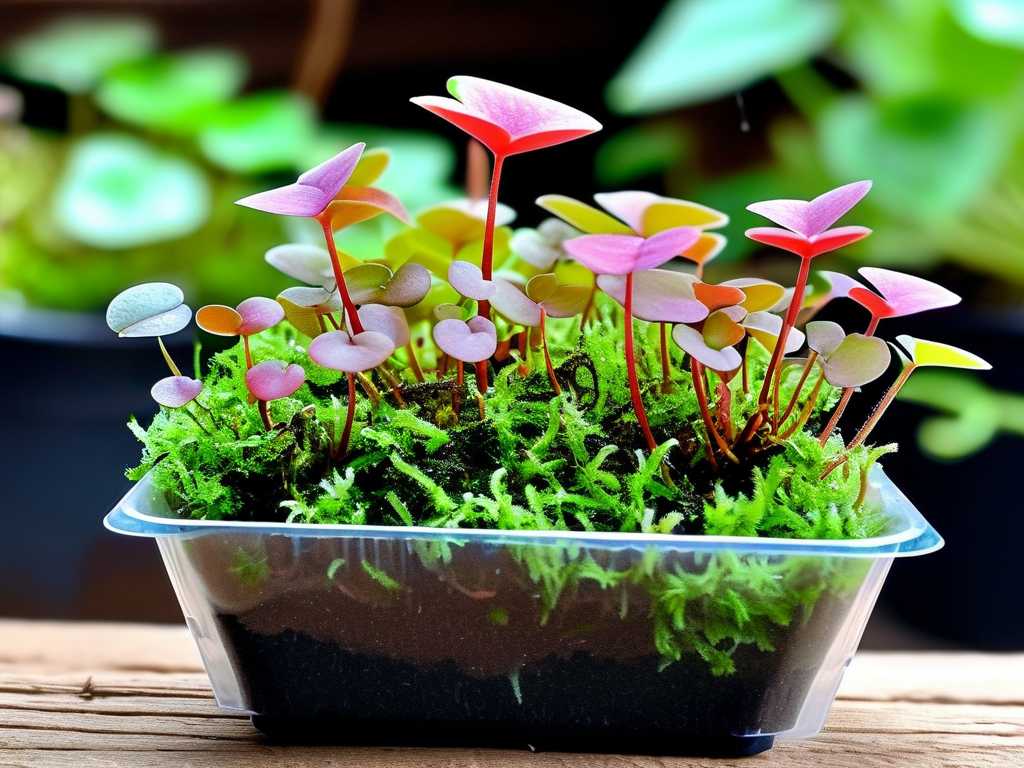
Sundews (Drosera) are bog plants. In the wild, they enjoy constant high humidity, consistently moist soil, and bright light. Our typical indoor air is their nemesis. A terrarium, especially a small one, elegantly solves this by creating a controlled microclimate. It traps humidity, reduces watering frequency, and protects the plant from drafts. Paired with the right moss, it doesn’t just function; it becomes a stunning living art piece. I chose a simple, lidded glass container about 8 inches tall—large enough to create stability but small enough to manage easily.
Gathering Your Supplies: The Foundation for Success
You cannot use regular potting soil. It will kill your sundew. Their roots are adapted to nutrient-poor, acidic, and airy conditions. Here’s what you’ll need, based on recommendations from the International Carnivorous Plant Society (ICPS):
- The Plant: Start with a beginner-friendly species. I used Drosera capensis (Cape Sundew), renowned for its resilience and rapid growth. It’s the perfect candidate for a small terrarium setup.
- The Container: A clear glass jar, vase, or purpose-built terrarium with a lid or partial cover. Ensure it’s clean.
- The Growing Medium: A 1:1 mix of sphagnum peat moss (not garden moss) and horticultural perlite. This is non-negotiable. It provides the acidity, moisture retention, and drainage sundews crave. I pre-moisten this mix with distilled water until it’s damp, not soggy.
- The Moss Layer: Live sphagnum moss or a decorative sheet moss for the top layer. I used live sphagnum for its functional benefits—it helps regulate moisture and acidity, acting as a natural indicator of the terrarium’s health.
- The Essentials: Distilled water, reverse osmosis water, or rainwater. Tap water, with its minerals and salts, is toxic to carnivorous plants over time. A small spray bottle and a long-spouted watering tool are also helpful.
My Step-by-Step Terrarium Building Process
This is where the fun begins. I laid out all my materials and followed these steps meticulously.
Preparing the Base Layer First, I added a shallow layer of aquarium gravel or small stones to the bottom of my glass container. This isn’t for drainage in the traditional sense—a sealed terrarium doesn’t drain—but to create a reservoir for excess water, preventing the soil medium from becoming waterlogged. On top of this, I placed a thin barrier of horticultural charcoal to keep the environment fresh and deter fungal growth.
Creating the Perfect Boggy Bed Next, I added my pre-moistened peat-perlite mix. I formed a mound, making it higher in the back for visual interest. The key here is to gently firm it, not compact it. I used a chopstick to create a small planting hole for the sundew’s root ball. Carefully, I removed my Drosera capensis from its nursery pot, rinsed its roots gently in distilled water to remove any old media, and settled it into the hole. I gently pressed the medium around the base.
Adding the Living Moss Carpet This step transforms the setup. I took clumps of pre-soaked live sphagnum moss and gently pressed them onto the exposed soil surface around the sundew. This “living carpet” serves multiple purposes: it conserves moisture, maintains surface humidity for the sundew’s leaves, and beautifully mimics its natural habitat. It’s the secret to a healthy moss and sundew terrarium.
The Initial Watering and Placement Using my long-spouted waterer, I carefully added distilled water around the edges until I saw just a tiny bit of water collect in the gravel reservoir at the bottom. I then lightly misted the sundew and moss to settle everything in. Finally, I placed the lid partially on my container—not sealed shut—to allow for some air exchange. The terrarium went under a strong LED grow light for 12-14 hours a day. A bright, indirect natural light spot works too, but direct sun through glass can cook your plants.
My Two-Week Observation Journal: Trials and Triumphs
This was the most enlightening part. I kept a daily log to track progress and spot problems early.
- Days 1-3: The sundew looked slightly shocked from transplanting (normal). Dew production decreased. The live sphagnum moss looked vibrant and green. Humidity inside the glass was perfect, with steady condensation on the walls above the soil line.
- Days 4-7: New, tiny dewy leaves began emerging from the center of my sundew! This was the first sign of success. However, I noticed a few older outer leaves turning black. I learned this is a natural part of the plant’s cycle, especially after stress. I carefully trimmed these off with sterilized tweezers to prevent mold.
- Days 8-10: A challenge arose: a fuzzy white mold appeared on a patch of decaying moss near the blackened leaf stumps. This is a common terrarium plant care issue. I immediately removed the affected moss, increased air circulation by taking the lid off for a few hours each day, and lightly sprayed the area with a diluted solution of water and a drop of neem oil (a natural fungicide). The mold did not return.
- Days 11-14: Growth exploded. The sundew produced three new leaves, each glistening with thick, sticky dew. It even caught a few fungus gnats that found their way in. The moss was lush. The ecosystem was balancing itself. I only needed to add a small amount of distilled water once, confirming the terrarium’s low-maintenance nature.
Crucial Ongoing Care: Light, Water, and Food
My experiment solidified these core care principles, which align with expert advice from organizations like the Carnivorous Plant Society of Great Britain.
- Light is Non-Negotiable: Sundews need intense light to produce their sticky, digestive dew. Without it, they become weak and green. My LED grow light was essential. If using sunlight, avoid scorching through glass.
- Water Wisely: Always use pure water. I check the terrarium weekly. If the condensation on the glass has completely cleared and the sphagnum moss looks pale or dry on top, I add a small amount of distilled water to the gravel base, not directly over the plant.
- To Feed or Not to Feed: In a closed terrarium, small insects like springtails or the occasional gnat will provide natural food. Do not feed your sundew pieces of meat or fertilizer. This can rot the leaf and pollute the terrarium. A healthy sundew in good light will catch what it needs.
Troubleshooting Common Issues in a Closed Environment
Even with care, you might encounter these hurdles. Here’s how I addressed them:
- Mold or Fungus: As I experienced, this is usually due to excess moisture and poor air circulation. Remove affected material immediately, increase ventilation, and ensure you’re not overwatering. A small fan nearby for an hour a day can help.
- Lack of Dew: This is almost always a light issue. Move the terrarium to a brighter location or invest in a stronger grow light.
- Leggy or Pale Growth: Another sign of insufficient light. The sundew is stretching to find more.
- Moss Turning Brown: Sphagnum can brown if it’s too wet or too dry. Adjust your watering routine and ensure it gets some light.
Frequently Asked Questions
Can I keep the lid completely sealed? I don’t recommend it. While it maximizes humidity, it also stifles air circulation, leading to mold and rot. A partially open lid or one with small gaps is ideal for creating a healthy closed terrarium environment that still retains moisture.
How often do I need to repot my terrarium sundew? With a nutrient-free medium, repotting is rarely needed for nutrients. However, if your sundew outgrows the space or the soil medium breaks down significantly (over many years), you can refresh it. My Drosera capensis should be happy in its setup for at least 1-2 years.
What other plants can I add with my sundew? Stick to plants with identical needs: high humidity, wet acidic soil, and bright light. Other carnivorous plants like small butterworts (Pinguicula) or companion mosses work well. Avoid any typical houseplants, as they will require different conditions and may introduce fertilizers.
Growing a sundew in a small terrarium with moss has been one of my most satisfying plant projects. It demystified carnivorous plant care and gave me a low-maintenance, fascinating display. By focusing on the right medium, pure water, and ample light, you create a self-regulating world where this incredible plant can thrive. The key is observation—watching how the moss and plant respond to your environment and making small tweaks. Start with a hardy Drosera capensis, be patient through the initial adjustment period, and you’ll be rewarded with a dazzling, dewy predator thriving in its own miniature bog.