bluename
 How to Grow Sundew in a Window Sill with Curtains (Light Control)
I love carnivorous plants, but my apartment doesn’t get the blazing, all-day sun many of them crave. I was determined to find a way to grow a sundew, a beautiful and fascinating flycatcher, right on my window sill. The biggest challenge? Light control. Too much direct sun behind glass can scorch them, and too little leaves them weak. After much trial and error, I discovered that the humble curtain is the secret weapon for how to grow sundew in a window sill with curtains. It’s all about mastering light control to create the perfect, dappled environment. Let me walk you through my exact process, the mistakes I made, and the fantastic results I saw after just two weeks of careful adjustment.
Understanding Your Sundew’s Light Needs
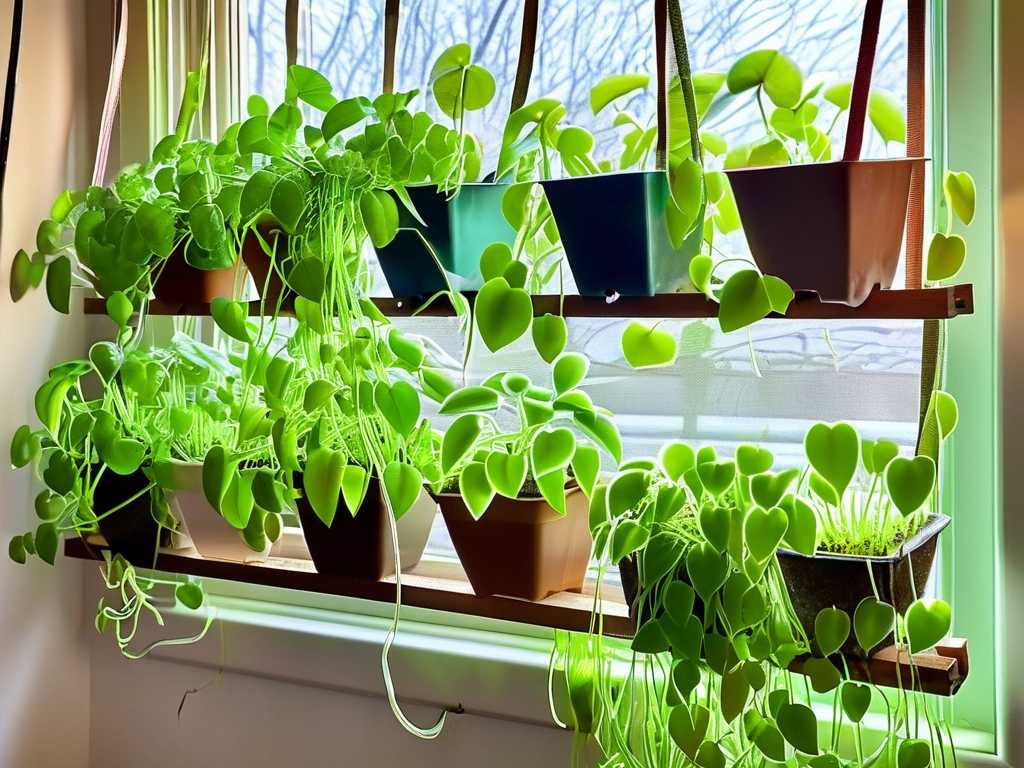
Sundews (Drosera) are sun lovers in their natural bog habitats. However, the light through a window is intensified and can become a harsh oven. The Royal Horticultural Society (RHS) notes that while many sundews need several hours of direct light, protection from the most intense midday sun is often beneficial, especially in a confined space like a windowsill. The goal isn’t full shade, but bright, filtered light. This is where curtains transform from a decorative item into a critical gardening tool. They allow you to dial in the intensity, simulating the kind of light a sundew would receive under a light tree canopy.
My Step-by-Step Setup for Window Sill Success
Here is the exact setup I used, refined after a few initial stumbles.
Choosing the Right Sundew and Window
Not all sundews are equal for this experiment. I chose a Cape Sundew (Drosera capensis). Experts at the Carnivorous Plant Society of America often recommend it for beginners due to its adaptability. My window faces east, receiving gentle morning sun but avoiding the harsh afternoon blaze. A south-facing window would have required much heavier curtain use.
The Potting Mix and Watering Foundation
Light is useless if the roots are wrong. I used a 50/50 mix of sphagnum peat moss and perlite—no fertilizer, no garden soil. The pot sits in a shallow tray of distilled or rainwater, keeping the medium permanently moist. This constant moisture mimics their boggy home and is non-negotiable.
Implementing Curtains for Precision Light Control
This was the core of my project. I used a set of light, white sheer curtains.
- Morning (7 AM - 11 AM): I open the curtains fully. The gentle morning sun streams in directly onto the plant. This period provides the crucial direct light hours without excessive heat.
- Midday to Afternoon (11 AM onward): I draw the sheers closed. They diffuse the stronger light, creating a bright but soft environment. This prevents leaf scorch while still providing ample photons for photosynthesis and dew production.
- Consistency is Key: I made this part of my daily routine, just like feeding a pet. The curtain became my light dial.
My Two-Week Observation Diary and The Pitfalls I Hit
I documented the plant’s response closely. The transformation was clear, but not without a couple of hiccups.
Week 1: Adjustment and a Critical Mistake
Days 1-3: The sundew looked okay, but the dew (the sticky mucilage on its tentacles) seemed a bit sparse. I worried it wasn’t getting enough light. My Mistake: On day 4, I thought, “More light must be better!” I left the curtains open all day on my east-facing window. The Result: By day 5, the leaf tips facing the window began to brown and curl slightly—clear signs of light stress. The dew almost disappeared. My Solution: I immediately returned to my curtain schedule. I also rotated the pot 180 degrees so the slightly scorched side faced inward. I learned that even “gentle” east sun can be too much through glass during a full day’s exposure. The curtain isn’t optional; it’s essential for filtering that prolonged intensity.
Week 2: Recovery and Dramatic Improvement
Days 8-10: With the curtain routine firmly back in place, the plant stopped declining. New, small leaves emerged from the center. Days 11-14: This was the exciting part. The new leaves were a vibrant, healthy red-tinted green—a sign of good light levels. Most importantly, they were covered in glistening, plentiful dew drops, much more than when I first brought the plant home. It was actively catching tiny gnats. The older, slightly burned leaves remained, but the new growth was spectacular. The plant had clearly adapted to and thrived under the curated light regime.
Advanced Tips for Optimal Light and Health
Once the basics are down, you can fine-tune.
Reading Your Plant’s Signals
Your sundew will tell you if the light is right. Deep red coloration and abundant dew mean perfect light. Leggy growth, green leaves with little red, and lack of dew signal need for more light (open curtains longer or use a thinner fabric). Pale, browned, or crispy leaves mean too much direct sun (use thicker curtains or close them sooner).
Humidity and the Curtain Bonus
A common concern is low indoor humidity. Here’s a bonus: keeping the tray of water beneath the pot and the curtain partially closed can help create a slightly more humid microclimate around the plant, reducing moisture loss. It’s a small but helpful effect.
What About Supplemental Lighting?
During a particularly gloomy week, I added a basic, low-wattage LED grow light for a few extra hours in the evening. It worked well to compensate. The curtains still managed the daytime natural light, and the bulb filled in the deficit. This hybrid approach offers total control year-round.
Common Questions from Fellow Growers
Will any curtain work? Sheer or light linen curtains are ideal for diffusion. Blackout curtains would be too extreme, except perhaps in a south-facing window in peak summer for a few midday hours. The goal is to filter, not eliminate.
My sundew isn’t producing dew. What’s wrong? The most common cause is insufficient light. Try increasing the duration of direct morning light before closing the curtain. Also, ensure you are using only distilled, rainwater, or reverse osmosis water. Tap water minerals can clog the dew-producing glands.
Can I use this method for other carnivorous plants? Absolutely. This light control method is excellent for other varieties that enjoy bright, filtered light, like many pitcher plants (Nepenthes) and some butterworts (Pinguicula). Always research the specific needs of your plant, but the principle of using curtains as a dimmer switch is universally useful.
Growing a sundew on a window sill is deeply rewarding. It connects you to a daily rhythm of care. By using curtains not just for privacy, but as a precise tool for light control, you can recreate a slice of a sundew’s natural habitat right in your home. My two-week journey proved that success lies in observation and subtle adjustment. Start with the morning sun and afternoon sheers, watch how your plant responds, and tweak from there. The sight of a healthy, dewy sundew catching its lunch on your window sill is a unique joy, and it’s completely within your reach.