bluename
 How to Grow Sundew in a Balcony with Sun Shade: A Complete Guide for Beginners
I’ve always been fascinated by carnivorous plants, and the sundew, with its glistening, dew-tipped tentacles, was my ultimate challenge. For years, I believed these captivating predators needed a dedicated terrarium or a sprawling greenhouse. Living in an apartment with only a balcony that gets harsh afternoon sun, I thought growing sundews was impossible. The common advice was "full sun," but my balcony would literally cook delicate plants. If you’re in a similar situation, feeling frustrated about wanting to grow these exotic beauties without ideal conditions, this guide is for you. I embarked on a two-week experiment to grow sundew in a balcony with sun shade, and the results were not only successful but also incredibly rewarding. I’ll walk you through my exact process, the mistakes I made, and how you can create a thriving microclimate for your own sticky-leaved friends.
Understanding Your Sundew and Its Light Needs
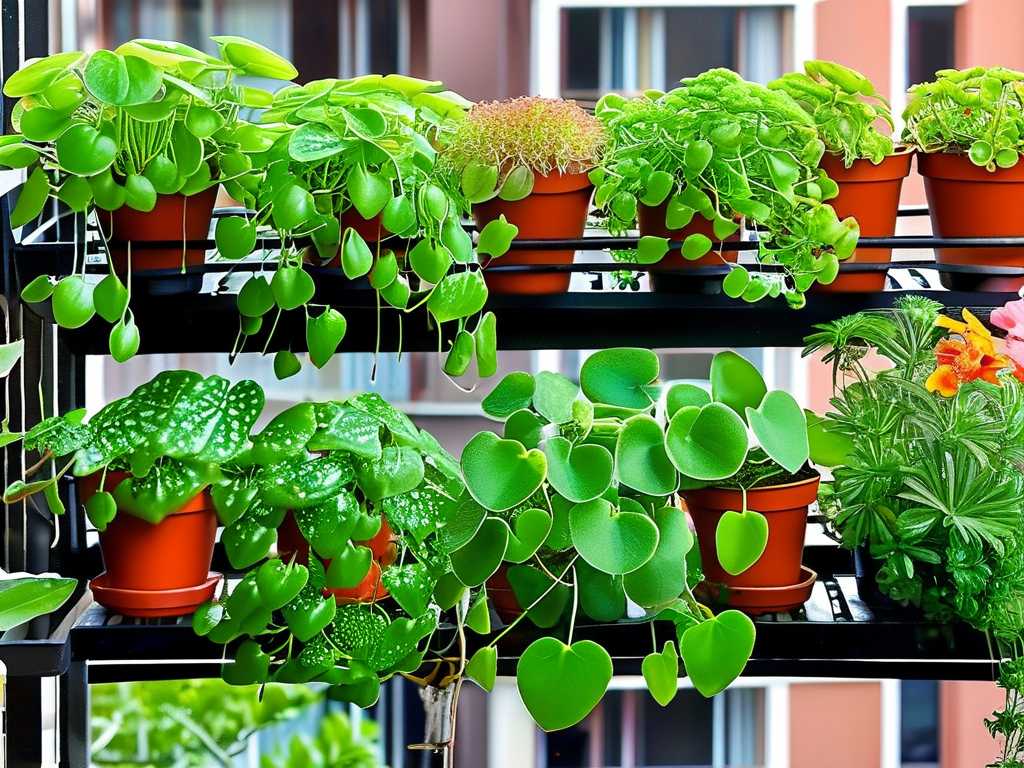
Before we dive into the setup, it's crucial to understand what we're working with. Sundews (Drosera) are a diverse genus, but most popular varieties like Drosera capensis (Cape Sundew) or Drosera spatulata thrive in bright, indirect to direct light. However, "direct light" on a hot, west-facing balcony is very different from the dappled light of their natural bog habitats. According to the International Carnivorous Plant Society, while light is vital for photosynthesis and dew production, excessive heat and ultraviolet radiation can scorch leaves, dry out the precious mucilage, and stress the plant to the point of death.
This is where the concept of a balcony sun shade for sundews becomes non-negotiable. The goal isn't to plunge them into deep shadow but to filter and soften the most intense rays, mimicking a natural, protective canopy. My core mission was to master sundew care on a shaded balcony without sacrificing their health or spectacular appearance.
My Step-by-Step Setup for a Sundew Haven
Gathering the Non-Negotiable Essentials
My journey began with research and gathering the right materials. Getting the fundamentals wrong is the fastest way to fail, so I was meticulous here.
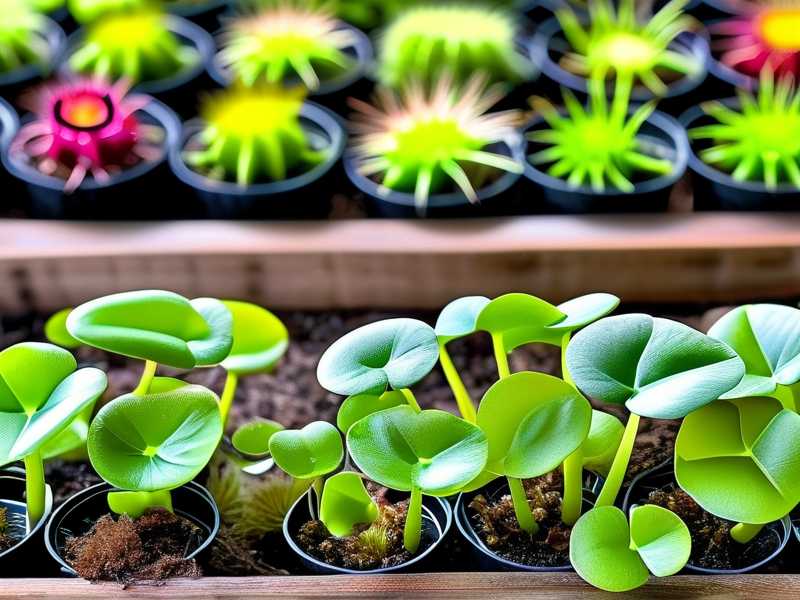
- The Plants: I chose two hardy beginners: Drosera capensis 'Typical' and Drosera spatulata. Their reputation for being forgiving gave me a safety net.
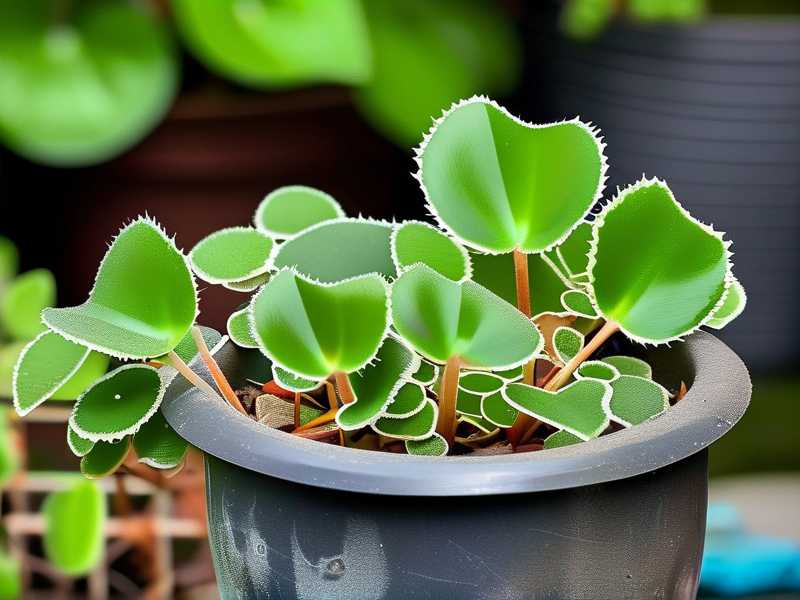
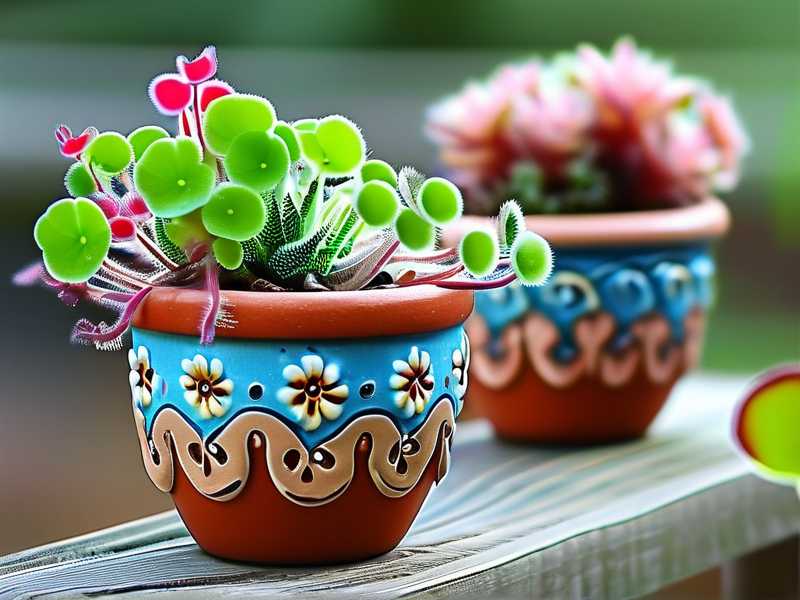
- The Pots: I used 4-inch plastic pots with drainage holes. Carnivorous plant experts, like those at the Carnivorous Plant Nursery, consistently warn against clay pots, which can leach harmful minerals. Plastic or glazed ceramic is safe.
- The Medium: This is critical. Normal potting soil is lethal. I used a 50/50 mix of pure sphagnum peat moss and perlite. No fertilizers, no additives, no miracle-gro. The nutrient-poor environment is what forces them to evolve their carnivorous habits.
- Water: Tap water is usually a death sentence due to dissolved salts and minerals. I used distilled water, which you can buy cheaply by the gallon. Rainwater is also perfect.
- The Shade System: This was my variable. I purchased a roll of 30% density shade cloth and some simple clip-on balcony railing hooks. This material diffuses light beautifully, cutting the intensity while still letting through plenty of photons.
The Planting Process and Initial Placement
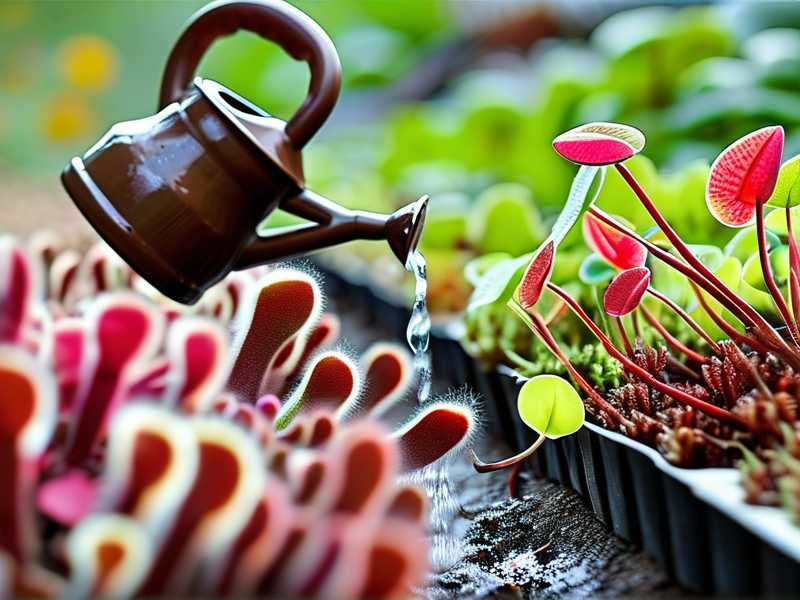
I moistened the peat-perlite mix with distilled water until it was damp, not soggy. Gently, I planted my sundews, ensuring their crowns were above the medium. I then placed the pots in shallow trays (the "tray method"). The key is to always keep about half an inch of distilled water in the tray, allowing the medium to wick up moisture from below. This mimics their natural boggy conditions.
Now, for the pivotal decision: placement. I have a west-facing balcony that gets brutal sun from 1 PM onwards. I divided my plants into two groups for observation. Group A went directly onto the balcony floor in the open sun. Group B was placed under the newly installed shade cloth, which I hung from the railing to create a partial roof and wall.
The Two-Week Observation: Drama, Lessons, and Success
Week 1: The Stark Contrast
The difference was apparent within 48 hours. Group A (full sun) looked stressed. The dew on their tentacles, which should sparkle like morning dew, dried up by midday. The leaves of the D. spatulata began to curl and develop a slight reddish-brown tinge at the tips—a clear sign of sunburn. They looked crispy and unhappy.
Group B, under the sun shade for balcony plants, was a different story. The dew droplets remained plump and glistening throughout the day. The plants maintained a vibrant green and red coloration. They looked hydrated and content. However, I noticed one issue: the shade cloth I hung created a denser shadow than intended as the sun moved. The D. capensis started leaning slightly, a phenomenon called phototropism, where it strained toward the brightest light source. It was getting enough light to live but perhaps not enough to thrive optimally.
Week 2: Adjustments and Triumph
This is where the real learning happened. For Group A, I immediately moved them under the shade cloth. They were clearly suffering. For Group B, I adjusted my shade setup. Instead of a fixed roof, I reconfigured the cloth to act more as a sheer curtain on the west side, filtering the harsh afternoon sun but allowing more overhead and morning light. This simple fix solved the leaning problem.
By the end of the second week, all plants were together under the adjusted shade. The scorched leaves on Group A didn't recover, but new growth emerged healthy and dewy. The original Group B plants were flourishing, producing new, sticky leaves regularly. I even witnessed a D. capensis successfully curl around a captured fungus gnat—the ultimate sign of a happy, well-fed sundew.
Key Lessons from My Balcony Sundew Project
- Shade is a Tool, Not a Prison: The purpose of a balcony sun shade for sundews is to filter, not eliminate. Think of it as putting sunglasses on your plant. My fixed overhead shade was too restrictive; a side-filtering approach worked better for my specific sun trajectory.
- Observe, Don't Assume: Plant care isn't set-and-forget. I had to watch the light patterns throughout the day. The "harsh sun" period was shorter than I assumed, and the morning light was gentle and beneficial. My shade only needed to be deployed during the peak intensity hours.
- Humidity is a Bonus: The tray method of watering created a localized humid microclimate under the shade cloth. This extra humidity, trapped slightly by the fabric, further prevented dew evaporation and kept the leaf surfaces perfect for trapping prey.
- The Right Water is Everything: Even with perfect light, using tap water would have slowly poisoned my plants with mineral buildup. This is the most common beginner mistake, and I was vigilant to avoid it.
Sundew Care on a Shaded Balcony: Ongoing Maintenance
With the light issue solved, ongoing care is simple. Keep the tray filled with distilled water. Feed them occasionally if no bugs are around—a tiny piece of a dried bloodworm (fish food) placed on a tentacle every few weeks is sufficient. Never fertilize the soil. In winter, they may go dormant, requiring less water and cooler temperatures. My shaded balcony, being slightly cooler than the full sun area, provided a good dormancy trigger.
Can I use a regular sun umbrella instead of shade cloth? Yes, absolutely. A sun umbrella is a fantastic and simple solution for creating a sundew growing area with filtered light. It offers flexible positioning and can be opened only during the harshest sun hours. My shade cloth was a more permanent solution, but an umbrella works on the same principle.
My sundew’s dew has disappeared. What did I do wrong? This was my Group A’s exact problem. The most likely causes are too much direct, unfiltered sun (scorching the leaves) or insufficient humidity. Moving the plant to a location with filtered light for carnivorous plants and ensuring the watering tray is full will usually resolve this within a few days to a week, as new growth emerges.
How often should I feed my balcony sundew? If your balcony attracts gnats or small flies, they will feed themselves naturally—part of the joy of growing them outdoors! In a more sterile environment, supplemental feeding once every 2-4 weeks is plenty. Overfeeding can rot a leaf. Remember, they get most of their energy from photosynthesis; the insects are for supplemental nutrients.
Growing sundews on a balcony with challenging light is not only possible but deeply satisfying. It requires shifting from a mindset of "full sun" to "bright, filtered light." By using a simple shade system, employing the tray method with the correct water, and choosing a suitable growing medium, you can create a miniature bog ecosystem that allows these fascinating carnivores to thrive. My two-week experiment turned into a permanent setup. Now, my balcony is home to a dewy, glistening colony that serves as a constant reminder that with a little observation and adaptation, even the most specific plant needs can be met in an urban space. The journey from worried plant parent to confident sundew cultivator is one I highly recommend.