bluename
 How to Grow Sundew in a Hanging Terrarium: A Complete Care Guide
I’ve always been fascinated by carnivorous plants, but living in a small apartment with limited shelf space made collecting them a challenge. I longed for a solution that was both space-efficient and could create the perfect, humid microclimate these delicate plants crave. That’s when I discovered the magic of a hanging terrarium. It seemed like the perfect answer for growing my favorite genus, the sundew (Drosera), turning a constraint into a stunning living display. However, my initial attempts were a series of frustrating failures—mold, crispy plants, and constant confusion about watering. It took me several trials, careful observation, and adapting expert advice to finally get it right. In this guide, I’ll walk you through my proven, step-by-step process for how to successfully grow sundew in a hanging terrarium, sharing the lessons from my two-week intensive monitoring period and the solutions to every problem I encountered.
Why a Hanging Terrarium is Ideal for Sundews
Sundews are bog plants that thrive in consistently moist, humid, and bright conditions. A traditional pot on a windowsill often dries out too quickly, especially in heated or air-conditioned homes. A terrarium mimics their natural environment, but a hanging one offers unique advantages. It elevates your plants to better light levels, improves air circulation around the glass to prevent stagnation, and saves precious surface area. According to the International Carnivorous Plant Society (ICPS), maintaining high humidity is crucial for healthy sundew leaf and dew production, something a sealed or partially sealed glass environment does effortlessly.
My Essential Materials and Setup Checklist
Gathering the right materials from the start is non-negotiable. Here’s exactly what I used for my successful build:
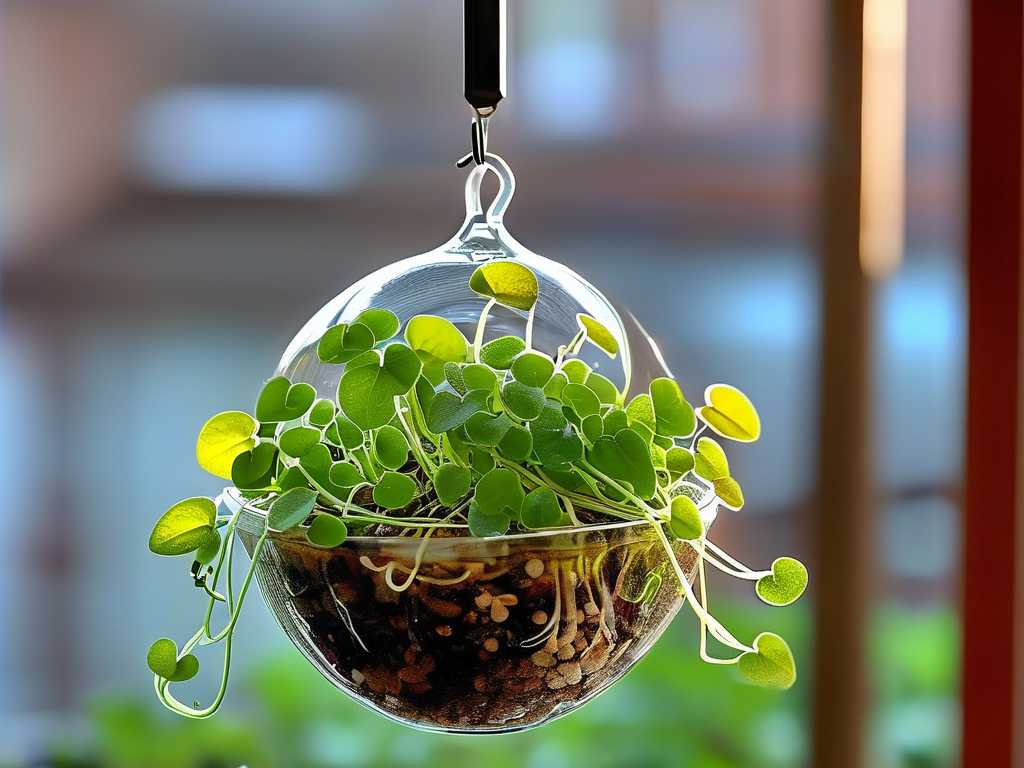
- The Terrarium: I chose a geometric, pentagon-shaped hanging glass terrarium with a sufficiently large opening. Avoid completely sealed containers; some air exchange is vital.
- The Sundews: I selected two beginner-friendly species known for terrarium adaptability: Drosera capensis (Cape Sundew) for its resilience and Drosera spatulata for its compact, rosette shape.
- The Growing Medium: Never use potting soil or fertilizer. It will kill your plants. I used a 1:1 mix of sphagnum peat moss and horticultural sand, as recommended by nearly all carnivorous plant authorities. I pre-rinsed the mix with distilled water to lower the mineral content.
- Water: This is critical. I use only distilled, reverse osmosis (RO), or rainwater. Tap water, even filtered, usually contains minerals that will slowly poison sundews.
- Drainage Layer: To prevent waterlogged soil, I created a base layer of rinsed aquarium gravel or horticultural charcoal.
- Tools: Long tweezers, a small spray bottle filled with distilled water, and a dedicated watering can.
Step-by-Step: Building Your Hanging Sundew Ecosystem
Here is the exact process I followed, refined after my initial mistakes.
1. Creating the Foundation First, I added about an inch of the rinsed gravel to the bottom of my clean, dry terrarium. This layer acts as a reservoir for excess water, keeping the soil moist but not soggy—a key prevention step against root rot.
2. Preparing the Soil I moistened my peat moss and sand mix with distilled water until it was damp like a wrung-out sponge, not dripping. I then carefully layered it over the gravel, creating a bed about 2-3 inches deep. I gently tamped it down to eliminate large air pockets.
3. Planting the Sundews This requires a delicate touch. Using my long tweezers, I made small holes in the soil mix. I carefully removed the sundews from their nursery pots, gently teasing away any old soil from their delicate roots. Placing each plant in its hole, I used the tweezers to softly firm the soil around the base. I gave them ample space, remembering they will grow.
4. The Initial Watering and Placement I used my watering can to gently water the soil around the base of each plant until I saw a small amount of water collect in the gravel layer below. I then hung the terrarium in its permanent spot before making final adjustments. This is important: a hanging terrarium full of soil and water is heavy. Choose a sturdy hook in a location with very bright, indirect light. An east or west-facing window is ideal. Direct, hot afternoon sun through glass can quickly cook your plants (a mistake I made once).
The Crucial First Two Weeks: My Observation Diary
The initial period is when your care makes the biggest difference. Here’s what I documented.
Days 1-3: The plants looked slightly shocked from transplanting (transplant shock is normal). The dew on their tentacles was minimal. I kept the terrarium lid slightly ajar to allow for adjustment and monitored soil moisture daily. The humidity inside the glass was visibly high. Days 4-7: I noticed the first signs of new, tiny leaves on both D. capensis and D. spatulata. This was a great sign! However, I also saw a few older leaves turning black—a natural process. I carefully snipped them off with sterilized scissors to prevent mold. Days 8-10: A potential crisis: I spotted the beginnings of fuzzy, white mold on the soil surface. This is common in high-humidity environments. Instead of panicking, I increased air circulation by opening the lid wider during the day. I also sprinkled a tiny amount of ground cinnamon (a natural antifungal) on the affected area. It worked perfectly. Days 11-14: By the end of the second week, the mold was gone. The new growth was vibrant and robust. Most excitingly, the dew production was spectacular—glistening droplets covered every new leaf, indicating the plants were happy, hydrated, and ready to catch food.
Ongoing Care: Light, Water, and Feeding
Lighting Needs: Sundews need lots of light for photosynthesis and to produce their sticky, diagnostic dew. My hanging terrarium thrives 6 inches from a west-facing window. If you lack natural light, a strong LED grow light placed 6-12 inches above the terrarium for 12-14 hours a day is an excellent alternative. The American Hobbyist Society of Agaristics (AHSA) notes that proper lighting is the single most important factor for vibrant color and dew formation in carnivorous plants.
Watering Schedule: My golden rule is to keep the soil perpetually damp. I check every other day by touching the soil surface. I use the “tray method” adapted for terrariums: I gently pour distilled water down the side of the glass until I see just a hint of water in the gravel reservoir. I never let it dry out completely, nor do I let the plants sit in a deep pool of water.
To Feed or Not to Feed? In my sealed environment, insects are scarce. A sundew can survive on light alone, but feeding promotes faster growth. Once a month, I use my tweezers to place a tiny, dried bloodworm (fish food) or a fruit fly onto a few leaves. The plant will curl around it within hours. Never use fertilizer or human food.
Troubleshooting Common Hanging Terrarium Problems
- Mold or Fungus Gnats: My two-week mold issue taught me that airflow is key. Keep the lid partially open, especially in the first month. For gnats, which are attracted to moist soil, I now use a top dressing of rinsed sand or live sphagnum moss as a barrier.
- Lack of Dew: This almost always signals insufficient light. Move the terrarium to a brighter location or add a grow light.
- Leggy or Pale Growth: Another sign of low light. The plant is stretching to find a light source.
- Brown, Crispy Leaves: Usually a sign of low humidity, mineral burn from bad water, or sunburn. Check your water source first, then assess light intensity and mist lightly with distilled water if humidity seems low.
How often should I water my hanging terrarium sundew? There’s no set schedule. The enclosed environment retains moisture. Check the soil by touch every 2-3 days. Water only when the top layer feels slightly less damp, aiming to keep the lower soil and gravel reservoir lightly moist at all times. Always use distilled, RO, or rainwater.
Can I mix sundews with other plants in the same terrarium? I don’t recommend it for beginners. Sundews have very specific soil and water requirements that most other plants (like ferns or mosses) do not share. Co-planting often leads to one species suffering. It’s best to create a dedicated carnivorous plant display.
My sundew is outgrowing the terrarium. What should I do? This is a sign of success! Fast-growing species like D. capensis may need pruning or dividing. You can carefully remove the plant, divide the root ball, and replant a portion back into the terrarium. Alternatively, you can propagate new plants from leaf cuttings and start the process all over again—a rewarding next step in your carnivorous plant journey.
Growing sundews in a hanging terrarium has been one of my most rewarding plant projects. It combines the beauty of a living sculpture with the fascinating biology of carnivorous plants. By starting with the right inert soil, committing to pure water, providing strong light, and managing humidity through careful ventilation, you can create a thriving, low-maintenance ecosystem. Remember, observation is your best tool. Watch your plants, learn from their responses, and don’t be discouraged by small setbacks like my mold encounter. The sight of morning light catching on a hundred dewy tentacles, right there in your own living space, is worth every bit of the careful effort.